AI Answering Service vs. Live Answering Service: What's Actually Different

TL;DR
- AI answering service vs. live answering service compared on cost, availability, accuracy, and scale, with honest 2026 benchmarks so you can pick the right option.
AI Answering Service vs. Live Answering Service: What's Actually Different
According to Nextiva's 2026 answering service cost analysis, most live answering service plans run between $100 and $1,000 or more per month, while AI-powered services typically cost between $50 and $500. Price is the difference most owners notice first, but it is not the only one that changes how many calls you actually capture. The real decision comes down to when each option answers, how consistently it handles the same call twice, how many callers it can talk to at once, and whether it books the appointment or just takes a message.
AI answering service: a software voice agent that answers inbound business calls in natural, human-sounding speech, understands what the caller wants, and completes tasks like answering questions, qualifying leads, and booking appointments around the clock, without a human operator picking up the line. A live answering service, by contrast, staffs human operators who pick up on your behalf, follow a script you provide, take messages, and forward or transfer calls.
Here is how the two stack up on the factors that decide whether a caller becomes a customer.
| Factor | AI Answering Service | Live Answering Service |
|---|---|---|
| Availability | 24/7/365, instant first-ring pickup with no hold | Depends on plan; true 24/7 coverage costs more, after-hours often surcharged |
| Cost | Flat monthly rate, roughly $50 to $500 (Voksha is $14 to $99) | $100 to $1,000+ per month, usually billed per minute or per call |
| Consistency | Same script, tone, and quality on every call | Varies by operator, shift, and how busy the queue is |
| Scale / concurrency | Handles unlimited simultaneous calls | Capped by staffed agents; extra callers wait in a queue |
| Booking / integrations | Books into your calendar and CRM in real time | Usually takes a message or warm-transfers; native integrations are rarer |
About This Article
- Researched and written: July 2026. Last fact-checked: 2026-09-02.
- Author hands-on experience: editorial. This is a research-based comparison drawing on public pricing pages and independent cost roundups, not a hands-on test of every named vendor.
- AI assistance: used for drafting, reviewed and edited by the Voksha Content Team.
- Conflicts of interest: this guide is published by Voksha, which offers an AI receptionist; recommendations reflect the stated criteria and present live human options fairly.
- Sponsorship: none. All pricing and product claims were verified on 2026-09-02 against public sources.
Key Takeaways
- Live answering service plans typically cost $100 to $1,000+ per month, while AI answering services run $50 to $500 per month, per Nextiva's 2026 cost analysis; Voksha's own plans are $14 to $99 (Voksha pricing, verified 2026-09-02).
- Live agents post roughly 95 percent accuracy on message-taking and modern AI lands around 90 to 95 percent on routine calls, a gap that keeps narrowing (NextPhone 2026 comparison).
- About 32 percent of business calls arrive outside 9-to-5 weekday hours and 23 percent land on weekends (Voksha After-Hours Economy Report, 2026), so after-hours coverage is where most missed revenue hides.
- Roughly 85 percent of callers who reach voicemail hang up without leaving a message and about 62 percent then call a competitor (Voksha cost-of-missed-calls analysis).
- AI handles unlimited simultaneous calls, while a live service queues callers once its staffed agents are busy, which matters most during marketing spikes and outage-driven surges.
- For high-emotion or legally sensitive calls, human agents still hold an edge; many businesses in 2026 run a hybrid of AI for routine and after-hours volume plus humans for complex calls.
What Is the Real Difference Between AI and Live Answering Services?
Both services exist to solve the same problem: a call comes in and someone, or something, needs to answer it well enough that the caller does not hang up and dial the next business on the list. The difference is what does the answering and how it behaves under pressure.
A live answering service routes your calls to a call center staffed by human operators. Those operators follow the script and instructions you supply, take a message, answer basic questions, and either forward the call or send you the details by text, email, or a portal. The strength is human judgment. A trained operator can hear that a caller is upset, ask a clarifying question that was not on the script, and decide on the spot to escalate.
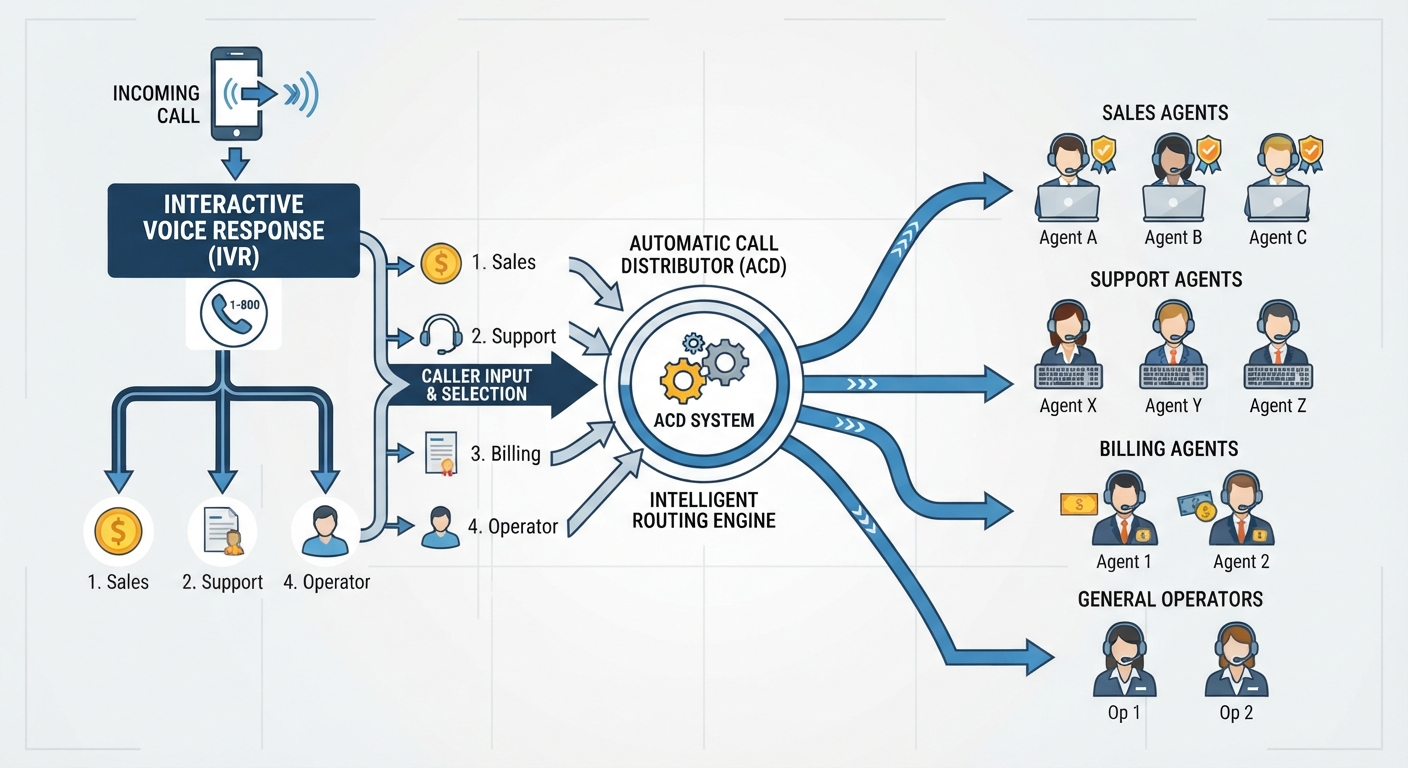
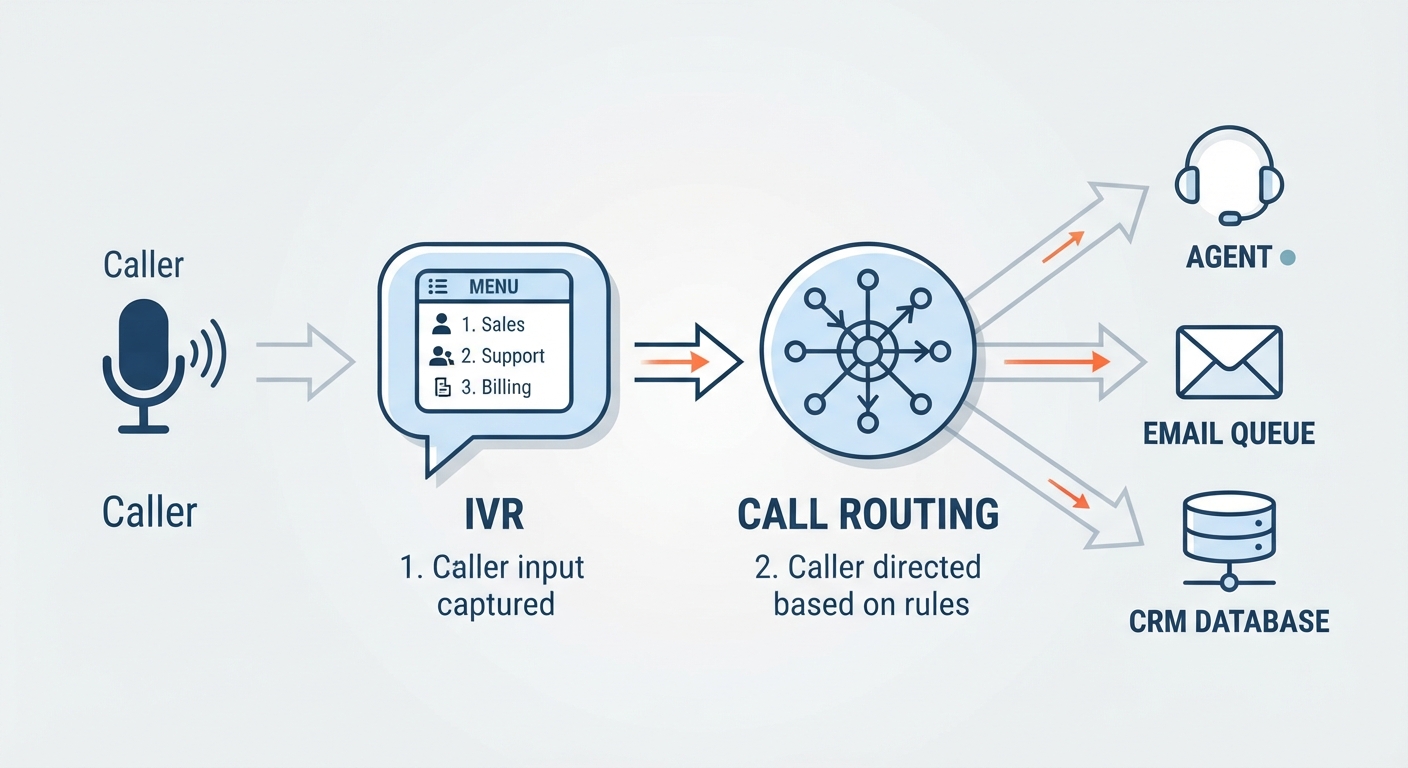
An AI answering service replaces the operator with a voice agent. The agent listens, understands natural speech rather than menu presses, responds in a human-sounding voice, and completes tasks end to end. Instead of taking a message that someone reads later, it can qualify the caller, answer common questions from your knowledge base, and book the appointment directly. Voksha's guide on how AI receptionists work walks through the speech, routing, and booking layers if you want the mechanics. The practical result: callers get a resolution on the call instead of a promise that someone will get back to them.
How Do AI and Live Answering Services Compare on Availability?
Availability is where the two options diverge most, because call demand does not respect office hours. About 32 percent of business calls now arrive outside standard 9-to-5 weekday hours and 23 percent land on weekends, according to the Voksha After-Hours Economy Report, 2026. That is roughly a quarter of your inbound volume landing when a traditional office is dark.
An AI answering service is always on by default. It picks up on the first ring at 2 a.m. on a holiday with the same quality it delivers at 2 p.m. on a Tuesday, and it never needs a break or a shift change. A live answering service can offer 24/7 coverage too, but round-the-clock staffing is what you are paying for, and many plans surcharge nights, weekends, and holidays or route those hours to a smaller overnight team. When a caller reaches voicemail instead of a person, the loss is usually permanent: about 85 percent of callers who hit voicemail hang up without leaving a message, and roughly 62 percent go on to call a competitor, per Voksha's cost-of-missed-calls analysis. For after-hours and overflow specifically, dedicated after-hours answering is the coverage that quietly recovers the most revenue.
How Much Does Each Option Actually Cost?
Live answering services almost always bill by consumption, which makes the real monthly number hard to predict. Nextiva's 2026 analysis puts most live plans between $100 and $1,000 or more per month, with per-minute rates that reach about $4.90 a minute on Ruby's starter plan and per-call pricing such as Smith.ai's roughly $9.75 per call ($292.50 per month for 30 calls). AnswerConnect starts near $350 per month for 200 minutes plus a setup fee, and overage minutes, holiday surcharges, and setup fees can add 30 to 50 percent on top of the advertised rate.
AI answering services flip the model to a flat monthly fee, which is easier to budget because it does not spike with call volume. Nextiva pegs AI-powered services at $50 to $500 per month. Voksha sits at the affordable end of that range, with Starter at $14 per month and Premium at $99 per month, plus a custom Enterprise tier (verified against Voksha pricing on 2026-09-02). The trade-off is straightforward: a live service buys you human judgment on every call and charges for the minutes it uses, while an AI service buys you unlimited-volume, always-on coverage at a fixed price. For a fuller breakdown of what sits inside each pricing model, the answering service complete guide covers plan structures in depth.
Which Option Is More Accurate and Consistent?
Accuracy used to be the clearest argument for human agents, and it is still real, but the gap has narrowed. Independent 2026 roundups put live-agent accuracy on message-taking and routine handling around 95 percent, with modern AI at roughly 90 to 95 percent on routine business inquiries (NextPhone 2026 comparison). Treat those figures as vendor-reported benchmarks rather than lab results, but the direction is consistent across sources: for routine calls, the two are close.
Consistency is where AI pulls ahead. A live answering service depends on which operator answers, how well they know your business, and how slammed the queue is that hour. A new hire on a Sunday night does not sound like your best agent on a Tuesday morning. An AI answering service runs the same script, the same tone, and the same qualifying questions on call number one and call number ten thousand. Voksha's agent answers in under 200 milliseconds and has handled more than 10,000 calls at 99.9 percent uptime, and every call is captured with a transcript and summary so nothing depends on someone remembering a scribbled note. Where human agents still clearly win is emotional nuance: a distressed caller, a sensitive legal intake, or a complex negotiation is a better fit for a person who can read the room and improvise.
How Well Does Each Handle Booking and Integrations?
For most service businesses, the answering service only pays off if the call turns into a booked job, not just a message in an inbox. This is a structural difference between the two models. A live answering service typically takes down the caller's details and relays them, or warm-transfers the call to your line if you are available. Booking the appointment usually still lands on your team, and native connections into your calendar or CRM are the exception rather than the rule.
An AI answering service is built to close the loop on the call. It checks real availability and books the appointment directly through appointment booking that syncs with the tools you already run, and it performs lead qualification so a sales-ready caller is flagged and routed while a tire-kicker is handled without tying up staff. Voksha connects with Google Calendar, Outlook, Calendly, HubSpot, and Salesforce, so a booking made at midnight shows up on the schedule your team opens in the morning, with no double entry. If you want the automation-first version of this model without human operators at all, an automated answering service describes how the fully self-serve setup works.
When Should You Choose a Live Answering Service?
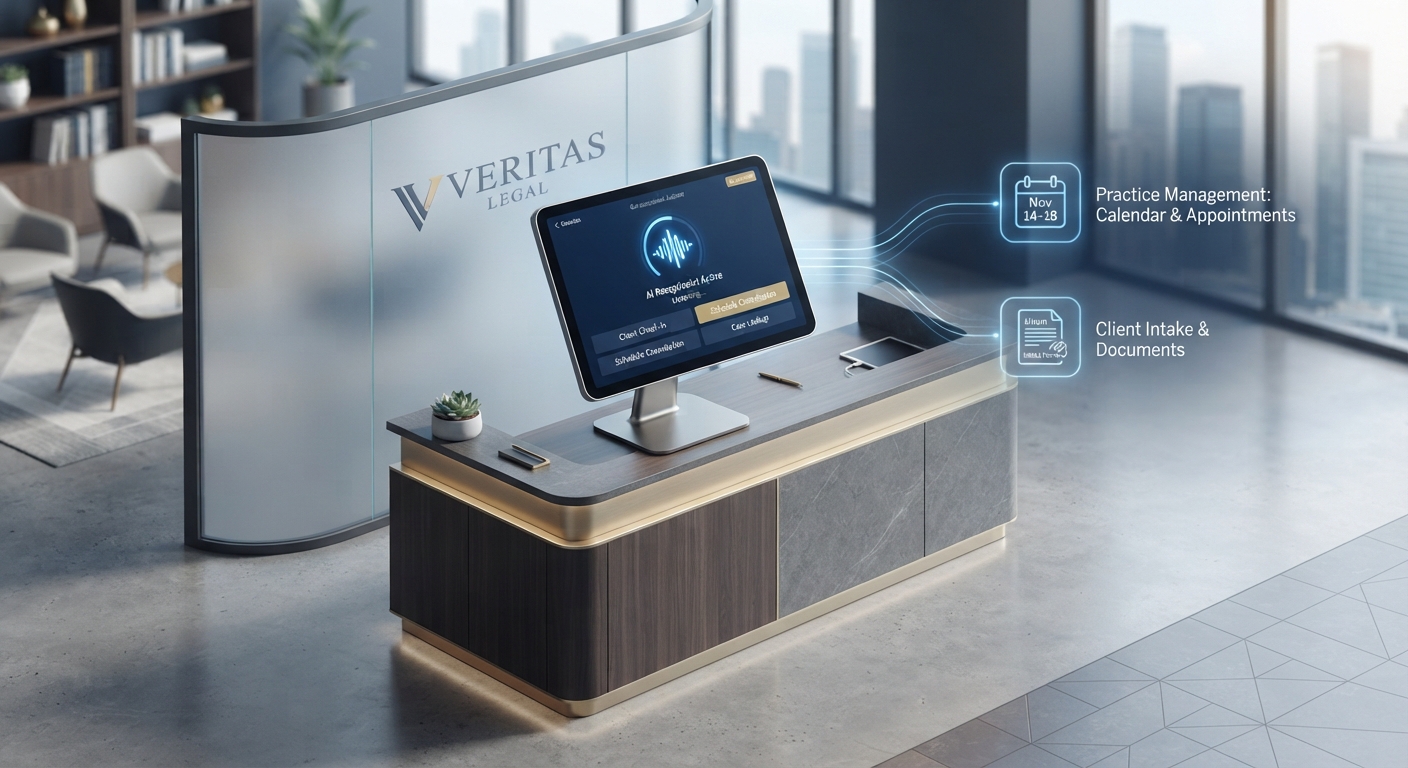
A live answering service is the stronger pick when the calls themselves carry emotional or legal weight. Legal intake, medical triage that needs a licensed human, insurance claims after an accident, and grief-adjacent or crisis calls all benefit from a person who can adapt beyond a script, show empathy, and make a judgment call about escalation. If a meaningful share of your inbound volume is high-stakes, low-volume, and unpredictable, paying per minute for human handling can be worth it.
Human services also fit businesses that want a warm handoff to a specific person on complex calls, or that operate in a niche where a scripted knowledge base cannot yet capture the range of questions callers ask. The cost is predictability and scale: you pay for minutes, and during a spike your callers wait in a queue. But for the calls that most need a human, that trade can be the right one.
When Is an AI Answering Service the Better Fit?
An AI answering service is the better fit for the calls most small businesses actually get: hours, pricing, availability, appointment requests, routine questions, and after-hours emergencies that follow a predictable triage. If your volume is high, your questions are repetitive, and your callers mostly want a fast answer or a booked slot, AI delivers that at a flat price and never puts anyone on hold.
It is also the better fit when concurrency matters. A marketing push, a seasonal rush, or a service outage can send a wave of calls at once, and a live service with five agents on shift will queue the sixth caller. An AI agent answers all of them simultaneously, so speed-to-answer stays constant no matter the surge, which matters because 78 percent of customers buy from the first business that responds (InsideSales analysis, compiled by Voksha). For a side-by-side of where an AI receptionist, a virtual receptionist, and a traditional answering service each fit, see Voksha's comparison guide.
Can You Combine AI and Live Answering in a Hybrid Setup?
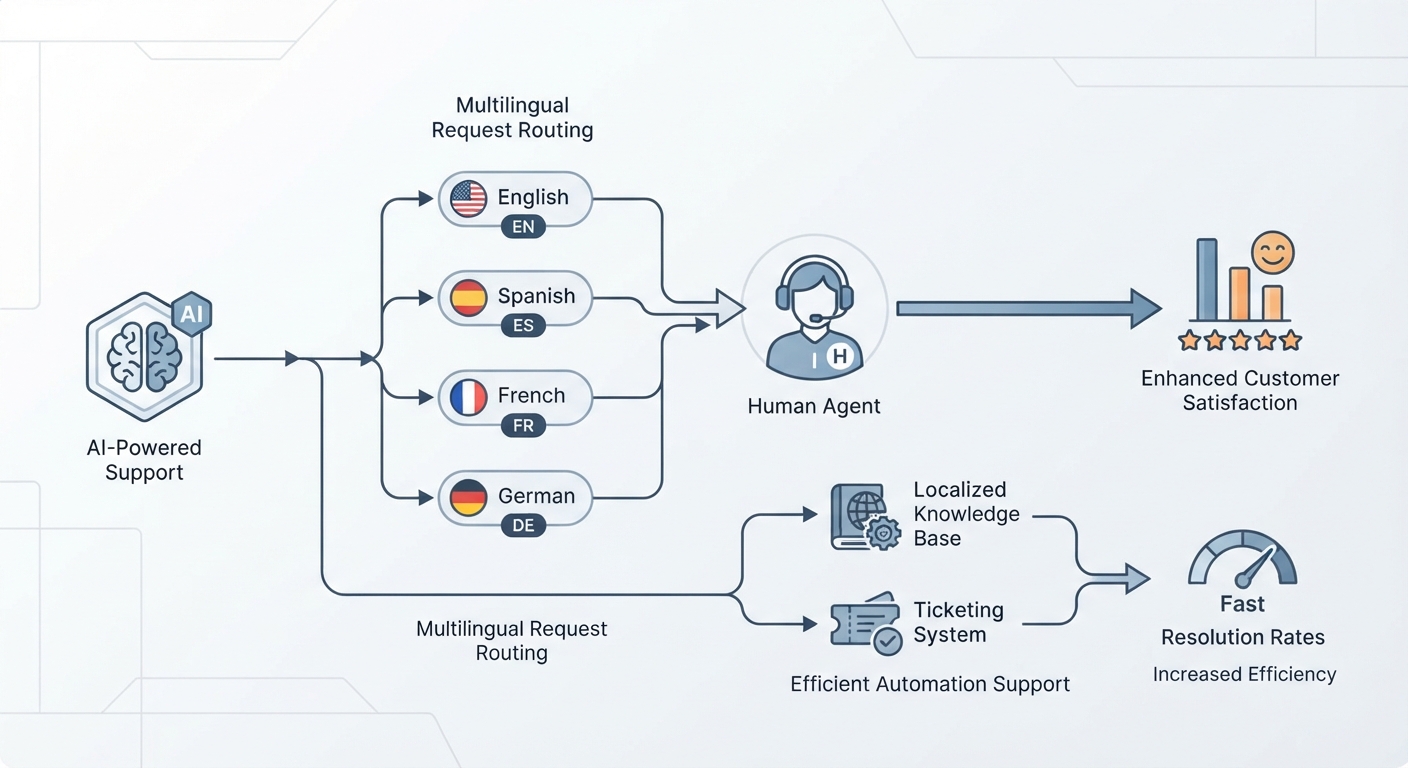
Yes, and for many businesses in 2026 the honest answer is not either/or. A common pattern is AI for the front line and humans for the exceptions: the AI agent answers every call instantly, resolves and books the routine ones, and escalates the calls that need a person to your team or to a live operator. That keeps your always-on, unlimited-concurrency coverage cheap while reserving expensive human minutes for the calls that genuinely need them.
The setup is a configuration task, not a rebuild. You keep your existing business number and forward calls to the AI agent, decide which situations trigger a human handoff, and let the routine volume run automatically. Most businesses start with AI covering after-hours and overflow, measure how many calls it books cleanly, then expand its role from there. The goal is simple: no caller reaches a dead line, and no expensive human minute is spent on a call a voice agent could have booked in thirty seconds.
Frequently Asked Questions
Is an AI answering service as accurate as a human one?
On routine business calls, they are close. Independent 2026 roundups put live-agent accuracy around 95 percent and modern AI at roughly 90 to 95 percent on routine inquiries. Humans still hold an edge on emotionally charged or legally sensitive calls where reading the room and improvising matter, while AI is more consistent because it runs the same script and quality on every call.
Which is cheaper, an AI or a live answering service?
An AI answering service is usually cheaper and more predictable. Nextiva's 2026 analysis puts AI services at $50 to $500 per month on a flat fee, versus $100 to $1,000 or more per month for live services that bill by the minute or call. Voksha's plans are $14 to $99 per month, verified against its pricing page on 2026-09-02.
Can an AI answering service book appointments, or does it just take messages?
It books appointments. Unlike a live service that typically takes a message and relays it, an AI answering service like Voksha checks real availability and books the appointment directly into your calendar and CRM, including Google Calendar, Outlook, Calendly, HubSpot, and Salesforce, so the booking is on your schedule without any manual re-entry.
Do I have to change my phone number to use an AI answering service?
No. Voksha works through call forwarding from your existing business line, so your number stays the same on your website, signage, and listings. You choose whether it answers only after-hours and overflow calls or every call during the day too.
When should I still use a live human answering service?
Choose a live service when a meaningful share of your calls are high-emotion or legally sensitive, such as legal intake, medical triage, or claims, where human empathy and judgment beat a script. Many businesses run a hybrid: AI answers everything first and books routine calls, then escalates the calls that need a person.
Final Thoughts
The choice between an AI and a live answering service is really a choice about which calls you get. If your volume is routine, your callers want fast answers and booked appointments, and your busiest hours fall outside a 9-to-5 window, an AI answering service captures more of them at a lower, flatter cost. If your calls are high-stakes and human judgment is the product, keep people in the loop, and consider a hybrid so no routine call ever hits a queue or a voicemail. Ready to try? Sign up for Voksha.