7 Hidden Costs of Traditional Receptionists Nobody Talks About
TL;DR
- This article covers the financial drains of staffing a front desk that most owners miss, like hiring taxes and the high price of missed after-hours leads. We break down the real receptionist salary vs ai receptionist cost and show you how to stop losing money on every phone call. You'll learn how to switch to a smarter workflow that captures more clients without the overhead.
The true price tag of a human front desk
Ever wonder why your bank account looks a bit thin even though the shop is busy? It’s usually because that "affordable" $20-an-hour receptionist is actually costing you way more than you think once you pull back the curtain.
Most of us just look at the base pay and call it a day. But man, the "fully burdened" cost is where the real pain lives. You've got payroll taxes, workers comp, and those health insurance premiums that seem to go up every single year. According to a report by Joe Hadzima at MIT, a worker usually costs 1.25 to 1.4 times their base salary once you add in benefits and taxes. So that $20/hr employee is actually costing you closer to $25 or $28 an hour right out of the gate.
- The Tax Bite: Social Security and Medicare taxes add a flat 7.65% on top of whatever you're paying them. (Topic no. 751, Social Security and Medicare withholding rates - IRS)
- Benefits Load: Even a basic 401k match or health plan for a dental clinic staffer can add thousands to your yearly overhead.
- The "Empty Chair" Cost: When your receptionist at a law firm calls out sick, you aren't just losing a person; you're losing every lead that hits voicemail while the desk is empty.

It’s honestly more about the mental load, too. Managing a person requires constant check-ins, whereas an ai system just... works. This money drain doesn't stop at the paycheck either, because the hiring process itself is a total nightmare for your margins.
1. The turnover and training treadmill
Hiring a great receptionist feels like a win until they quit 14 months later for a buck more an hour somewhere else. Then you're back to square one, staring at a stack of resumes while your phone rings off the hook.
It’s a cycle that kills growth. According to a report by Society for Human Resource Management (SHRM), it can cost six to nine months of an employee’s salary just to find and integrate a replacement. For a $45k receptionist, that is nearly $30k down the drain every time someone leaves.
- The Training Lag: It takes weeks for a new hire at a dental office to learn specific billing codes or how to handle a "brady" emergency—which is basically when a patient's heart rate drops too low—without panicking.
- Manager Brain Drain: Every hour a ceo or office manager spends teaching a human how to use the crm is an hour they aren't closing deals.
- The Error Spike: Newbies make mistakes—it’s just facts. They misspell names, double-book the hvac tech, or forget to ask how a lead found you.

Honestly, ai doesn't have a "learning curve" once it's set up. It doesn't get bored of the script or find a better gig on LinkedIn. You train it once, and it stays trained—unlike humans who eventually take their tribal knowledge right out the front door. This constant revolving door of staff leads directly into the next big problem: the calls that never get answered during the chaos.
2. The 'Silent Killer' of revenue: Missed calls and voicemail
The crazy thing about a ringing phone is that to you, it’s a distraction, but to the person calling, it’s the only chance you have to make a first impression. If they hit voicemail? They’re already googling your competitor before the "beep" even finishes.
Most business owners think voicemail is a safety net, but it’s actually where revenue goes to die. A 2024 report by BT85 shows that about 80% of callers won't bother leaving a message if they don't get a live person. They just hang up and move on.
- The Salon Slip-up: Imagine a client trying to book a $300 balayage while your stylist is washing hair. If that call isn't answered, that’s $300 walking out the door to the shop down the street.
- Law Firm Leaks: For an attorney, a missed call could be a high-value personal injury lead. If your human receptionist is grabbing lunch and the call goes to a machine, that lead is gone forever.
- After-Hours Ghosting: Most people search for services like hvac or dental work after 5 PM. (How much time are y'all allotted for a PM call (residential)?) If you don't have a way to capture those calls, you're basically only open for half the day.

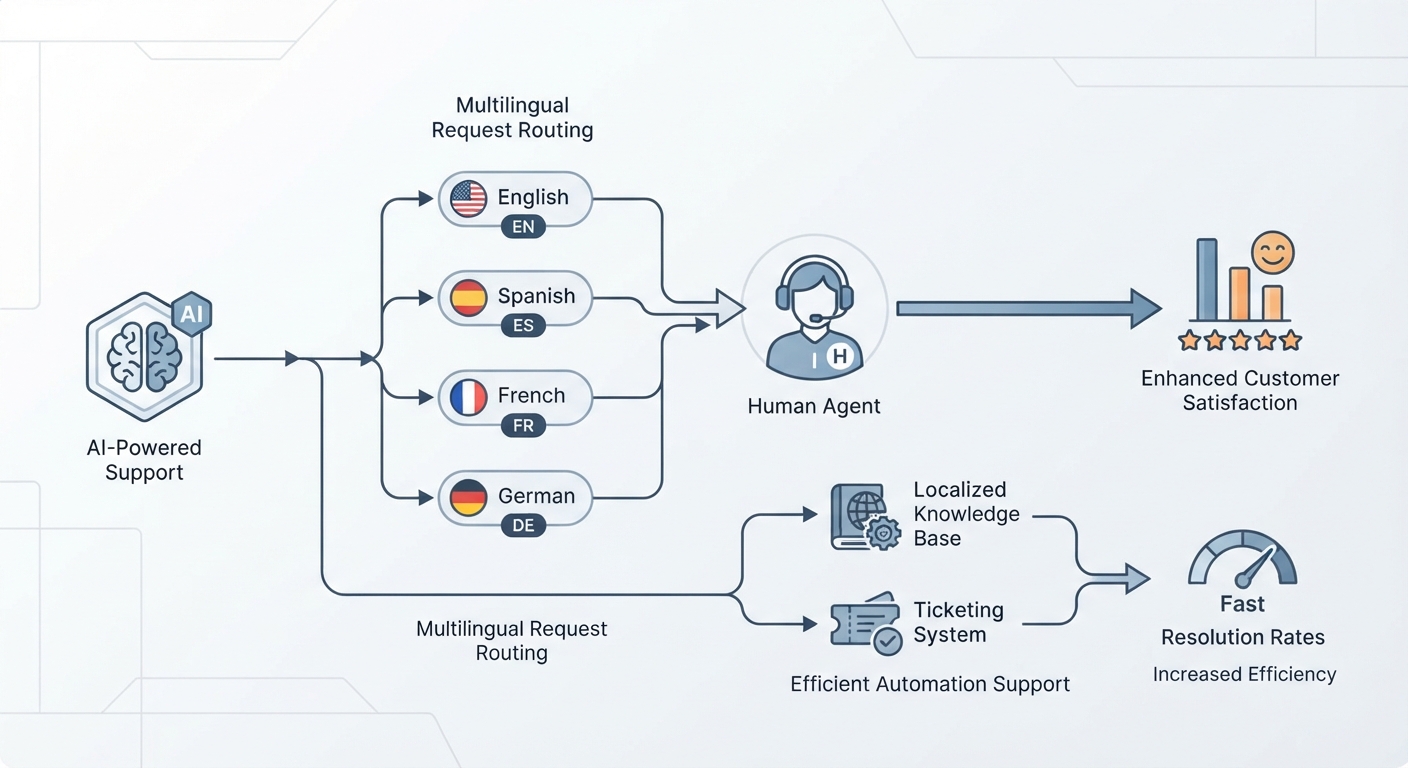
Honestly, you can't expect a human to be at the desk 24/7. But with tools like Voksha ai, you get automated answering that actually talks to people for like $14/mo. It’s way cheaper than losing even one booking. Beyond just missing calls, you also have to pay for the time they aren't working but are still on the payroll.
3. Benefits, PTO, and the 'Empty Desk' syndrome
It is kind of wild how we budget for a salary but totally forget that humans, well, need to live their lives. When your receptionist takes a week off for a beach trip or catches that flu going around the office, you aren't just paying for their pto—you are paying for the "empty desk" syndrome.
According to the U.S. Bureau of Labor Statistics (2023), employer costs for employee compensation averaged $43.11 per hour, with benefits accounting for about 31% of that total. That means for every hour they aren't there, you're still bleeding cash.
- The Healthcare Hike: Even for a small hvac shop, providing a decent plan can add $500+ a month per head.
- The Sick Day Scramble: When a dental hygeinist has to stop cleaning teeth to answer the phone because the front desk is out, your billable hours tank.
- Retirement Matching: Those 3% or 4% 401k matches feel small until you realize they apply even when the person is on vacation.

Honestly, an ai doesn't need a dental plan or a week in Maui. It stays at the desk 24/7 without asking for a raise or a "mental health day." This lack of physical presence also brings up the issue of the actual space a human requires to function.
4. Physical overhead and equipment
It's easy to forget that a human receptionist literally needs a place to sit, and in the world of commercial real estate, that "place" is expensive. You aren't just paying for a person; you're paying for the square footage of a lobby, a bulky mahogany desk, and the electricity to keep their dual-monitors running all day.
- The Real Estate Tax: In cities like New York or sf, a dedicated reception area can add $500–$1,000 to your monthly rent just for the space.
- Hardware Bloat: You gotta buy the voip phones, the $1,200 ergonomic chair, and the annual software licenses for their workstation.
- Hidden Maintenance: When the office printer breaks or the landline goes fuzzy, that's more billable hours for an it guy to come out and fix "desk stuff."

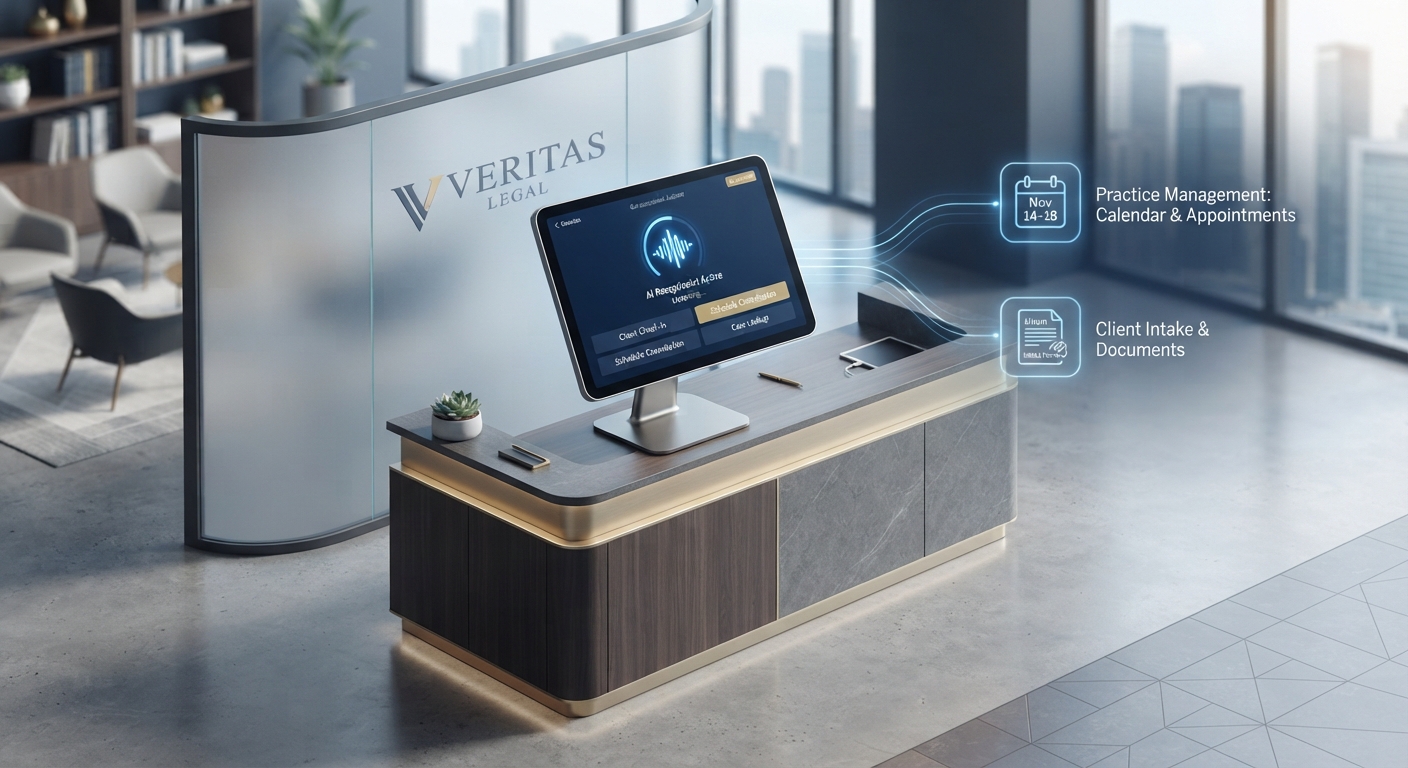
Honestly, switching to an ai setup is basically like deleting a whole room from your overhead. You just route calls through an api and suddenly that lobby space can be turned into another treatment room or a private office. Even if you have the space, you still have to deal with the inevitable mistakes that come with human data entry.
5. Human error in booking and lead capture
Ever had that sinking feeling when you realize a $5,000 lead vanished because someone wrote "gmial.com" instead of "gmail.com"? Humans are great at empathy, but we’re honestly kind of terrible at data entry when the phones are ringing off the hook.
When your receptionist is juggling a crying toddler in the lobby and a second line ringing, details slip. A 2023 report from Experian found that 88% of companies see their bottom line take a hit because of inaccurate data.
- The Dental Double-Book: A typo in a patient's phone number means your appointment no-show reduction strategies—like those automated texts—never actually reach them.
- Law Firm Lead Leak: If a "personal injury" lead is tagged as "general inquiry" in the crm, it might sit for days while the caller hires the guy across the street.
- HVAC Routing Mess: Using intelligent call forwarding only works if the human actually hits the right button; otherwise, your emergency tech is sleeping while a basement floods.

Honestly, even the best staffer has "off" days. But an ai doesn't get "fatigued" or forget to ask how they heard about you. This leads us to a massive time-waster that most people ignore: the sheer volume of junk calls that eat up your staff's day.
6. The "Spam Tax": Managing robocalls and junk
If your receptionist spends two hours a day filtering out "extended warranty" robocalls and sales pitches for office supplies, you are literally paying them to be a human spam filter. This is a huge hidden cost because it distracts them from actual customers.
- Productivity Killers: Every time the phone rings, it takes a human about 20 minutes to get back into a "deep work" flow. If half those calls are spam, your team is never actually focused.
- The Frustration Factor: Dealing with aggressive telemarketers all day burns people out fast, leading back to that turnover problem we talked about earlier.
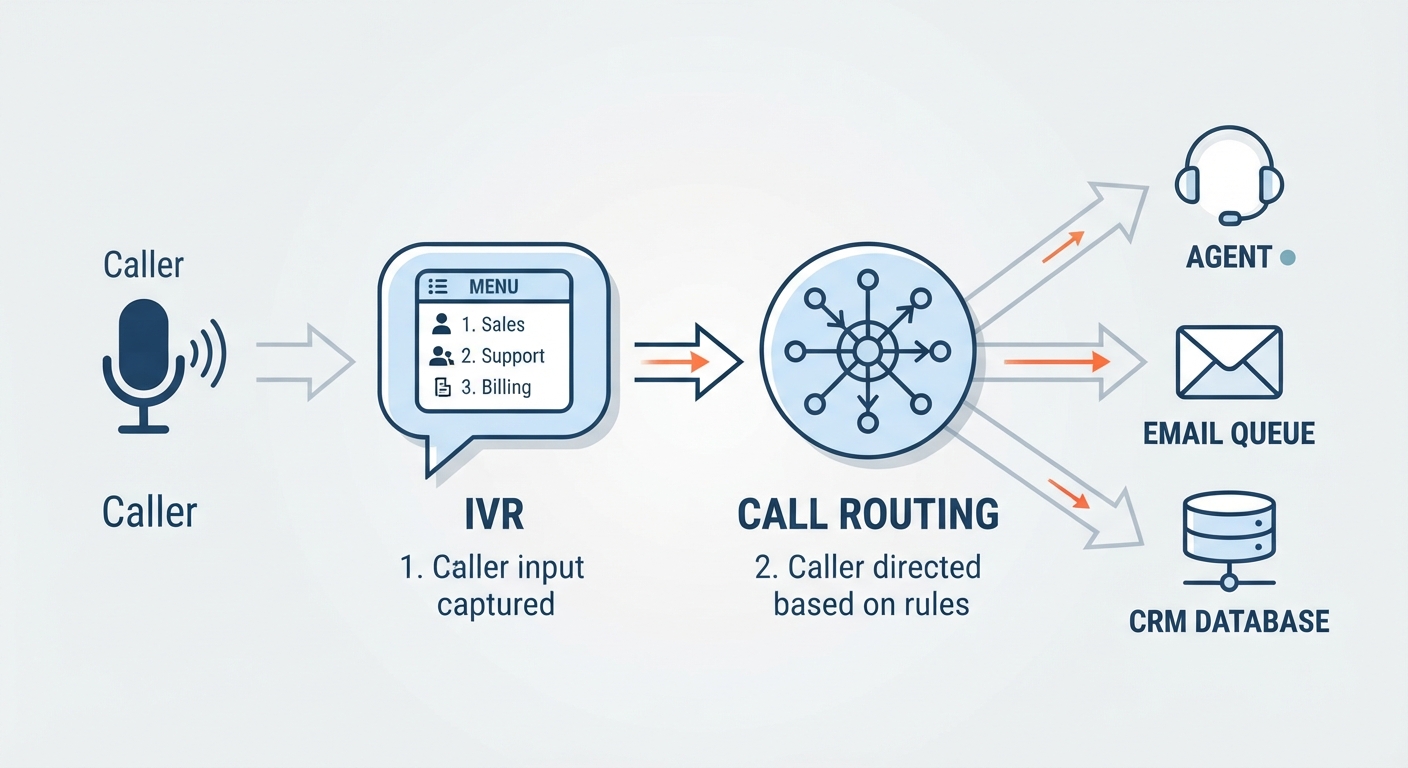
- AI Filtering: An ai can screen these calls in milliseconds, only passing through the real humans who actually want to spend money with you.
7. Scalability: The "One-at-a-Time" limit
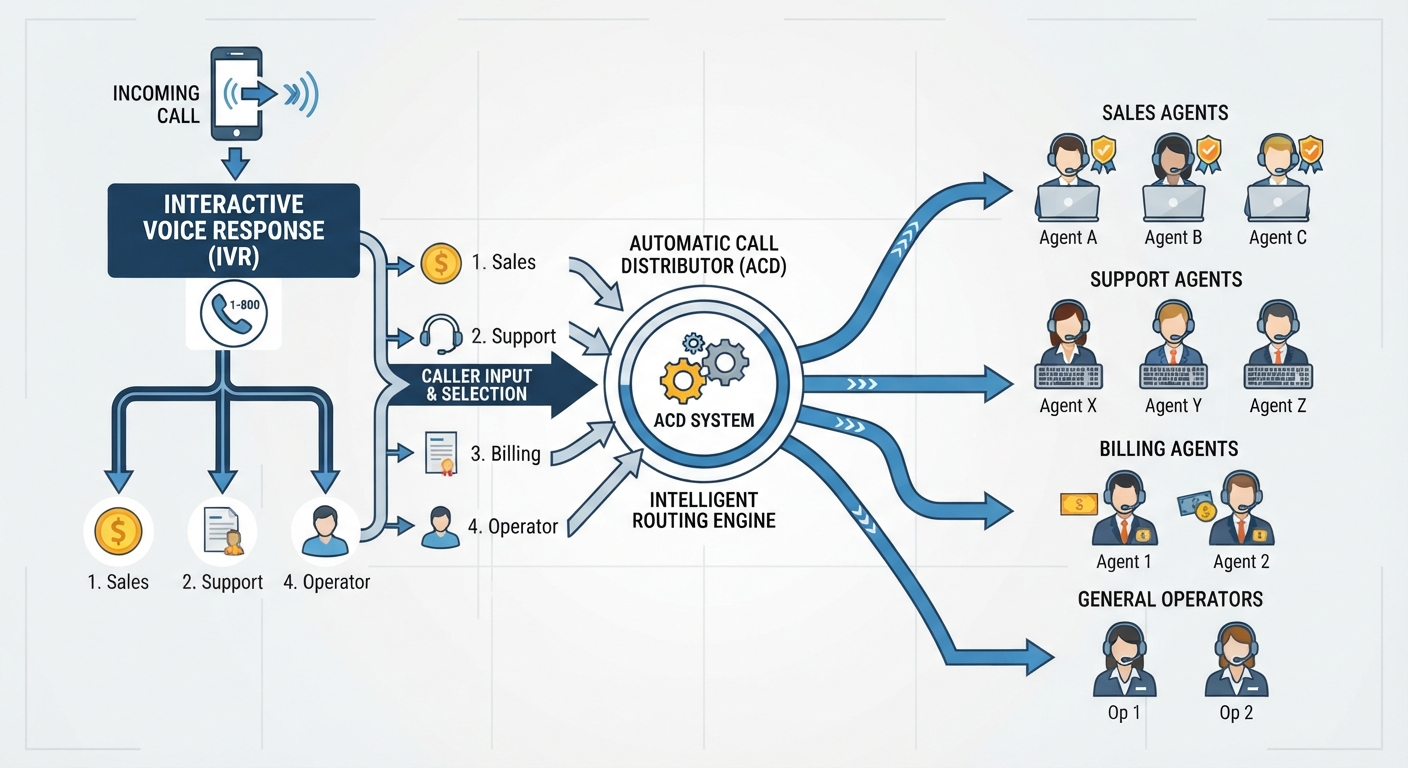
A human receptionist can only talk to one person at a time. If three people call your law firm at 10:00 AM on a Monday, two of them are going to voicemail or getting a busy signal. To fix this with humans, you have to hire a second or third person, which doubles or triples all the costs we just listed.
- Peak Hour Bottlenecks: Most businesses have "rush hours" where everyone calls at once. A human desk fails exactly when you need it most.
- Infinite Lines: An ai system can handle 10, 50, or 100 calls simultaneously without breaking a sweat or needing a bigger office.
- Cost Efficiency: You don't pay more for the "second" line with ai, whereas a second human costs another $40k+ a year.
8. Comparing the math: AI vs. Traditional Answering
So, when you actually sit down with a calculator, the gap between a traditional answering service and ai is honestly kind of shocking. Most folks think they’re saving money with a service that charges "per minute," but those costs spiral the second you get a busy week or a few long-winded callers.
Traditional services are basically middle-men. You’re paying for a human's time, and in the near future, labor isn't getting any cheaper. According to a report by Clutch, most answering services charge between $1.00 and $3.00 per minute. If your law firm or dental office gets just 20 minutes of calls a day, you’re looking at $600+ a month—and that’s for a "budget" option that usually has long hold times.
- The Minute Trap: Answering services bill for hold time and transfers. ai doesn't.
- Reliability: Virtual receptionists can get overwhelmed during peak hours, leading to dropped calls.
- ROI: With ai, your "cost per lead" drops because the monthly fee is flat, no matter if you get 10 calls or 1,000.

Honestly, for a small business, the choice is pretty clear. You can keep paying for "minutes" or just plug in an ai and forget about the bill. It’s all about protecting your margins and making sure you don't go broke just trying to answer the phone.