5 Real Examples of Small Businesses That Doubled Revenue With AI Receptionists
TL;DR
- This article explores how five diverse small businesses stopped losing money to missed calls by implementing ai voice technology. We cover real-world revenue growth, a direct cost comparison between human staff and automation, and a step-by-step guide for setting up your own digital front desk to book more appointments and capture every lead.
The hidden cost of missed calls in 2026
Ever wonder why your phone stops ringing right when you need the business most? It's usually because people hate talking to machines, but they hate waiting even more. By 2026, having an ai answer your phone won't just be a "cool feature"—it’s gonna be the industry standard. If you aren't picking up instantly by then, customers will just assume you're out of business.
If you're running a law firm or a plumbing shop, a missed call isn't just a "ping"—it is a lost paycheck. Most folks won't even leave a message anymore. They just hang up and call the next person on Google.
According to a study by InsideSales, you are 100x more likely to reach a lead if you respond within 5 minutes versus waiting 30. For most small teams, that speed is impossible without some help. This is where Voksha comes in—it’s a specific ai receptionist software designed to handle these calls so you don't have to.
- The First to Answer Wins: In home services, the first person to pick up the phone usually gets the job. If you're under a sink or in court, you lose.
- Voicemail Ghosting: About 80% of callers won't leave a message if they hit a machine. (AI Phone Answering vs. Voicemail: Why 80% of Callers Hang Up) They just vanish.
- The "After Hours" Leak: Most high-value leads browse at night. If you don't answer at 9 PM, your competitor will.

I've seen dental clinics lose $2k in a single weekend just because their "full" voicemail box turned away three emergency implants. It's painful to watch.
Anyway, let's look at how some shops are actually fixing this without hiring three more people.
Case Study 1: The Boutique Law Firm that captured 60% more leads
Most lawyers I know are terrified of missing a call because, honestly, that "ding" is usually a five-figure personal injury case. But you can't exactly take a deposition and answer the phone at the same time.
One boutique firm I worked with was losing nearly half their leads because they just couldn't pick up fast enough during lunch or after 6 PM. (40% of leads lost after 6pm: Boost evening response - LinkedIn) They didn't want a "press 1 for sales" menu because it feels cheap. Instead, they plugged in an ai receptionist that sounds like a real person.
The results were kind of wild. By using an ai to qualify leads—asking "were you injured?" or "is there a police report?"—they filtered out the junk and sent the gold straight to their attorneys.
- After-Hours Goldmine: Most people search for lawyers after work. The ai handled these 9 PM calls, booked consultations, and stopped leads from calling the firm down the street.
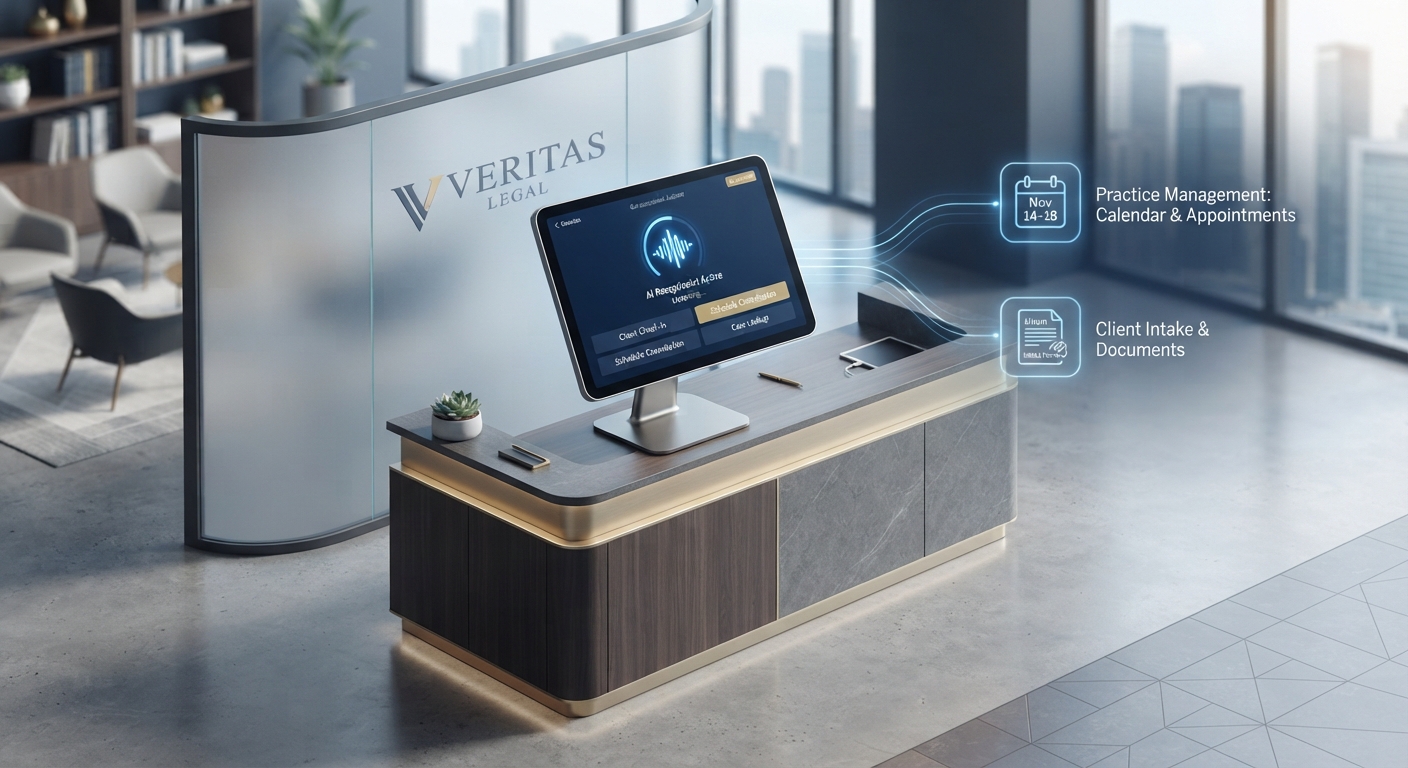
- Clio Integration: They synced the ai with their CRMs, like Clio, so the lead data appeared instantly without anyone typing a single word.
- Instant Qualification: While many think price is king, a report by Clio actually shows that 79% of clients expect a response within 24 hours, and responsiveness is often the deciding factor. The ai made them "always" responsive.

"We stopped paying for a $3k/month answering service that kept messing up names, and the ai actually captures more detail anyway."
It's not just about lawyers, though. Wait until you see how a local salon stopped their "no-show" nightmare.
Case Study 2: How a local Salon killed no-shows and filled their chairs
Running a salon is basically like playing a high-stakes game of Tetris with people's hair. If someone forgets their 2 PM balayage, you aren't just losing a tip—you’re stuck with an empty chair and a stylist who’s getting paid to scroll on their phone.
I talked to a shop owner recently who was losing about four appointments a week to simple forgetfulness. That’s nearly $600 down the drain every seven days just because human beings are, well, flaky.
The fix wasn't hiring a second receptionist (who would cost $3k a month anyway). They just set up an ai to handle the grunt work. Now, when a client calls at midnight to move their Tuesday cut, the ai just does it.
- 24/7 booking without human intervention: Most people get the urge to book hair appointments after a glass of wine at 10 PM. The ai handles these "after-hours" calls and slots them directly into the calendar.
- Automated text follow-ups: Instead of a boring email, the ai sends a casual text asking for a "Y" to confirm. If they say no, it immediately offers the spot to the waitlist.
- Handling the "How much?" calls: The ai is trained on the service menu, so it can explain the difference between a partial and full highlight without bothering the busy stylists.
According to a report by Phorest, salons using automated reminders see a 70% drop in no-shows. It turns out, people just need a nudge that doesn't feel like a robot is yelling at them.

It’s honestly a no-brainer for any service biz where time is literally money. Next, let’s look at how dental offices are using this same tech to stop their phones from ringing off the hook.
Case Study 3: Dental Offices and the "Emergency" Call
Dental offices are unique because a missed call isn't just a missed cleaning—it's often someone in a lot of pain. I saw one clinic in Chicago that was drowning in calls for basic stuff like "where are you located?" while actual emergencies were going to voicemail.
They implemented Voksha to act as a triage. The ai answers, asks if the patient is in pain, and if it's a true emergency, it routes the call to the office manager's cell immediately. If it's just a routine checkup, the ai books it into their practice management software. They saw a 25% increase in high-value emergency procedures in the first month because they finally stopped missing those "my tooth just broke" calls at 7 AM.
AI Receptionist cost vs hiring receptionist: The real math
Let's be real for a second—hiring a person to sit at a desk and answer phones is getting crazy expensive. Between the salary, taxes, and the "oops I'm sick" days, you're looking at a massive bill every month just to keep your phone from ringing into the void.
When you look at the math, a human receptionist usually costs around $35,000 a year plus benefits, which is a lot for a small dental clinic or hvac shop. On the other hand, an ai receptionist like Voksha is basically a monthly subscription that costs less than a fancy espresso machine.
The old-school answering services are struggling right now. According to a 2024 report by Clutch, labor shortages are driving up the costs of live answering services by nearly 15% year-over-year. They pass those costs to you, and usually, the quality drops because they're understaffed.
- Voksha setup is a breeze: You can literally get it running for a real estate or dental office in about 5 minutes. No interviewing, no training, no drama.
- hipaa compliance: For medical clinics, this is huge. Voksha handles patient data securely, which is way better than some random call center worker scribbling notes on a post-it.
- Zero downtime: Unlike humans, the ai doesn't need a lunch break or sleep. It handles 10 calls at once without breaking a sweat.

Honestly, the roi is just hard to argue with. If an ai captures just one extra "emergency" root canal or a big hvac install per month, it’s already paid for itself ten times over.
Beyond the money, there's the mental health aspect. Doctors and business owners are finally getting some peace and quiet because they aren't tethered to their phones 24/7. Knowing the ai has the "front lines" covered means you can actually eat dinner without checking your notifications every two minutes.
Step-by-step guide: How to set up ai receptionist small business
Setting up an ai receptionist isn't nearly as scary as it sounds, honestly. You don't need a computer science degree—just a clear idea of how you want your business to sound when you aren't there to pick up.
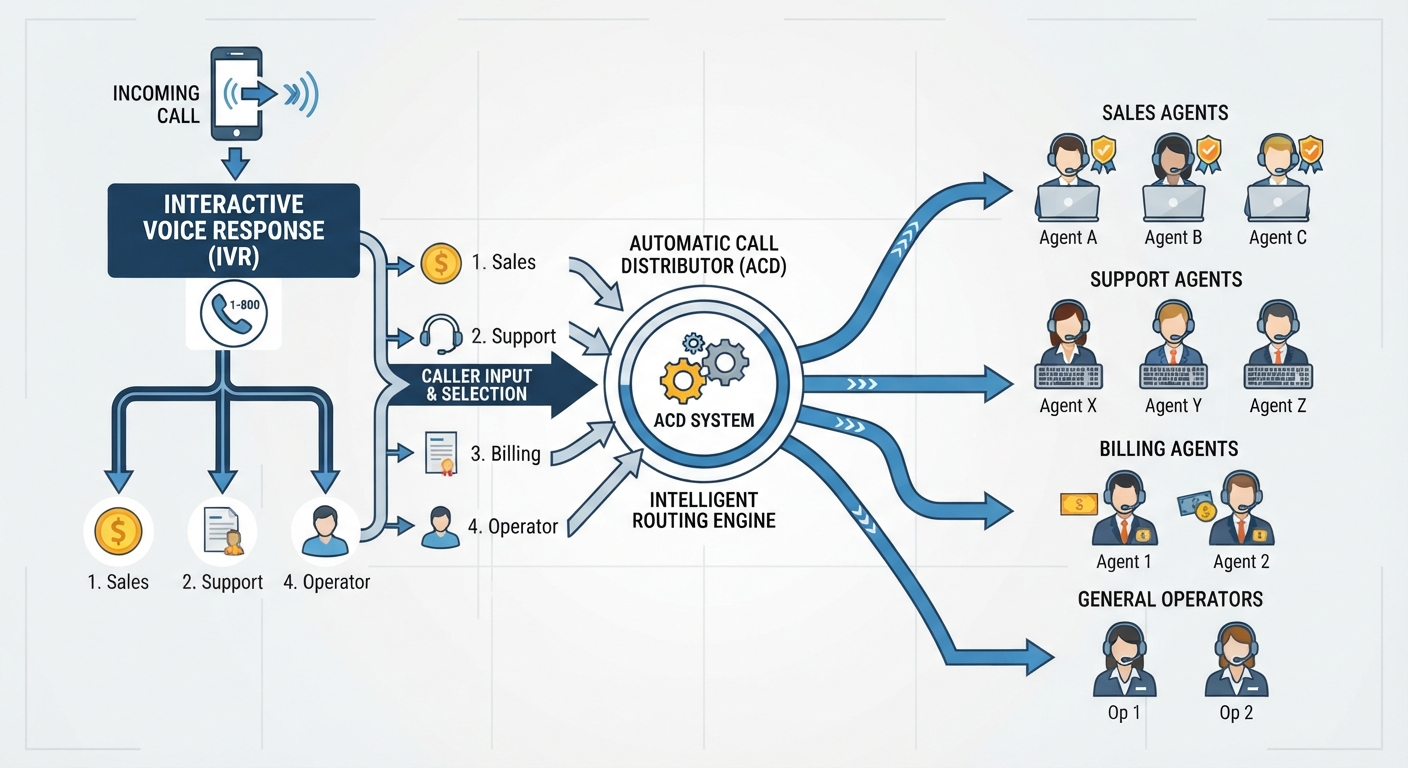
Step 1: Connect your phone line. Most people just forward their existing business number to the new ai number provided by the platform. You can do a "conditional forward" so it only rings the ai if you don't pick up within two rings, or just send everything there after hours.
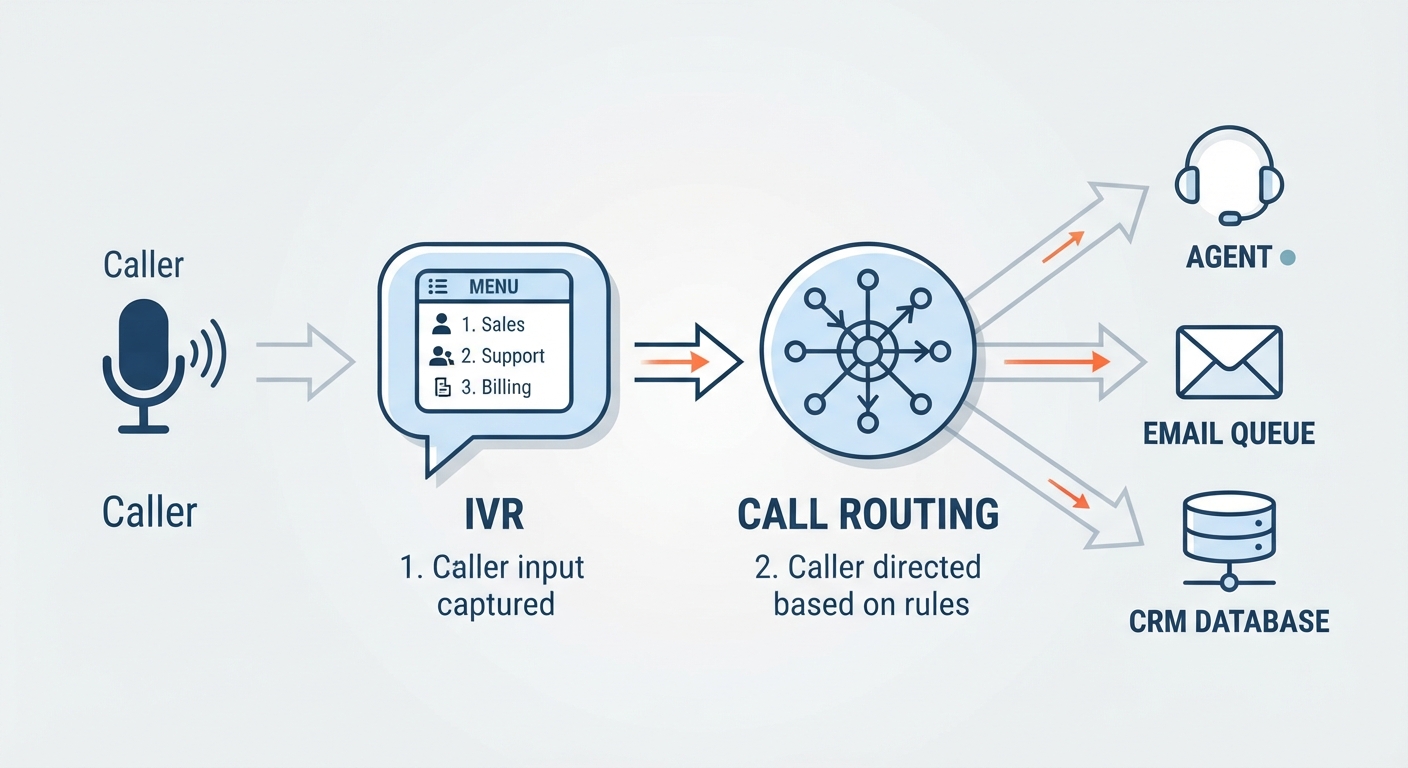
Step 2: Map the flow. First, you gotta map out where calls actually go. If a patient calls your dental office with a toothache, does the ai book them immediately or send them to an emergency line? I usually tell people to grab a napkin and draw arrows for the "big three": booking, basic questions, and "get me a human now."
- Write like you talk: When you're making your scripts, avoid that robot "Press 1" vibe. Use phrases your team actually uses, like "Hey, thanks for calling [Business Name], how can I help you today?"
- Connect your tools: Most ai systems plug right into things like Google Calendar or your CRM. If you use something like Zocdoc for your medical practice, make sure the api can talk to each other so double-bookings don't happen.
- Test it yourself: Call your own line from your cell. If the ai sounds weird or cuts you off, tweak the settings before your customers hear it.

Once your routing is solid, you can finally stop worrying about that "missed call" notification. Next, we’ll wrap things up with how to keep this whole thing running smooth long-term.
Final verdict on the ai phone system ROI
So, is swapping to an ai phone system actually worth the headache? Honestly, after seeing the numbers, it’s less of a "tech trend" and more of a survival move for small shops.
Whether you're a plumber or a cpa, the math usually points to a massive roi. As mentioned earlier, the cost of a single missed lead often dwarfs the monthly price of the software.
- Healthcare & Dental: Stops the "phone tag" game for appointments.
- Home Services: Captures emergency calls while you’re on a ladder.
- Professional Services: Filters out tire-kickers so you only talk to real clients.
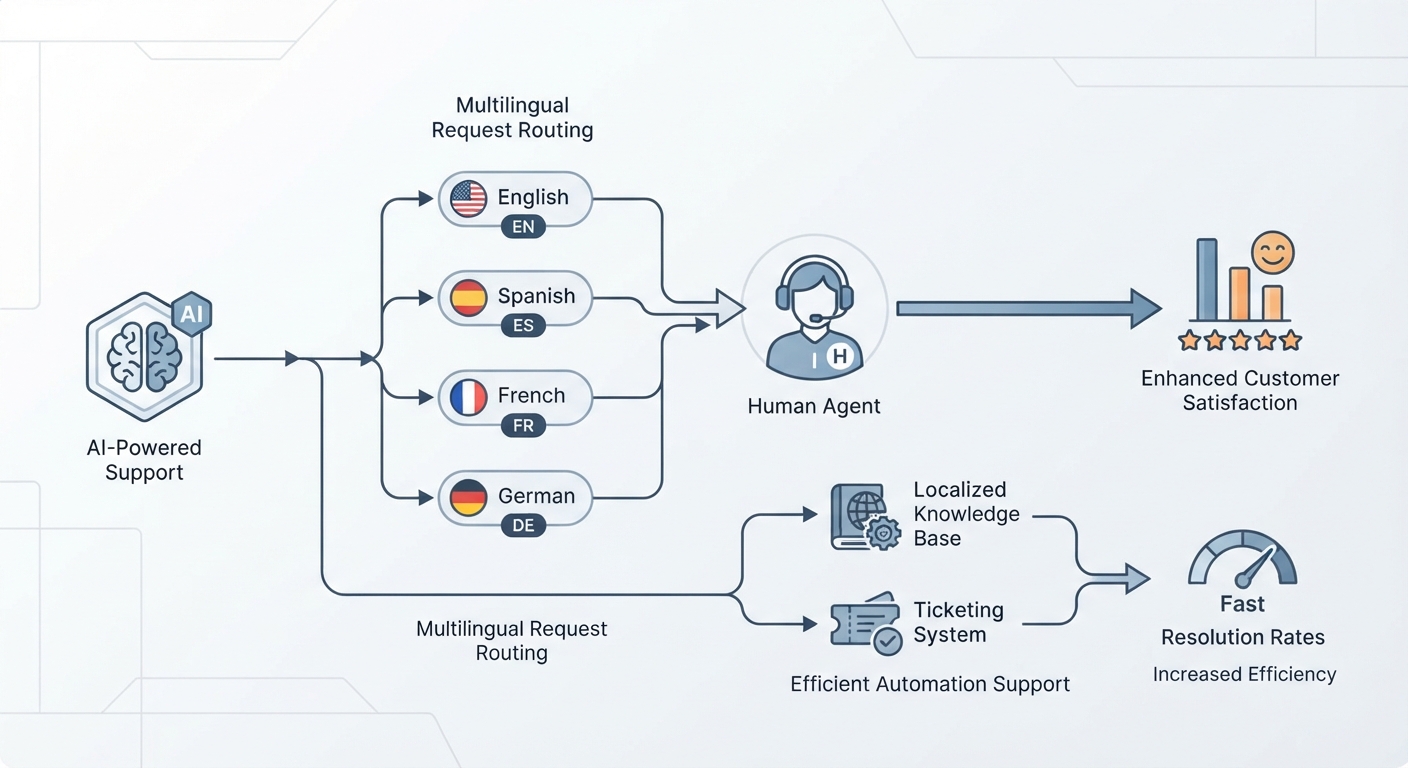
A 2024 report by Gartner suggests that by 2026, 80% of customer service interactions will involve some form of ai to improve efficiency. It's just where things are going.

If you can flip that chart—moving from spending 75% of your time on admin to spending 75% of your day actually doing the work you're paid for—the system pays for itself by Tuesday. Just start small, test your scripts, and watch the missed call notifications disappear. Anyway, hope this helps you decide!