5 Automation Mistakes Small Businesses Make With Phone Systems
TL;DR
- This article covers the biggest traps small businesses fall into when trying to automate their calls and how to avoid them. We look at the real cost of hiring a receptionist versus using ai, why your current voicemail is killing leads, and the right way to setup an automated system that actually books appointments. You'll learn how to stop missing calls in your salon or law firm without losing that human touch.
The trap of automating a broken process
Ever wonder why some businesses spend a fortune on fancy ai phone systems only to have customers still leave angry voicemails? It's usually because they're trying to automate a process that was already a mess.
If your current way of handling calls is chaotic, adding a bot just makes the chaos happen faster. You can't fix a leaky bucket by pouring water in with a high-tech hose.
Before you even look at software, you gotta map out exactly how a call moves through your office. In a law firm, does a new lead go to a paralegal or a voicemail? If you're a salon owner, do you let the phone ring while you're finishing a blowout? According to Roketto, about 70 to 80 percent of digital transformation projects fail to hit their ROI goals, often because they automate "broken" processes or lack technical integration.
- Map the flow: Write down every step from the first ring to the final appointment.
- Find the drop-off: Look for where people actually hang up—is it the long hold music or a confusing menu?
- Standardize intake: Decide on the 3-5 questions every caller must answer before a machine touches the call.

I've seen dental offices try to use ai to handle "emergency" calls without defining what an emergency actually is. The result? The bot booked a routine cleaning in an emergency slot, and the doctor was furious. Clean up the rules first, then let the tech take over.
Next, we’re gonna look at the "total cost of ownership" and why comparing a human salary to a cheap software subscription is a massive trap for your budget.
Underestimating the real cost of human vs ai receptionists
Most small business owners look at the average salary for a receptionist—which is actually closer to $35,000 or $37,000 according to recent labor data—and think, "I can't afford that," but then they go and buy a basic answering service without realizing the hidden leak in their bank account. It's not just the paycheck—it's the stuff that doesn't show up on a job offer.
When you hire a human, you're paying for way more than just forty hours a week. You gotta factor in:
- The "Invisible" Costs: Desk space, high-end phone hardware, health benefits, and those payroll taxes that sneak up on you every quarter.
- The Training Drain: Every time someone leaves, you’re spending weeks of your own time (which is worth a lot!) teaching a new person how to use your specific scheduling software.
- The 24/7 Gap: Most humans want to sleep. If a lead calls your law firm at 8 PM on a Tuesday, a standard receptionist isn't there, and a traditional answering service might just take a messy note.
- The Sick Day Factor: When your front desk person catches the flu, who answers the phone? Usually, it's you, which means you aren't doing the work that actually makes money.
A 2024 report by S&P Global Market Intelligence noted that 42 percent of businesses have actually scrapped ai initiatives recently, often because they didn't plan for the full integration costs.
You can't just look at a $14/mo subscription for an entry-level ai bot and assume it's "cheaper" without looking at the ROI of recovered calls. These cheap tools often fail to actually book appointments or sync with your calendar, meaning you're still losing money. If a salon misses three color appointments a week because the phone was busy, that's literally thousands in lost revenue. (How much revenue are you losing to missed phone calls ... - Reddit)

I've seen dental offices save a fortune by letting an ai handle the "is my crown supposed to feel loose?" calls after hours, while keeping their human rockstar for the complex insurance battles. It's about putting your money where the most value is created.
Choosing the wrong tools for your specific industry
Choosing a generic phone system when you have a specialized business is a recipe for frustrated customers and wasted cash. You gotta pick tech that actually understands your day-to-day "language" and rules. It’s like buying a tractor to mow a tiny suburban lawn; sure, it’s powerful, but it’s the wrong tool for the job.
If you’re running a dental clinic, your biggest headache isn't just answering the phone—it’s staying legal. You can't just have a bot shouting patient names and procedure details over an unencrypted line. You need something that’s hipaa compliant from the ground up. (HIPAA-by-Design: Building a Compliant Cloud from the Ground Up)
Law firms, on the other hand, usually care way more about lead qualification. If a personal injury lawyer gets a call about a dog bite, they need to know immediately if it’s a case worth taking before a human even picks up. A basic "press 1 for sales" menu won't cut it here.
- Healthcare: Needs secure, encrypted messaging and direct integration with practice management software like Dentrix or Eaglesoft.
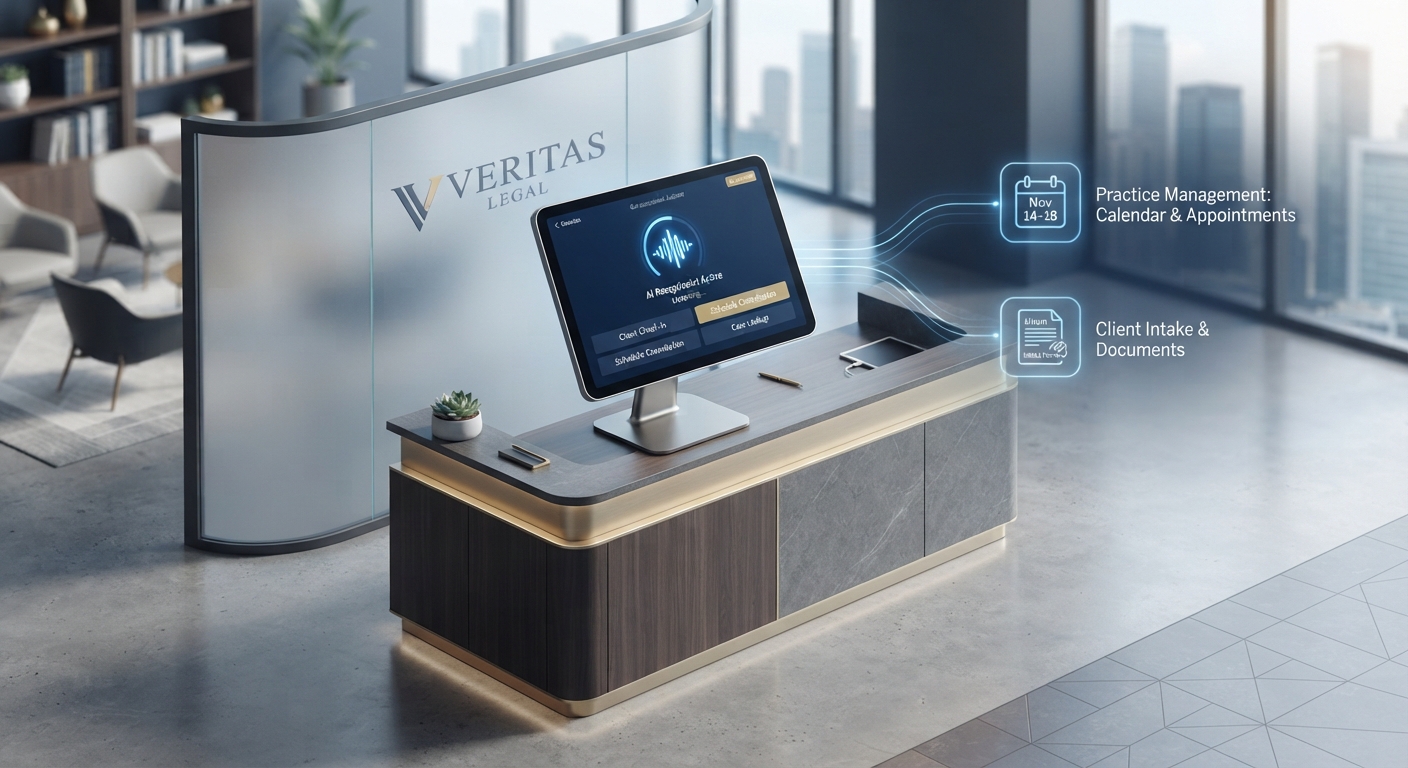
- Legal: Needs ai that can ask specific intake questions (e.g., "When did the accident happen?") and sort high-value leads from tire-kickers.
- Salons/Spas: Needs heavy focus on reducing no-shows. The tool should automatically send text reminders and let people reschedule without calling back.

As mentioned in the first section regarding process mapping, picking tools without a plan leads to system bloat. If your ai doesn't "speak" to your CRM, you’re just creating more manual data entry for your tired staff.
Honestly, it's better to stay manual for another month than to rush into a contract with a tool that doesn't fit your specific workflow. Next, we’re gonna talk about the human experience and why your bot shouldn't sound like a toaster.
Ignoring the human experience and 'The Robot' feel
You ever call a business and immediately get hit with a voice that sounds like a 1980s microwave? It’s the worst. If your automation sounds like a soulless machine, people are gonna hang up before they even hear your name, and that’s just burning money.
The goal isn't just to "answer" the phone—it's to make the person on the other end feel like they're actually being helped. When you ignore the human side, you end up with high drop-off rates because nobody likes talking to a wall.
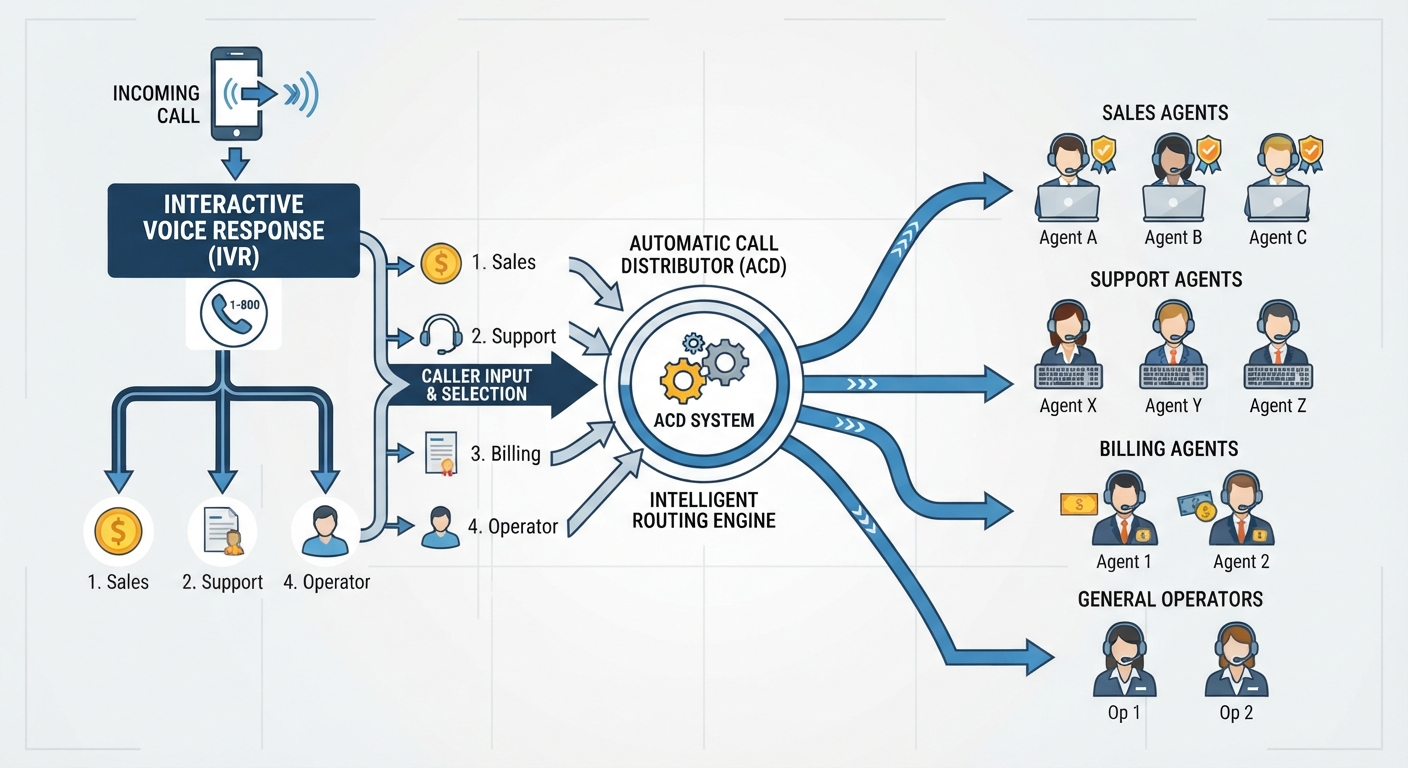
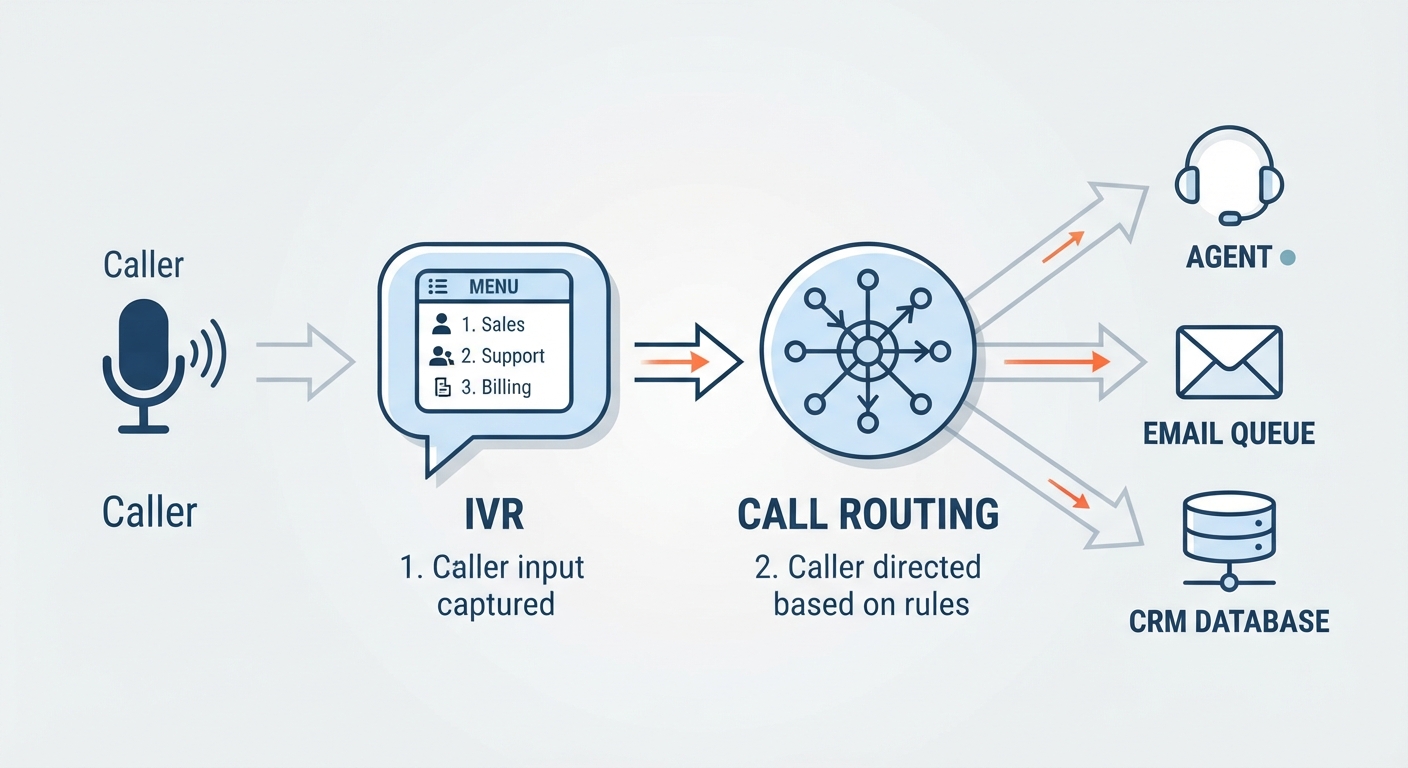
Stop using those "Press 1 for Sales" menus from 1998. They're clunky and they drive people crazy. Modern ai uses natural language processing (nlp) so callers can just say what they need.
- Ditch the scripts: Let the ai handle "messy" speech. If a customer says, "Uhh, I need to move my hair appointment because my kids are sick," the system should get it without making them restart.
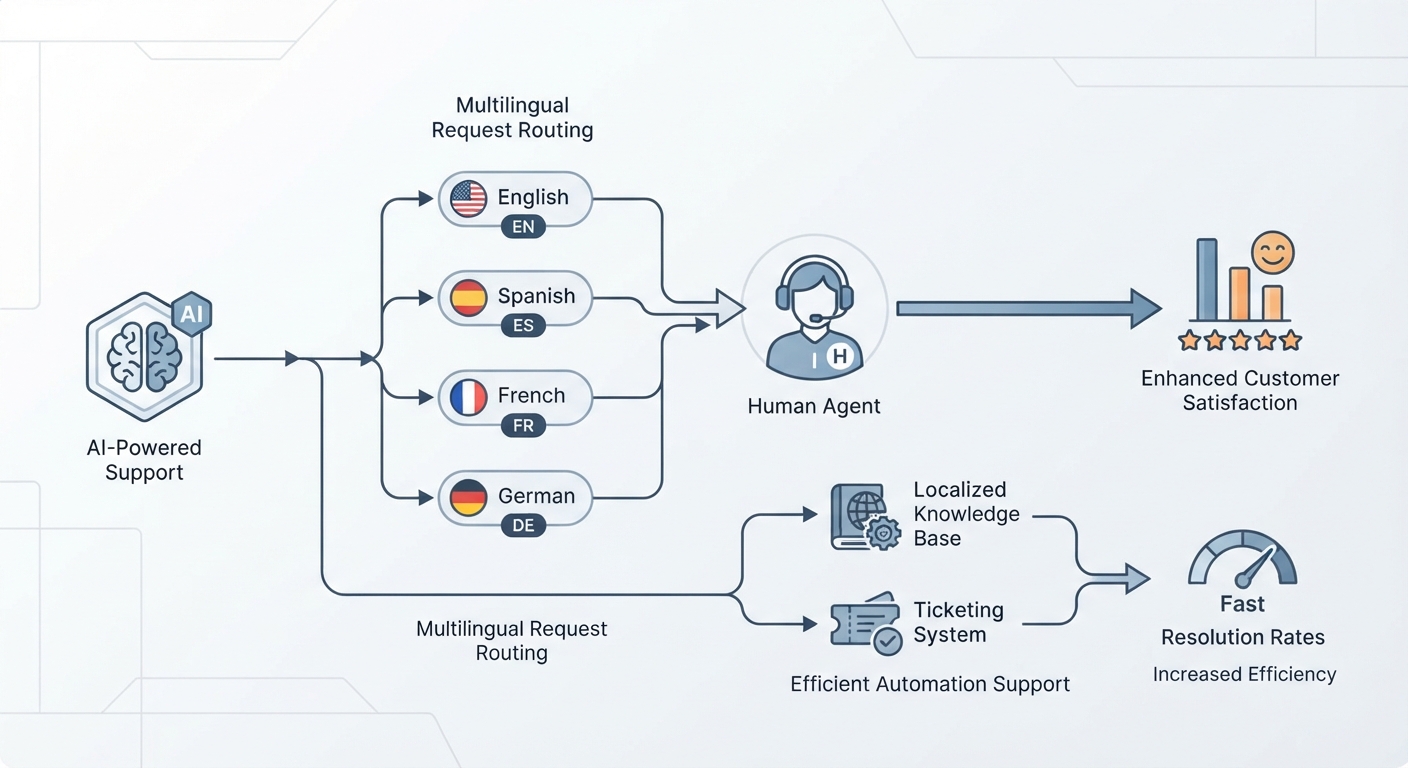
- Intelligent routing: Don't just dump everyone into one bucket. If a regular at your restaurant calls, the system should recognize the number and route them differently than a random solicitor.
- The "Escape Hatch": Always give them a way out. If the ai is struggling, it needs to hand the call to a human immediately so the customer doesn't feel trapped in a loop.

Voicemail is where leads go to die. Most people won't leave a message; they'll just call the next guy on Google. By using a system that actually interacts instead of just recording, you capture the lead right then.
Next, we’re gonna talk about the technical side—why failing to hook your bot up to your other software is a total dealbreaker.
Failing to integrate with your current crm or calendar
Imagine spending thousands on a fancy ai to answer your phones, only to realize your staff is still stuck manually typing every single note into your computer anyway. It’s a total productivity killer and, honestly, it’s one of the biggest reasons these projects fail to actually save anyone time.
If your phone system doesn't talk to your calendar or your crm, you're basically just paying for a digital middleman who takes messages. You want a system where a lead calls, the ai checks your real-time availability in a tool like Google Calendar or ServiceTitan, and then it just books the slot. No back-and-forth emails, no "let me call you back," just a done deal.
The real magic happens when the data flows both ways without you touching it. Here is why you need that integration:
- Kill the Manual Entry: If a law firm gets a new lead, that info should pop up in Salesforce or HubSpot instantly. If your paralegal has to copy-paste names and numbers from a call log, you're just asking for typos and lost files.
- Real-Time Scheduling: For a dentist or a salon, "checking the book" should be automatic. The ai needs to see that 2 PM on Tuesday is open and grab it before someone else does.
- Better Lead Tracking: You need to know which calls turned into actual cash. When your phone system is synced with your crm, you can see exactly which marketing ads are actually bringing in the callers who book.

As mentioned earlier, a huge chunk of digital transformations fail because of these "siloed" systems where nothing connects. While Section 1 talked about broken processes, this is the technical side of that failure—if the tools don't talk, the process stays broken.
I've seen hvac shops double their booking rate just by letting their ai book directly into their field service software. It stops the "phone tag" game that kills most deals.
The "Babysitting" Phase: Maintenance and Monitoring
The biggest mistake you can make is thinking ai is a "set it and forget it" solution. If you just launch a bot and never check the logs, you're gonna wake up one day to a bunch of angry customers and a bot that's been hallucinating your pricing for three weeks.
You gotta treat your ai like a new employee. You wouldn't hire a human and then never speak to them again, right? You need to monitor how it's doing and tweak the settings as you go.
- Review the transcripts: Spend 20 minutes a week reading through what the ai actually said. Is it getting stuck on a specific question? Is it being too pushy?
- Update your info: If your holiday hours change or you stop offering a certain service, you gotta tell the bot. An ai that promises a service you don't provide anymore is a fast way to lose trust.
- Check the "Hand-offs": Make sure the transition from bot to human is actually working. If the bot says "transferring you now" and the call just drops, you're losing money every single time.
In the end, automation isn't about replacing people—it's about giving your team their time back so they can do the work that actually requires a human brain. If you map your process, watch your costs, pick the right industry tools, keep it sounding human, and—most importantly—hook it up to your existing software, you're going to see a massive roi. Just don't rush the setup; a little extra time on the "boring" integration and maintenance stuff pays off big time later.