What Is an AI Receptionist? The Complete Guide for Small Businesses (2026)
TL;DR
- ✓ AI receptionists act as 24/7 digital partners that qualify leads and schedule appointments.
- ✓ These systems use advanced NLP to understand caller intent instead of robotic phone trees.
- ✓ Implementing AI offloads tier-one inquiries so your staff can focus on high-value tasks.
- ✓ Modern AI integrates directly with your CRM to resolve customer issues instantly.
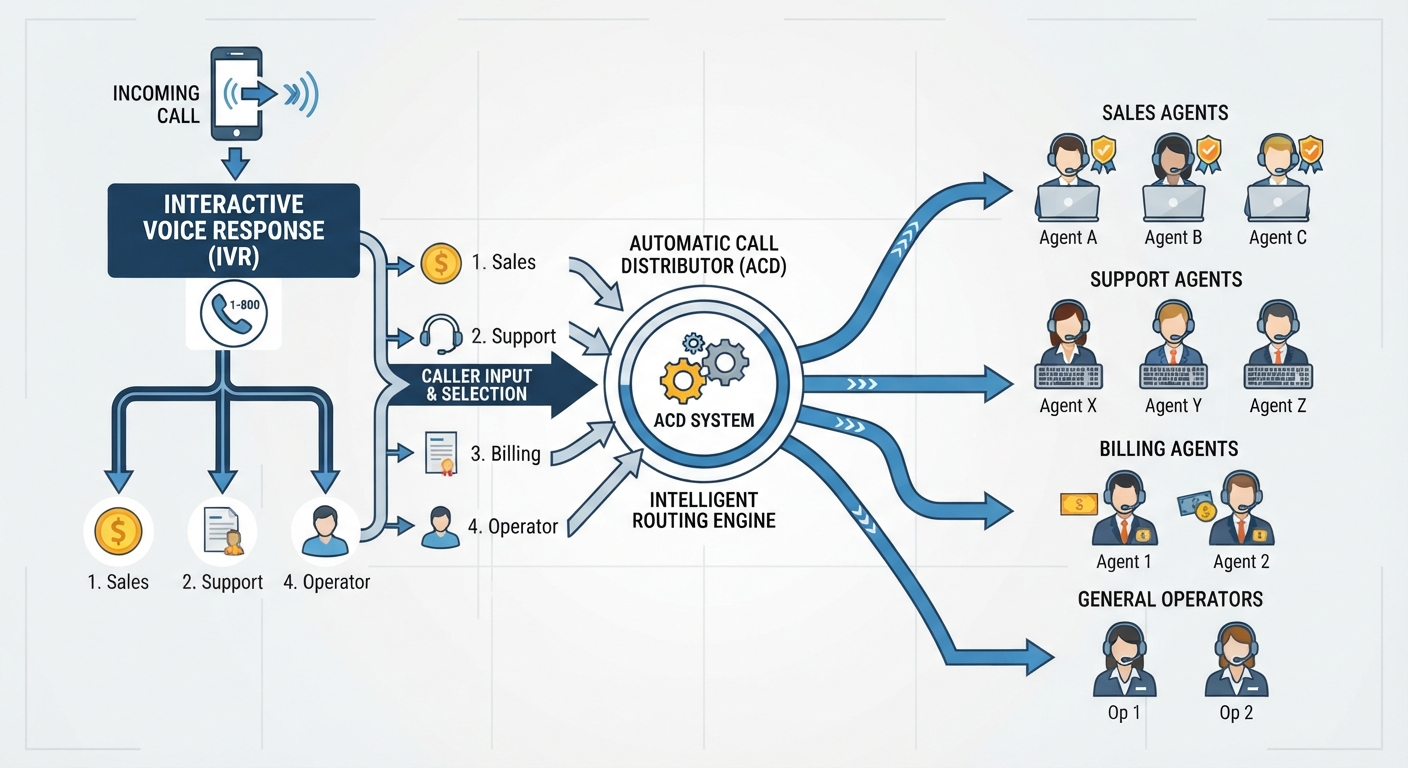
Forget the robotic, soul-crushing phone trees of the last decade. You know the ones—"Press 1 for Sales, Press 2 for a headache."
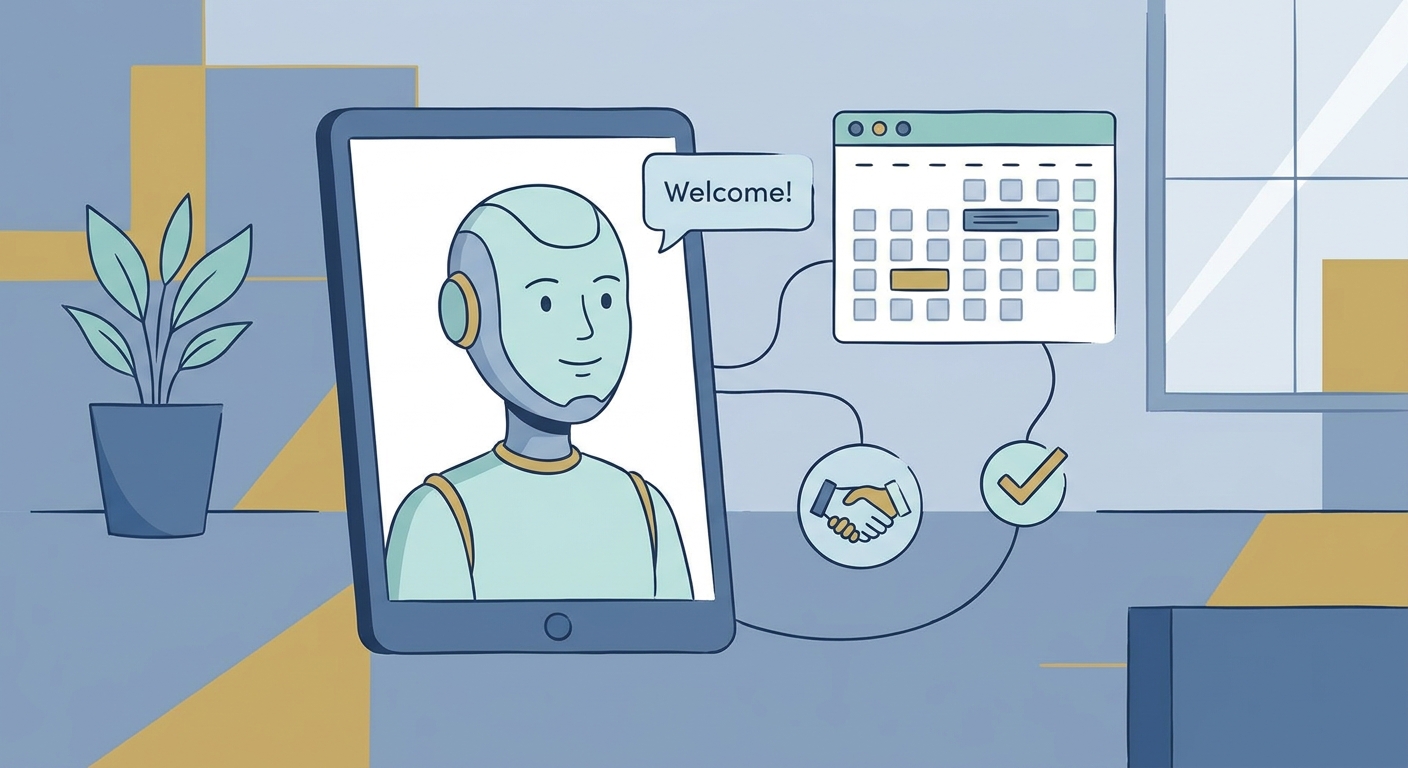
By 2026, the game has changed. An AI receptionist isn't just a fancy voicemail; it’s a voice-enabled digital partner that actually listens. It qualifies leads, schedules appointments, and handles your front desk without ever asking for a coffee break or a sick day. It’s a "Human-AI Hybrid" setup, meaning it sounds like a real person, understands context, and plugs directly into your business data to get real work done.
For a small business owner, this is a massive shift. You stop viewing customer service as a money-pit expense and start treating it like a 24/7 growth engine. As explored in The Future of Customer Experience, the companies that actually survive—and thrive—are the ones that kill friction at the first point of contact.
Why Your Business Needs an AI Receptionist Now
Let’s be honest: the era of the "Press 1" IVR is dead. Your customers are busy, impatient, and they expect immediate, human-like service at 2:00 AM just as much as they do at 2:00 PM.
In 2026, using AI for your front-of-house isn't "innovative"—it's table stakes. According to AI Adoption Stats 2026, most small-to-mid-sized shops are already offloading tier-one inquiries to automated agents. This lets your human staff stop playing secretary and start doing the high-value, strategic work that actually pays the bills.
When you bring an AI receptionist on board, you aren't just replacing a desk phone. You’re hiring a tireless employee who is always on, always polite, and always ready to turn a curious caller into a paying client.
How It Works: Under the Hood
The magic here isn't just "speech-to-text." It’s the marriage of Large Language Models (LLMs) and advanced Natural Language Processing (NLP). As detailed in this guide on Natural Language Processing, these systems don’t just hunt for keywords. They understand the intent behind the words.
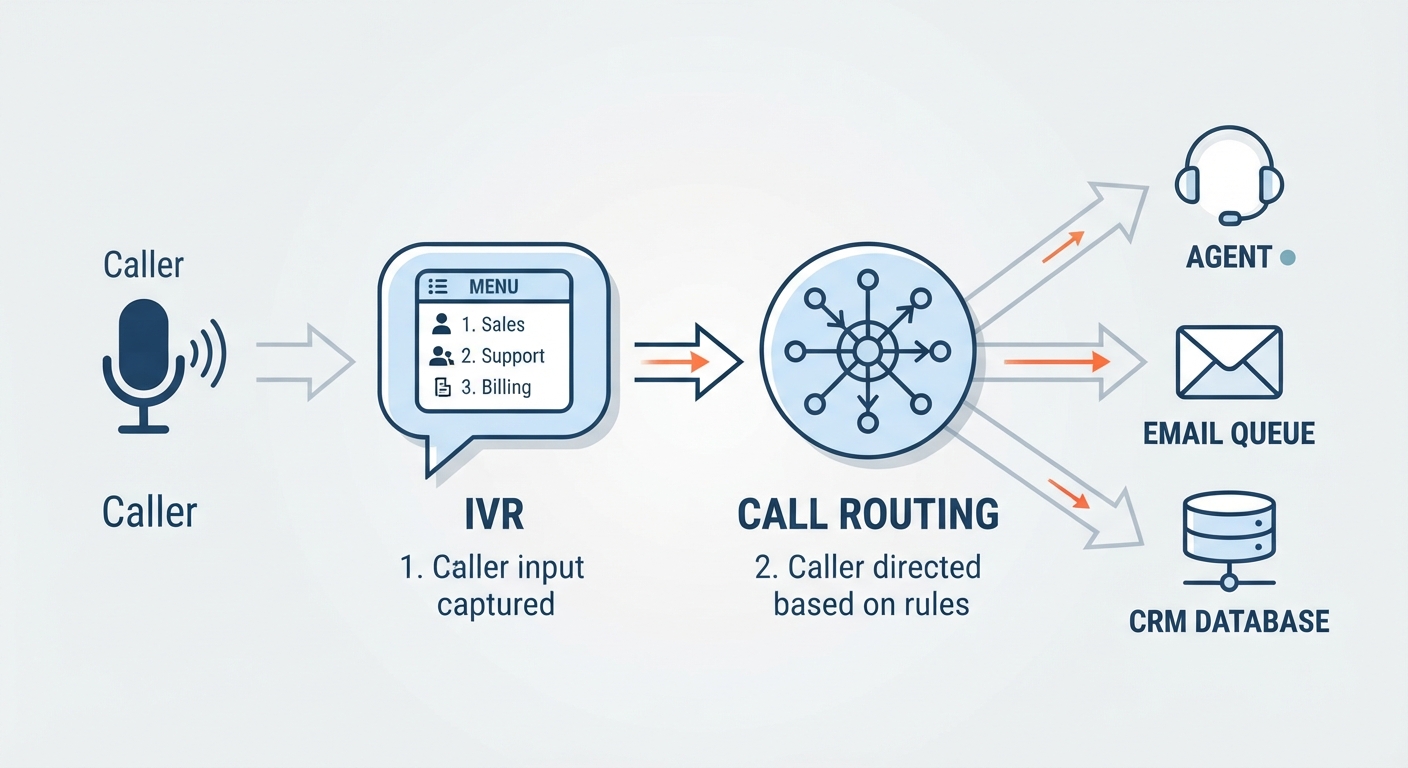
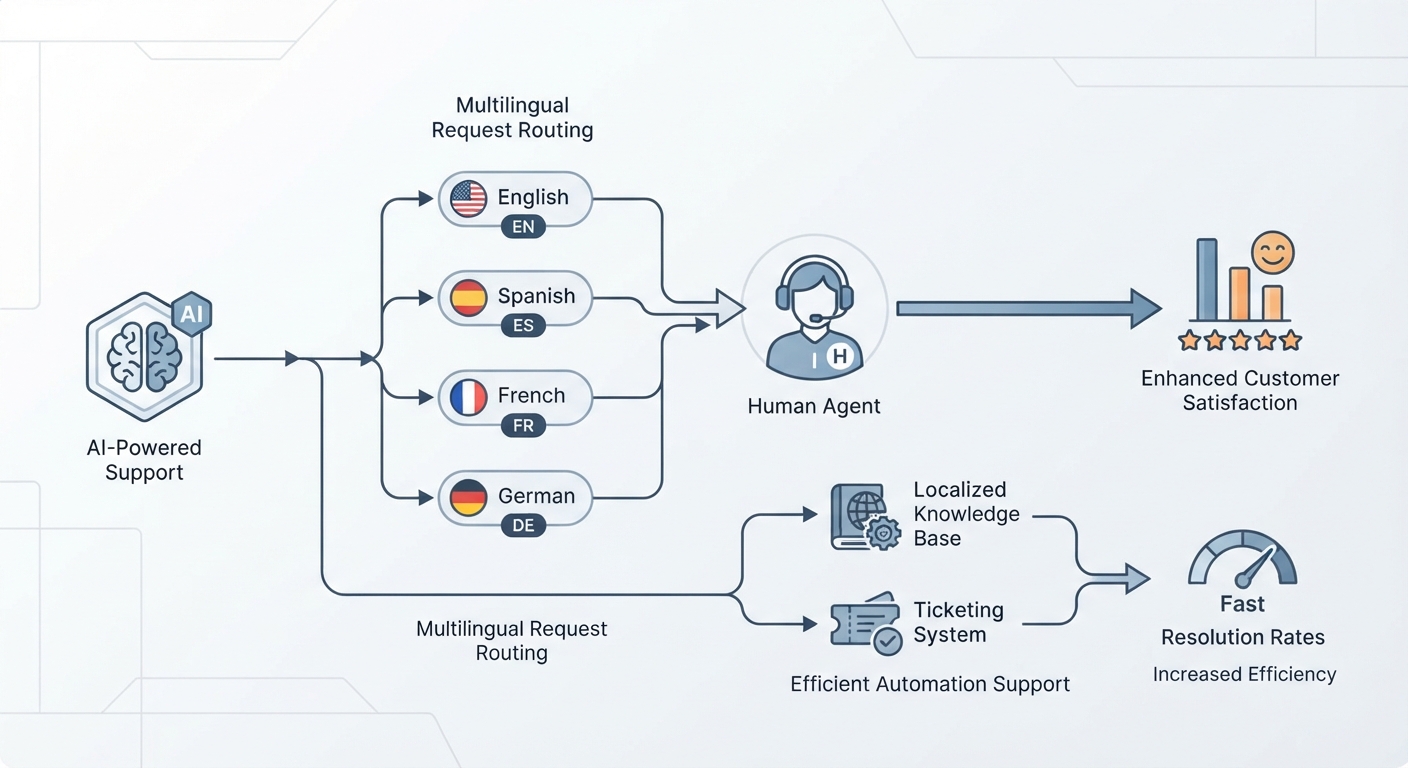
When someone calls, the AI hears them, figures out what they need, checks your business rules, and interacts with your backend systems to solve the problem on the spot.
The Core Benefits: Reclaiming Your Time
Small business owners are professional plate-spinners. You’re doing everything. An AI receptionist is the ultimate tool for getting your life back.
1. The 24/7 Advantage
Your business doesn't sleep, even if you do. When a lead calls at 9:00 PM on a Tuesday, they don't want to leave a voicemail into the void. They want answers. Your AI receptionist treats that midnight caller with the same professional urgency as a 10:00 AM client. No more missed connections. No more lost revenue.
2. Active Lead Qualification
Generic answering services are glorified note-takers. A smart AI receptionist acts like a member of your sales team. It knows your business. It can ask the tough questions—"What’s your budget?" or "Are you looking for a residential or commercial quote?"—before deciding whether to book the meeting or hand the lead off to you.
3. The Math Works
Look at your "Cost-per-Call." A human receptionist is expensive. An AI agent? It’s a fraction of the cost, scales infinitely when things get busy, and never needs a bigger desk. It’s pure efficiency.
Getting Your Tech Stack to Play Nice
If your AI receptionist lives in a silo, it’s useless. In 2026, integration is everything. Your AI needs to talk to your CRM—whether that’s HubSpot, Salesforce, or something else—to know exactly who is calling. It needs to sync with Calendly or Google Calendar so a booking actually appears on your schedule instantly.
If your tools aren't talking to each other, you’re just building data silos that kill productivity. Exploring our AI integration services can help bridge these gaps, turning your AI into the central nervous system of your business.
Real-World Use Cases: Who is this for?
Every industry has its own rhythm. Here’s how the pros are using it:
- Healthcare: AI receptionists handle HIPAA-compliant intake and appointment reminders. The result? A massive drop in those frustrating "no-show" appointments that drain a practice's revenue.
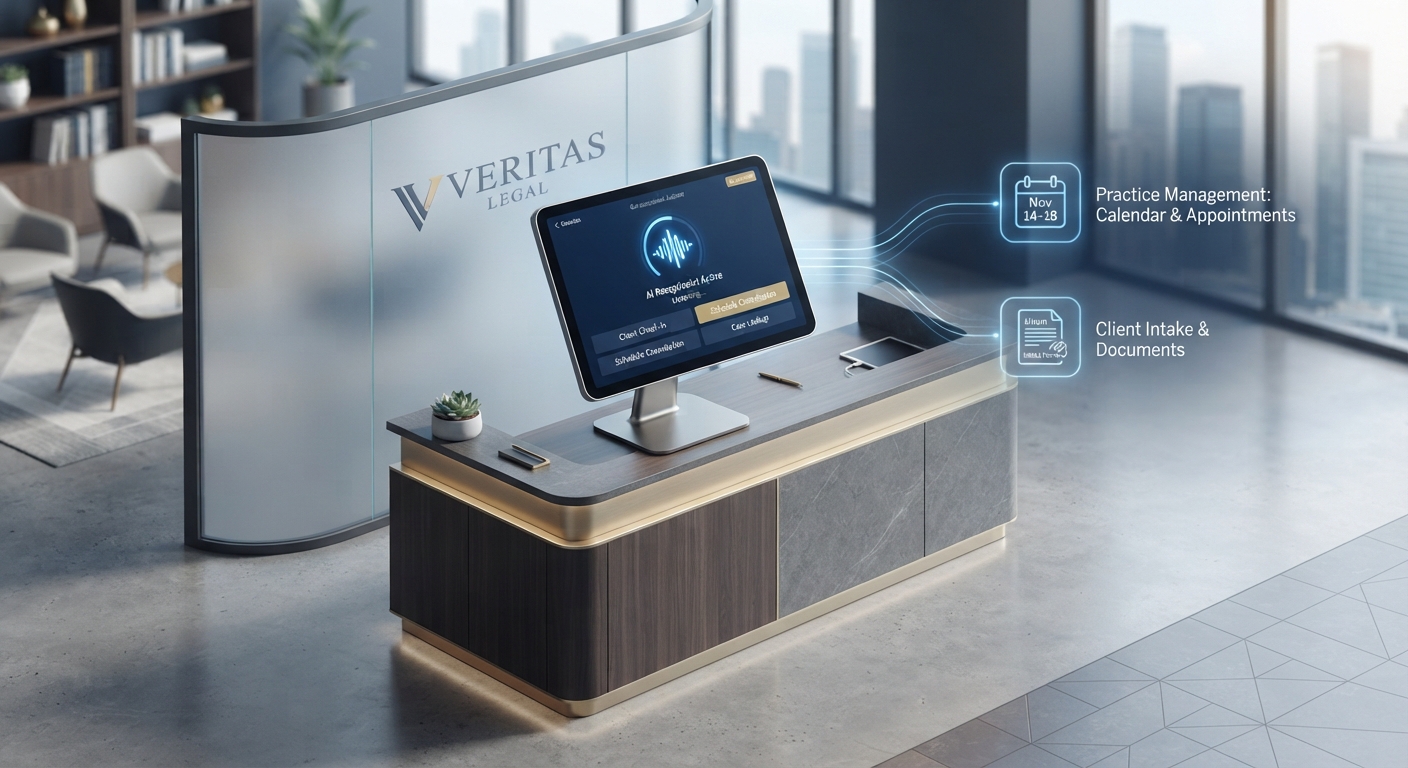
- Law: For firms, the AI acts as a screener. It asks about the nature of the legal issue and only routes the call to an attorney if the case actually hits your specific criteria. It saves your senior partners hours of wasted time.
- Real Estate: Agents are rarely at a desk. An AI receptionist handles property inquiries and answers listing questions, scheduling viewings directly into the agent’s calendar while they’re out on a closing.
How to Pick a Winner
Not all AI is built equal. When you’re shopping for a provider, keep these four things in mind:
- Latency: The response time needs to be under a second. If there’s a lag, it feels like a glitch. It kills the vibe immediately.
- Voice Naturalness: Does it sound like a human, or a 1980s computer? It should have natural pacing, appropriate pauses, and the ability to handle interruptions without short-circuiting.
- CRM Depth: Does it actually integrate with the software you use daily? If the answer is "we have a Zapier integration," proceed with caution. You want deep, native connections.
- Red Flags: Steer clear of anyone forcing you into rigid, unchangeable scripts. Also, run if they can’t provide a clear, transparent log of how the AI is actually talking to your customers.
The Human Element: When to Step Back
Look, AI is powerful, but it’s not a miracle worker. Sometimes, a client is having a bad day. They’re frantic, they’re confused, or they’re angry. That’s a human moment.
Your system must have a "Human Hand-off" protocol. If the AI detects stress or confusion, it needs to know when to bow out and pass the baton to a person. Trust is built on reliability, and knowing when to step aside is just as important as knowing how to lead the conversation.
Frequently Asked Questions
Will an AI receptionist make my business sound robotic?
Not in 2026. These models have evolved past the "metallic" voices of the past. With high-end text-to-speech, they handle inflection, tone, and pacing with a level of nuance that most callers won't distinguish from a human.
How does an AI receptionist handle complex questions it doesn't know the answer to?
If it hits a wall, the AI is programmed to be humble. It will take a message, offer a callback, or perform a "warm transfer" to a live team member. Your customers are never left hanging.
Is it expensive to set up an AI receptionist for a small business?
The barrier to entry has plummeted. It’s mostly SaaS-based pricing now. It’s a fraction of what you’d pay for a human salary, making it one of the most high-ROI upgrades you can make this year.
Can the AI receptionist integrate with my current calendar and CRM?
Absolutely. Modern AI is built on API-first architecture. It’s designed to sync with Google Calendar, Outlook, HubSpot, Salesforce, and a host of other platforms, ensuring your data flows exactly where it needs to go.
Final Thoughts: Take the Leap
Moving to an AI-augmented workflow isn't just about chasing the latest shiny object. It’s about taking back the time and the missed opportunities that are currently acting as a ceiling on your growth. When you automate the routine, you free your team to focus on the high-level work that actually grows the business.
Ready to see how an AI receptionist can be tailored to your specific needs? Contact us for a consultation and let’s get your front desk running 24/7.