Voksha vs. Smith.ai vs. Ruby: Which AI Receptionist Answers Faster?
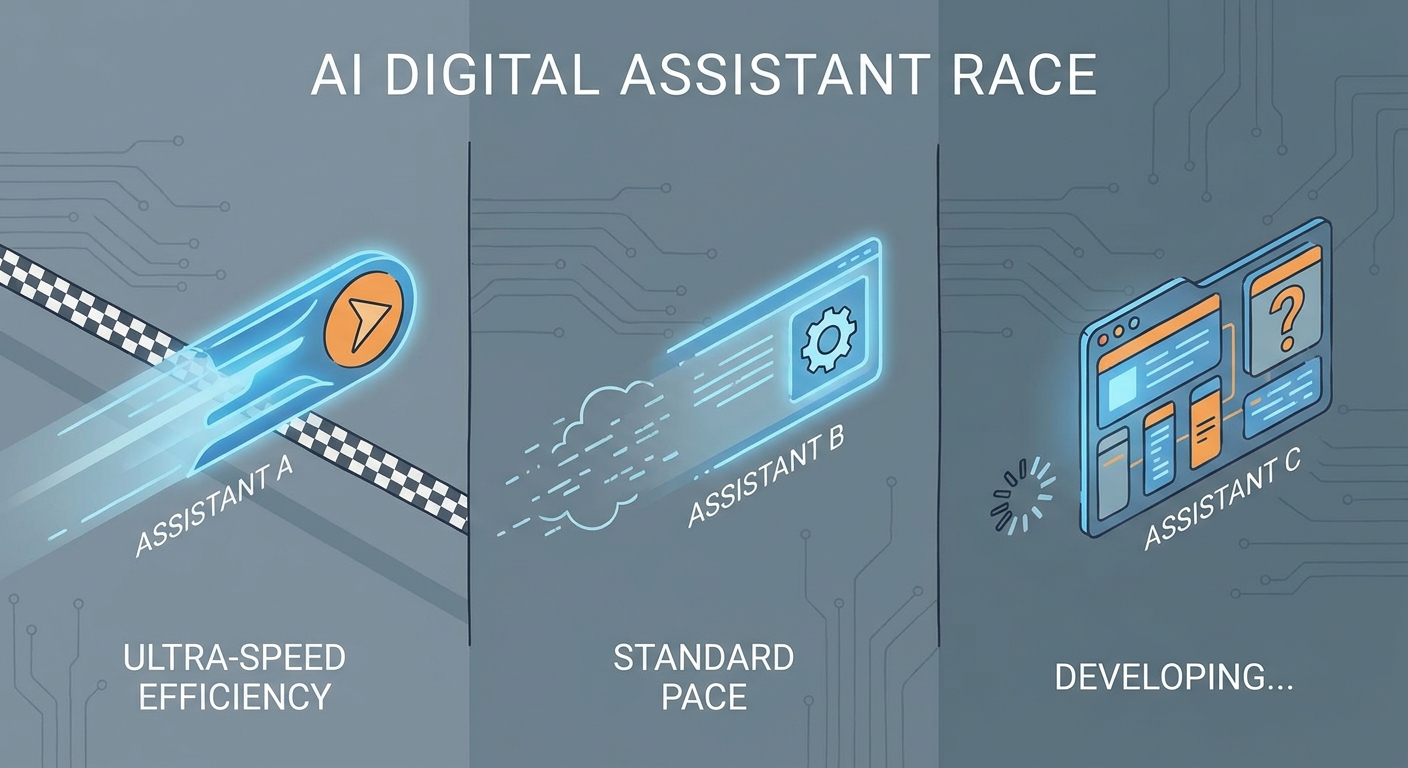
TL;DR
- ✓ Voksha outperforms legacy services with sub-500ms latency for near-instant lead qualification.
- ✓ Traditional services like Ruby and Smith.ai face bottlenecks due to human-dependent workflows.
- ✓ AI-first systems integrate directly with CRMs to eliminate manual data entry errors.
- ✓ Scalability allows Voksha to handle high call volumes without increasing wait times.
If you’re still judging your answering service by how fast a human hits the "answer" button, you’re fighting a war from 2020. Seriously. In today’s market, speed isn’t about how quickly someone says "Hello." It’s about how fast you get the job done.
Voksha is currently blowing the doors off the industry with sub-500ms latency. That’s not just fast; it’s instantaneous. While a legacy receptionist is still fumbling to read the caller’s name off their screen, Voksha has already qualified the lead and synced it to your CRM. The "pick-up" is officially a relic of the past.
The 2026 Shift: Why "Speed" Now Equals "Resolution"
We’ve moved past the era of the "pick-up time" metric. Sure, a human might snag the call in three rings. But what happens next? They put the caller on hold. They hunt for your calendar. They manually type data into a spreadsheet. Suddenly, that "fast" pick-up turns into a five-minute ordeal.
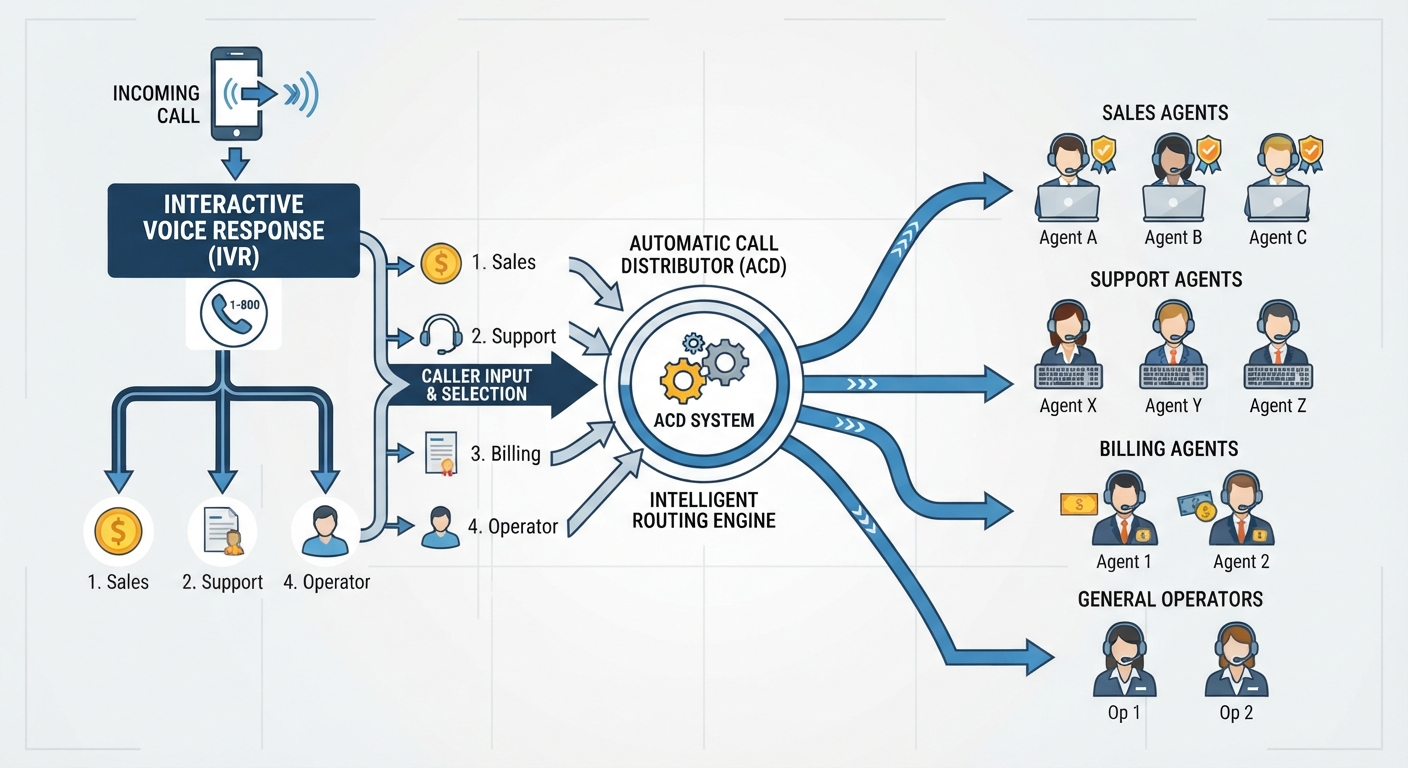
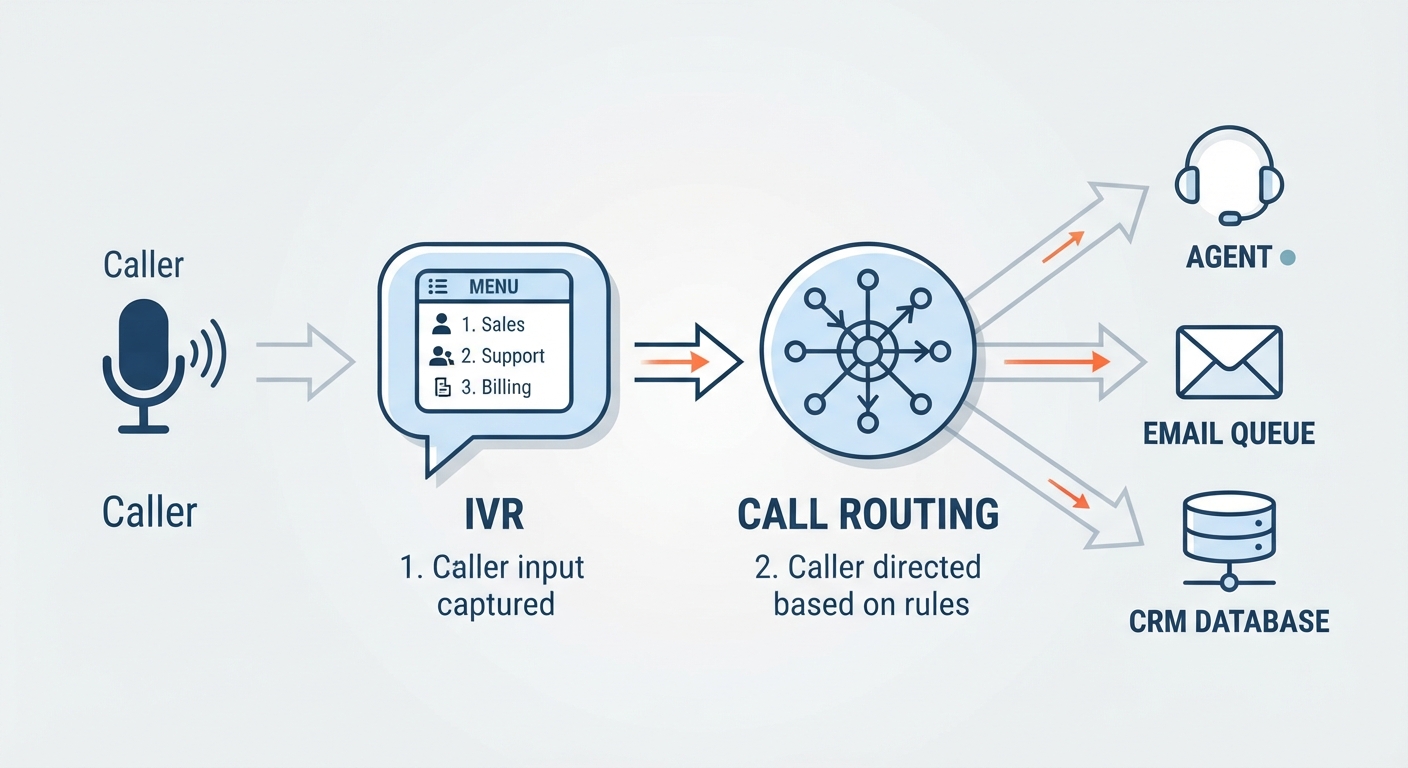
Modern businesses are ditching the middleman because they’re tired of the relay race. According to the 2026 AI Voice Latency Report, the gap between a legacy answering service and a high-performance AI agent is the difference between a manual bottleneck and a seamless API handshake. When your AI is hard-wired into your CRM, the call isn't just answered—it’s solved.
How Does the Technology Differ? (Pure AI vs. Hybrid vs. Human)
The landscape has split into three distinct camps.
Ruby represents the gold standard of the "old guard." It’s high-empathy, human-staffed, and—let’s be honest—inherently sluggish. You’re capped by how fast a human can think and type.
Then there’s Smith.ai. They’re the hybrid middle ground. They try to patch AI onto human workflows, which often leads to a weird, inconsistent experience. Sometimes you get a machine, sometimes you get a person, and the quality fluctuates accordingly.
Finally, you’ve got Voksha. It’s an AI-first engine built from the ground up for raw speed and precision.
The Latency Showdown: Who Actually Answers Faster?
The gap is widening, and it’s not even close. Legacy services are shackled by their staffing models. When call volume spikes, wait times at Ruby or Smith.ai skyrocket. It’s simple math: humans can only handle so much.
Voksha, on the other hand, scales horizontally. It doesn’t blink, whether you’ve got one caller or a hundred. As noted in The Future of Human-AI Hybrid Services, the traditional hybrid model just can’t replicate that "first-second" snap. The hand-off between the human greeting and the data entry is where the efficiency dies.
| Metric | Ruby (Human) | Smith.ai (Hybrid) | Voksha (Pure AI) |
|---|---|---|---|
| Latency (First Word) | 2,000ms+ | 1,200ms | < 500ms |
| Time to Resolution | 3–5 Minutes | 1–2 Minutes | < 30 Seconds |
| Human Intervention Rate | 100% | 40-60% | < 5% |
How Do Hidden Costs Impact Your Bottom Line?
The "per-minute" billing trap is the biggest silent killer of profit in 2026. Think about it: you’re paying for every second a human spends on the phone, including the hold time, the "let me check that for you" silences, and the training sessions.
When you dig into Voksha Pricing & Features, you’ll realize that switching to a flat-rate AI subscription is a game-changer. We’re talking about a 71% drop in overhead. Plus, your availability jumps from "9-to-5" to "whenever your customer needs you." Paying for human minutes is a linear cost—the more you grow, the more you bleed cash. AI is a fixed-cost utility. It’s the smarter play.
Can AI Really Handle Complex Scheduling?
The "message-taking" receptionist is dead. Nobody wants a message; they want an appointment.
Modern AI, like the engine powering Voksha, makes real-time API calls to your calendar. Imagine a lead calls at 8:00 PM on a Tuesday. Instead of a human taking a note and emailing it to you for the next morning, your AI confirms the client’s needs, checks your live availability, books the slot, and shoots off a confirmation text. All of this happens before the caller even hangs up. That’s a 3-step automated flow replacing a 7-step legacy mess of transcribing, sending, reading, and eventually (maybe) acting.
Addressing the "Robot" Fear: Are We Beyond the Uncanny Valley?
People used to worry about the "uncanny valley"—that creepy feeling of talking to a bot. But honestly? That’s 2022 thinking.
Neural voice synthesis has come a long way. As outlined in the Small Business Answering Service Guide, today’s AI doesn't just read a script. It understands context. It handles interruptions, adjusts its tone, and keeps the conversation flowing like a pro. The "robotic" stigma? Gone. It’s been replaced by the efficiency of a digital concierge that never forgets a detail and never gets tired.
The Verdict: Which Service Fits Your Business Size?
If you’re a massive enterprise dealing with hyper-sensitive situations, maybe the human-touch legacy providers still have a place. But for 95% of businesses—law firms, medical practices, agencies—the switch to AI isn't a "maybe." It’s an inevitability.
If you’re tired of paying for human minutes that don't convert into appointments, why choose Voksha's AI is the only question that matters. Voksha is for the business owner who wants speed, clean data, and a bottom line that isn't being eroded by the hour.
Frequently Asked Questions
Does an AI receptionist actually sound like a real person?
Yes. 2026 voice synthesis technology uses emotional inflection and variable pacing to mirror human speech. The "stilted" tone of early AI is a relic of the past; today's systems are indistinguishable from humans to the average caller.
Is an AI receptionist significantly cheaper than a human virtual receptionist?
Yes, primarily because of the billing structure. Human-staffed services charge by the minute, which scales poorly. AI receptionists typically operate on a flat-rate subscription, providing unlimited capacity for a fraction of the cost of a single human part-time employee.
Can an AI receptionist handle complex scheduling or CRM updates?
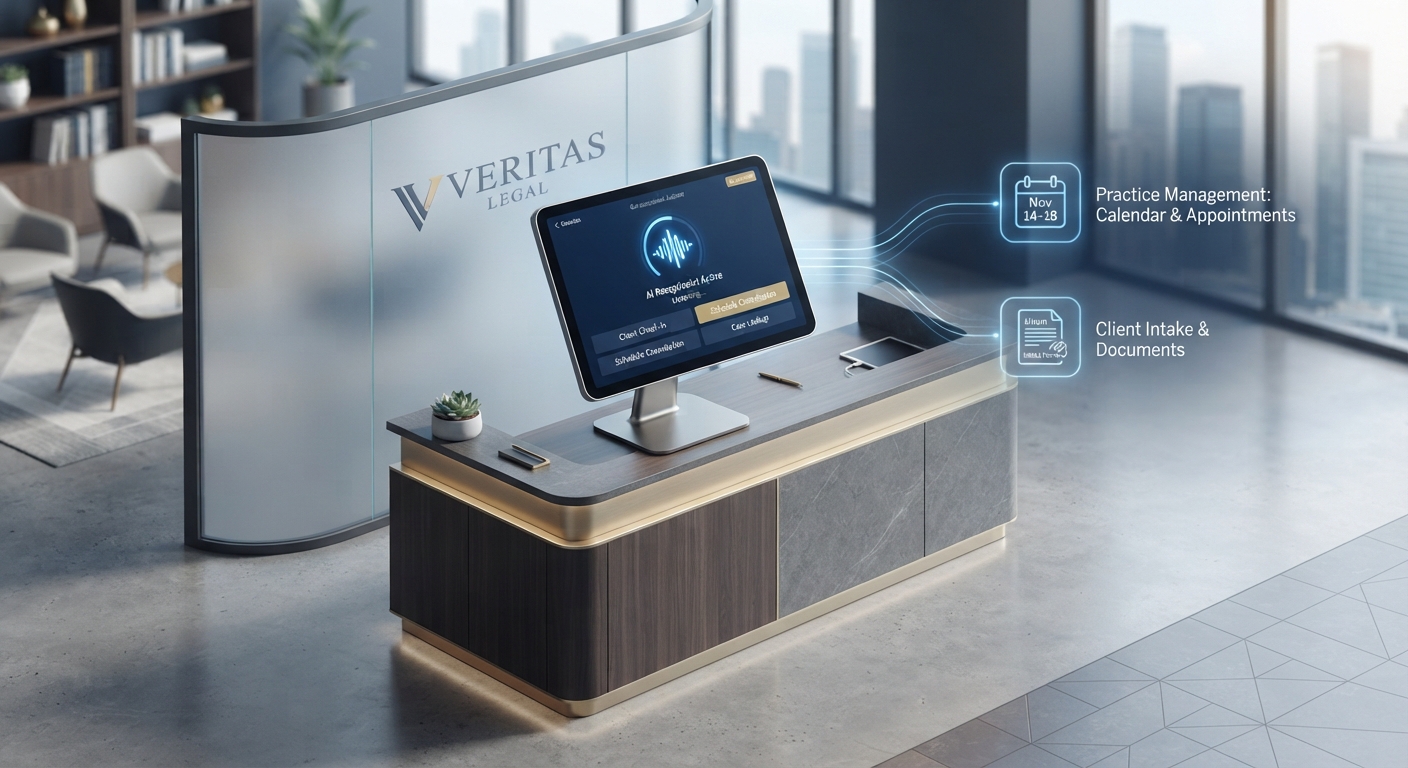
Absolutely. Through secure API integrations, AI can read and write directly to your CRM, practice management software, or calendar. It can qualify leads, verify insurance, or check availability in real-time.
What happens if the AI doesn't understand the caller?
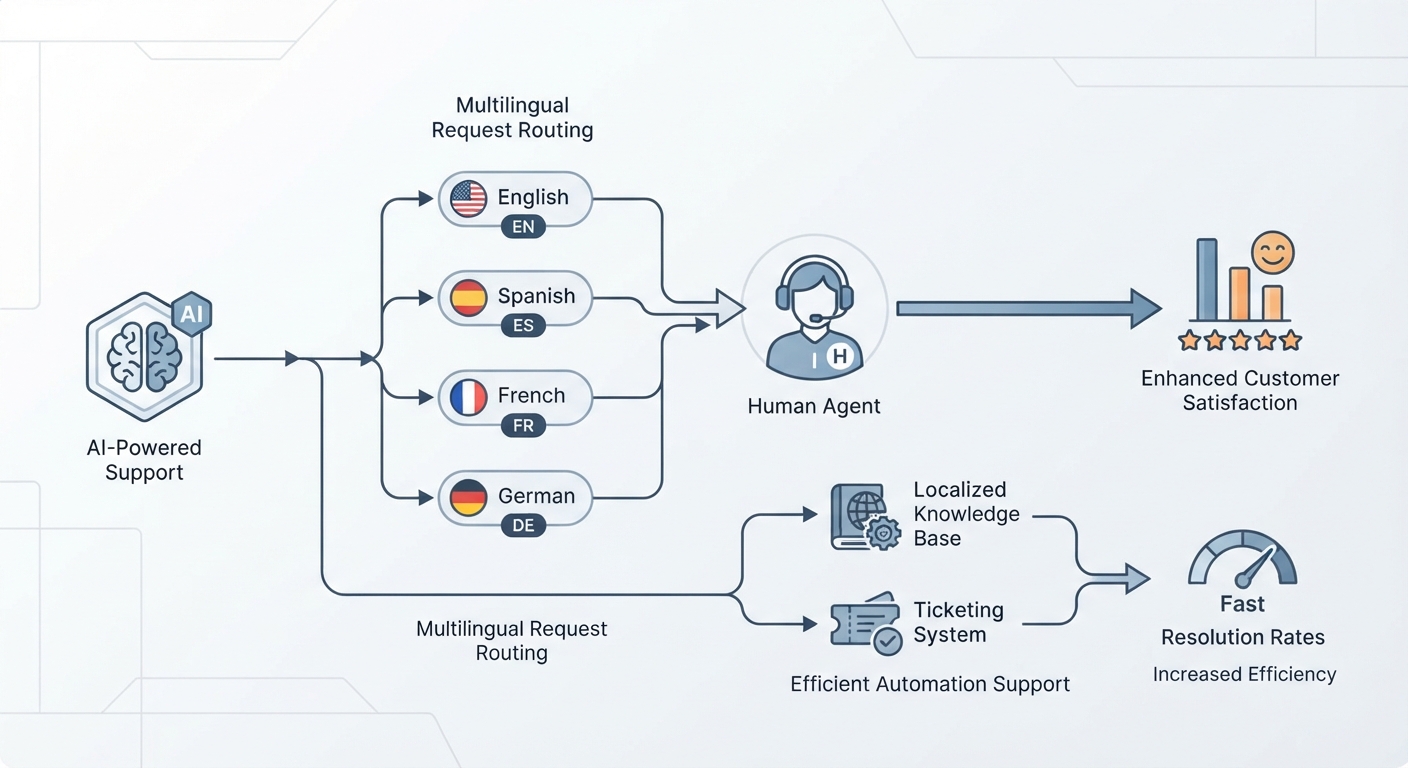
Modern systems utilize sophisticated fallback protocols. If a query falls outside the AI’s training data, it can intelligently route the call to a human team member, trigger an immediate notification to your internal staff, or request a callback number, ensuring no lead is ever truly "lost."
How quickly can I set up Voksha compared to legacy providers?
Voksha is a "plug-and-play" solution. While legacy providers require weeks of training, documentation, and onboarding for human staff, an AI receptionist can be configured, integrated with your existing software, and activated in a matter of hours.