How to Reduce Missed Calls: Smart Call Handling Workflows for Salons and Spas
TL;DR
- ✓ Identify the hidden revenue loss caused by high missed call rates in salons.
- ✓ Implement automated call routing to ensure no potential client reaches a dead end.
- ✓ Use intelligent text-back features to capture booking intent during peak busy hours.
- ✓ Modernize your front-desk workflow to prioritize client retention and service efficiency.
If your salon or spa is missing 35% of its incoming calls, you’re not just losing the price of a haircut. You’re losing the lifetime value of a client who will, without hesitation, book with the shop down the street that actually picks up the phone.
In today’s service world, a ringing phone is a double-edged sword. It’s potential revenue, sure, but it’s also a massive headache for a front-desk team already juggling check-ins, retail sales, and color formulas. But here’s the cold, hard truth: when a client hits your voicemail or gets a busy signal, they don’t wait. They hang up and dial the next name on their Google search list.
Modernizing your workflow isn’t about replacing your staff with robots. It’s a core retention strategy. It’s about being there the moment your guest needs you. As noted in this industry report on the cost of missed calls, the financial impact of ignoring these touchpoints is far higher than most owners realize.
The True Cost of the "Hidden Leak"
Let’s talk math. It’s not pretty, but it’s necessary.
Say your average service ticket is $120. If your salon gets 50 calls a day—a conservative estimate for a decent shop—and your team misses 35% of them because they’re busy with a client in the chair, that’s 17 missed calls a day. That’s 85 missed opportunities every single week. Even if only half of those people were looking to book, you’re leaving thousands of dollars on the table every month.
This is the "hidden leak" in your business. You pour money into SEO, social media ads, and local partnerships to get people to notice you, only to have them evaporate the second they try to reach you. By integrating smart call routing features, you plug the hole. This is why staying current with 2026 salon software trends isn’t just a "nice to have"—it’s the difference between a shop that’s just busy and one that’s actually profitable.
The Smart Call Handling Workflow
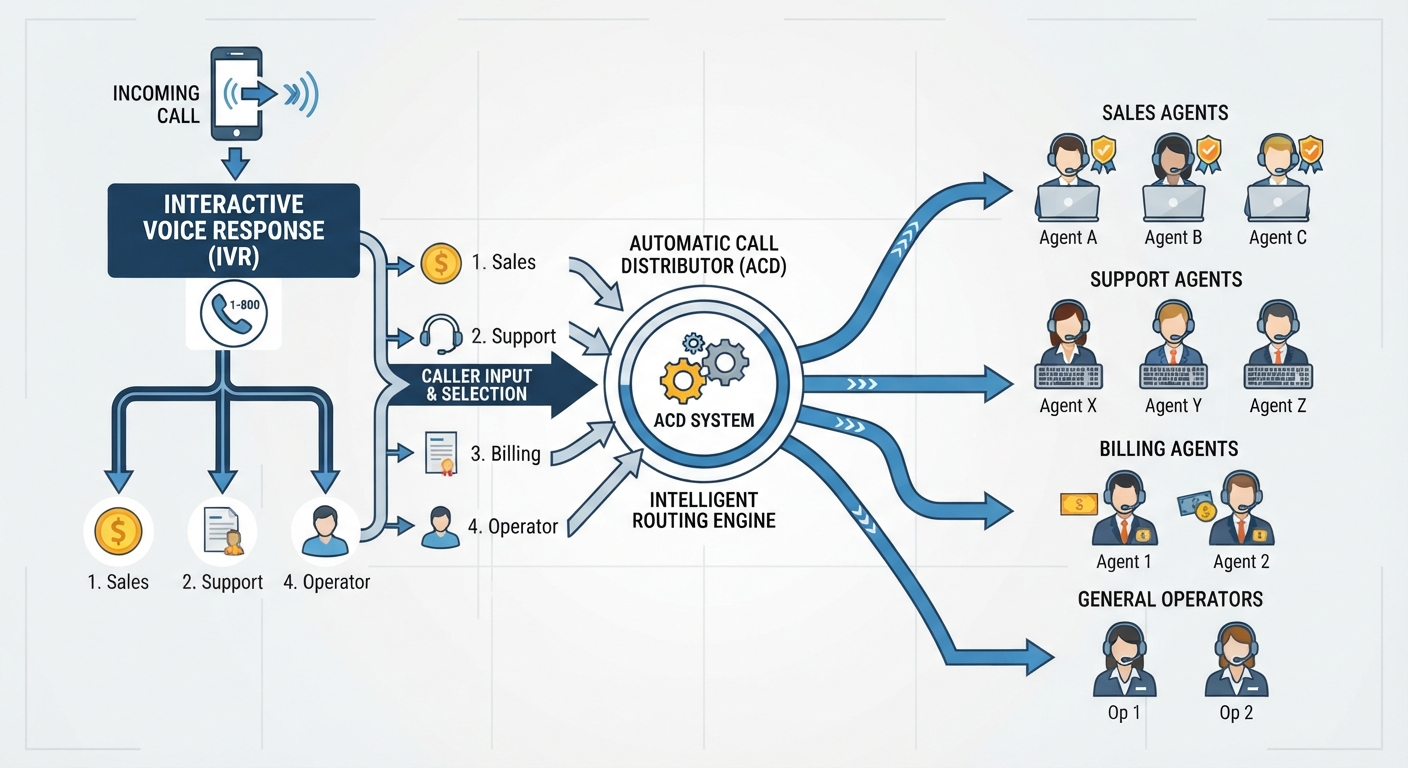
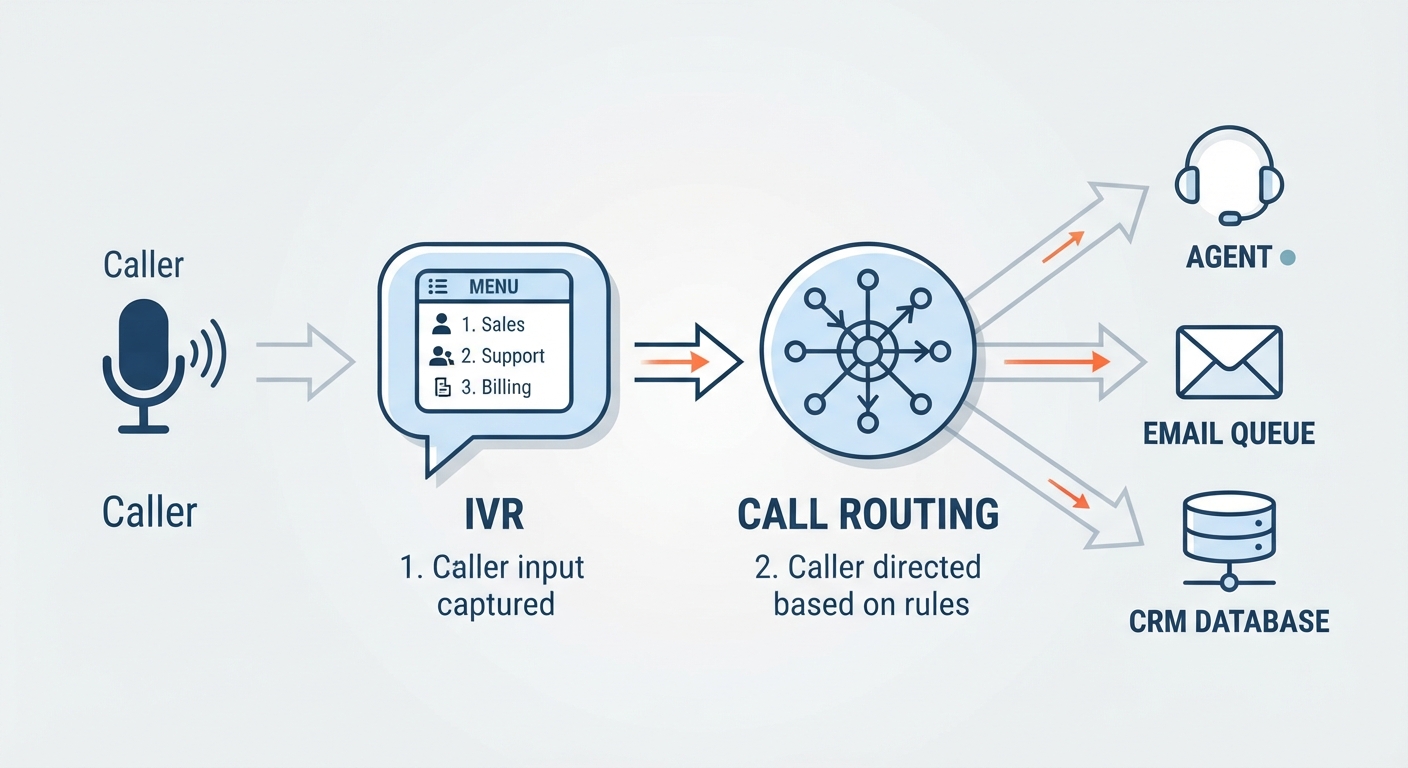
The goal is simple: remove the friction between a client wanting to book and actually getting on your calendar. You need a system that plays triage. When your front desk is swamped, the phone shouldn't dump the caller into a black hole of voicemail. It should hit an intelligent, automated concierge.
This workflow keeps the momentum going. Even if you can’t talk to a client in real-time, you’re still moving their request forward. During peak hours, the system spots a missed call and instantly fires off a "Text-Back." This is where automated lead follow-up becomes the hero; the client gets a text acknowledging their call with a direct link to your booking portal. By the time your receptionist is free, the client has already secured their slot. No phone tag. No stress.
Implementing Your Automated Strategy
Moving to an automated workflow happens in three phases.
First: The Audit. Track your calls for a week. Don’t just look at how many you answer—look at when you’re missing them. You’ll likely find that most of your "lost" revenue happens during lunch hours or after 7 PM. That’s when your staff has gone home, but your clients are finally sitting on their couches, ready to book their next appointment.
Second: The Tech Stack. You don’t need to replace your human staff; you need to give them a superpower. Whether you go with a VoIP system with advanced routing or a dedicated AI receptionist, make sure it talks to your salon management software. According to recent research on AI receptionist pricing, these tools are incredibly cost-effective—often costing less than a single missed service ticket per month.
Third: The Training. Frame automation as a tool that lets your team focus on the guest already in the room. When your staff knows that a "missed call" is being handled by a system that will alert them to follow up later, they can provide a better, more luxurious experience to the person in their chair. They stop living in fear of the phone ringing.
Elevating the Guest Experience
Stop thinking of automation as a "replacement." Think of it as a convenience. Your clients don't want to play phone tag. They want a seamless way to secure their time. When you implement these workflows, you aren't removing the human element—you're freeing up your staff's mental space so they can actually be present when they do talk to a client.
Start tracking your missed calls today. Just for one week. The data will show you exactly how much your business is capable of growing once you stop letting those opportunities slip through the cracks.
Frequently Asked Questions
Will an AI receptionist make my salon feel impersonal?
On the contrary, it often makes the experience more personal. Instead of a frustrated client waiting on hold or being sent to a generic voicemail, they get immediate, helpful assistance. It ensures their needs are addressed instantly, which is the hallmark of premium service.
How much does it actually cost to automate salon call handling in 2026?
Most professional AI receptionists and automated routing systems range from $25 to $300 per month. Given that even one or two additional bookings per month can cover the cost, the ROI is usually immediate.
What should I do if a client calls and the AI cannot answer their specific question?
A smart workflow is designed to escalate. If the AI detects confusion or a complex query, it should flag the interaction for a human staff member to follow up via text or email, ensuring the client never feels ignored.
Does a "text-back" strategy actually work, or do clients find it annoying?
It is highly effective. In 2026, clients prefer text over voice. Receiving a polite, automated text after a missed call is seen as a proactive, helpful service rather than an annoyance. It captures the lead before they move on to your competition.