How to Reduce Missed Calls: 7 Proven Automation Strategies for 2026
TL;DR
- ✓ Implement missed call text-back systems to instantly engage leads after unanswered calls.
- ✓ Deploy AI voice receptionists to provide 24/7 coverage and qualify callers automatically.
- ✓ Use intelligent call routing to ensure incoming calls reach the right staff member.
- ✓ Capture lost revenue by replacing soul-crushing voicemail with modern automated communication workflows.
If you’re losing 62% of your incoming calls to voicemail, you aren’t just having a busy week. You’re handing your hard-earned revenue to your competitors on a silver platter.
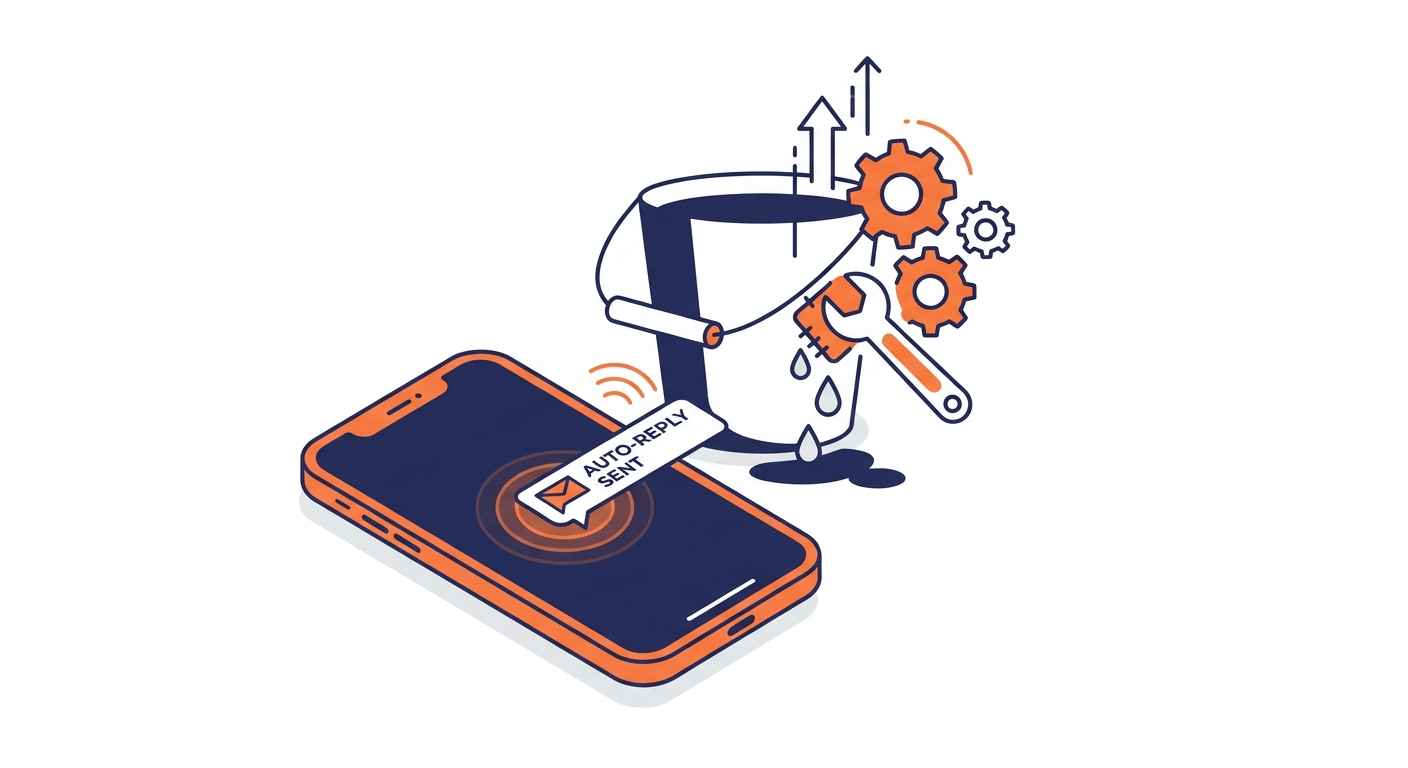
The "missed call epidemic" is the silent killer of small business. It’s not just an annoyance; it’s a massive hole in your bucket. According to recent industry data on the true cost of missed calls, the average firm loses $126,000 annually because a phone went unanswered.
Stop blaming your staff. It’s not a lack of discipline; it’s a failure of infrastructure. If you’re still relying on humans to catch every ring in 2026, you’re trying to win a sprint with your shoelaces tied together.
Why Are You Losing 60% of Your Revenue?
The math is brutal, and it doesn't care about your feelings. When a customer hits your voicemail, they rarely leave a message. They hang up and dial the next number on their Google search results. This is the "Caller-to-Competitor" jump. Research shows that 85% of people who get a dead-end voicemail will never call you back. You’re done. They’ve moved on.
Then there’s the "5 PM–10 PM Gap." Your office might close at five, but that’s exactly when your customers are finally home, settling onto the couch, and opening their laptops to get things done. If your phone is silent during those hours, you’re literally locking your doors during your most productive window.
1. The "Missed Call Text-Back" (The Speed-to-Lead Essential)
The fastest way to stop the bleeding? Acknowledge the customer before they have the chance to call the next guy. A "Missed Call Text-Back" system triggers an instant, automated SMS to anyone who doesn't reach a human. Respond within five seconds, and you validate their intent. You keep them on the hook. Learning how missed call text-back works is the single most important step you can take today to stop losing leads.
2. AI Voice Receptionists (The 24/7 Conversational Agent)
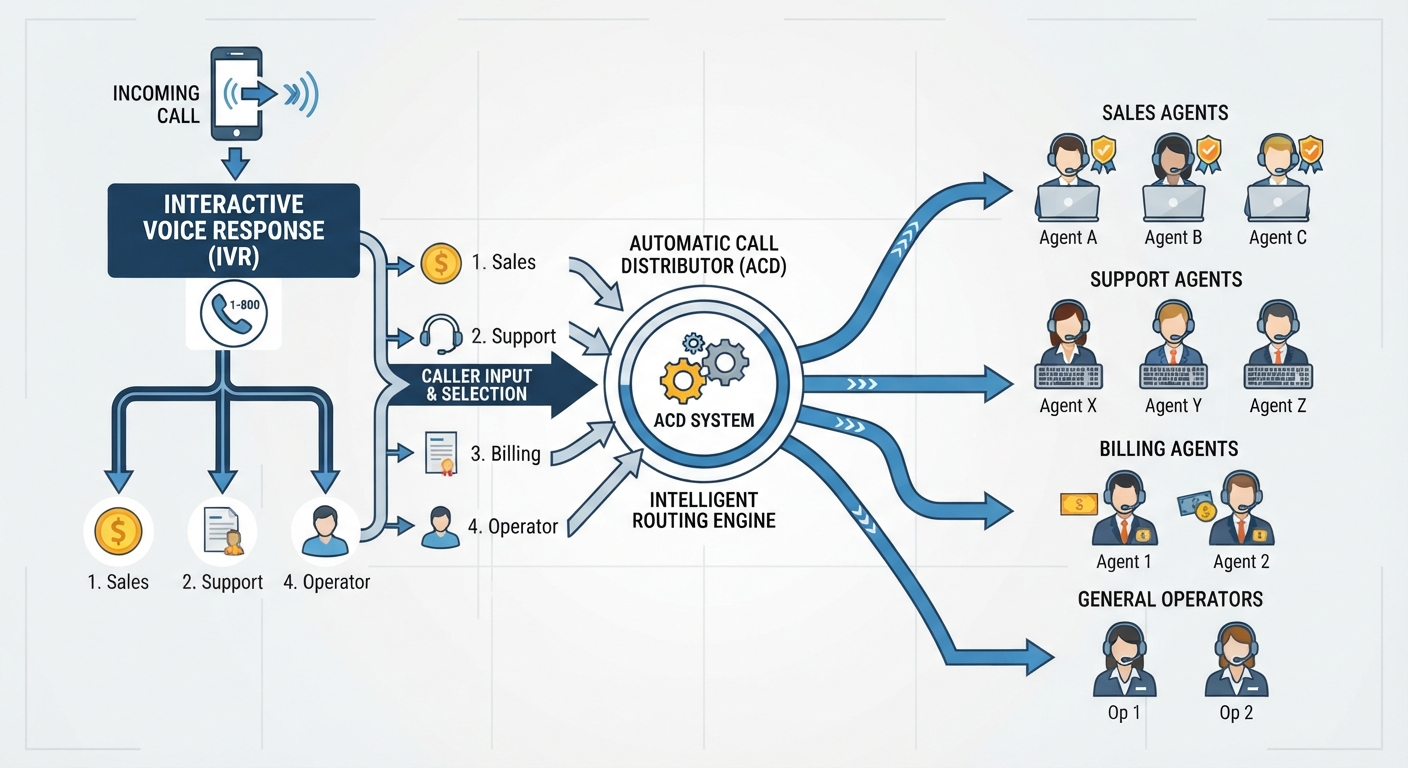
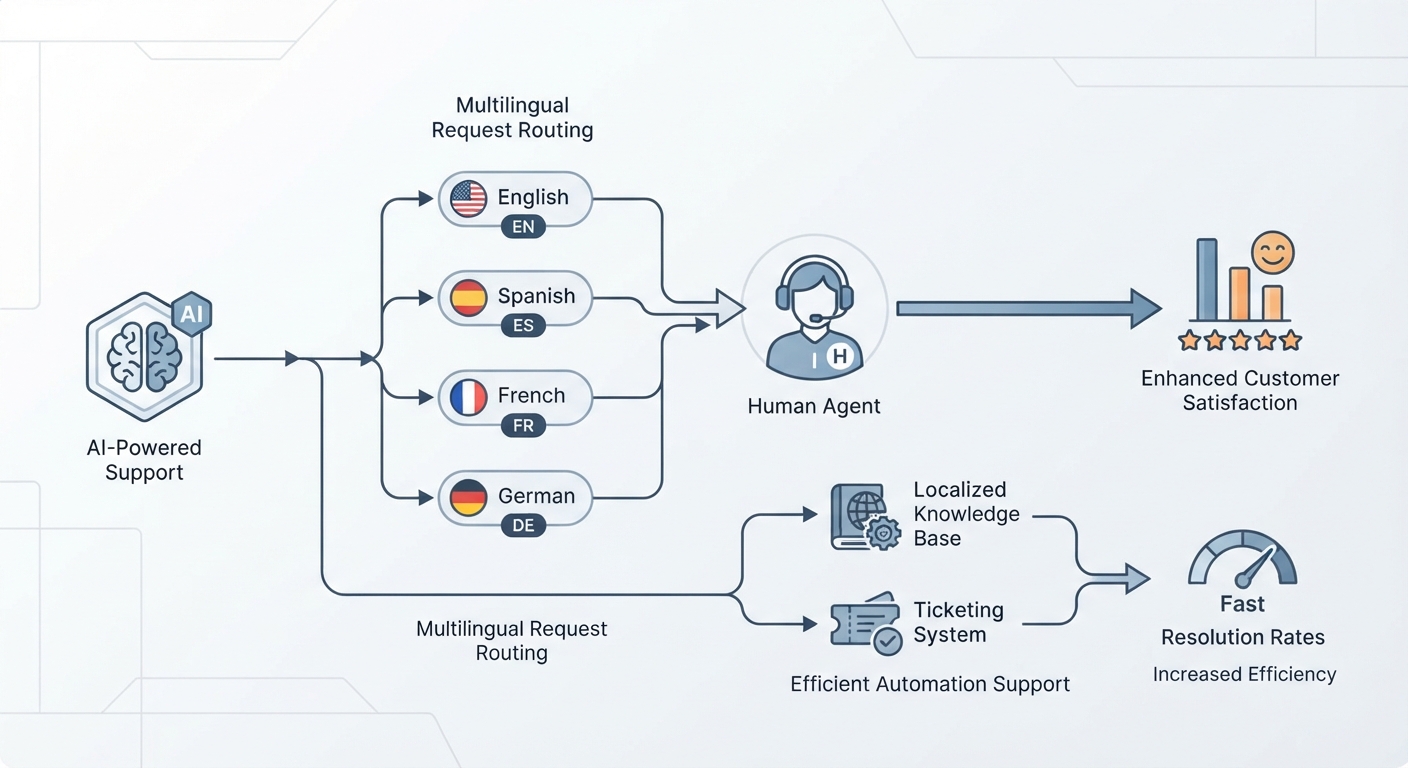
We’ve moved way past those clunky, soul-crushing robotic menu systems from the early 2020s. Today’s AI voice receptionists use advanced natural language processing. They handle complex questions, book appointments, and qualify leads without sounding like a glitchy computer. By using Voksha features, you can deploy an agent that catches nuance and dialect, ensuring your customers feel heard—even at 3 AM on a Sunday.
3. Intelligent Call Routing & Forwarding
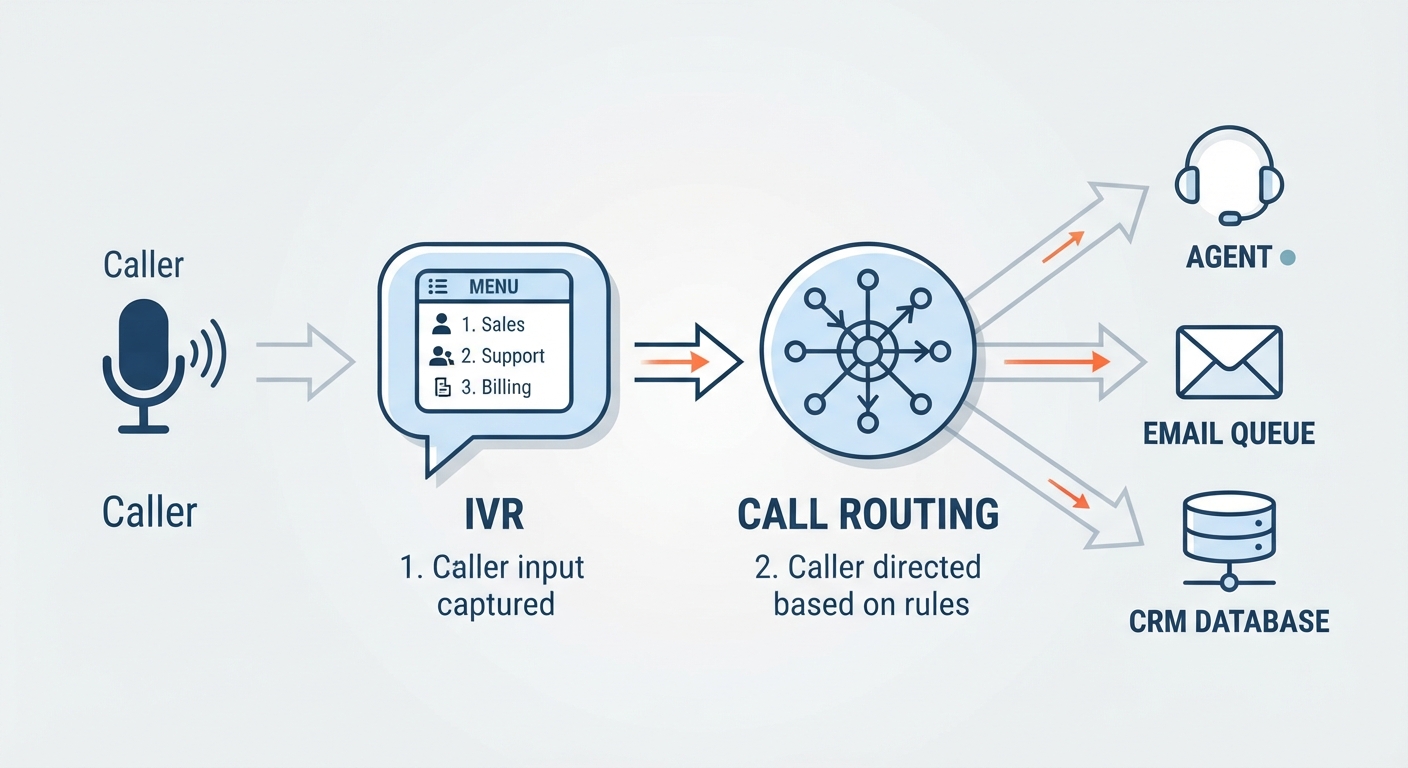
Sometimes, you miss a call because the alert went to the wrong person. Stop using linear ring-groups that just spam the office landline. Use dynamic routing. If your primary tech is in the field, the call should intelligently ping a manager or a regional office. Every ring should have a purpose. Every call should have a destination.
4. CRM Integration & Auto-Logging
Manual data entry is the enemy of productivity. When a call hits your system, your CRM should already know who is calling, their history, and their last headache. By centralizing your Voksha solutions with your database, you kill the "forgotten lead" syndrome. Every single interaction—answered or not—gets logged, tagged, and assigned a follow-up task. Automatically.
5. After-Hours Virtual Answering Services
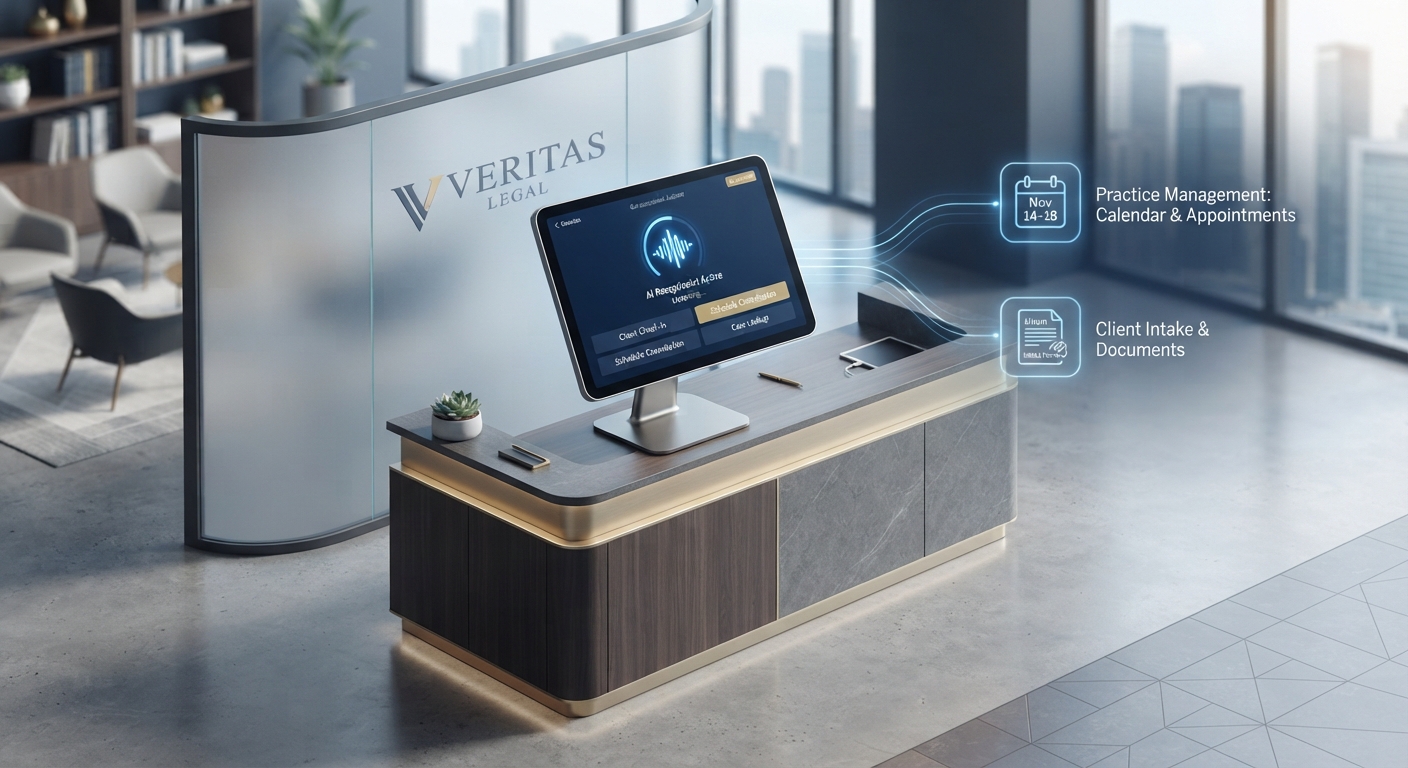
Sometimes, there’s no substitute for a human voice—especially in law, medicine, or luxury services. But hiring 24/7 staff is a financial nightmare. The solution? A hybrid model. Let the AI handle the mundane scheduling and basic intake, but route high-emotion or complex calls to a live, human-led virtual service. It’s the ultimate balance: efficiency for the routine, empathy for the critical.
6. The "Human-in-the-Loop" Hybrid Workflow
Don't try to hide the fact that you’re using automation. Honestly? Transparency builds trust. Use a "Human-in-the-Loop" model. Let the AI gather the basics—name, issue, urgency—and present a clean, concise summary to your team. Your staff shouldn't spend their day asking for phone numbers. They should spend it closing deals.
7. HIPAA-Compliant Automation for Professional Services
If you handle sensitive data, automation isn't an excuse to cut corners. In 2026, a Business Associate Agreement (BAA) is the bare minimum. You must ensure your automation engine encrypts data at every stage. Pick a provider that views HIPAA compliance as a core feature, not a patch. Don't risk your license for the sake of a shortcut.
ROI Comparison: AI vs. Human Receptionist
Let’s look at the cold, hard cash. A full-time, in-house receptionist will run you $45,000 to $60,000 a year once you add up salary, benefits, and overhead. An AI agent? It’ll cost you between $300 and $3,600. For a deep dive into the math, this AI vs. Human Receptionist cost analysis proves why automation is the most aggressive growth lever you’ve got.
| Feature | Human Receptionist | AI Voice Agent |
|---|---|---|
| Annual Cost | $45k - $60k | $300 - $3,600 |
| Availability | 8-10 hours/day | 24/7/365 |
| Scalability | Limited (requires hiring) | Instant (add capacity) |
| Data Entry | Prone to error | Instant / Automated |
Implementation: How to Build Your Automation Engine
- Audit your pain points: Check your logs. When are you missing the most money? Is it 7 PM to 9 PM? That’s your first target.
- Choose your stack: Pick a CRM and AI engine that play nice together. If you’re unsure where to start, check out our AI Receptionist Pricing Guide 2026 to find a fit for your volume.
- Test and iterate: Start with a simple "Missed Call Text-Back." Once you’ve stopped the immediate loss of leads, layer in the voice AI to handle the heavy lifting.
Frequently Asked Questions
Will an AI receptionist turn off my customers?
Not if it’s done right. Modern AI is incredibly conversational. The trick is transparency—let the caller know they’re speaking with an AI assistant to get them faster service. Most people prefer a quick, helpful AI over a long hold time with a human.
What is the most cost-effective way to start reducing missed calls?
Start with a "Missed Call Text-Back." It’s the lowest-cost, highest-impact move you can make. It stops that "caller-to-competitor" jump immediately by confirming you’ve received their call while you work on more complex systems.
How do I handle HIPAA/confidentiality if I use AI?
Insist on a Business Associate Agreement (BAA). That’s the legal gold standard. If your vendor won't sign one, don't use them for sensitive data. Period.
Does a missed call text-back actually prevent customers from calling competitors?
Yes. Customers call a second business because they feel ignored. A simple text saying, "Sorry we missed you, we're with another client but will call you back in 10 minutes," is often enough to keep them from searching for your competitor.
Can I use AI for lead qualification before sending it to my sales team?
Absolutely. AI can ask the "pre-flight" questions—budget, project timeline, location—before your team ever picks up the phone. By the time your staff gets the alert, they’re talking to a warm, qualified lead, not a cold inquiry.