Multi-modal booking integration for salon appointment friction reduction
TL;DR
- This guide covers how salons can stop losing revenue to missed calls by using multi-modal ai booking systems. We look at the cost of hiring vs automation and show you exactly how to integrate phone, web, and text booking into one smooth workflow that reduces no-shows and captures every lead even after hours.
Why traditional salon booking is broken and losing you money
Ever felt that spike of anxiety when the phone rings while you're mid-shampoo with a client? You know if you don't pick up, that potential $150 balayage is probably just gonna call the shop down the street. (Disappointing balayage experience with high price - Facebook)
The truth is, traditional booking is bleeding money because modern customers hate leaving voicemails. Like, really hate it. Most people just hang up and move on to the next result on google. (Google isn't just showing results anymore, it's making ... - Instagram)
If you're still relying on a "leave a message" system, you're essentially burning cash. It isn't just about one missed haircut; it's the lifetime value of a client you never even met.
- Vanishing Leads: Most callers won't leave a voicemail and just call the next salon. It's a "now or never" economy for local services.
- Ghosting Statistics: A 2023 report by Arise shows that nearly 2/3 of customers will hang up if they're put on hold or sent to a machine, often switching to a competitor immediately.
- ROI Gaps: When you compare a receptionist salary (plus benefits and taxes) vs ai receptionist cost, the gap is massive—ai doesn't take lunch breaks or get sick. (AI vs Human Receptionist: The Honest 2026 Comparison)

Playing phone tag to confirm a simple haircut time is just exhausting for everyone. You call them back, they're at work, they call you, you're with a client—it's a mess.
Then you got the after hours calls that go to a dead-end answering machine at 8 PM. By the time you check it at 9 AM, they already booked somewhere else online.
Manual data entry is another silent killer. Scribbling notes on a pad and then trying to type them into your booking software later? That's how double-bookings happen, and nobody wants that drama.
All these tiny friction points add up to a pretty broken experience, but honestly, there’s a better way to handle the chaos. Let's look at how automation actually plugs these holes.
The multi-modal approach to salon phone automation
Ever wonder why some salons just seem more "put together" than others? It isn't usually cause they have a better eye for hair—it's usually because they aren't drowning in missed calls and Sticky notes.
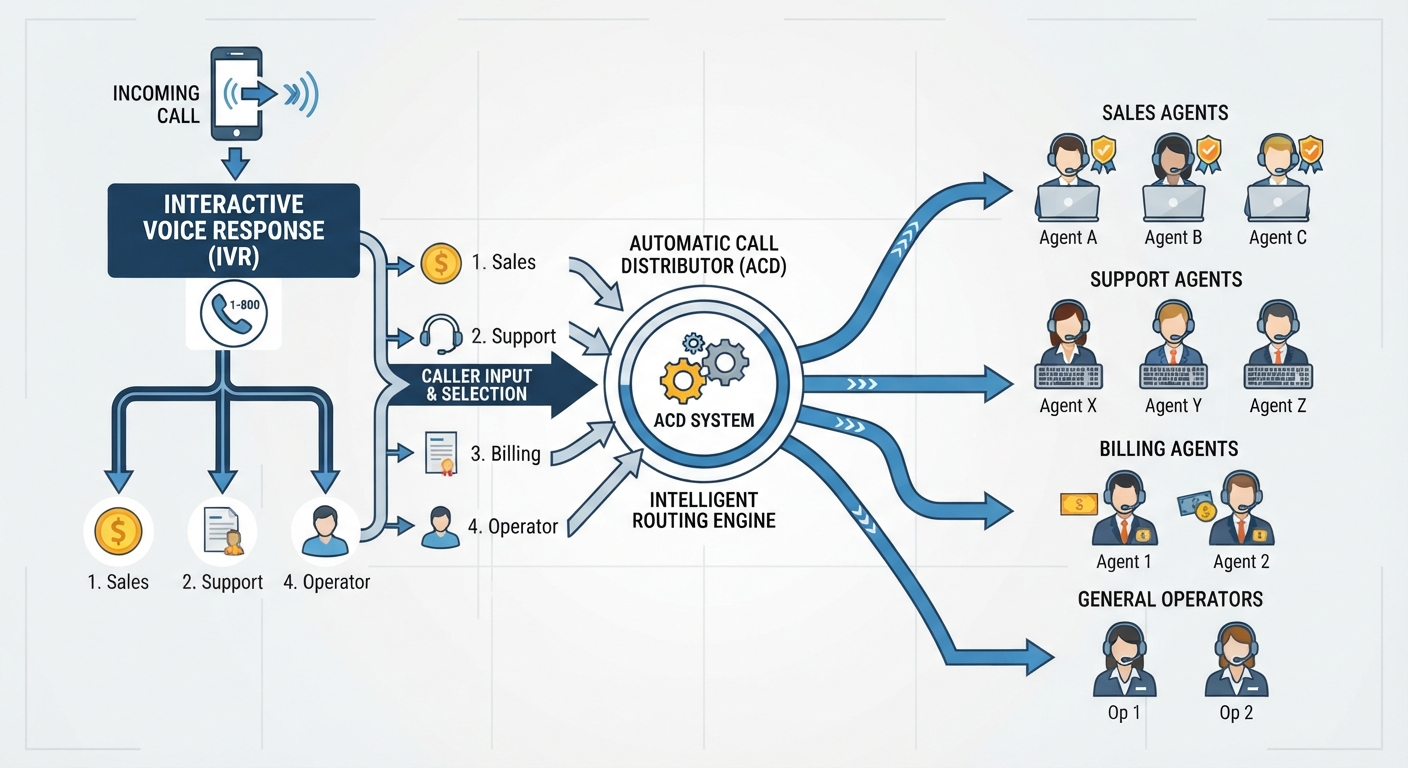
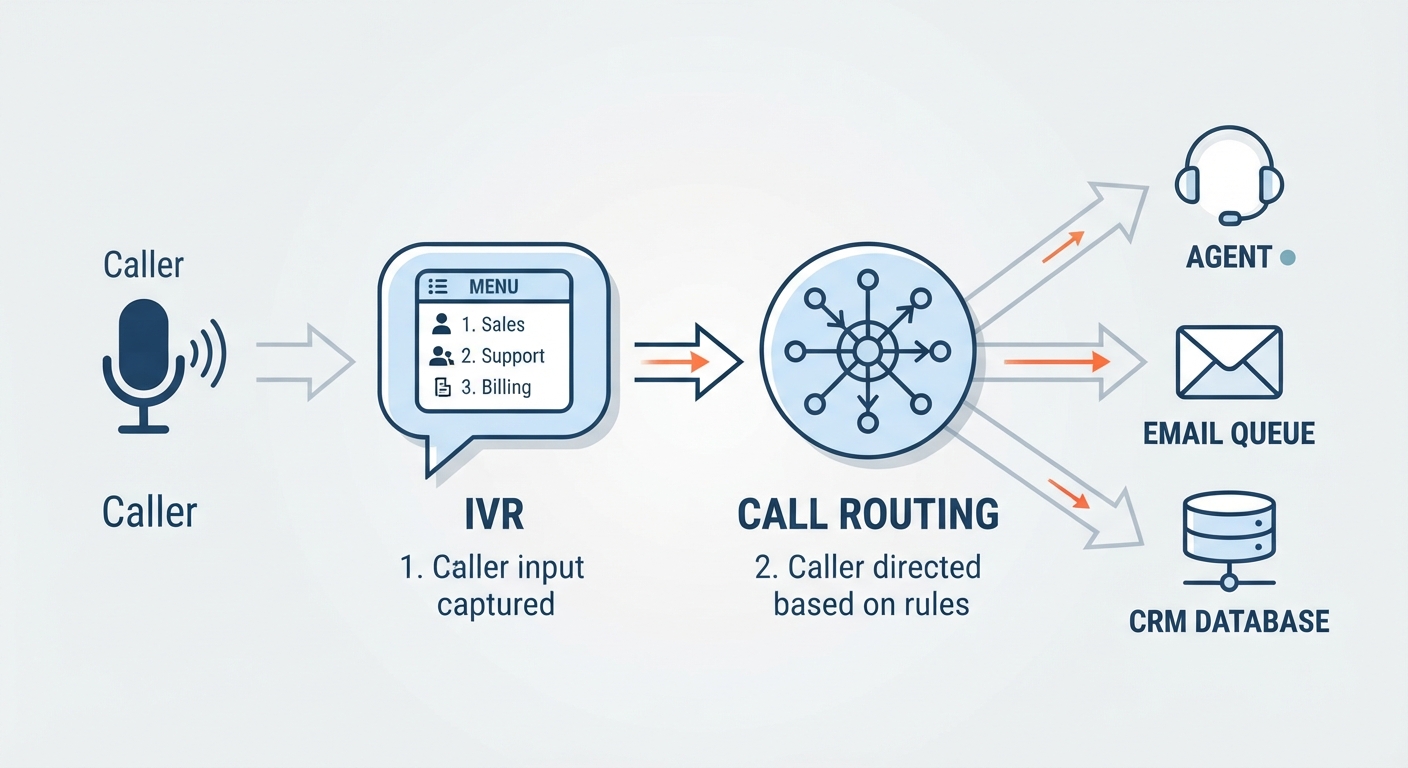
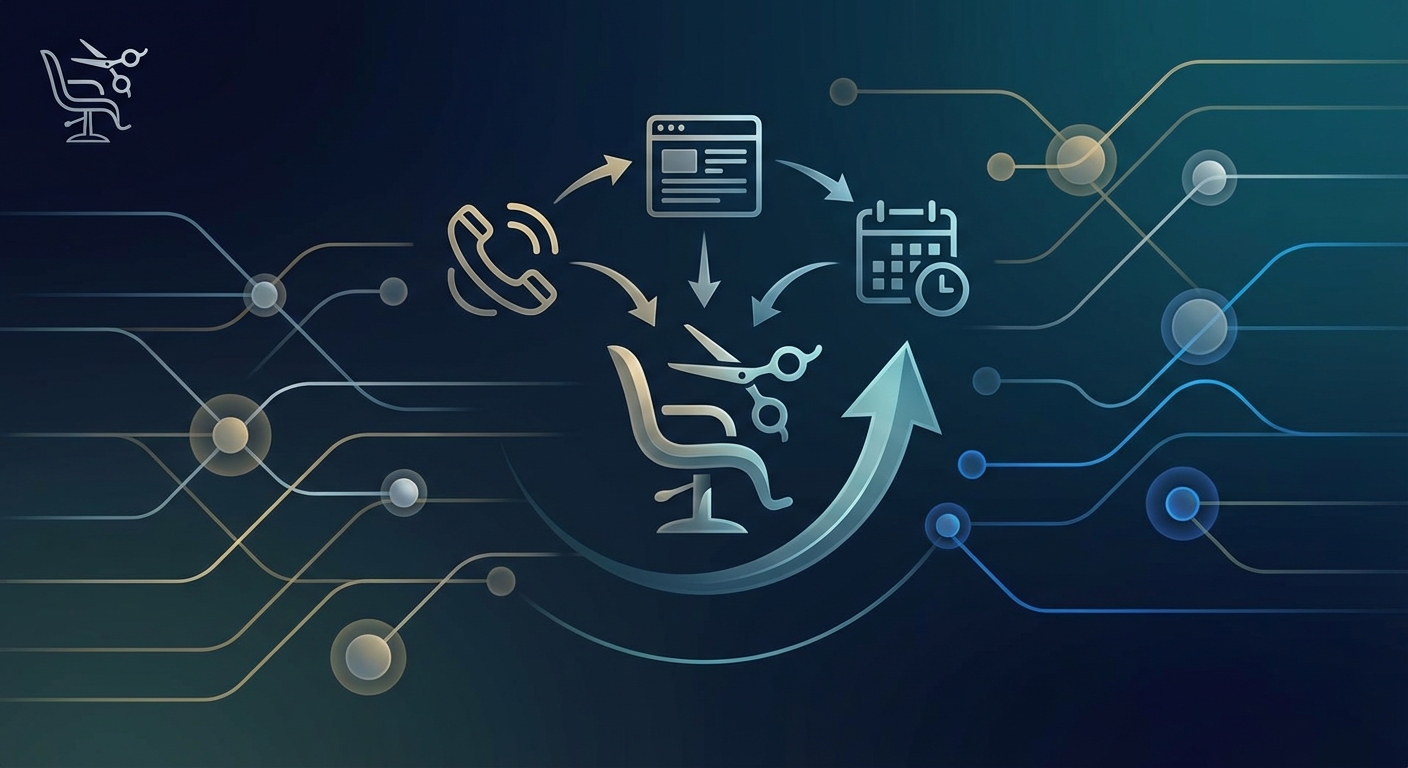
Basically, multi-modal booking is just a fancy way of saying all your stuff talks to each other. Instead of having a phone line, a website link, and a separate text number that all go to different places, you pipe them into one "source of truth."
When someone calls and you're busy, an ai receptionist picks up. It doesn't just take a message; it sends a text with a booking link or actually schedules the appointment right then and there.
- Unified Flow: Whether they find you on Instagram or call from a billboard, the experience stays the same.
- 24/7 Lead Capture: If a client gets a wild hair (pun intended) to book at midnight, they can. You don't lose that lead to the shop down the road that has online booking.
- Automated sms: According to Gartner, sms open rates are as high as 98%, which is wild compared to email. Using text to bridge the gap between a phone call and a booked slot is just smart business.

I used to think hiring a "virtual receptionist" (a real person in a call center) was the move. But honestly? It's kind of a headache. They often don't know your specific software, they make typos, and they cost a lot more per hour than a digital setup.
An ai receptionist is always on. It doesn't get "the Mondays" and it never forgets to ask if they want a deep conditioning treatment added on. Plus, setting it up takes like a single afternoon compared to weeks of training a new human hire.
A 2024 report by Invoca found that businesses using automated call handling see a significant drop in "abandoned" calls, which is basically just money left on the table.
So, instead of paying someone $20 an hour to sit there and wait for the phone to ring, you let the tech handle the boring stuff. This frees up your actual staff to focus on the clients who are already in the chair.
Next, we’re gonna dive into how you actually set this stuff up without needing a tech degree.
Proven strategies for reducing no-shows and cancellations
Honestly, nothing kills a salon’s vibe faster than a "no-show" when you could’ve filled that slot with a paying client. It’s basically like watching a $100 bill fly out the window while you’re just standing there with your shears in hand.
The trick to stopping this isn’t just hope—it’s hitting them on the right channel at the right time. Most people aren't trying to be rude; they just genuinely forget because life gets in the way.
- Instant text confirmations: The second your ai books a call, a text should hit their phone. It makes the appointment feel "real" immediately.
- Multi-channel reminders: Don’t just rely on one email that’ll end up in their promotions tab. A mix of an automated text 24 hours before and maybe a quick email 3 days out works best.
- Intelligent routing: If a VIP client calls with an "emergency" (like a botched DIY dye job), your system should know to route that straight to your personal cell. This works by integrating your ai with your crm or a "VIP" contact list so the system recognizes the caller ID instantly.
If your line is busy, you've basically lost that lead unless you act fast. A 2024 report by Zipwhip (now part of Twilio) highlights that most consumers actually prefer texting with small businesses for scheduling over any other method.

When you instantly text back a missed caller saying, "Hey, sorry we missed you! Want a booking link?", you turn a "lost" call into a lead. It’s a simple workflow that scales whether you're a solo booth renter or a 10-chair shop.
Next, I'll show you how to actually get this ai receptionist thing running without losing your mind over the tech.
Step by step guide to setting up your AI receptionist
So you've decided to let an ai handle the phones—smart move. Honestly, the hardest part is just getting your brain around the fact that you don't need a server room or a "tech guy" to make this happen. To get started, I recommend using a platform like Vapi or Bland AI—they’re built specifically for making these voice agents talk like real people.
- Connect your phone line: In your chosen platform (like Vapi), you'll buy a local phone number or "point" your existing business line to their servers using a simple call-forwarding command from your carrier.
- Sync your calendar: You gotta link your "source of truth." Most of these tools have a direct integration for Google Calendar or Mangomint. This ensures the ai doesn't book a highlight over your lunch break.
- Write the prompt: This is just telling the bot how to behave. You'll type out instructions like: "You are a friendly receptionist for [Salon Name]. Ask if they want a cut or color, then check the calendar for openings."
- Set up the "Action": You need to tell the ai what to do when someone picks a time. You'll connect it to your booking software via an api so it actually places the appointment on your schedule.
- Test it yourself: Call your own business line from a friend's phone. If the bot sounds too "robotic," tweak the greeting in the dashboard to be more casual.
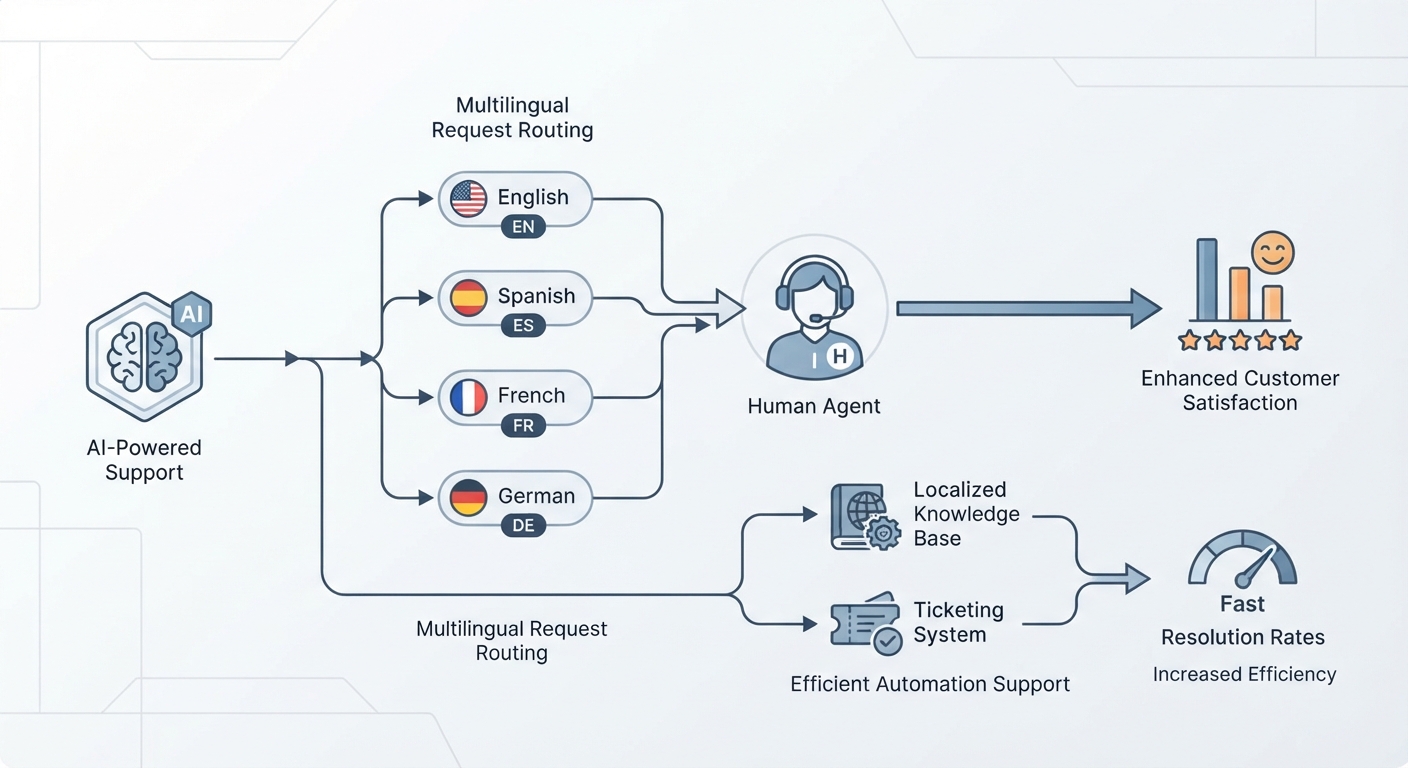
- Route calls intelligently: Use a "conditional" flow. If it’s a new client, send them to the booking bot. If it’s your mom calling for the tenth time, let it ring through to your cell.
- Industry specifics: Make sure the bot knows the difference between a "full set" and a "fill" so it blocks off the right amount of time.
Once it's live, don't just set it and forget it. Check your dashboard after a week. You'll probably see a bunch of "after hours" calls that you used to just... lose. Comparing the cost is the real eye-opener. A human receptionist costs at least $15-20 an hour plus taxes. Your ai system probably costs less per month than that person costs in a single day.
While setting up the tech is a huge win for today, it's also important to look at where the industry is headed so your shop stays ahead of the curve.
The future of salon operations in 2026
Looking ahead to 2026, the local salon scene is gonna look way different than it does now. We're moving past those clunky answering machines and toward a world where your phone line is basically an extension of your hands—always working, even when you're elbow-deep in a color correction.
The old-school way of hiring a call center is honestly dying out. These days, SOC2 or GDPR compliant voice ai is the gold standard. You don't need "hipaa" unless you're a med-spa doing medical stuff, but you definitely want something that is PCI compliant so your clients' credit card info stays locked down tight.
- Cost Efficiency: Traditional answering services usually charge by the minute or per call, which gets pricey fast. A 2024 report by Business.com notes that switching to automated systems can save small businesses up to 60% on monthly communication costs compared to live agents.
- Security First: Keeping data safe is huge. New ai tools use encrypted api connections to make sure your client list doesn't end up in the wrong hands.
- Market Edge: If you aren't using this tech by 2026, you're basically giving your competitors a head start.

Honestly, the "future" is already here. If you want to keep your chairs full and your stress levels low, it's time to let the bots handle the busy work. Stay ahead, stay automated.