LLM-integrated SIP trunking and VoIP architecture for low-latency voice AI

TL;DR
- This guide covers the technical and practical setup of LLM-integrated SIP systems to replace traditional phone answering. We explore how low-latency VoIP architecture reduces missed calls for salons and law firms while comparing the massive ROI of AI receptionists against the high salary costs of hiring human staff in 2026.
Why low latency matters for your small business phone system
Ever had that weird, five-second silence when you're talking to a bot and you aren't sure if it hung up or is just "thinking"? It's the absolute worst for business, honestly.
When a customer calls your salon or law firm, they want to feel like they're talking to a person, not a lagging computer from 1998. If your ai takes too long to reply, people just hang up. In fact, research found on ResearchGate shows that in high-stakes areas like emergency services, every second counts for reliability. While a hair salon isn't a life-or-death situation, the psychological impact on a customer's patience follows that same principle—if they have to wait more than a second for a response, they're gone. Industry standards actually suggest that for voice applications, keeping "mouth-to-ear" latency under 150-200 milliseconds is the real goal for a natural flow.
- Trust is fragile: If there is a lag, customers think the system is broken or, worse, that you don't value their time.
- Missed opportunities: For a dental office, a three-second delay might mean the caller just clicks the next listing on Google.
- Semantic clarity: Low latency isn't just about speed; it's about keeping the flow of conversation natural so the ai doesn't miss the context of what was just said.

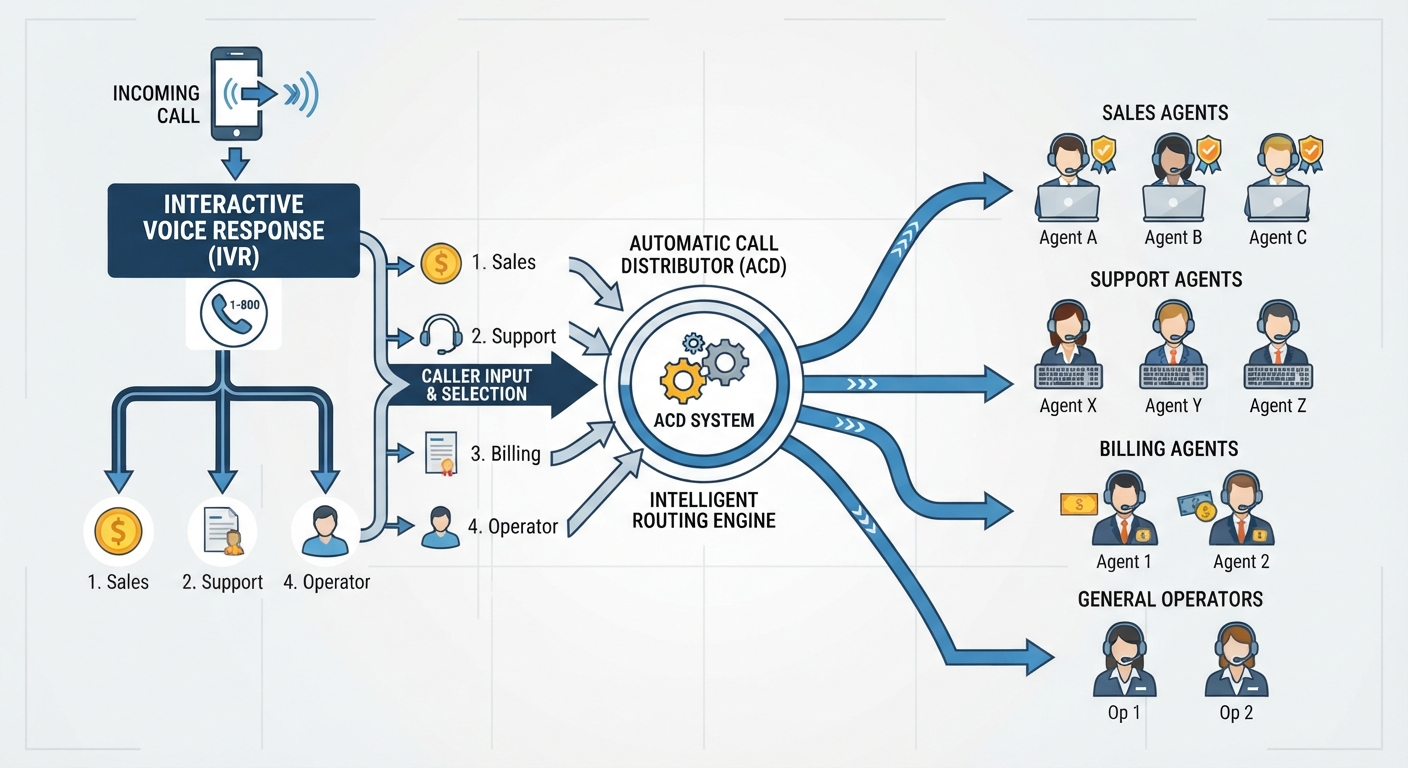
Traditional copper lines are becoming obsolete because they lack the flexibility for modern cloud-based llm integration. While they can technically carry data, they weren't built for the complex routing needed to process voice through an ai in real-time. Switching to voip and sip trunking allows you to route calls through the cloud where the ai can "listen" and respond without the jitter that kills voice quality.
Basically, if your sip trunking isn't optimized, your ai receptionist will sound like a glitchy mess. We're going to look at how to actually build this architecture next.
AI receptionist cost vs hiring receptionist in 2026
Let’s be real—hiring a human to sit at the front desk is getting expensive as hell. By the time you factor in a $45k salary, health insurance, and the inevitable "I’m sick" calls, you’re looking at a massive overhead that most small shops just can't swallow anymore.
When you hire a person for your dental office or HVAC business, the sticker price is never the final price. You've got payroll taxes, workers' comp, and the cost of training someone every time they quit (which happens a lot in front-desk roles).
- Hidden burnout costs: A human receptionist can only handle one call at a time. If three people call your law firm at 10 AM, you just missed two potential clients.
- The 24/7 gap: Most humans want to, you know, sleep. Answering services for after-hours usually charge per minute, which gets pricey fast.
- Turnover headache: A report by SHRM on the cost of hire highlights that training staff on compliance and company culture is a constant, recurring expense that most owners forget to budget for.
This is where things get interesting for 2026. AI platforms such as voksha ai allow small businesses to automate their phones so they don't take lunch breaks or ask for raises. You can basically set up a whole phone automation workflow in about five minutes.
For a salon, you can drop in a script that handles "Do you have openings for a trim Saturday?" without you ever touching the phone. It’s not just about saving money; it’s about capturing leads you used to miss because you were busy with a client.

Honestly, the roi for home services is wild. If an ai bot costs $100 a month and saves just one $500 plumbing job from going to a competitor, it’s already paid for itself five times over. Next, we'll dive into the actual technical bits of how this sip trunking stuff connects to the brain of the ai.
Technical blueprint: How to set up AI receptionist small business
So you've decided to let an ai handle your phones, but how do you actually make it happen without breaking everything? It is honestly less about the "code" and more about how you wire the pipes together so the voice doesn't lag out.
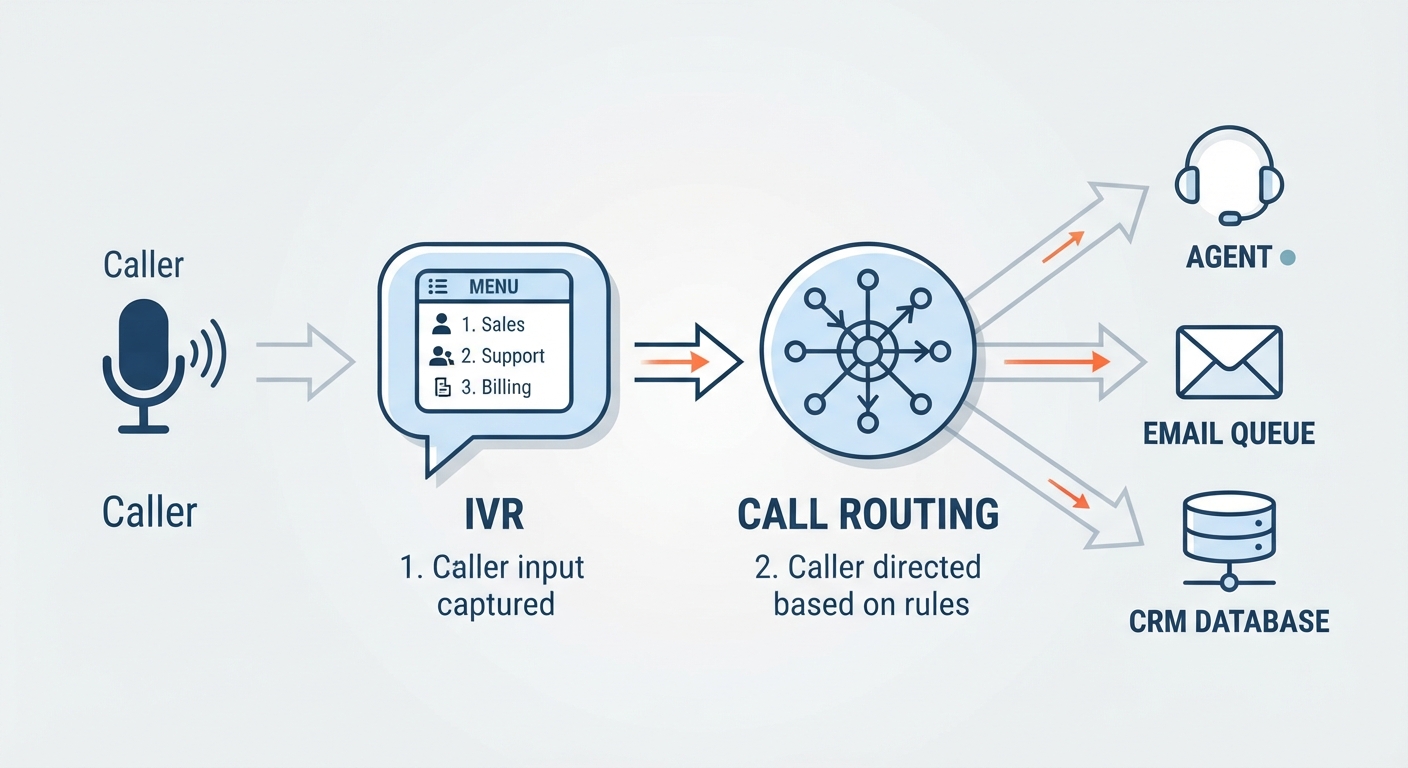
The first thing you need is a sip trunk, which is basically just a digital phone line that lives in the cloud. Instead of plugging a phone into a wall, you point your sip trunk to a server. This is where you connect it to an api from a provider like OpenAI or Anthropic.
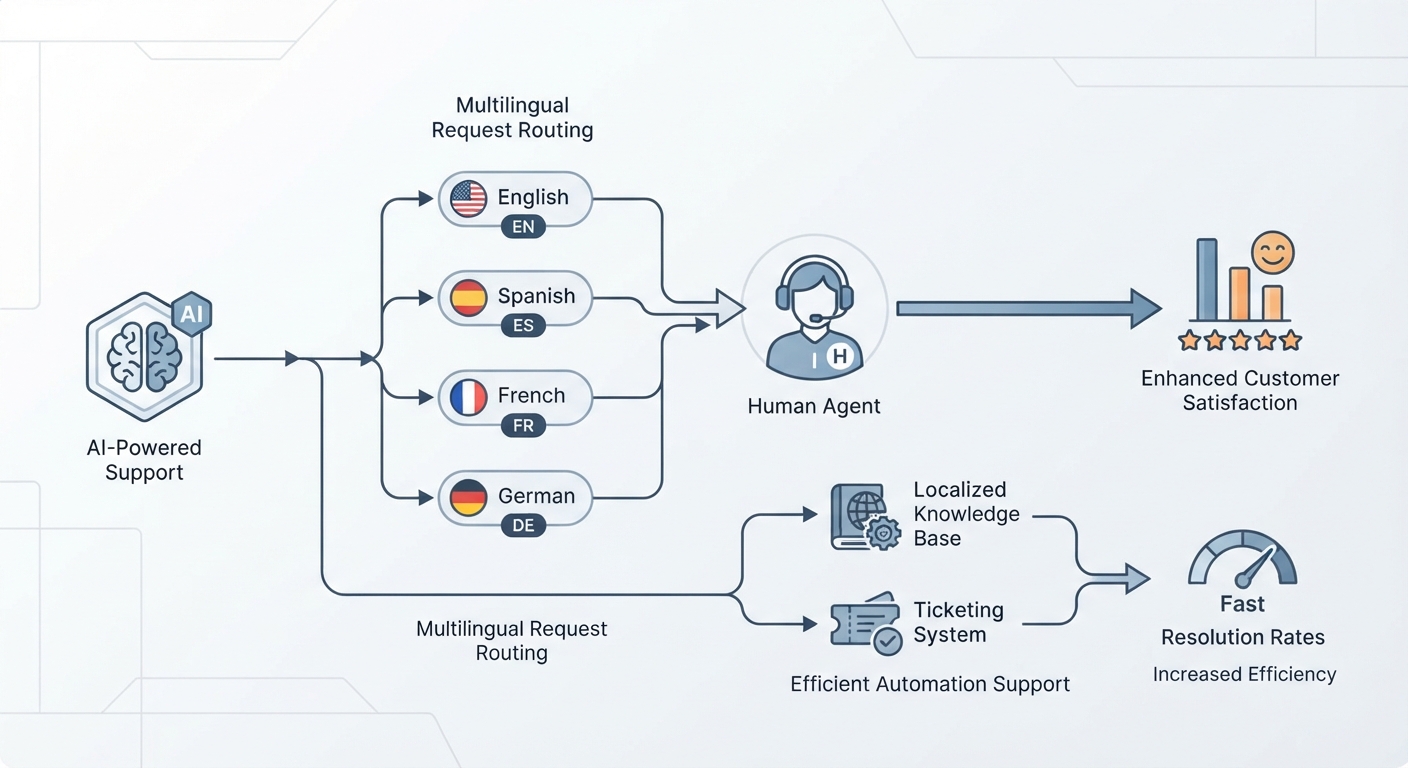
- STT (Speech-to-Text): This is the ear. It takes the customer's voice and turns it into text so the bot can read it.
- The LLM Brain: This is where the magic happens. The bot reads the text and decides what to say based on your business rules.
- TTS (Text-to-Speech): This is the mouth. It turns the bot's written reply back into a voice.

If you're running a dental office or a medical clinic, you can't just throw data around. You need hipaa compliant setups. This means using encrypted connections—specifically TLS for the signaling and SRTP for the actual voice data.
As noted earlier, keeping latency low is the goal. If you're routing through too many servers, the "thinking" pause makes you look unprofessional.
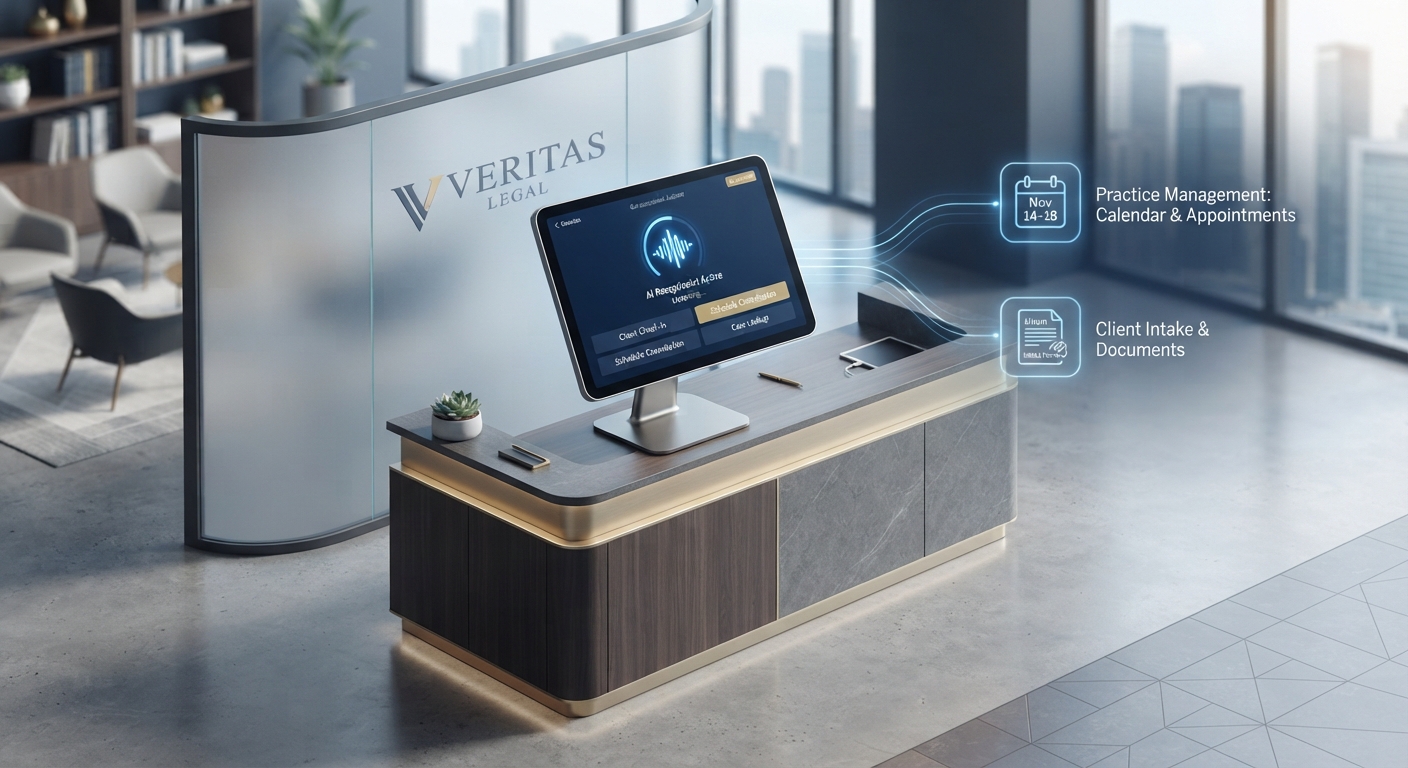
The best part is that you don't have to write down notes anymore. You can set up a "hook" that sends the call transcript straight to your CRM like Clio for lawyers or a simple Google Calendar for a salon.
A 2023 report from Twilio shows that businesses using automated api workflows for voice see a massive jump in lead capture because the bot never gets tired of answering "Where are you located?" at 3 AM.
Next, we're going to look at industry-specific strategies and how to use these tools to capture every single lead that calls your shop.
Industry specific strategies to reduce missed calls
Honestly, missing a call is just throwing money in the trash. When someone calls a law firm or a salon, they usually aren't going to leave a voicemail; they're just gonna click the next person on the list.
For law firms, the biggest headache is intake. You don't want your high-paid paralegals spending all day asking "what is your name?" and "was anyone injured?". An ai can handle the entire initial screening. It collects the basic facts and puts them right into your crm, so when you actually call the lead back, you already know if it's a case worth taking.
Salons have a different problem: no-shows. People are forgetful, it happens. But if your system sends an automated text reminder or allows them to reschedule via a quick phone bot, your "ghost" rate drops fast. The Twilio data mentioned above shows that these automated workflows really do catch those 3 AM requests that usually get lost when your shop is closed.
- Dental offices: You can automate the "do you take my insurance?" question which probably takes up 40% of your front desk's time.
- Auto-reminders: Syncing the phone system to your calendar means the bot can actually offer open slots instead of just taking a message.
Traditional answering services are kind of a rip-off in 2026. They charge per minute, the operators often sound bored, and they make mistakes. An ai receptionist doesn't get "call fatigue." If you're a restaurant, the bot can handle a reservation while you're slammed with the dinner rush, instead of letting the phone ring off the hook.

The goal is a "zero-miss" workflow. Even if you can't answer, the system should immediately trigger a follow-up. It makes the customer feel seen, and more importantly, it keeps them from calling your competitor. Basically, you're turning your phone system into a 24/7 sales rep that never asks for a lunch break.