Intelligent Call Routing: How AI Sends Every Call to the Right Person

TL;DR
- This guide covers how small businesses use intelligent call routing to stop losing leads to voicemail. We dive into the tech behind ai receptionists, comparing costs against human staff and virtual services. You will learn how to set up automated workflows that qualify callers and book appointments directly into your calendar without lifting a finger.
The Messy Reality of Small Business Phone Calls
Ever feel like your business phone is just a black hole for potential revenue? I’ve talked to so many salon owners and lawyers who are basically terrified of their own ringtone because they know they can't pick up fast enough.
Honestly, if you aren't answering the phone, you're just handing money to your competitors. Most people today have zero patience; they want an answer now, not a "we'll call you back" message that usually never happens anyway.
- The Instant Bounce: Studies show that a huge chunk of customers—some say over 60%—hang up out of frustration when they can't reach a real person. In industries like HVAC or plumbing, that caller is already dialing the next business on Google before your voicemail even finishes.
- High Stakes: For a law firm, a missed call isn't just a nuisance—it could be a five-figure retainer walking out the door.
- After-Hours Ghosting: Most "emergencies" happen when you're at dinner or sleeping, and traditional answering services are often too slow or too expensive for a small shop.

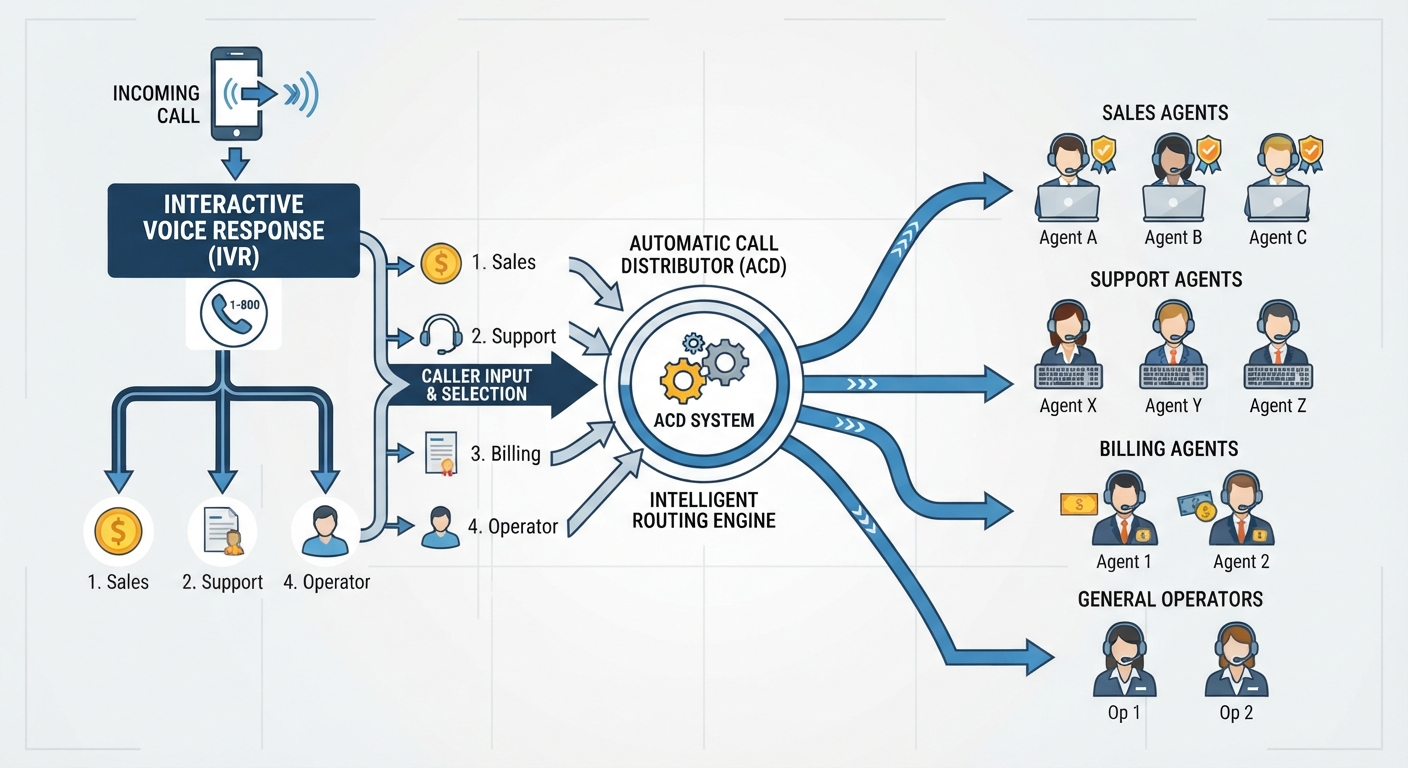
The old "press 1 for sales" menus are basically a relic at this point. They're clunky and people hate navigating them while they are driving or busy.
Modern AI doesn't just "route" calls; it understands what the person actually wants. If a patient calls a dental office saying "my tooth really hurts," the system knows that's an emergency and skips the general billing queue entirely. It’s about intent, not just pushing buttons.
We're moving toward a world where the phone actually helps you work, rather than just being a distraction. Next, let's look at how this tech actually sorts the chaos and what it’s gonna cost you compared to a human.
The Real Cost: AI Receptionist vs Hiring a Human
Let's be real—hiring a human to sit at a desk for 40 hours a week is getting incredibly expensive. Between the base salary, taxes, and those "hidden" costs like health insurance and coffee breaks, you're looking at a massive line item on your balance sheet.
When you hire a person, you aren't just paying for their time. You're paying for their desk space, their training, and the inevitable turnover when they find a better gig. According to Salary.com, the average salary for a receptionist in the U.S. is around $34,000 to $43,000, and that doesn't even touch the benefits package.
Compare that to an AI system that usually runs on a flat monthly fee—often less than what you’d pay for a single day of a human's labor.
- No Sick Days: The AI doesn’t catch the flu or need a vacation during your busiest season.
- Zero Training Lag: Once you set the rules, it knows them forever. You don't have to retrain it every six months when a new hire starts.
- Scale on Demand: If ten people call at once, the AI answers all ten. A human can only handle one, maybe two if they're a master of the "please hold" button.

Some folks try to bridge the gap with virtual receptionists—real people in a call center somewhere. But honestly, those per-minute charges add up fast. If a caller is chatty, you’re literally watching your profits drain away while they talk about the weather.
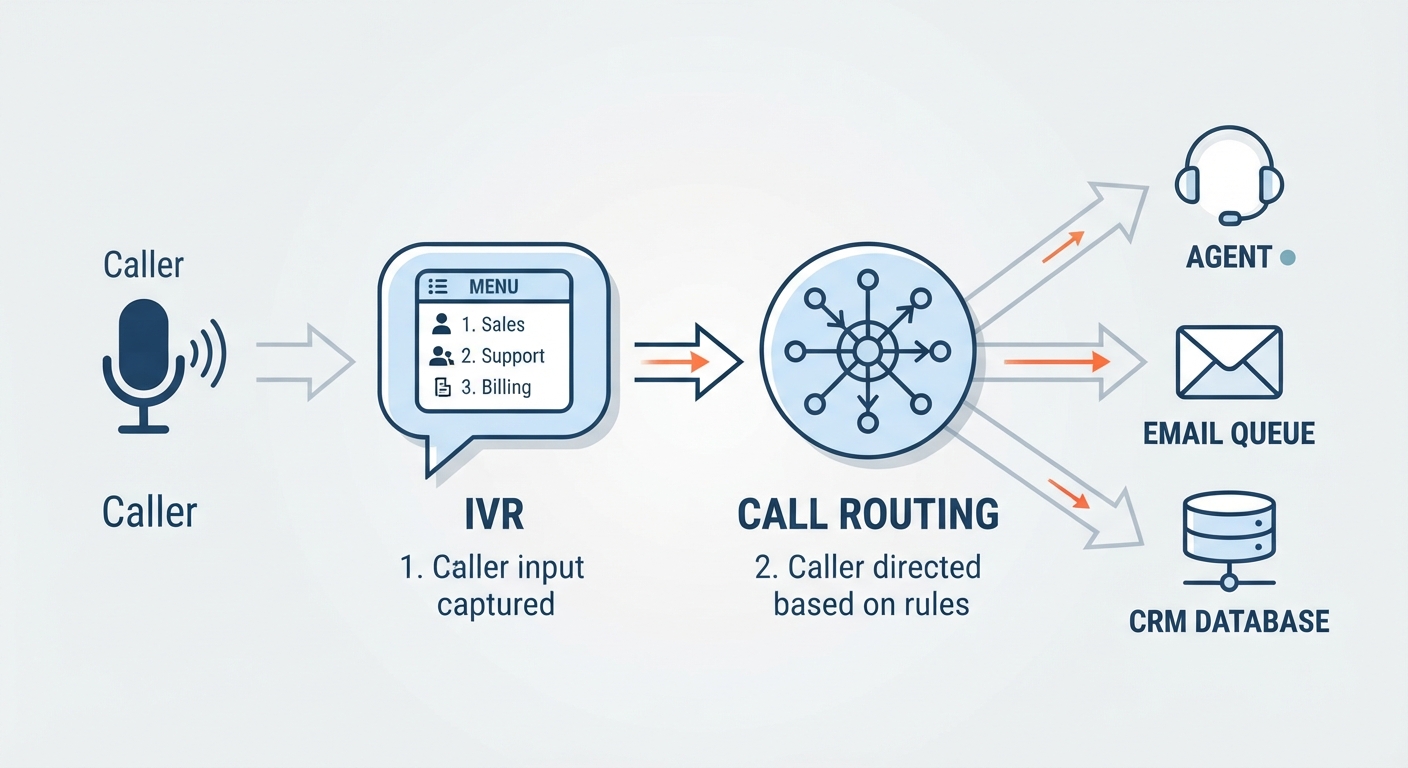
Plus, those services often struggle with accuracy. Ever get a message where the name is spelled wrong or the "urgent" note is actually just a sales pitch? AI handles the data entry perfectly every time because it connects directly to the software systems you already use, like your CRM or booking tools.
Next up, we’re going to look at how to actually get this thing running in your office.
How to set up AI receptionist small business workflows
Setting up an AI receptionist isn't nearly as scary as people think, honestly. You don't need a degree in computer science—you just need to know how your business actually talks to people on a daily basis.
Getting started usually takes about twenty minutes if you've got your login info ready. Most people start by connecting their existing business number, which usually involves a simple call forwarding step so the AI can grab the calls you miss.
- Industry-Specific Scripts: You don't start from scratch. If you’re a law firm, the system already knows you need to ask about "case types." If you're a dentist, it knows "tooth pain" is a priority. You just tweak the tone to match your brand.
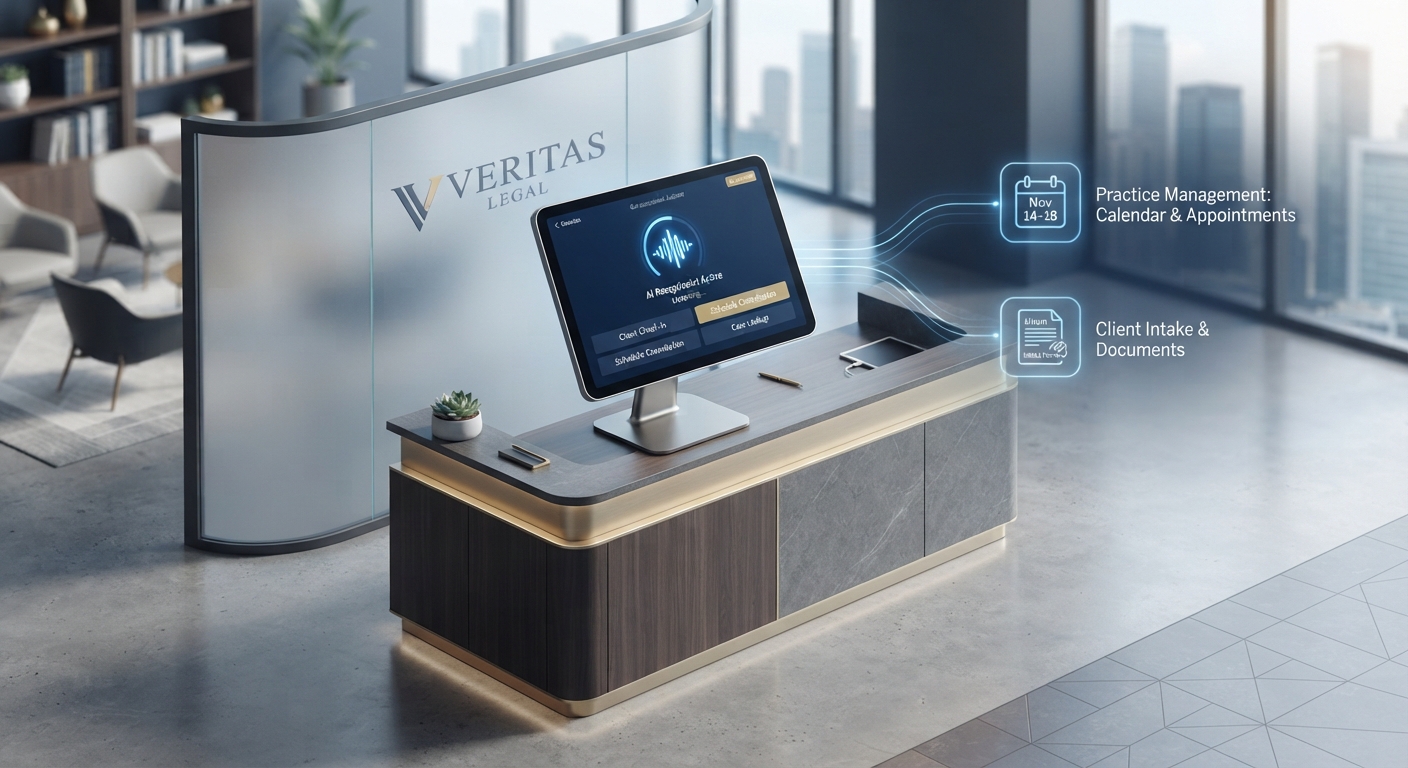
- Calendar Sync: This is the big one. You plug it into google calendar or specialized tools like Clio for lawyers. The AI sees when you're actually free and books the slot without you lifting a finger.
- Instant Text-Back: This is a standard part of the setup. If the AI can't solve a problem on the call, it sends a text to the caller immediately so they don't feel ignored.
- After-Hours Magic: You set "active hours" so the AI handles the midnight callers while you're actually sleeping. It’s a way better alternative to those expensive answering services that just take a messy handwritten note.
The real secret sauce is how the AI filters the noise. Not every phone call is a "good" call, right? We’ve all dealt with those annoying robocalls about our car's extended warranty.
- Automated Questioning: The AI asks the basic stuff—name, reason for calling, and budget—before it even alerts your team.
- Spam Killing: It recognizes bot patterns and filters out the junk so your phone isn't buzzing with nonsense all day.
- High-Value Tagging: If someone mentions a "personal injury" or a "full mouth reconstruction," the system tags it as high priority.
According to a 2024 report by Invoca, about 76% of consumers will stop doing business with a company after just one bad communication experience. That's why getting the routing right on the first try is so huge for your bottom line.

It’s basically like having a gatekeeper who never gets tired or takes a lunch break. But what does this actually look like when things get complicated? Next, we're diving into how the AI handles those tricky, multi-step conversations.
Industry Specific Solutions and Complex Conversations
Every industry has those "nightmare" calls that always seem to ring through right when you're elbow-deep in work or finally sitting down for lunch. It's not just about answering; it's about knowing if that caller needs an emergency plumber or just wants to check your holiday hours.
Handling the Multi-Step Conversation
People worry that AI can't handle "real" talk, but it’s actually great at following a logic tree. For example, in a Lead Qualification flow, the AI doesn't just say hello. It goes through a series of steps:
- Step 1: Identifies the service needed (e.g., "I need a new water heater").
- Step 2: Checks for urgency ("Is it leaking right now?").
- Step 3: Gathers location data to see if they're in the service area.
- Step 4: Looks at the calendar and offers a specific time slot. If the caller goes off-track, the AI gently brings them back to the next step until the goal is met.
In a law office, every call is a potential five-figure case, but you can't spend all day doing intake. AI systems now handle the heavy lifting by asking the "qualifying" questions—like what kind of injury happened or if there’s a court date—before you ever pick up the phone.
For medical and dental offices, staying hipaa compliant is the big hurdle. You need a system that doesn't just record data but encrypts it properly so patient privacy isn't at risk. A 2023 report by PatientPop showed that over 60% of patients prefer digital scheduling options, which AI handles by syncing with your practice management software.
- Intake automation: AI asks the basic "conflict of interest" questions for lawyers so you don't waste time on cases you can't take.
- No-show reduction: The system sends automated text reminders that actually "talk back," letting patients reschedule without calling the front desk.
- Urgency detection: It can distinguish between a routine cleaning and a "my crown fell out" emergency.

Restaurants face a different beast: the Friday night rush. Instead of letting the phone ring off the hook, AI handles reservations and even answers questions about the menu or parking. It’s way more efficient than an online booking form because it feels like a conversation, which keeps people from hanging up and trying the bistro down the street.
Next, we're gonna wrap things up by looking at how to measure if this tech is actually making you money or just another monthly bill.
Maximizing ROI and Lead Conversion
Honestly, at the end of the day, you just want to know if this tech actually pays for itself. If you're still manually chasing missed calls every evening, you're basically working a second job for free.
The real ROI comes from that "speed to lead" factor. A 2024 report by Lusha found that reaching out to a lead within five minutes makes you 100x more likely to actually connect with them. AI doesn't just "reach out"—it captures them before they even hang up.
- The Instant Text-Back: As we mentioned in the setup, if you can't answer, the AI sends a text immediately. "Hey, sorry I missed you, want to book a time?" This keeps them from calling the next business on google.
- CRM syncing: Don't let data die in a notebook. The AI pushes the caller's name and intent straight into your tools like Salesforce or Clio.
- Measuring Success: Check your "call-to-appointment" ratio. If it goes from 20% to 50%, the system just paid for itself ten times over.

It’s about making sure no money falls through the cracks while you're actually living your life. Pretty simple, right?