How AI Lead Qualification on Phone Calls Doubles Your Sales Conversion

TL;DR
- This guide covers how automating lead qualification via ai phone systems eliminates dead-end calls and captures high-value prospects instantly. You will learn the specific steps to set up an ai receptionist, compare costs against traditional hiring, and see why real-time qualification is the secret to doubling your conversion rates without increasing your marketing spend.
The hidden cost of missed calls and poor lead filtering
Ever had that "gut punch" feeling when you check your call log at 5 PM and see four missed calls from area codes you don't recognize? You just know at least two of those were ready-to-pay customers who already moved on to your competitor because you didn't pick up.
Honestly, nobody likes leaving voicemails anymore. It feels like shouting into a void. If you’re running a local service business, like a hvac company or a law firm, a missed call isn't just a "try again later"—it’s a lost contract.
- The 5-minute rule: If you don't respond to a lead within five minutes, your odds of qualifying them drop by 80%. Most people just hit the next name on Google.
- Ghosting is real: A study by BrightLocal back in 2022 showed that 60% of customers prefer calling a local business, yet many small shops miss up to 25% of those incoming calls.
- The "Tire-Kicker" Drain: When you do answer, half the time it's someone asking for a price you don't offer or someone outside your service area. That's time you aren't spending on actual billable work.

There is a massive gap between just "picking up the phone" and actually filtering a lead. Traditional answering services are often just glorified note-takers. They take a name and number, but they don't know if the caller is a "hot" lead for a $10k dental implant or just someone checking if you're open on Sundays.
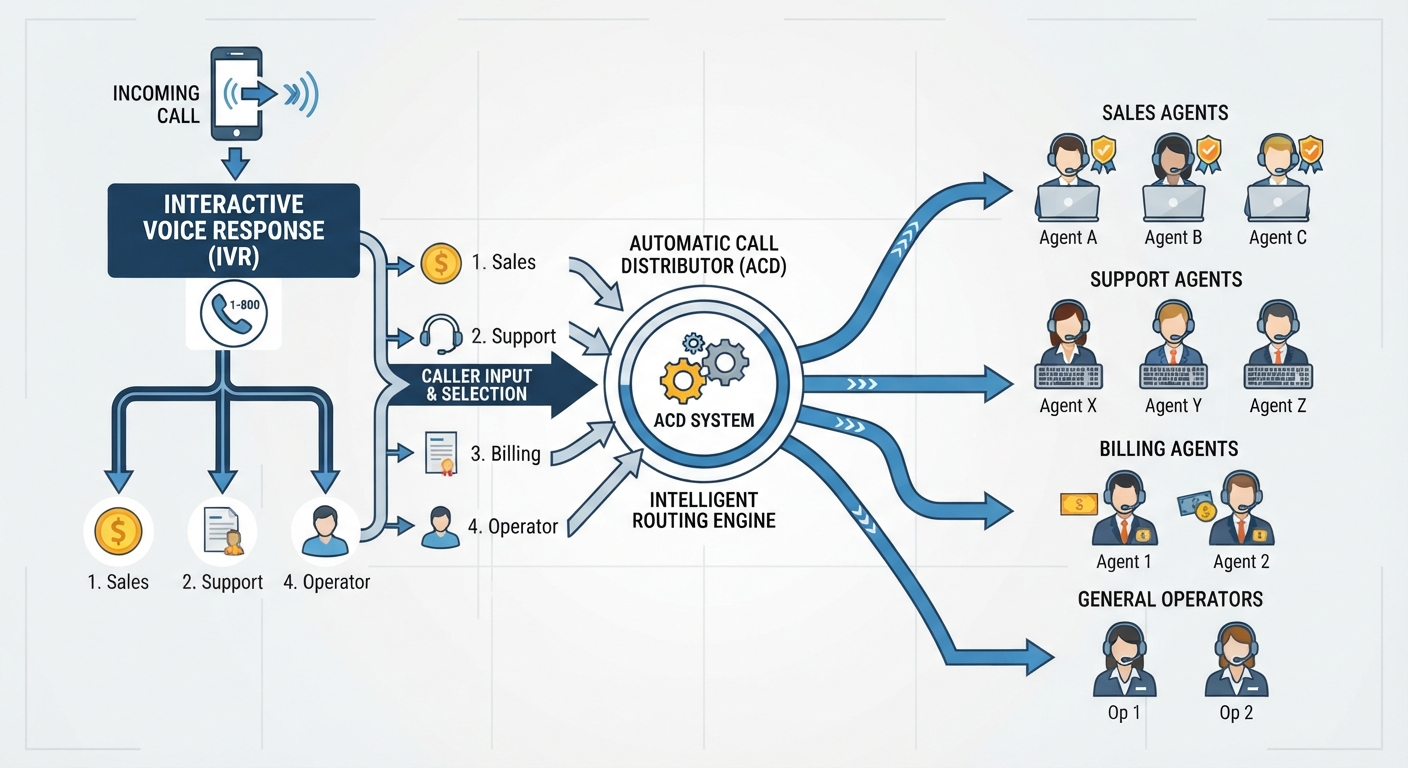
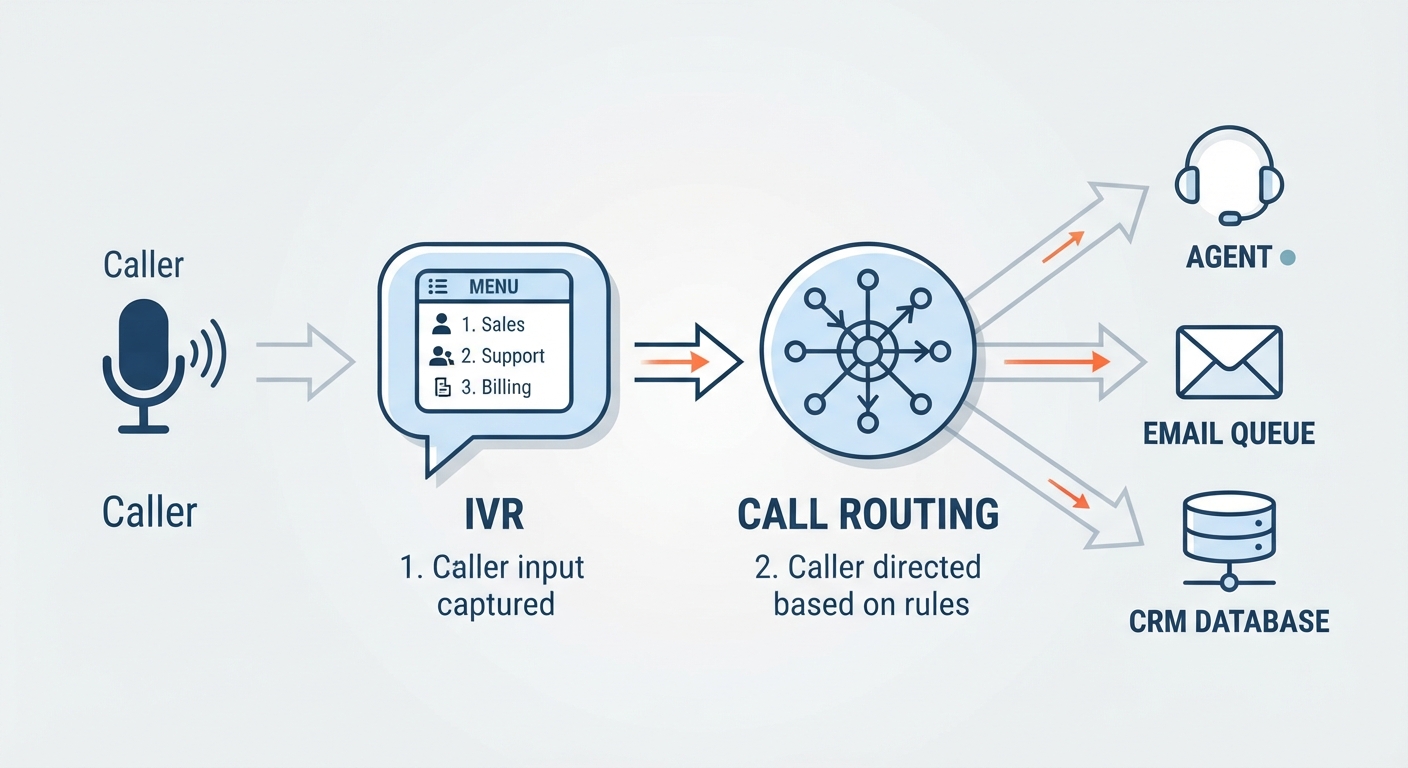
True ai lead qualification handles the heavy lifting by asking the "deal breaker" questions right away—like insurance types for clinics or project budgets for contractors. This means your team only spends energy on the calls that actually move the needle.
We're going to dive into how you can actually automate this without losing that "human" touch your clients expect.
AI receptionist vs virtual receptionist: The 2024-2026 cost breakdown
So, let's talk numbers because at the end of the day, your bank account doesn't care about "innovation" unless it actually saves you some cash. Hiring a full-time receptionist in 2024 is getting pricey—we’re talking a median salary of about $35,000 to $45,000 plus benefits, taxes, and the occasional awkward office birthday cake. By 2026, experts predict these labor costs will rise another 10-15% as the demand for in-person staff grows.
When you look at the raw data, the gap is kind of wild. A traditional virtual receptionist agency usually bills you by the minute or a flat monthly fee that climbs fast as your business grows. On the other hand, ai subscription models are starting as low as $14/mo for basic setups.
- The "Hidden" Tax: With a human staffer, you're paying for lunch breaks, sick days, and training time. An ai doesn't need to learn where the coffee filters are kept.
- Scaling without Pain: If you're a dental office and suddenly run a huge promo, a human receptionist gets overwhelmed. The ai just handles ten calls at once without breaking a sweat.
- 24/7 Reality: Most answering services charge a premium for after-hours or weekends. For an automated system, 2 AM on a Tuesday is the same as 10 AM on a Monday.

Think about your "whale" clients. If you're a law firm, one missed personal injury lead could be worth five figures. According to Zippia (2023), the average hourly wage for receptionists keeps climbing, making the "cost per call" for a human significantly higher than a digital counterpart.
If an ai captures just one extra booking a week by answering a 9 PM call, it’s already paid for itself ten times over. Plus, these systems can fire off automated text reminders, which is huge for reducing no-shows in salons or clinics. Honestly, it's less about replacing people and more about not burning money while you sleep.
Next, we're gonna look at how to actually get this thing running without needing a computer science degree.
Implementing your ai lead qualification system step by step
Setting up an ai receptionist isn't nearly as scary as it sounds, and honestly, you don't need to be a "tech person" to get it right. Most small business owners I talk to are worried about it sounding like a robot from a 90s movie, but the tech has moved way past that now.
There are several tools out there—for example, some law firms use specialized legal bots, while others use more general platforms like voksha ai to handle their intake. I’ve seen folks get a system like voksha ai running in about the time it takes to grab a coffee. You basically just upload your "brain"—which is just a fancy way of saying your common FAQs and pricing—and the ai learns how to talk to your customers.
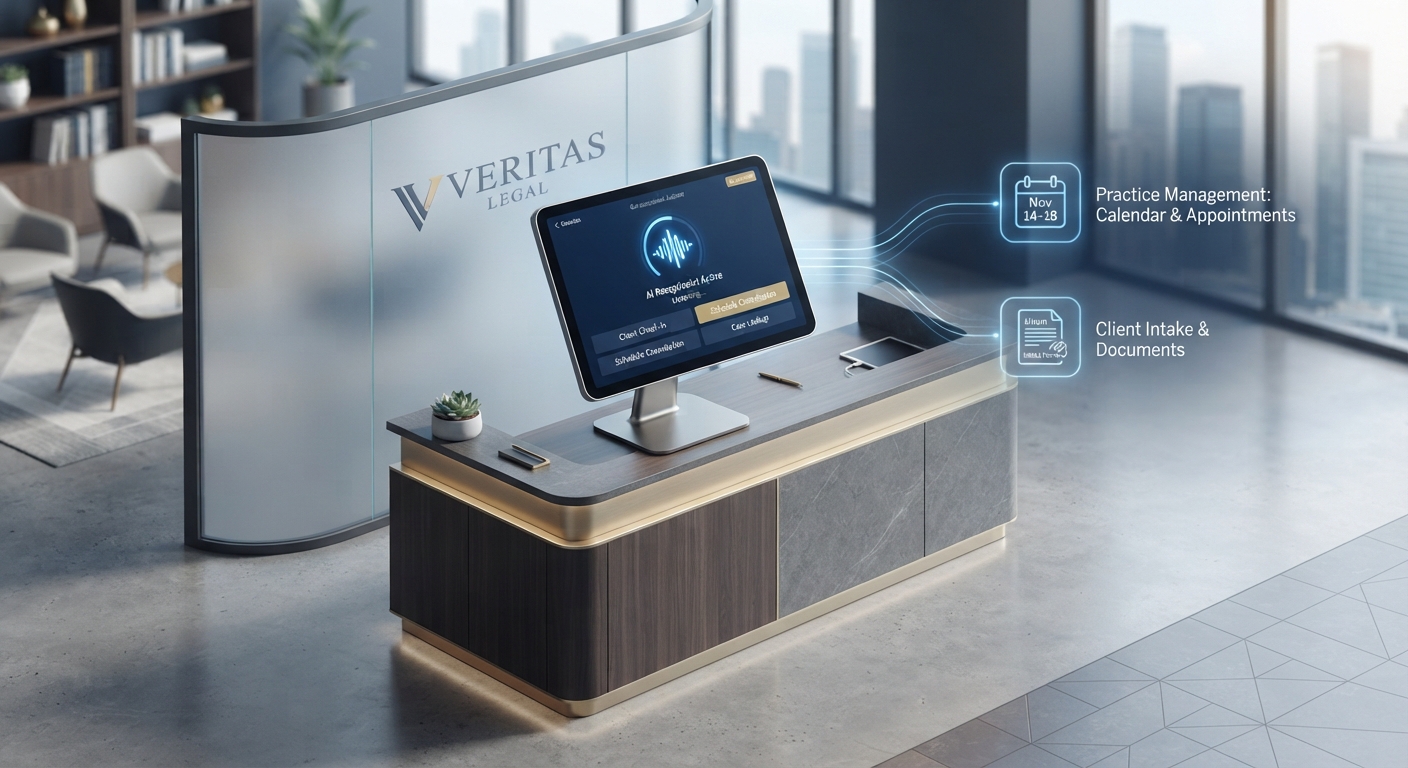
- Connect your calendar: Whether you use Google, Outlook, or something industry-specific like Clio for lawyers, the ai checks your real-time availability. No more playing phone tag just to find a 2 PM slot.
- Scripting that actually sounds human: You can tell the ai to be "friendly and casual" for a salon or "professional and empathetic" for a medical clinic. It uses these guidelines to handle the call without sounding like a script.
- Instant CRM Sync: When a lead calls, the ai can automatically push their info into Salesforce or HubSpot. You walk into the office the next morning and your "to-do" list is already built.
- Security & Compliance Setup: If you're in healthcare or law, you need to ensure your provider signs a Business Associate Agreement (BAA) for HIPAA or meets legal data privacy standards. Make sure to toggle on "Data Encryption" in your settings so you stay compliant while being efficient.
- The "Safety Net" Text: If the ai can't answer a super niche question, it doesn't just hang up. It can send an immediate text-back saying, "Hey, I'm getting a human to look at that specific part for you," which keeps the lead from calling your competitor.

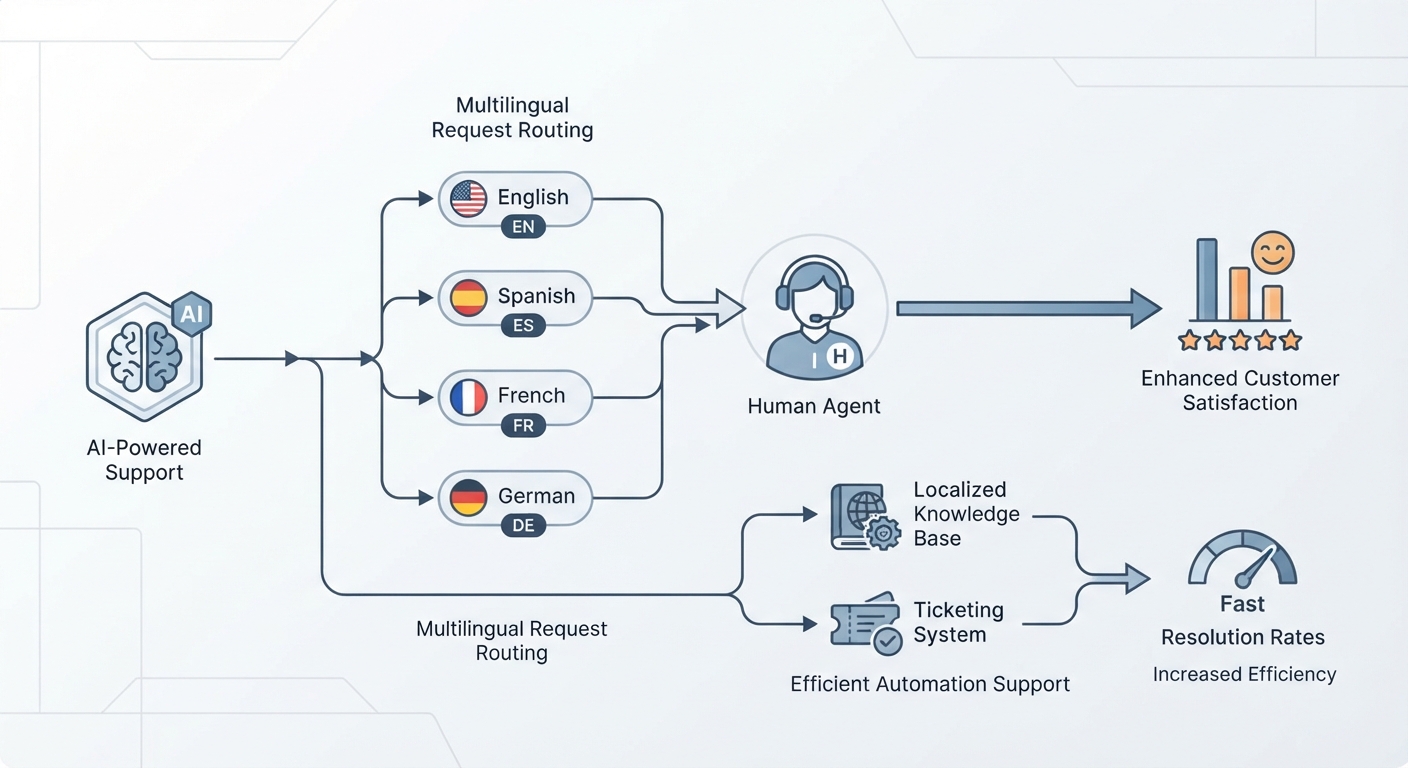
According to Invoca (2023), about 76% of consumers will stop doing business with a company after just one bad communication experience. That's why intelligent routing is key; if a caller sounds frustrated or has a genuine emergency, the ai knows to hand that off to a real person immediately.
It’s all about balance—letting the machine handle the "What are your hours?" calls so you can handle the "I need a lawyer right now" calls. Now that you know how to set it up, let's see how this tech actually performs in the real world across different industries.
Industry specific tips for maximizing phone conversions
So, you've got the tech, you know the costs, but how does this actually look when a real person calls your shop? It’s one thing to talk about "efficiency" and another to see a busy dental office stop losing $500 appointments because the front desk was stuck on a 10-minute insurance call.
For law firms, the biggest headache isn't just answering the phone—it's the "tire kickers" who don't even have a case. An ai can run a basic conflict check and ask, "Was the accident in the last two years?" or "Do you already have an attorney?" before you ever waste a billable hour talking to them.
In a dental setup, it’s all about the after-hours emergency. Instead of a vague voicemail, the ai asks if they have swelling or pain, then pings the on-call dentist only if it's a real crisis. For regular stuff like cleanings, it just texts them a booking link so your staff doesn't arrive Monday morning to a mountain of voicemails.
Salons are another world entirely. Nothing kills a stylist's flow like stopping a haircut to check the book. By syncing the ai directly to your calendar, clients can reschedule or book a "balayage plus trim" at 11 PM while they’re scrolling Instagram, and it shows up in your system automatically.
If you're in HVAC or plumbing, you know that when a pipe bursts, the first person to answer the phone gets the job. During peak summer heat, your phone probably blows up. An ai handles the overflow, grabs the address, and tells the customer, "A tech will be there between 2 and 4," which stops them from calling the next guy on Google.
Restaurants have a different struggle—the "is there a table for four at 7?" call during the Friday night rush. A study by Popmenu (2023) showed that 1 in 4 guests will go elsewhere if they can't get a quick answer about reservations. Letting an ai handle the "do you have outdoor seating" and "can I book for tonight" questions keeps your hosts focused on the guests actually standing in front of them.

Honestly, the "secret sauce" is the immediate follow-up. If someone hangs up without booking, a quick text saying, "Sorry we couldn't chat longer, here's our pricing guide" keeps the lead warm. It’s about being present when you're physically not, which is basically the only way to scale a small business without losing your mind.
Final Thoughts: Stop the Bleeding
At the end of the day, those missed calls are just money leaking out of your business. Whether you're a doctor, a lawyer, or a plumber, the "hidden cost" of being unavailable is way higher than the price of any software. By switching to an ai-driven system, you save on hiring costs, filter out the junk leads, and make sure every "whale" that calls actually gets a response. It’s an easy win for your bottom line and your sanity. If you haven't looked into automating your front desk yet, 2024 is the year to finally stop the gut-punch of a missed call log.