HIPAA Compliant Phone Answering: Essential Solutions for Law and Dental Offices

TL;DR
- ✓ Missed calls significantly reduce conversion rates for law and dental practices.
- ✓ HIPAA compliance requires end-to-end encryption and immutable audit logs for security.
- ✓ Modern practices must balance instant caller gratification with strict data privacy regulations.
- ✓ Hybrid AI and human receptionist solutions optimize both efficiency and caller experience.
In 2026, the silence of a missed call isn’t just an annoyance—it’s the most expensive sound in your office.
For law firms and dental practices, the difference between a thriving business and one barely keeping the lights on boils down to a single, brutal metric: how fast you pick up the phone. When a potential client or patient dials your number, they want an answer right now. If they hit your voicemail? You’re in trouble. Clio’s Guide to Legal Intake makes it clear: your chances of conversion crater by 60-70% if you don’t engage within the first sixty minutes.
You need a phone system that’s lightning-fast, sure. But it also has to be an absolute fortress when it comes to federal privacy standards. HIPAA-compliant answering isn’t a "nice-to-have" for the tech-obsessed anymore. It’s the bare minimum for survival.
Why Your Current Strategy is Bleeding Revenue
Let’s talk about the "Consumer Expectation Gap." Your clients and patients are addicted to instant gratification. They’ve been conditioned by apps that deliver food, rides, and answers in seconds. They don't care that it's 8:00 PM on a Tuesday or 9:00 AM on a Saturday. If they reach out, they expect a heartbeat on the other end.
When your front desk is buried under a mountain of paperwork or juggling a six-line switchboard during the lunch rush, the phone is the first thing to get ignored. It’s a classic bottleneck. Your staff—highly skilled professionals hired for their expertise—end up spending 40% of their day playing phone tag.
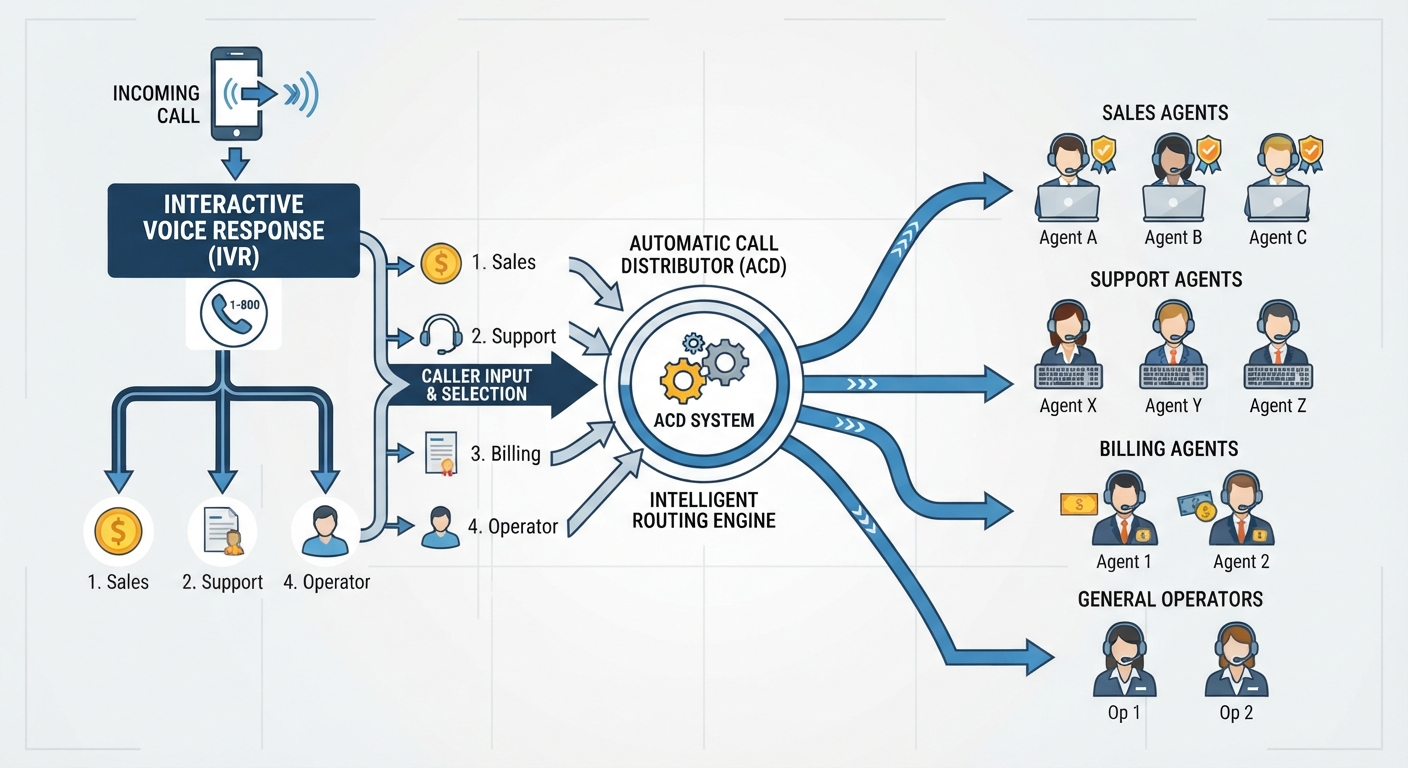
The result? Burnout. High turnover. And, worst of all, a cold, dehumanized experience for the caller. When someone calls to discuss a sensitive dental procedure or a confidential legal crisis, they don't want to navigate a labyrinthine IVR menu. They want to be heard. Every time a call hits voicemail, you aren't just losing a lead; you’re telling that person they aren't a priority.
HIPAA Compliance in 2026: Beyond the "Check-the-Box" Mentality
Too many practice owners think HIPAA compliance starts and ends with signing a Business Associate Agreement (BAA). While the BAA is a legal requirement under the HHS.gov HIPAA Security Rule Guidance, it’s just the starting line.
Welcome to the era of "Zero-Trust Voice Security."
What does this mean for you? It means a BAA is worthless if your data lives on unencrypted servers or if your voice-to-text transcriptions are floating around where unauthorized third parties can peek at them. According to the AMA Guidelines on Patient Privacy, the burden of protecting Protected Health Information (PHI) rests entirely on your shoulders, regardless of the software you use.
True compliance today demands three things: end-to-end encryption, localized data residency (keeping data within protected borders), and immutable audit logs. If your answering service can’t show you a granular report of exactly who accessed a call recording and when, they aren't a partner. They’re a liability.
Human, AI, or Hybrid? Picking Your Side
The market is flooded with "answering services," but there’s a massive divide between the legacy call centers and the new guard of Hybrid AI models.
Traditional services provide that human touch, but they’re expensive and struggle to scale when the phones go crazy. Pure AI bots? They can be cold, robotic, and downright dismissive if they lack emotional intelligence.
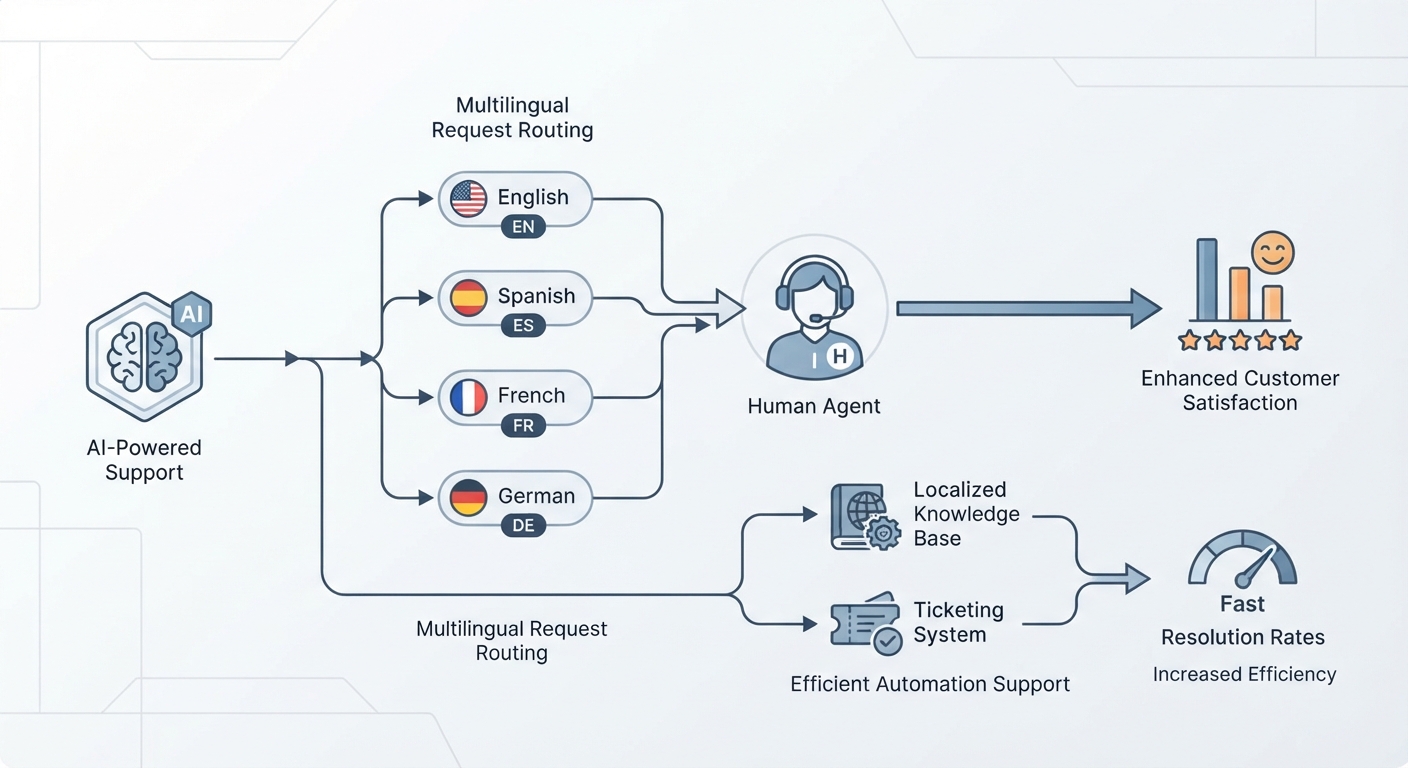
The "Hybrid Shift" is the new gold standard. You use AI to handle the heavy lifting—intake, scheduling, and basic FAQs—and reserve your human team for the moments that actually require empathy and nuance.
By filtering calls through an intelligent layer, your staff only touches the calls that truly need their specialized expertise. The AI handles the "busy work," while your team focuses on the high-value cases that actually keep your practice profitable.
The Financial Reality: Why AI Isn't Just for Tech Giants
The math is simple, and it’s stark. A full-time, in-house receptionist costs you $45,000+ a year when you stack up the salary, benefits, and training. Conversely, modern AI-driven solutions often run between $500 and $2,000 annually.
For a deeper dive into the numbers, read our AI Receptionist vs. Human Cost Breakdown 2026. The real savings aren't just in raw dollars; they’re in reclaimed time. When you automate intake, you’re buying back hundreds of hours of staff time. This isn't about cutting staff—it’s about upgrading them from "phone jockeys" to "practice managers."
The Four Pillars of Modern Phone Systems
Don't let a slick salesperson dazzle you with buzzwords. If you’re vetting a provider, they must pass these four tests:
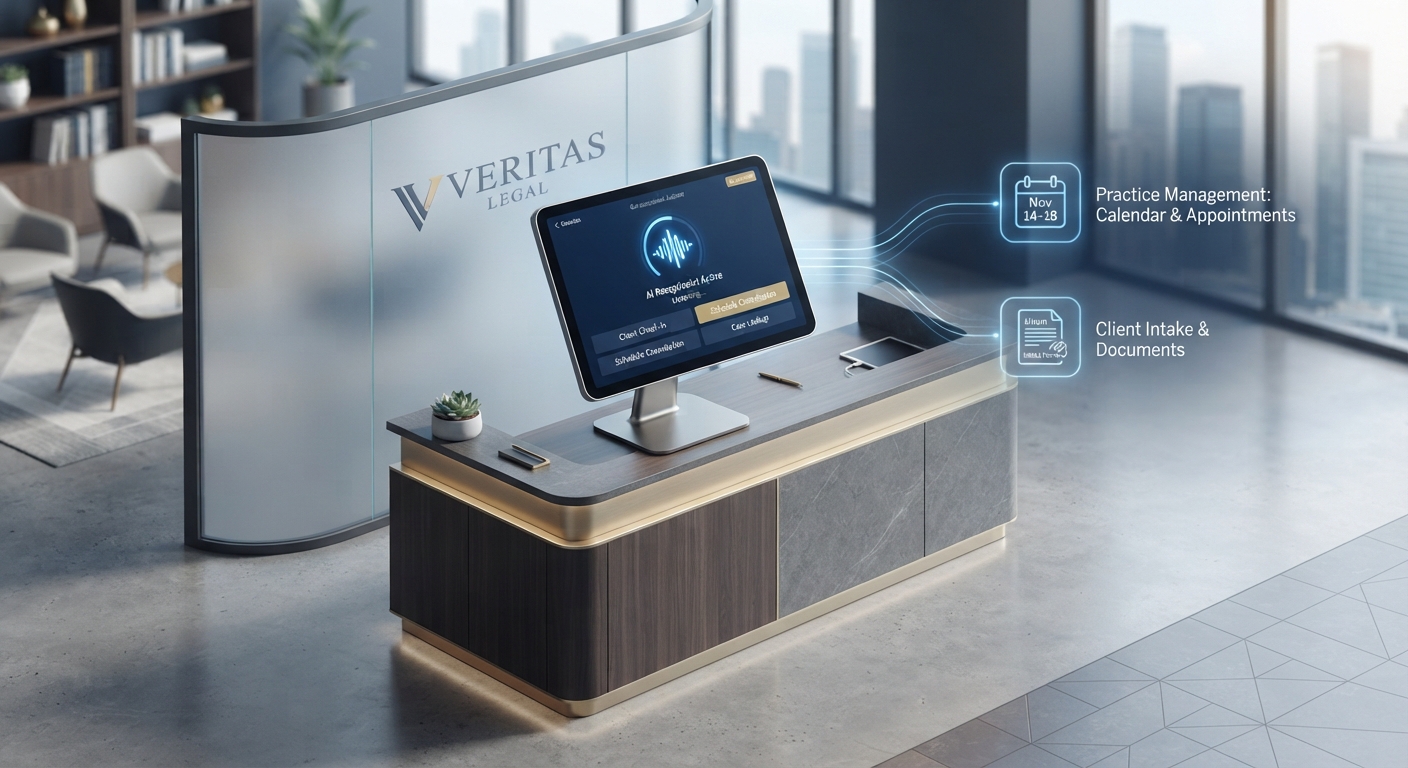
- EHR/Practice Management Integration: If your phone system doesn't talk to your software, it’s a paperweight. You want real-time syncing with tools like Dentrix or Clio. The AI should pull up a patient record the moment they call and log the appointment without a human typing a single character.
- Data Residency & Audit Logs: Insist on seeing the architecture. Where is the data stored? Is it encrypted at rest? Can they show you a full audit trail for every call? If they can’t answer, walk away.
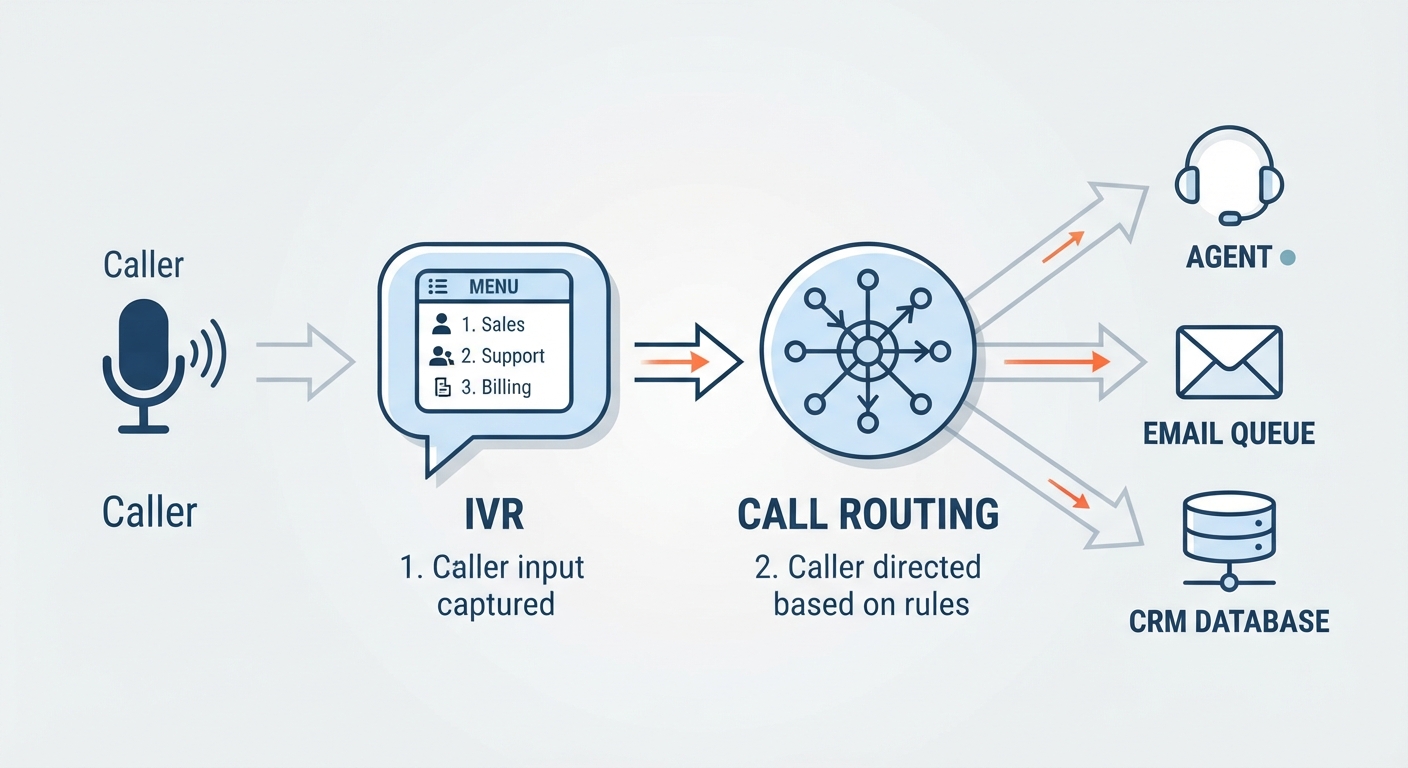
- NLP Maturity: Forget "Press 1 for Appointment." Modern Natural Language Processing (NLP) understands context. If a patient says, "My tooth is killing me, I need to come in today," the AI should recognize the urgency and prioritize the booking immediately.
- Human-in-the-Loop Capability: The system must allow for a "warm transfer." If the AI detects distress or complexity, it needs to hand off the call to a human without making the caller repeat their life story.
A Day in the Life: The Transformation
Consider a mid-sized dental office we worked with recently. Before they switched to a hybrid system, they were missing 15 calls a day. That’s 15 potential patients calling a competitor because they couldn't get a human on the line. The staff was constantly frazzled, scheduling errors were rampant, and the front office felt like a war zone.
After moving to a hybrid workflow, the office changed completely. The AI handles 85% of incoming calls, instantly checking availability and syncing with their management software. The staff now only engages with calls that require clinical or financial guidance. Missed calls have dropped to effectively zero, and the front-office team reports a 40% reduction in daily administrative fatigue. They didn't just save money; they reclaimed their culture.
How to Transition (Without Losing Your Mind)
You don't need a six-month project to get this right. Just follow this roadmap:
- Audit Your Data Flow: Map out exactly how a call enters your office and where the data travels. Find the "leaks" where PHI might be exposed.
- Vet Vendors for BAA and Security: Create a shortlist. Send them your security questionnaire. If they hesitate to sign a BAA or can’t explain their encryption in plain English, cross them off.
- Configure the Sync: Work with your IT lead to ensure the API integration is tight. Test it with dummy data to make sure no PHI is getting logged in the wrong place.
- Staff Training: The "Human-in-the-Loop" model only works if your team knows how to use it. Train them on how to review AI summaries and handle those "warm transfers."
For a comprehensive guide on what to ask, check out our Best AI Phone Answering Services for Law Firms 2026.
[DOWNLOADABLE ASSET: The 2026 HIPAA Phone Security Checklist]
Ensure your practice stays ahead of the curve. This checklist covers everything from server-side encryption requirements to staff training protocols.
Frequently Asked Questions
Does a Business Associate Agreement (BAA) guarantee my phone service is HIPAA compliant?
No. A BAA is a legal contract, not a security certification. It outlines liability, but it does not prove that the technical safeguards (encryption, audit logs, access control) are actually in place. You must verify the technical implementation alongside the legal agreement.
Can an AI receptionist handle sensitive information without violating HIPAA?
Yes, provided the AI platform is built specifically for healthcare or legal use. It must utilize end-to-end encryption and ensure that no PHI is used to train public models. The data must remain siloed to your practice.
How do I know if my current phone system is actually HIPAA compliant?
Ask your provider for their SOC 2 Type II report and a copy of their BAA. If they cannot provide these, or if they cannot explain how they secure voice data in transit, you are likely at risk.
What happens to the data captured by an AI receptionist?
In a compliant system, the data is encrypted and synced directly into your EHR or practice management software. Once the data is transferred, the temporary logs on the AI platform should be purged according to your retention policy, leaving no trace of sensitive information on the AI provider's servers.