HIPAA-Compliant AI Phone Answering: What Healthcare Providers Need to Know
TL;DR
- This guide covers everything medical and dental offices need to know about switching to HIPAA-compliant ai phone answering. We explore the legal requirements like BAAs and encryption, compare the costs of ai versus traditional human receptionists, and provide a step-by-step setup guide. You'll learn how to reduce missed calls and no-shows while keeping patient data 100% secure without the high overhead of extra staff.
The Problem with Traditional Receptionists and Generic AI
Ever felt that spike of anxiety when the office phone rings during a messy lunch break or a complex patient intake? It’s a total growth killer because, honestly, most people just won't leave a voicemail anymore.
When a clinic misses a call, they aren't just losing a conversation; they're losing a high-value lead. Generic ai bots often make things worse by sounding like robots from 1995, which totally tanks patient trust. (Vanderbilt University apologizes for AI-generated email)
- Voicemail is dead: Most new callers hang up the second they hear a beep. (Is there always a beep at the beginning of scam calls? - Reddit)
- Staff burnout: Your front desk is likely drowning in repetitive billing questions.
- Revenue leaks: A single missed new patient inquiry can cost a dental or medical office hundreds in lifetime value.
According to Televox, even seasoned providers can lose patient trust with just one mishandled or missed call.

It’s a mess, but there’s a better way to handle the noise without breaking hipaa rules. Next, let’s look at how smart tech actually stays legal.
What Actually Makes an AI Phone System HIPAA Compliant
It's one thing for a company to slap a "hipaa compliant" sticker on their website, but it's another thing entirely to actually stay legal when a patient starts oversharing their medical history on a recorded line. Honestly, the tech side of this is basically a digital vault that never sleeps.
First off, if a vendor won't sign a Business Associate Agreement (BAA), just run away. Without that paper, you’re legally on the hook for every byte of data they touch. As Phonely points out in their 2024 compliance report, these ai agents have to secure PHI both while it's moving (in transit) and while it's sitting on a server (at rest).
- Encryption standards: We're talking AES-256 for storage and TLS for the actual call stream. It turns patient names and lab results into total gibberish for anyone without the key.
- Data Minimization: Smart systems only keep what they absolutely need. Some even have "zero retention" setups where the ai processes the call but doesn't "remember" the sensitive bits long-term. To keep things legal for technical readers—zero retention means the actual audio or transcript of the PHI is wiped, while the audit logs just track the metadata of who accessed the system and when.

You also gotta think about who's snooping. A solid system uses Role-Based Access Control. Your billing person shouldn't be reading clinical notes from a weekend call, right? Everything is tracked in an audit log—who logged in, what they clicked, and when. It’s all about accountability.
Next, we'll look at the money side of things and see if an ai actually beats hiring a human.
AI Receptionist Cost vs Hiring a Full-Time Receptionist
Let’s be real for a second—hiring a great receptionist is getting harder and way more expensive. Between the actual salary and those "hidden" costs like health insurance and desk space, your budget can vanish before the first patient even walks in.
By 2026, the cost of a full-time human at the front desk isn't just their hourly wage. You’ve got to factor in payroll taxes, 401k matching, and the massive time sink of training someone new every time there’s turnover. In healthcare, where burnout is basically an epidemic, losing a staffer means spending thousands just to find a replacement.
- Direct Costs: A decent medical receptionist might run $45k–$60k a year, but with benefits, you're looking closer to $80k.
- AI Subscription: Most hipaa-ready ai platforms like Smith.ai—which handles scheduling and intake—start around $240 a month. Even at high volumes, you're spending a fraction of a human salary.
- Training Lag: It takes weeks for a human to learn your ehr. An ai connects via api and is ready to go on day one.

The real money is made when you aren't even at the office. If a patient calls at 8 PM on a Tuesday and hits a voicemail, they're probably calling the clinic down the street next. Prosper AI has seen some users drop their call abandonment rates by almost 89%, which is huge for keeping the schedule full.
An ai doesn't take lunch breaks or get sick. It captures leads at 3 AM and books them directly into your calendar. As mentioned earlier, keeping that trust through a fast, secure response is what stops revenue leaks.
Next up, let’s talk about how these bots actually talk to your existing software.
How to Set Up Your AI Receptionist: A Step-by-Step Guide
Setting up an ai receptionist isn't nearly as scary as it sounds. Honestly, you can probably get the basics running while you're drinking your morning coffee, provided you have your login info handy.
First thing, you gotta pick a platform that actually knows what a BAA is (we talked about those legal papers earlier). If you're looking for something fast, Voksha offers a hipaa-ready voice ai that says it sets up in about 5 minutes. You basically just point your existing business line to their secure servers.
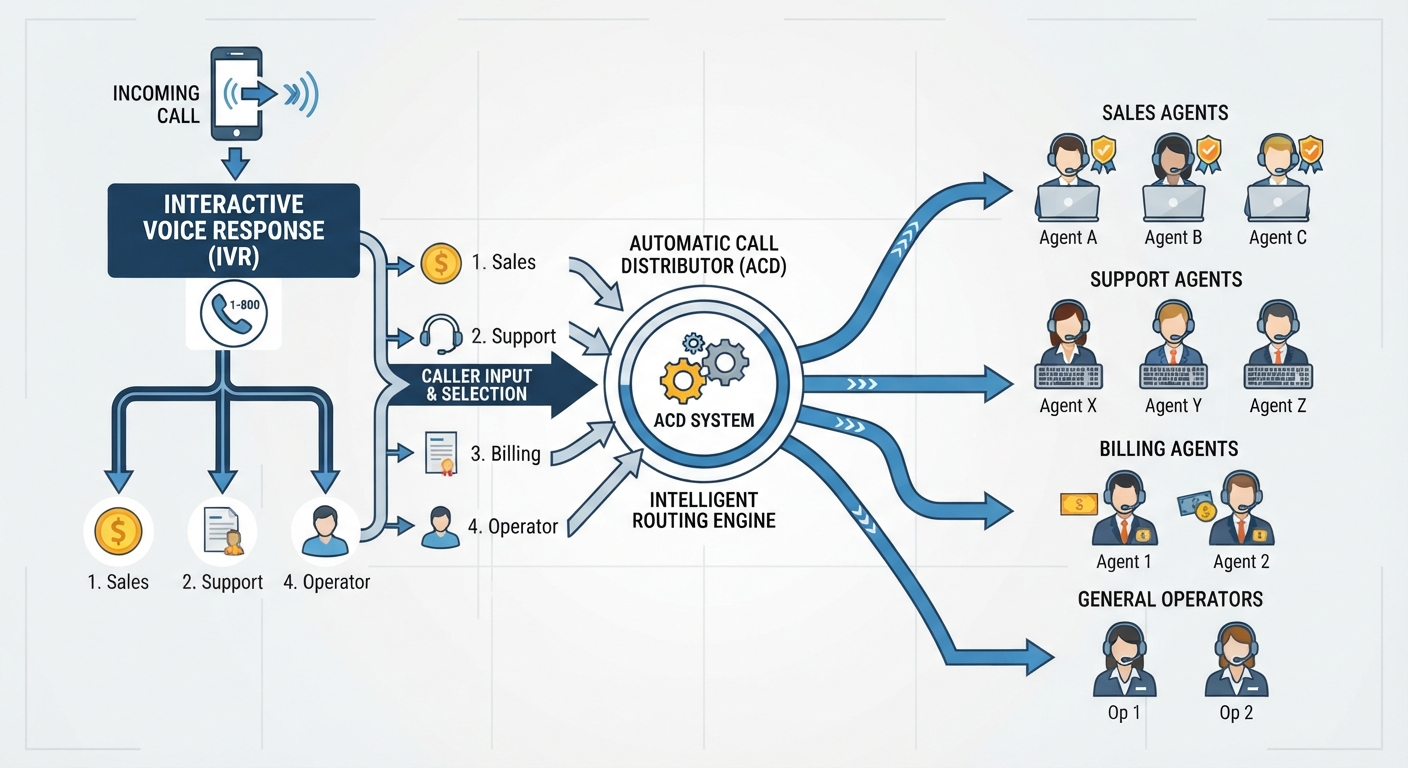
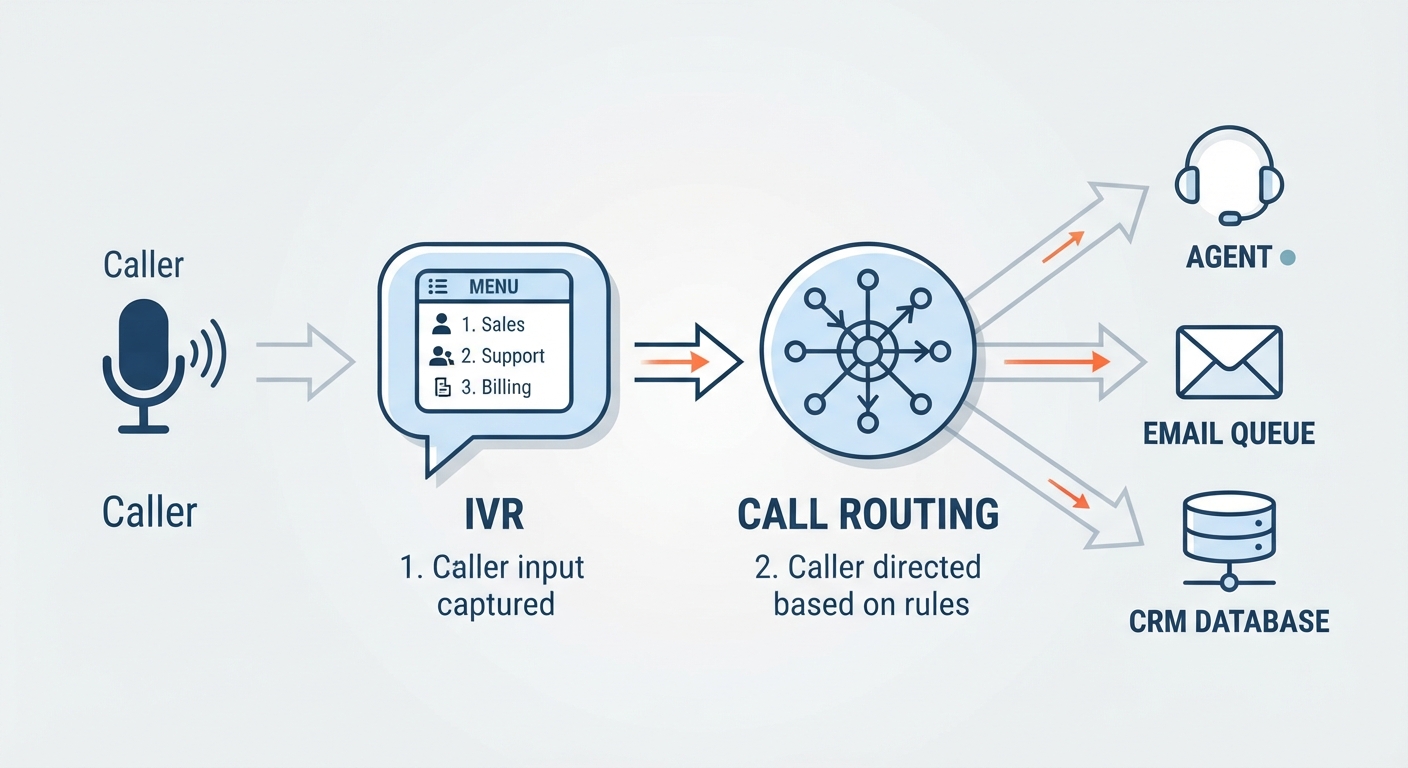
- Map the Flow: Think about what happens when someone calls. Do they need to book? Ask about parking? You'll script these "paths" so the ai doesn't get confused.
- Connect Your Tools: This is where the magic happens. You link the ai to things like Google Calendar or Dentrix (for the dental folks) via an api.
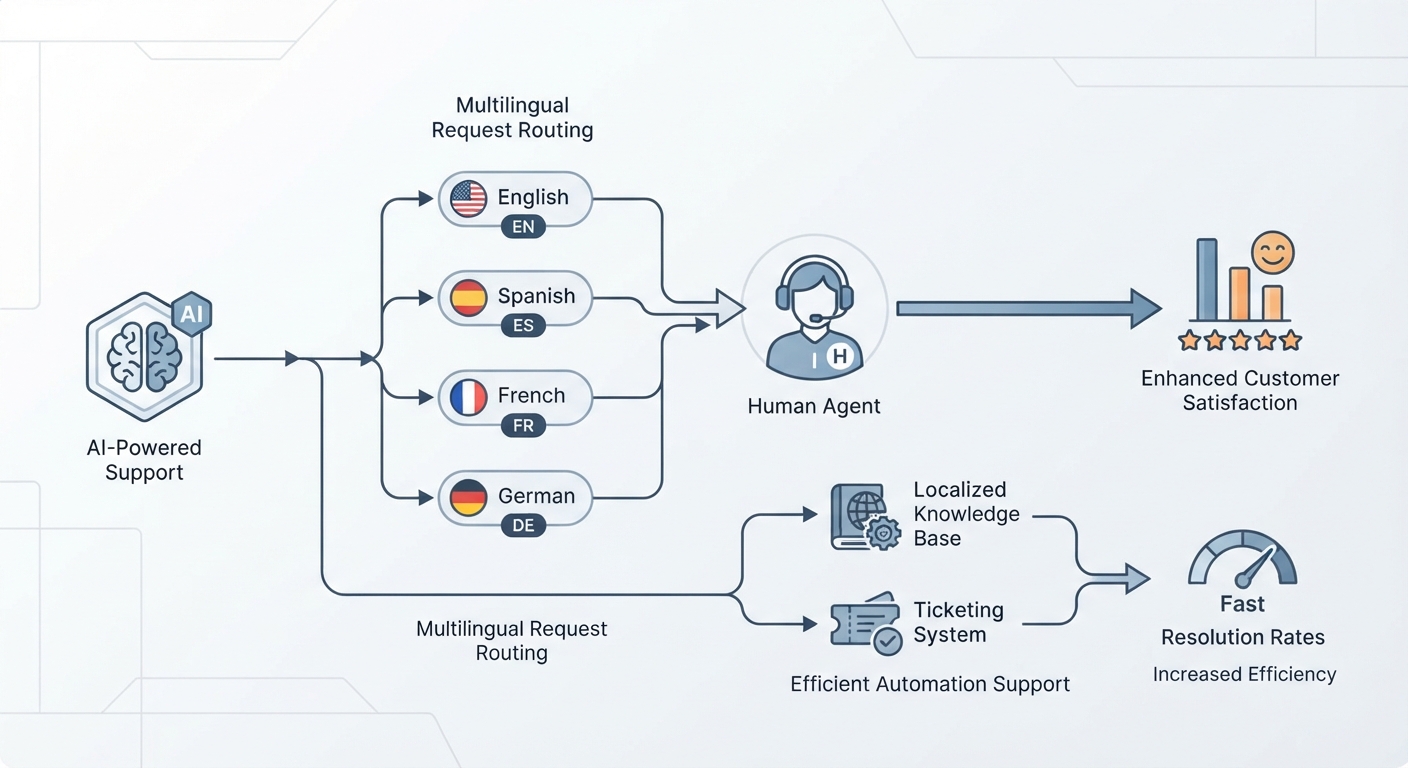
- The "Human" Safety Net: Always set up a routing rule where the ai can "warm transfer" a call to your actual cell or a desk phone if the patient sounds distressed or has a complex emergency.
Starting at around $14/mo, systems like this are designed to recover those missed calls that usually just vanish into the ether. It's way better than a "mailbox full" message.

Once the plumbing is connected, you'll start seeing how much better the patient experience gets when they actually get an answer. Next, we'll look at how this tech helps stop those annoying no-shows.
Reducing No-Shows and Improving Patient Experience
Nothing kills a practice's growth faster than a "no-show" and honestly, it’s just as annoying for the patient who forgot as it is for your bottom line. We’ve all been there—life gets messy, a kid gets sick, and suddenly that 2 PM cleaning is the last thing on someone's mind.
According to Luma Health, using a multimodal approach—think jumping between voice, sms, and web—can help automate the stuff that usually falls through the cracks. When your ai handles the boring reminder calls, your staff can actually focus on the human in front of them.
- 24/7 Rescheduling: Patients often realize they can't make it at 10 PM. If they can tell an ai to move their slot right then, you don't end up with an empty chair the next morning.
- Instant SMS Handoff: If a patient is on the phone and needs to send a photo of their insurance card, the ai can instantly text them a secure link to upload it.
- Smart Follow-ups: Instead of one "ghost" voicemail, the system can send a friendly text check-in if they don't confirm within 24 hours.

It’s about making it easy for people to stay on track without bugging them. Now that we've covered the patient side, let's look at some quick tips to make your office automation actually work.
Dental and Medical Office Phone Automation Tips
Managing a medical or dental office is basically like playing air traffic controller while also trying to perform surgery. If you're tired of the phone ringing off the hook while you're elbow-deep in a patient's cleaning, these automation tips are for you.
Not every call needs a human. You can set up your ai to sort the "my tooth hurts right now" emergencies from the "how much is a cleaning" questions.
- Smart Triage: Route urgent clinical calls to a back-office line while letting the ai handle scheduling for routine checkups.
- Refill Automation: Let the ai take down prescription details. It can then push that info directly to your ehr, so a doc just has to click "approve" later.
- Custom Scripts: Keep it friendly. Use phrases like "Dr. Smith’s office" so patients don't feel like they're talking to a cold machine.
According to AnswerConnect, using a hybrid model where a system filters calls before they hit a human can seriously lower your "abandonment rate"—which is just a fancy way of saying people don't hang up in a huff.

Honestly, the goal isn't to replace your staff. It’s to give them enough breathing room so they don't quit after a week of being yelled at by insurance companies. By picking a hipaa-ready partner and setting up these simple flows, you're just making the office run smoother for everyone involved.