Customer Expectations in 2026: Why Instant Phone Response Is Now Table Stakes
TL;DR
- This guide covers why customers in 2026 wont wait for a callback and how small businesses can use ai receptionist tech to stay competitive. We look at the real costs of hiring vs automation, how to set up your first ai phone system, and specific ways law firms and clinics can stop losing leads to voicemail.
The Death of Voicemail: Why 2026 Customers Wont Wait
Ever tried calling a plumber during a leak only to hit a robot voice asking for a message? You probably hung up and called the next guy on Google, right. In 2026, your customers are doing the exact same thing to you.
- The 60% Rule: According to recent industry surveys, over 60% of callers will just end the call if they hit a machine. They don't want to "leave a brief message," they want an answer.
- Brand Damage: If you don't pick up, people assume your service is just as slow as your phone skills. It feels unprofessional.
- App Culture: We're used to DoorDash and Uber giving us info now. Waiting for a callback feels like 1995.
"A 2024 report by Leaptree suggests that modern consumers equate instant response with business reliability."

Whether it's a dental patient with a toothache or a law client in a panic, nobody has the patience for "we'll get back to you."
So, let's look at how much this silence is actually costing your bottom line.
AI Receptionist vs Virtual Receptionist: The Real Cost Breakdown
Let's be real—hiring a human to sit at a desk and answer phones is getting crazy expensive. Between the $40k salary, health insurance, and those inevitable "I’m sick" days, you’re looking at a massive overhead just to make sure a dial tone doesn't go to waste.
A traditional receptionist usually costs between $35,000 to $45,000 a year before you even touch benefits or taxes. If you go with a Virtual Receptionist, you're usually hiring an outsourced human call center. They're great, but they often bill you per minute. That sounds great until a chatty lead or a complex scheduling call for a dental clinic blows your monthly budget by noon.
- Human staff (In-house): High fixed cost, limited to 9-to-5, and they need breaks (as they should!).
- Virtual services (Outsourced humans): Scalable but pricey because you pay for every minute of a human's time.
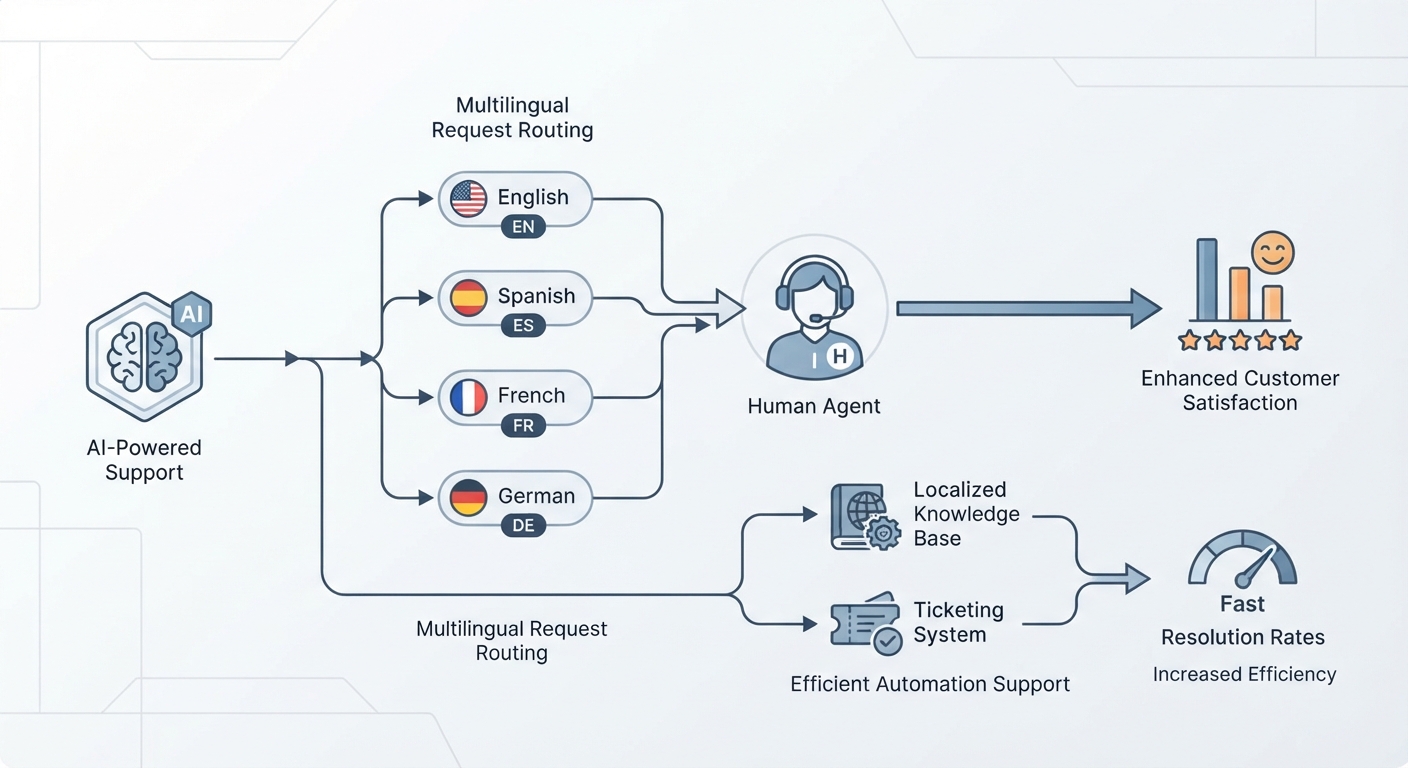
- ai receptionists (Software): These are automated software tools. They charge flat monthly rates, have zero "sick days," and they handle 10 calls at once without breaking a sweat.

According to Leaptree, moving toward automated systems isn't just about saving pennies—it's about capturing the leads that call at 8 PM on a Sunday.
It's a no-brainer for a law firm or a salon where every missed call is literally lost revenue. Before we get into the setup, let's see how this actually looks in the real world for different businesses.
Industry Specific Wins: Law Firms, Salons, and Clinics
If you're running a law firm or a dental clinic, a missed call isn't just a "whoops"—it's a lost retainer or a patient heading to the guy down the street. In 2026, nobody wants to wait for a callback when their tooth is throbbing or they've just been in a car wreck.
The secret sauce here is automating the boring stuff so your actual humans can focus on the people standing in front of them.
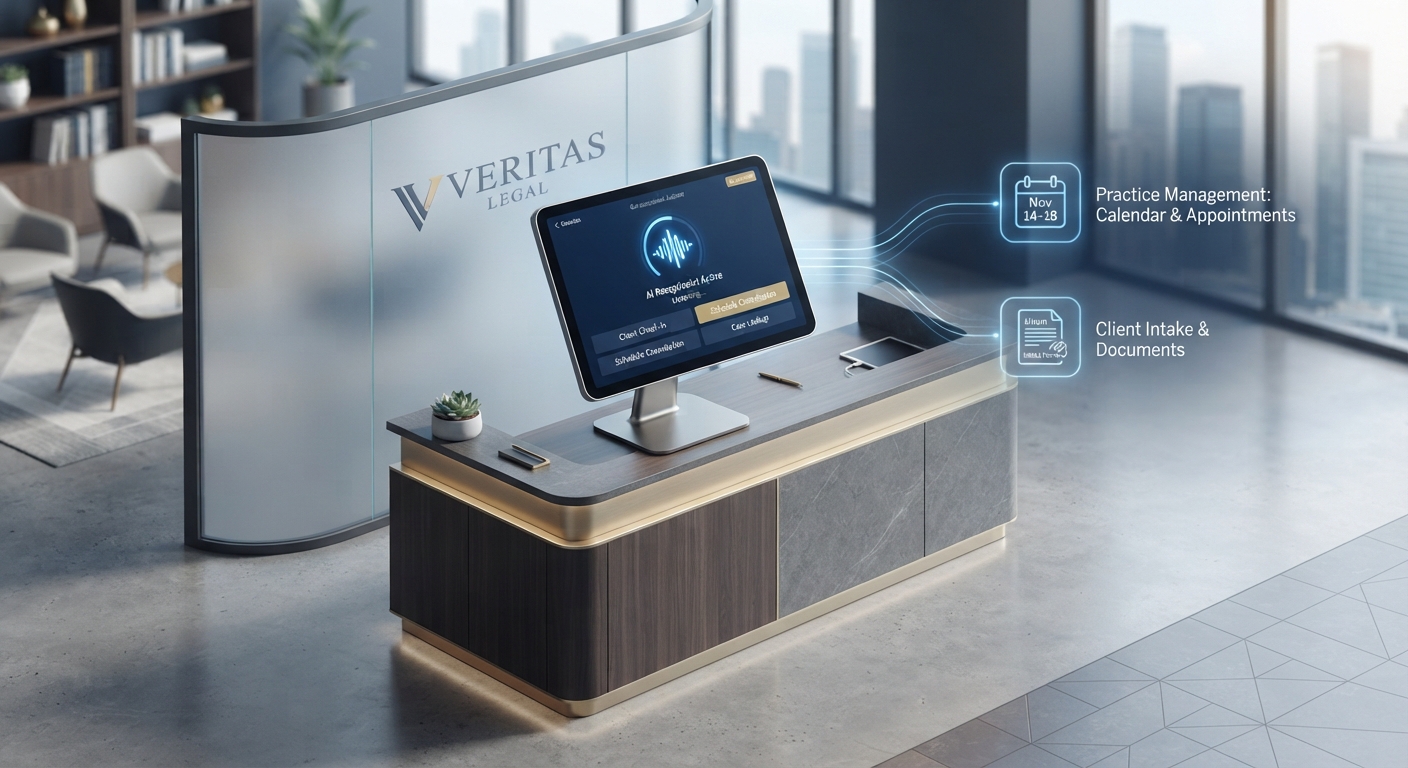
- Instant Booking: Instead of taking a message, an ai receptionist can sync with your calendar (like Jane or clio) to book the spot right then.
- HIPAA Compliance: For medical and dental, you gotta make sure your tech doesn't leak data. Modern ai systems are built with encryption that keeps patient info locked down.
- Lead Qualification: Law firms waste hours on "tire kickers." You can set your bot to ask three specific questions to see if a case is actually worth your time before it ever hits your desk.
- No-Show Killers: After the call, the system sends an auto-text confirmation. It sounds simple, but it cuts no-shows by nearly half because people are forgetful.
If you're worried about the tech being "too much," Voksha AI handles 24/7 lead qualification starting at $14/mo, which is basically the cost of one fancy lunch to save your entire weekend.
Step-by-Step: How to set up AI receptionist small business
Setting up an ai receptionist isn't as scary as it sounds, honestly. You don't need to be a coder to get this running by lunch time.
- Step 0: Choose your platform: You need a provider like voksha ai that handles the voice processing and the logic.
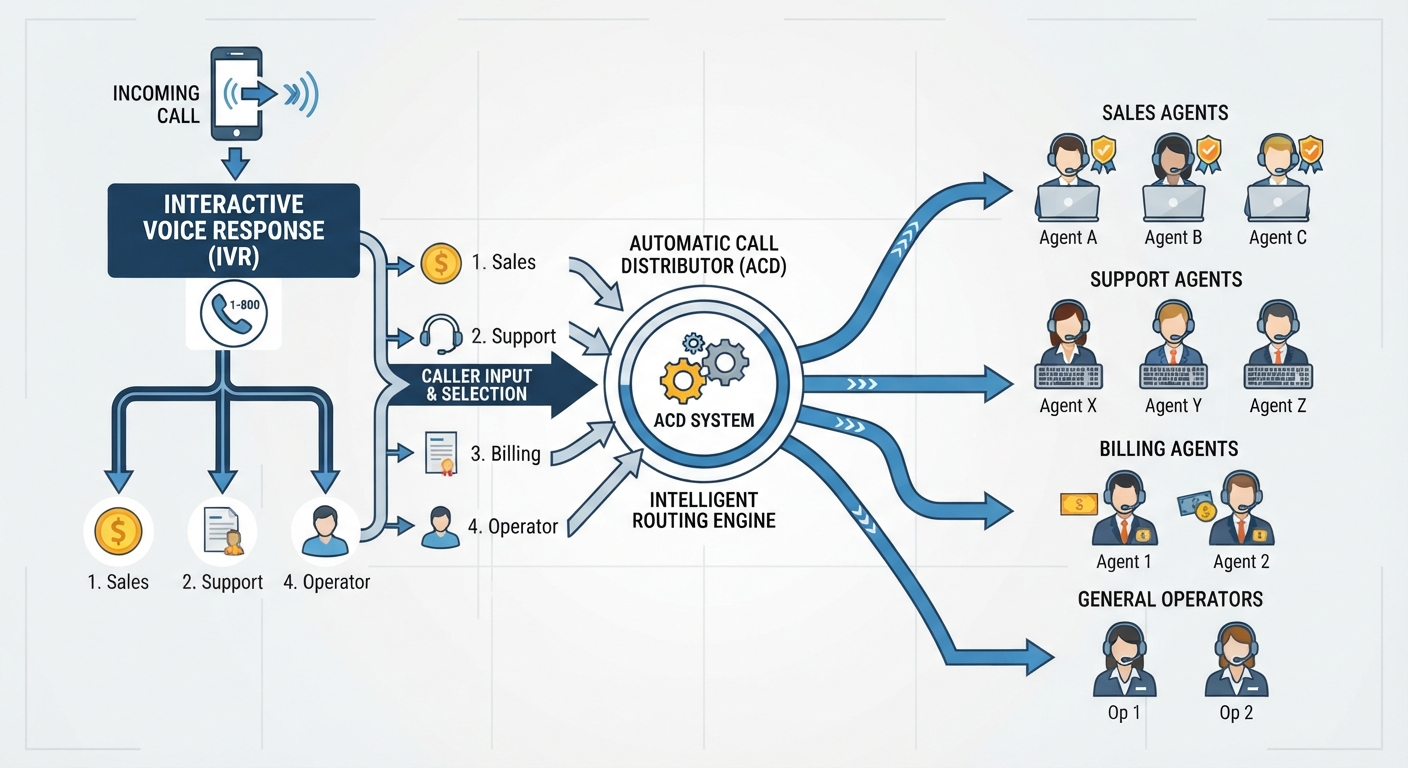
- Map the flow: Decide who gets the call during 9-5 and where the ai takes over after hours.
- Upload your brain: Feed the bot your FAQ—like "do you take insurance?" or "where do I park?"—so it stops bugging you with basic questions.
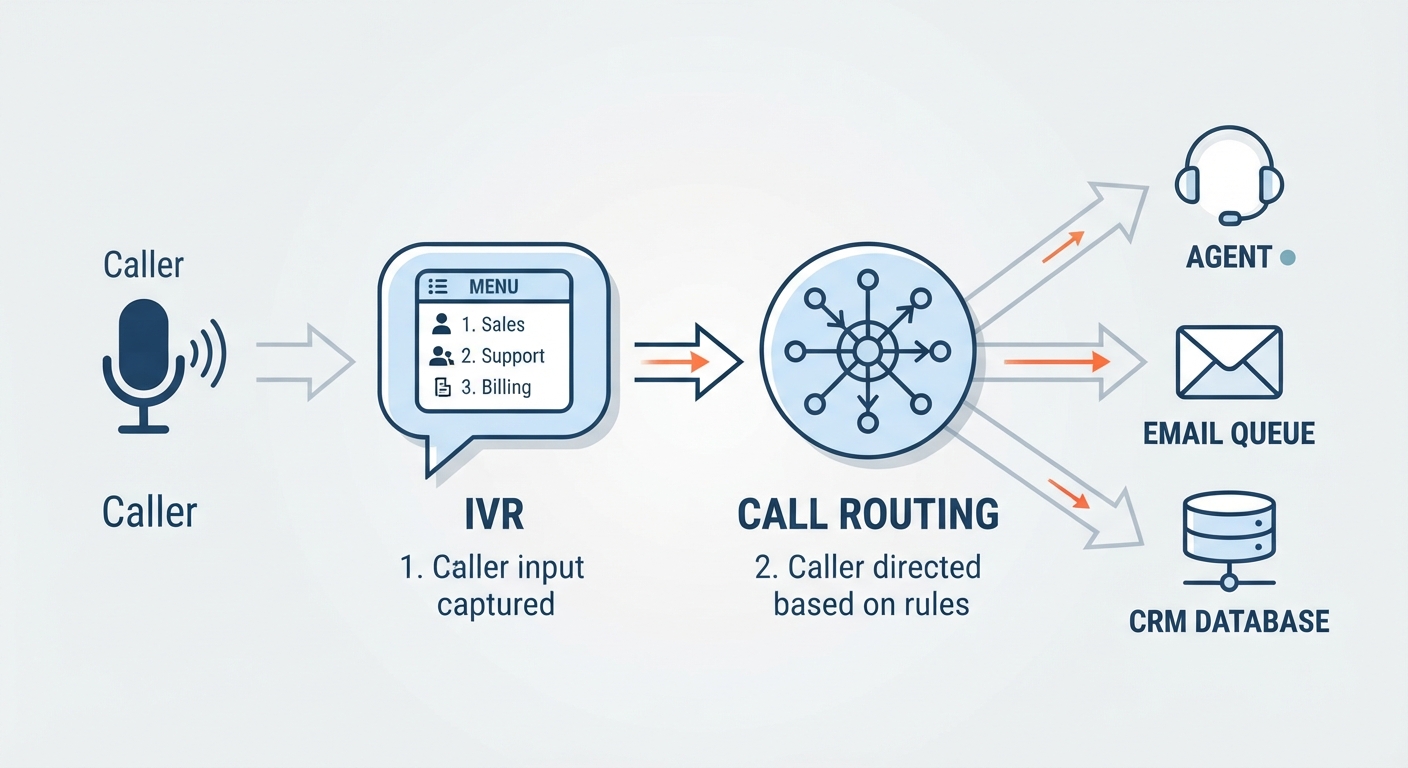
- Connect the dots: Plug it into your CRM (that's Customer Relationship Management software, basically your client database) like Salesforce or clio so every lead actually gets saved.

It's basically just giving a very fast learner your office handbook. Next, we'll look at how to stop those annoying missed call hangups for good.
Maximizing ROI: Capturing Every Lead
Honestly, if you're still letting high-value calls go to a generic voicemail in 2026, you're basically handing your lunch money to the competition. It's not just about being polite—it's about the math of not losing people who are ready to pay right now.
- The Instant Text-Back: Sometimes a human is busy or a caller hangs up before the ai can even say hello. Your system should instantly text those missed calls. A quick "Hey, sorry we missed you, how can I help?" keeps them from clicking the next business on google.
- High-Value Routing: Use your crm data to flag "VIP" clients or big-ticket leads (like a personal injury case vs a quick question). Route those straight to a human cell phone while the ai handles the routine appointment reshuffling.
- Data Mining: Don't just ignore the logs. Look at when people are calling and hanging up. If everyone bails at the two-minute mark, your ai script is too wordy—trim the fat.

I've seen hvac shops and clinics double their booking rates just by adding that simple text-back layer for when humans are unavailable. It's about being "present" even when you're technically not. Capturing every lead is the only way to actually see that roi you're chasing.