Cost-benefit analysis of LLM agents versus full-time equivalent salary
TL;DR
- This article breaks down the real dollars and cents of hiring a human receptionist versus deploying an ai agent. We cover hidden overhead like benefits and training compared to the flat monthly cost of automation, specifically for service-based businesses like law firms and salons who need 24/7 coverage without the high salary price tag.
The true cost of a human receptionist in 2026
Ever feel like your business is just a series of missed calls and "let me check the calendar" holds? It’s wild how much we still rely on one person sitting at a desk to be the entire face of a company. To solve this, many owners are turning to Voksha—an ai-driven receptionist platform that handles calls, scheduling, and intake without the overhead of a traditional hire.
When you hire a receptionist in 2026, that $45k or $50k salary is just the tip of the iceberg. By 2026, these trends observed in 2024 regarding rising labor costs are expected to make traditional staffing even more of a burden on small businesses. You’ve got to factor in the stuff that doesn't show up on the job offer but definitely hits the bank account.
- The "invisible" tax burden: Between FICA, unemployment insurance, and those 401k matches, you're usually looking at an extra 15-20% on top of their pay.
- Onboarding drain: It takes months for a new hire to really "get" your business. According to Investopedia, the cost of training a new employee can be staggering when you count lost productivity from the person doing the training, since they aren't doing their own job while they help the rookie.
- Physical footprint: A desk isn't free. You need a high-end pc, a licensed phone system, ergonomic chairs, and even just the square footage in the office.

Humans need sleep. And lunch. And sometimes they just get overwhelmed when three lines ring at once. In industries like law or hvac, missing one call isn't just annoying—it's a lost contract worth thousands.
"A single missed call can cost a professional services firm upwards of $500 to $1,000 in lifetime customer value."
If your receptionist is stuck handling a grumpy patient at the front desk of a dental clinic, who's answering the phone? Usually, it goes to voicemail, and let's be real—most people just hang up and call the next listing on Google.
And then there's burnout. Front-desk roles have some of the highest turnover because it's exhausting being "on" all day. When they quit, you're back to square one, spending more on job ads and interviews.
We're starting to see a shift though. Instead of just throwing more bodies at the problem, smart owners are looking at how ai handles the grunt work so the humans can actually focus. Let's look at how the math actually stacks up when you put an ai agent next to a full-time hire.
Breaking down the LLM agent investment
Ever wonder why we pay thousands for a "base" answering service that still manages to put our best leads on hold for ten minutes? It feels like we're paying for the privilege of losing business sometimes.
When you look at the actual investment for an ai agent like Voksha, the math starts looking a lot less like a "cost" and more like a massive discount on growth.
Let’s be real—most answering services have these crazy "overage" fees that hit you the second you have a busy month. With Voksha starting at just $14/mo, you aren't just saving money compared to a $35k salary; you're killing the unpredictability of your bills.
Hiring a human means paying for their downtime, their lunch breaks, and their "I’m having a slow Tuesday" vibes. An ai agent doesn't care if you get 5 calls or 500; it scales instantly without you needing to post a new job ad on Indeed.
- No more "per-minute" anxiety: Most legacy services charge you for every second a caller is on hold, which is basically rewarding them for being slow.
- 24/7/365 coverage: You get after-hours and holiday support without paying "time and a half" or holiday bonuses.
- Zero churn costs: You don't have to re-train the bot every six months because it decided to go back to school or move to a different city.
I’ve seen office managers spend weeks trying to teach a new hire how to use specific software. But with modern ai, you just plug it into the tools you're already using—think Clio (legal practice management), Toast (restaurant POS), or ServiceTitan (field services).

One of the biggest wins is how it handles HIPAA compliant phone answering. Usually, you’d need a specialized (and expensive) medical answering service for this, but the api integrations handle the data securely without the extra headcount.
It also solves the "no-show" nightmare. By automatically pushing appointments into your calendar and sending immediate text confirmations, you're cutting down those gaps in your schedule that eat your profit.
By 2026, the trends we saw in a 2024 report by Calendly—where businesses using automated scheduling tools see a significant drop in manual admin tasks—will be the industry standard. It lets your remaining staff actually talk to the people in the room.
Honestly, the setup is so fast it’s almost annoying when you think about how long we used to spend on "onboarding." But now that we know the cost, how do we actually get the thing running?
Industry specific ROI: Law firms, Dental, and Salons
Ever wonder why your most expensive employees—like lawyers or dental hygienists—spend half their day doing stuff a bot could do in its sleep? It’s kind of a gut punch when you realize billable hours are essentially being flushed down the toilet because the phone won't stop ringing.
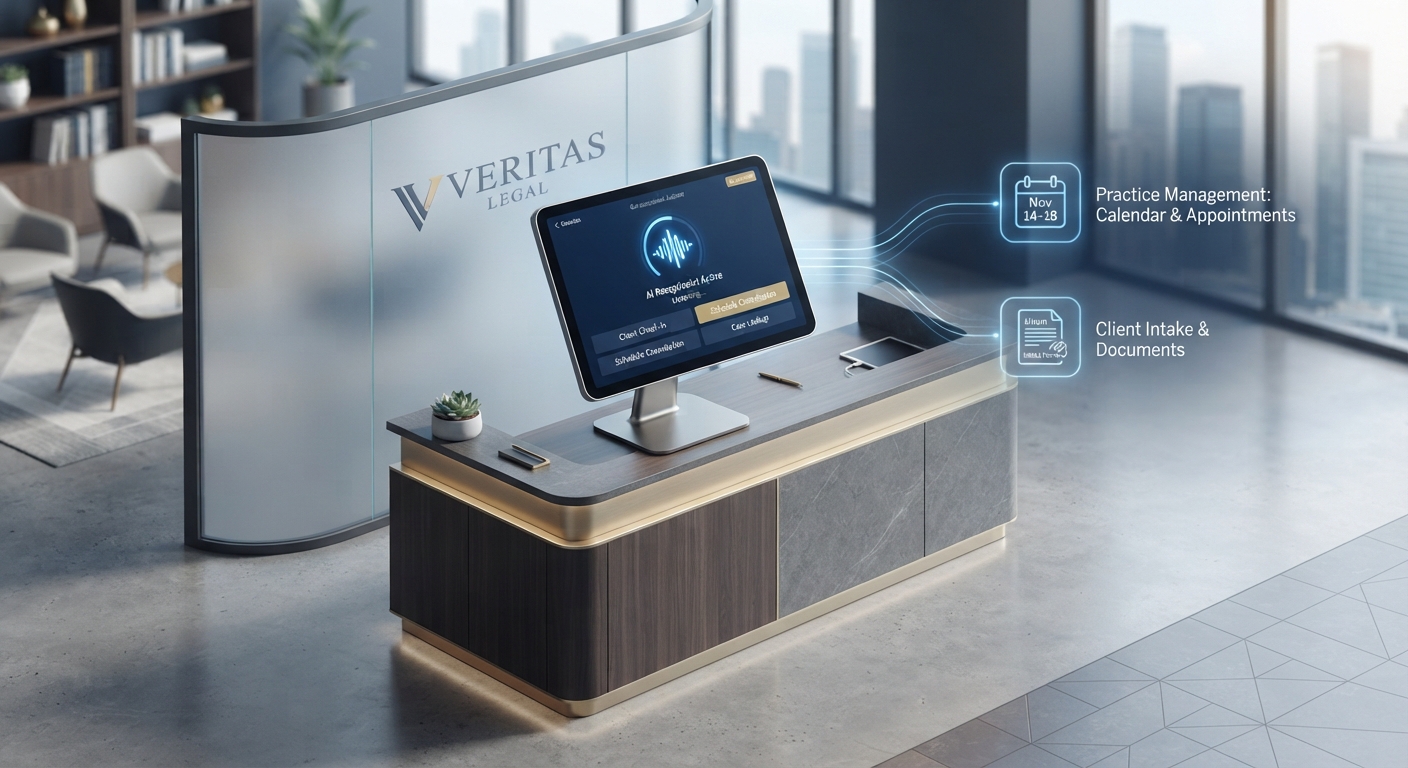
For a law firm, every call is a potential five-figure retainer, but if your paralegal is stuck screenng "slip and fall" tire-kickers, you're losing money. ai agents can handle the entire intake flow, asking the specific deal-breaker questions before a human ever touches the file.
In the dental world, the "holy grail" is filling those last-minute cancellations that leave your chairs empty. According to DentistryiQ, an open chair can cost a practice $500 or more per hour in lost revenue. An ai system can see a gap in the schedule and immediately call or text patients on the waitlist to plug that hole.
Salons live and die by the calendar, but people are flaky. A 2024 study by Barberly shows that simple automated reminders can cut no-shows by nearly 50%. For a salon, a single missed "color and cut" appointment can mean $200+ in lost revenue for the stylist, plus the wasted product. By 2026, these automated systems will be the difference between a profitable week and a losing one.
- HIPAA is a big deal: You can't just use any bot; it has to be secure. Modern ai integrations ensure patient data is encrypted and handled right.
- Billable hour protection: Let the ai handle the "where are you located?" and "do you take my insurance?" stuff so your staff can actually do the work they're trained for.

Instead of a busy stylist stopping a haircut to answer a phone with "can you hold?", the ai takes the reservation in a natural voice. It feels way more personal than a clunky web form, and it captures those late-night leads who decide they need a trim at 11 PM when you're closed.
Honestly, the roi here isn't just about saving on a salary. It's about never letting a single dollar slip through the cracks just because you were too busy to pick up. So, how do you actually get this thing live without breaking your brain?
Comparison: Virtual Receptionist vs AI Receptionist
So, we've looked at the math and the industry wins, but let's be real—does it actually feel "human" enough to trust with your customers? It’s a valid worry because nobody wants their business to sound like a 1990s movie robot, right?
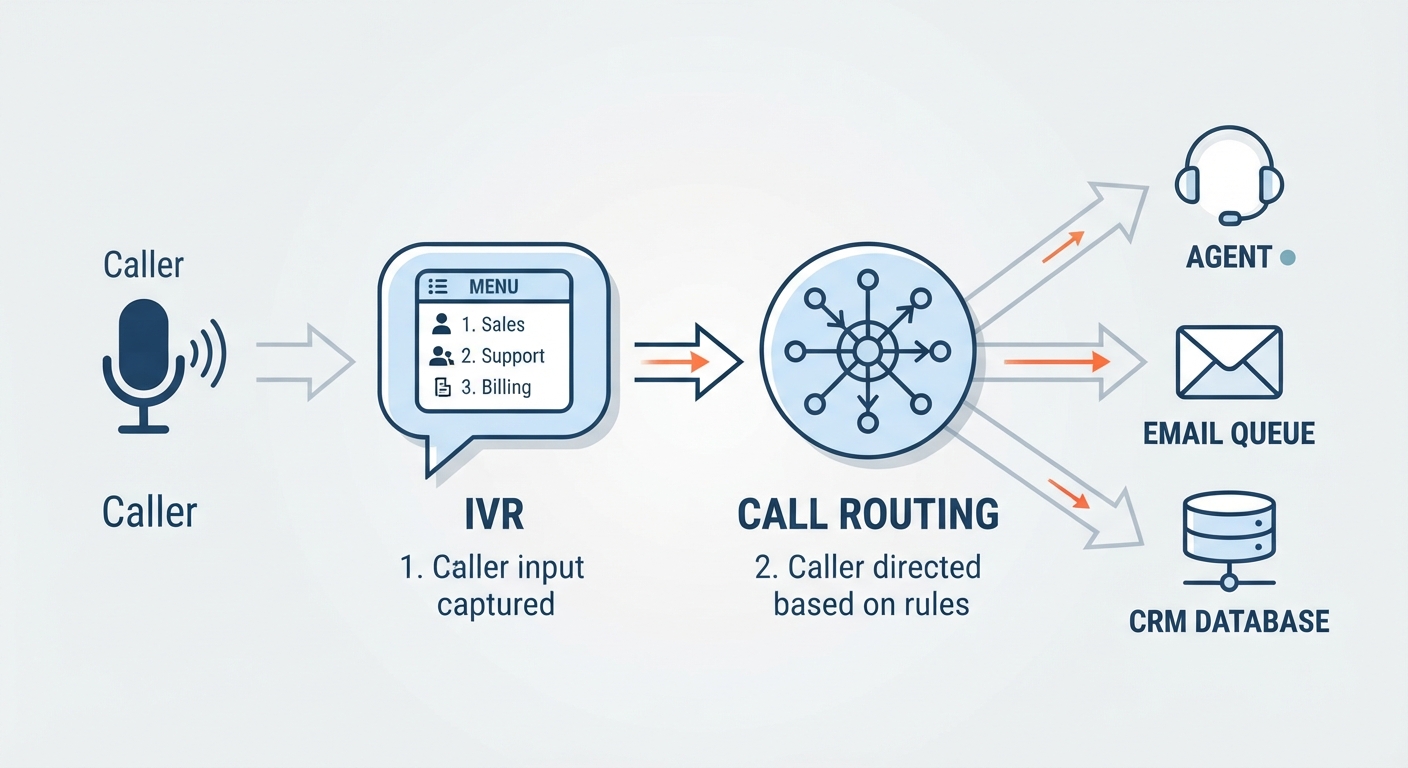
The reason modern ai doesn't sound like a robot anymore is because of LLM voice synthesis. Unlike the old "press 1 for sales" menus, these systems use neural networks to mimic human inflection and pacing. It solves the "robotic" sound issue by understanding context—if a caller sounds stressed, the bot can respond with a calmer, more helpful tone.
The biggest reason people hate traditional virtual receptionists is the "script" problem. Those call centers hire folks who are juggling ten different companies at once, leading to long hold times and that weird, disconnected vibe.
Modern ai agents use natural language understanding, which means they actually "listen" to what the caller says instead of just waiting for a keyword. If a customer says, "hey, I’m running late but I still want that haircut," the bot gets the context and adjusts the calendar immediately.
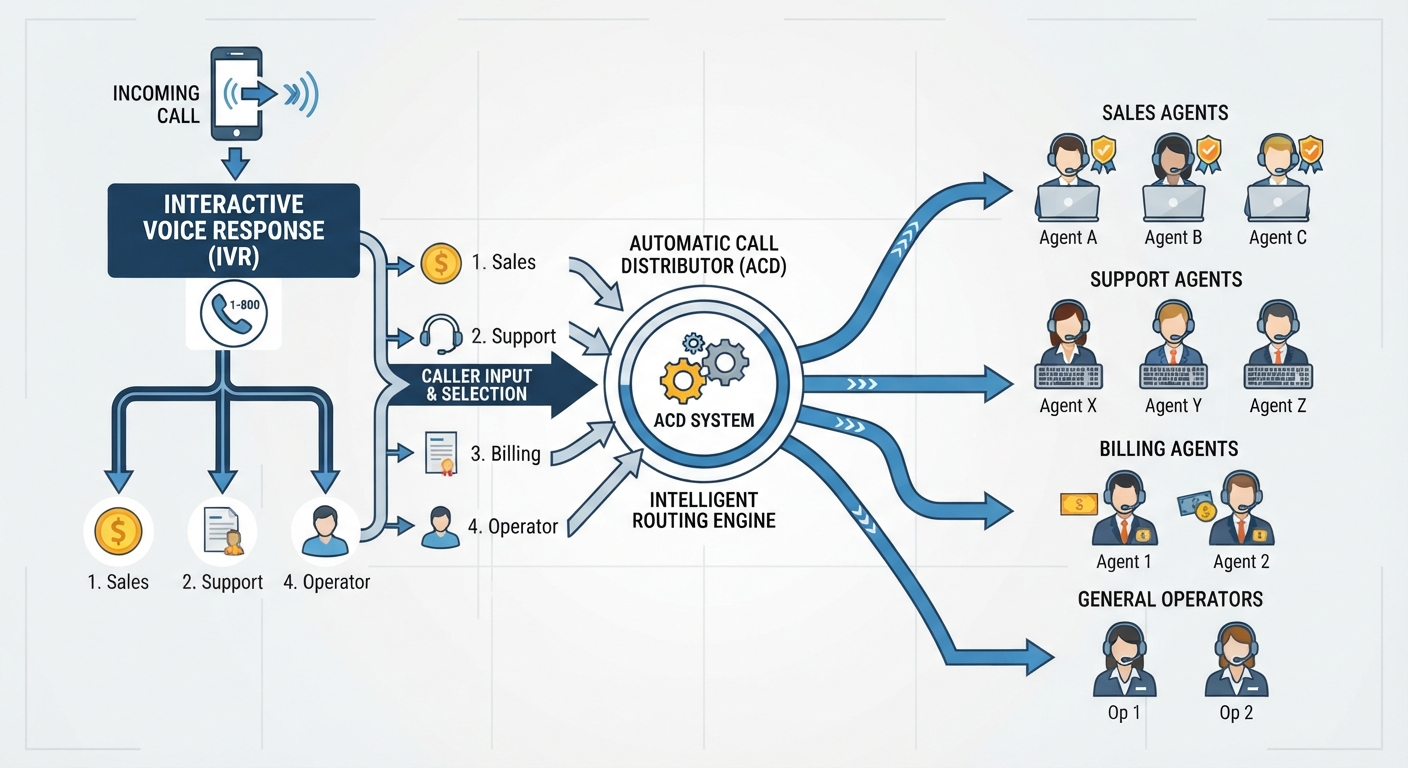
- Smart routing: Instead of a blind transfer, the ai can ping your team on Slack or via SMS with a summary of the call first.
- Instant follow-up: A 2024 report by Salesforce notes that 72% of consumers expect immediate service when they reach out. By 2026, this expectation will only intensify, making a busy human a bottleneck for your growth.
- Zero drop-off: Since there's no "hold music" purgatory, your lead capture rate stays high even during your busiest hours.

Honestly, the "winner" isn't usually one or the other—it’s a hybrid. You keep your best person for the high-level stuff and let the ai handle the "what's your address?" calls.
Getting Started: How to go live
To actually get this thing running, you don't need a degree in computer science. Most platforms like Voksha follow a simple three-step setup:
- Connect your calendar: You link your existing booking tool (like Google Calendar or Clio) so the ai knows when you're actually free.
- Upload your "Knowledge Base": This is just a document or a website link that tells the bot your pricing, services, and FAQs. It learns your business in about five minutes.
- Forward your calls: You get a dedicated number or just set your existing line to "conditional call forwarding" so the ai picks up when you're busy or closed.
Transitioning is easier than you think; you don't have to kill your phone system overnight. Start by routing your after-hours calls to an ai agent, then slowly let it handle the overflow during lunch breaks until you see the ROI for yourself.
In 2026, the companies that thrive will be the ones that stop paying humans to act like bots and start using bots so their humans can finally act like people again. It’s about time we stopped let missed calls dictate our growth.