The Complete Guide to AI Phone Systems for Small Business in 2026
TL;DR
- This guide covers how to set up an ai receptionist for your small business to stop losing money on missed calls. We explore the massive cost difference between hiring staff versus using automation, specific dental and law firm strategies, and how to integrate booking software so you never miss a lead again. You will learn how to route calls intelligently and see why traditional answering services are becoming obsolete in 2026.
Why missed calls are killing your bottom line in 2025
Ever wonder how much money you’re literally throwing away because you can't pick up the phone while you're actually doing your job? Honestly, it’s more than most of us want to admit.
In 2025, nobody wants to "leave a message at the beep." People are impatient now. If you're a lawyer or a plumber and you miss a call, that person is just clicking the next link on Google.
According to Forbes, roughly 80% of callers won't call back if their first attempt doesn't reach a real person.
Think about that. If you're a law firm and a lead for a personal injury case hangs up, you didn't just miss a call—you missed a five or six-figure contract. Most folks won't even wait ten minutes for a callback before they find someone else who answers.

I've seen so many salon owners try to juggle a blowout in one hand and a phone in the other. It’s messy. Between the hair dryers roaring and the general chaos, you can't hear the customer asking where you're located or if you have a 4 PM opening.
- Retail/Salons: Missing an appointment booking because of noise or being understaffed.
- Dentists: High no-show rates because nobody called to confirm the appointment.
- Home Services: Losing a $10k HVAC job to the guy down the street because his ai picked up at 9 PM.
It's not just about being "polite" anymore; it's about survival. If your phone isn't working for you, it's working against you.
The big debate: AI receptionist cost vs hiring receptionist
So, let's get real about the money. Most people look at the monthly sub for an ai tool and think "woah," but then they forget what it actually costs to have a human sitting in that chair.
If you hire a full-time receptionist in 2025, you're not just paying a salary. You've got health insurance, workers' comp, and the overhead of managing a person. According to recent data from the Bureau of Labor Statistics and Glassdoor, the average base pay for a receptionist is around $35,000 to $42,000, but once you add benefits and taxes, you're easily looking at $50k+ a year.
The math gets pretty ugly for the human side when you realize they only work 40 hours a week. Your business is "open" for leads 168 hours a week. If a pipe bursts at 11 PM, a human receptionist is asleep, but the ai is ready to book that emergency plumbing job.
- Initial Setup: You can get the technical account created in about 15 minutes, though you'll want to spend a few hours really mapping your flow to make it perfect.
- Turnover: People quit. It happens. Every time someone leaves, you lose thousands in recruiting and retraining. ai doesn't put in a two-week notice.
- Consistency: A human might have a bad Monday and sound snappy with a patient. An ai sounds exactly how you want it to, every single time.

Now, some folks try a middle ground with "virtual receptionists" (real people in a call center). They’re cheaper than a full-time hire but they usually charge per minute. If you get a chatty lead, you’re paying for every second of that "how’s the weather" talk.
Industry specific solutions for law firms and dental offices
If you’ve ever tried to run a law firm or a dental clinic, you know the phone is basically a ticking time bomb. It’s either silent or exploding with calls right when you’re elbow-deep in a root canal or a deposition.
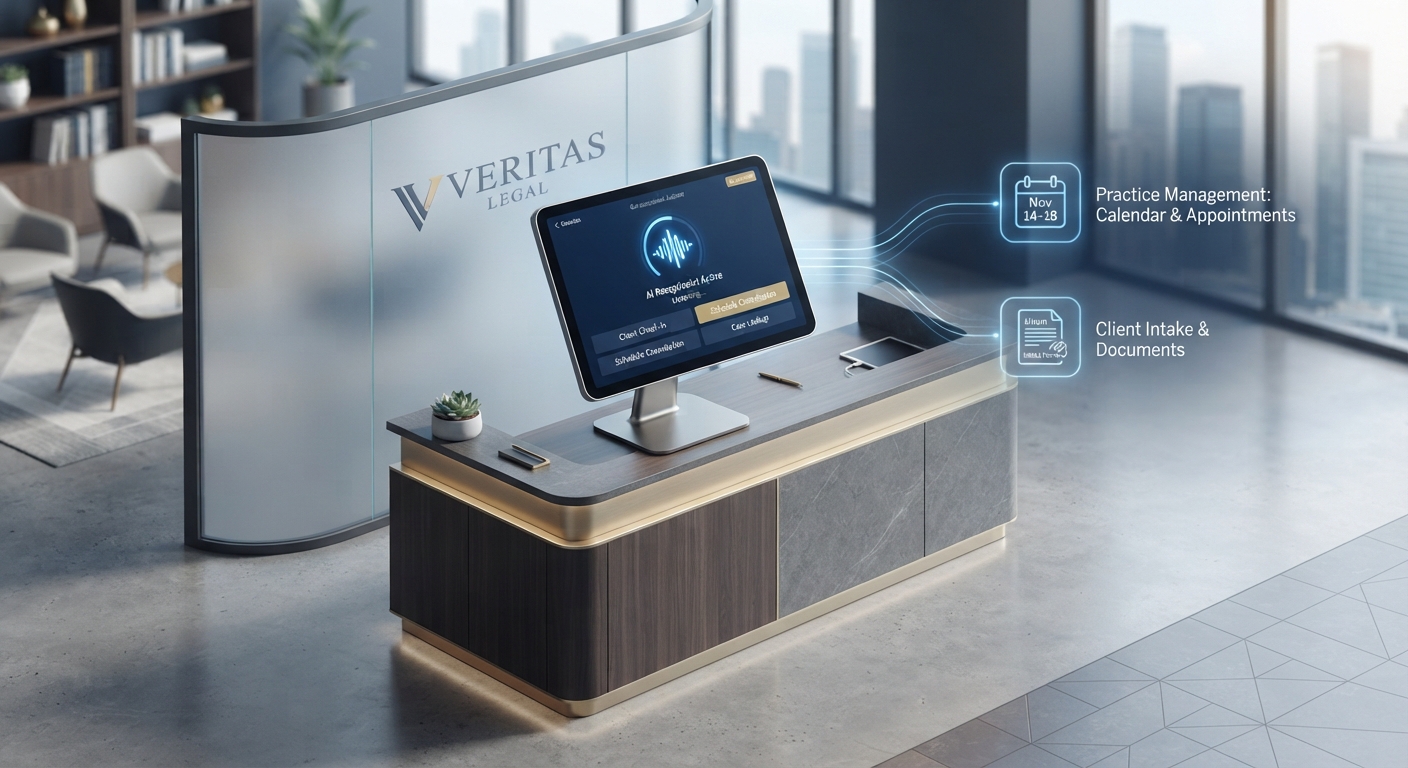
For law firms, the phone isn't just a tool; it's the front door to your revenue. ai systems now are smart enough to do the "heavy lifting" of intake before you even talk to the person. They can ask: "Is this a new case?" and then push that data straight into Clio or whatever legal crm you use.
Dentists have it rough because one missed appointment can mess up the whole day's margin. Plus, you’ve got to be super careful about privacy. When looking at ai for dental, you gotta make sure it's a HIPAA compliant phone answering solution.
- Dental CRM Integration: Modern ai systems now plug directly into software like Dentrix, Open Dental, or Eaglesoft. This means the ai can actually see if a patient is overdue for a cleaning and book them into a real opening in your calendar without you touching a button.
- Insurance Verification: An ai can explain "Yes, we take Delta Dental" while your front desk actually talks to the person standing right in front of them. It makes the office feel way less frantic.

How to set up AI receptionist small business guide
Setting up an ai receptionist isn't nearly as scary as it sounds, honestly. You don't need to be some silicon valley genius to get it running; you just need to know how your phone actually rings right now.
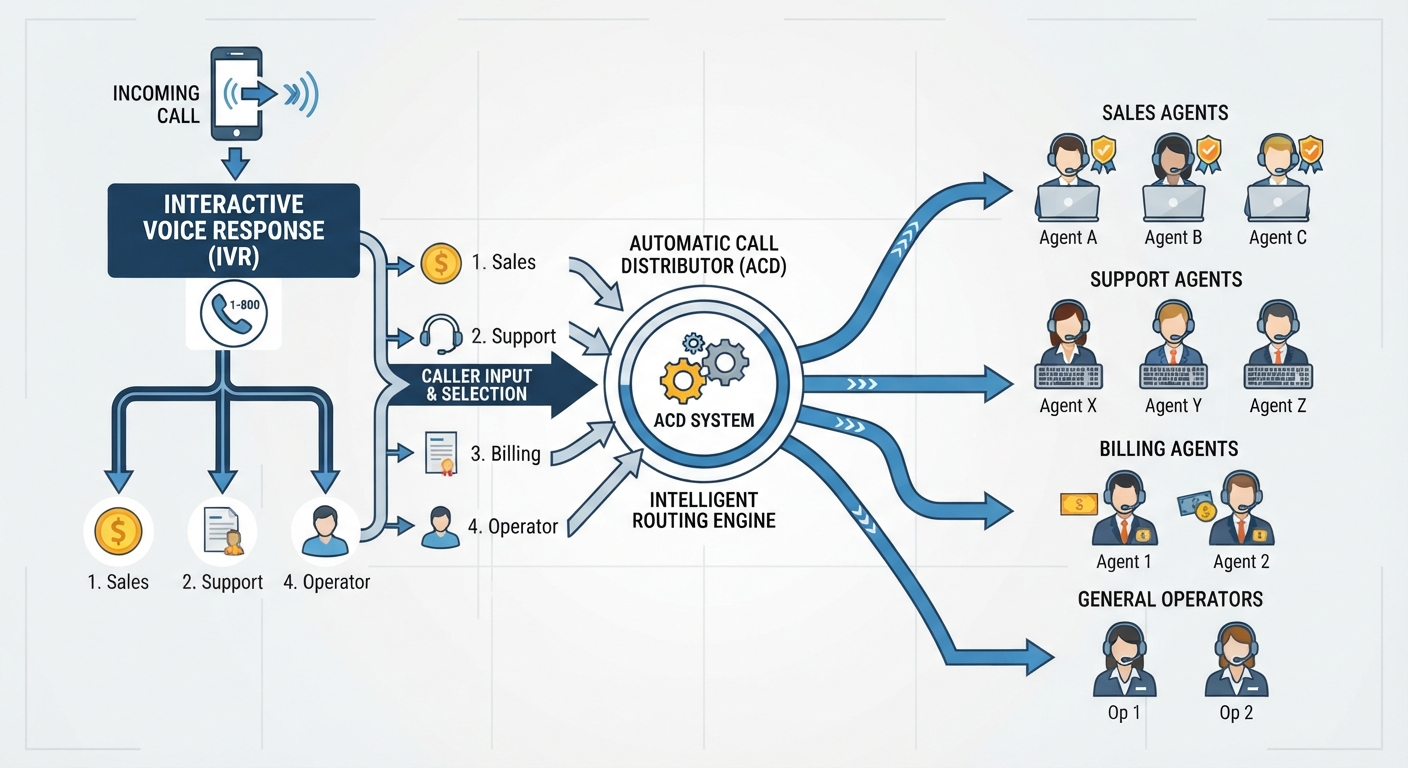
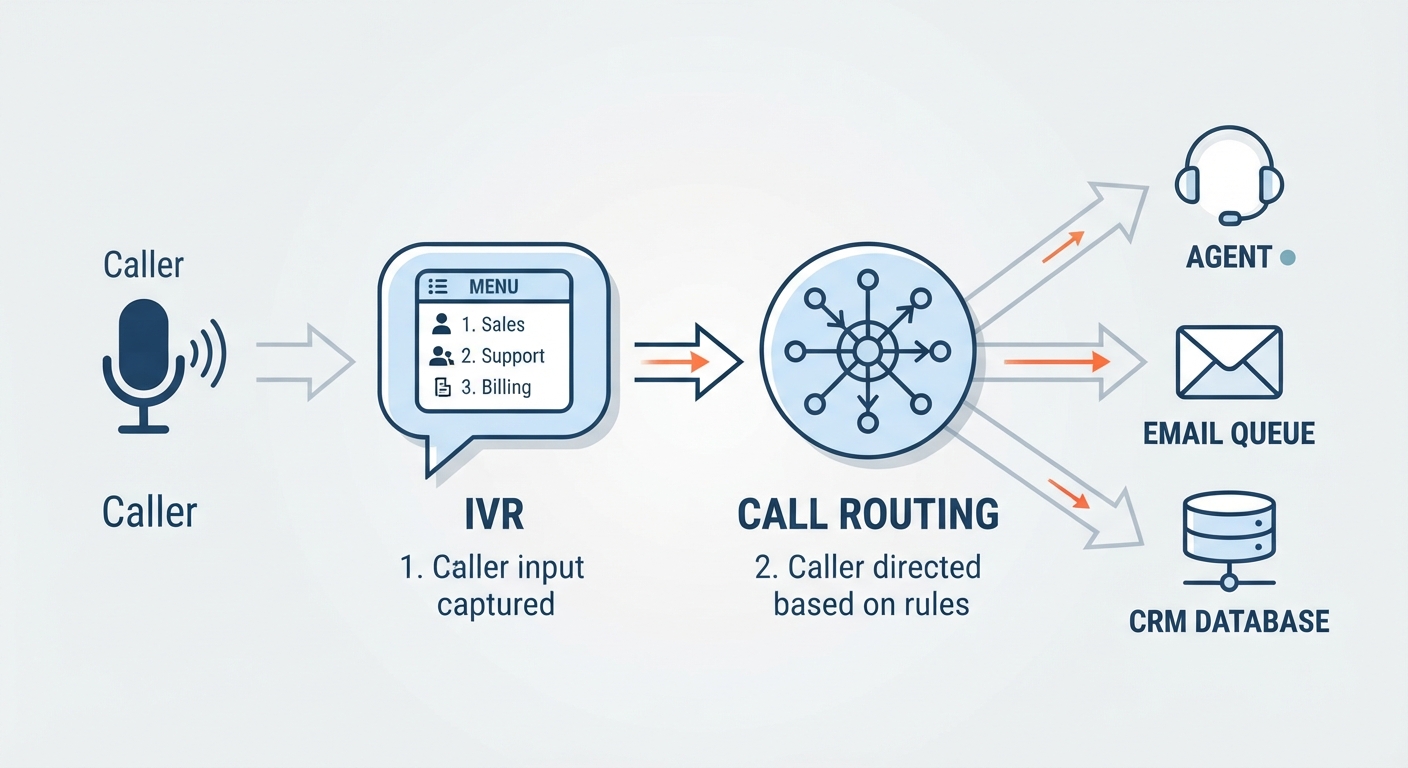
The Setup Timeline: Don't let the "15 minute" marketing fool you. While the technical account creation is fast, you need to set aside an hour or two for the strategy. I usually tell people to grab a piece of paper and draw it out. If a new lead calls, where do they go? If it's a current client, do they need a different person? Mapping this "call flow" is the most important part.
- Audit your current chaos: Write down the five most common reasons people call your shop.
- Upload your knowledge base: Most ai systems let you just drag and drop a PDF of your pricing or a link to your website. The ai reads it and learns your business in seconds.
- Connect the "brains": Link your Google Calendar or booking software.

How to train the voice of your business
Once the logic is set, you gotta give the ai a personality. Most platforms have a "Persona" or "Voice Training" section. You can choose between different accents (like a friendly southern drawl or a professional city tone) and even adjust the "temperature" of how it talks. If you want it to be strictly professional for a law firm, you set the tone to "Formal." If you're a surf shop, you can tell the ai to use casual language. You can even give it a "scripted vibe" or let it be more conversational based on your brand's specific vocal characteristics.
Advanced features and the future of phone answering
So, you’ve got the basics down, but what happens when the sun goes down or your business scales? The future of phone answering isn't just a robot voice; it’s about making sure your business stays "awake" even when you're definitely not.
- Smart Escalation: Instead of the ai just taking a message at 3 AM, it can actually judge if a call is a "house is flooding" emergency or just a "what are your rates" question.
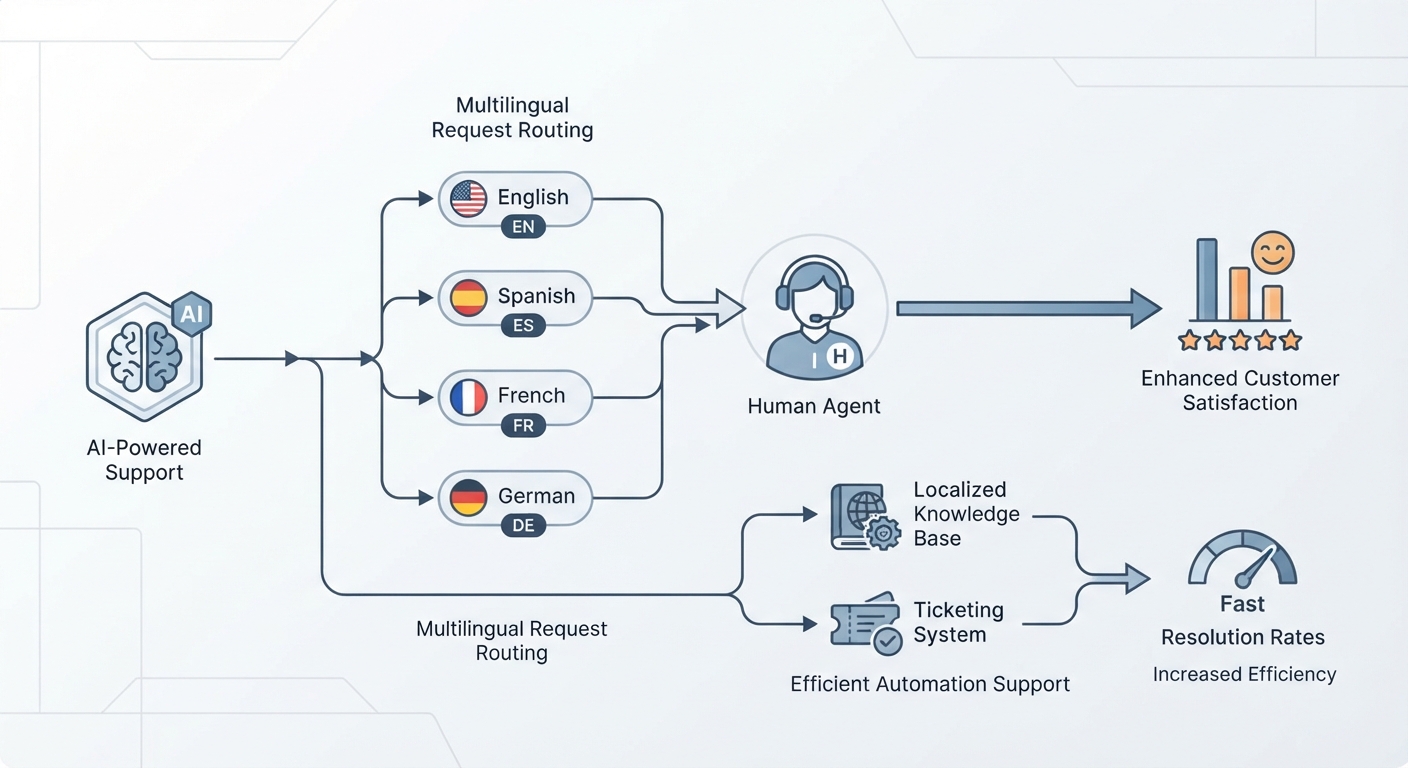
- No Language Barrier: Modern systems can swap between English, Spanish, or whatever your customers speak on the fly.
One thing to watch out for is security. Make sure your system has "social engineering" protection so people can't trick the ai into giving out customer data. While security is a serious thing to manage, having a reliable, locked-down system actually saves you money in the long run by preventing fraud and keeping your reputation clean. A secure ai is a profitable one because it mitigates the risks that usually come with human error or unmonitored call centers.

Calculating your AI phone system ROI for small business
So, after looking at the numbers, is it actually worth the switch? Honestly, if you're tired of burning cash on missed leads, the math is pretty simple.
Traditional answering services often charge $1.50 to $3.00 per minute. If you're a busy medical clinic, those "per-minute" fees eat your margins fast. ai doesn't get tired or charge for bathroom breaks.
- Recovered Leads: One $500 dental cleaning or a $2,000 hvac repair pays for the tech for a whole year.
- Time is Money: You save about 10 hours a week not listening to voicemails.
- Scalability: Unlike humans, ai handles 10 calls at once during a rush without breaking a sweat.
A 2024 report by Invoca shows that 76% of consumers will stop doing business with a brand after just one bad experience.
Using ai ensures every caller gets a fast, polite response, even at 2 AM.

At the end of the day, it's about peace of mind. You can finally focus on your actual work while the phone handles itself. Definitely beats the old way.