Answering Service Alternatives: Why Smart Businesses Are Switching to AI
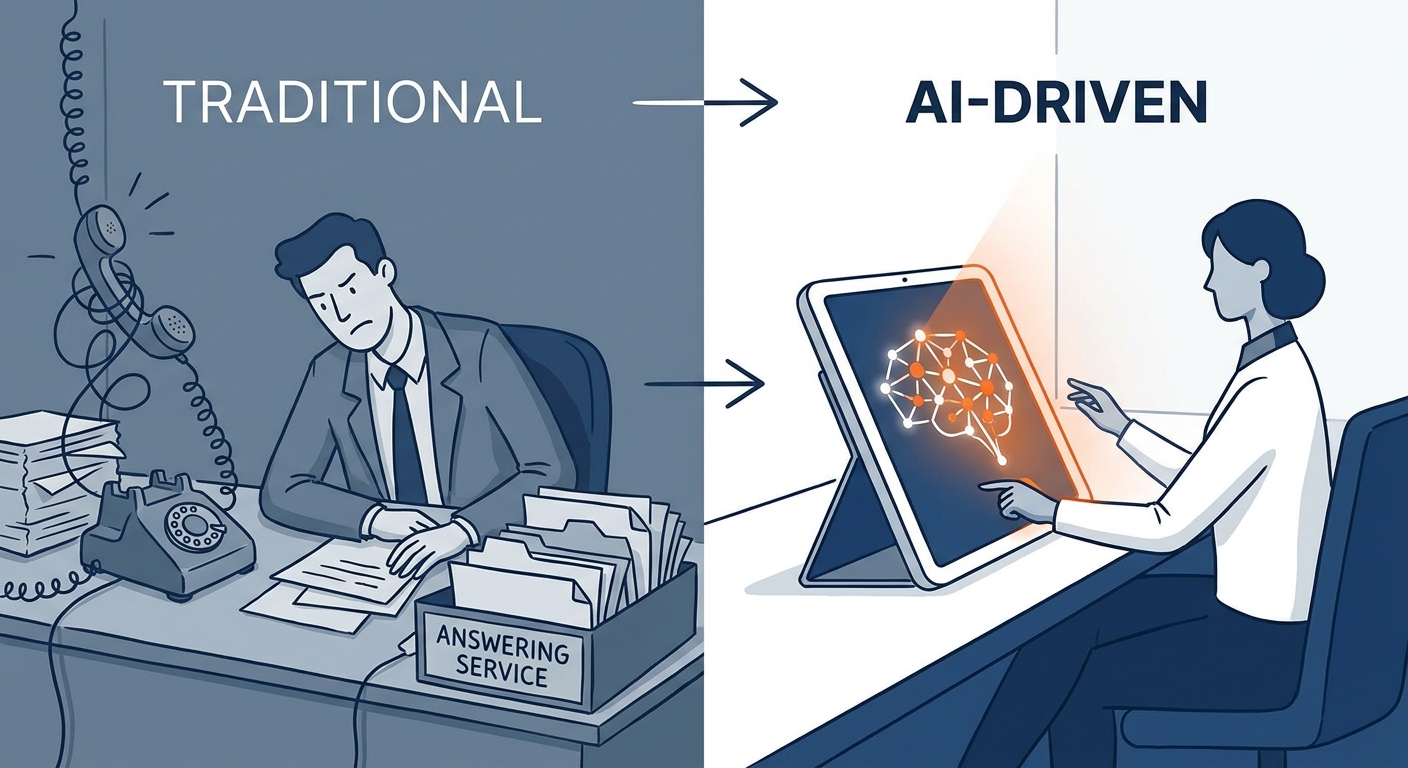
TL;DR
- ✓ Traditional answering services create costly bottlenecks for growing modern businesses.
- ✓ AI receptionists provide 24/7 intelligent, real-time responses to customer inquiries.
- ✓ Switching to AI automation significantly reduces missed calls and increases lead conversion.
- ✓ Modern AI systems lower operational costs compared to hiring traditional human staff.
The era of the "message-taking" receptionist is effectively dead. For years, small businesses have been shackled to human-staffed answering services—a model defined by eye-watering monthly retainers, rigid operating hours, and the soul-crushing reality that a human operator is really just a glorified stenographer. You pay them to write down a message, which you then have to stop everything to act on later.
It’s a bottleneck. A slow, expensive, outdated bottleneck.
Today, smart businesses are ditching this relic in favor of AI receptionists. These aren’t just glorified voicemail boxes; they are problem solvers. With 74% of missed calls resulting in permanently lost revenue, moving to 24/7 intelligent automation isn’t just a "nice-to-have" upgrade. It’s an operational necessity for survival in 2026. If you aren't answering, your competitor is. And they’re probably doing it with a bot that never sleeps, never takes a lunch break, and never gets moody.
Why Traditional Answering Services Are Dying
The classic answering service was built for a different century. You’ve got a human agent in a call center, reading from a stiff, static script, who then shoots you an email summary you probably won't see for three hours. By the time you read it, that lead has already called the guy down the street.
The lag between the inquiry and the action is a killer. When you look at the high cost of human-staffed services against their stagnant, 9-to-5 availability, the math doesn't just look bad—it looks negligent.
Beyond the bill, there’s the "message-taking" trap. Every time a lead calls and hits a human operator, that operator creates a task for your team. You’re paying twice: once to the service to answer the phone, and again in your own labor hours to actually process that info, call the lead back, or book the appointment. In an age of instant gratification, that delay is a massive competitive liability. Your customers don't want to leave a message. They want a solution.
What Exactly Is an AI Receptionist?
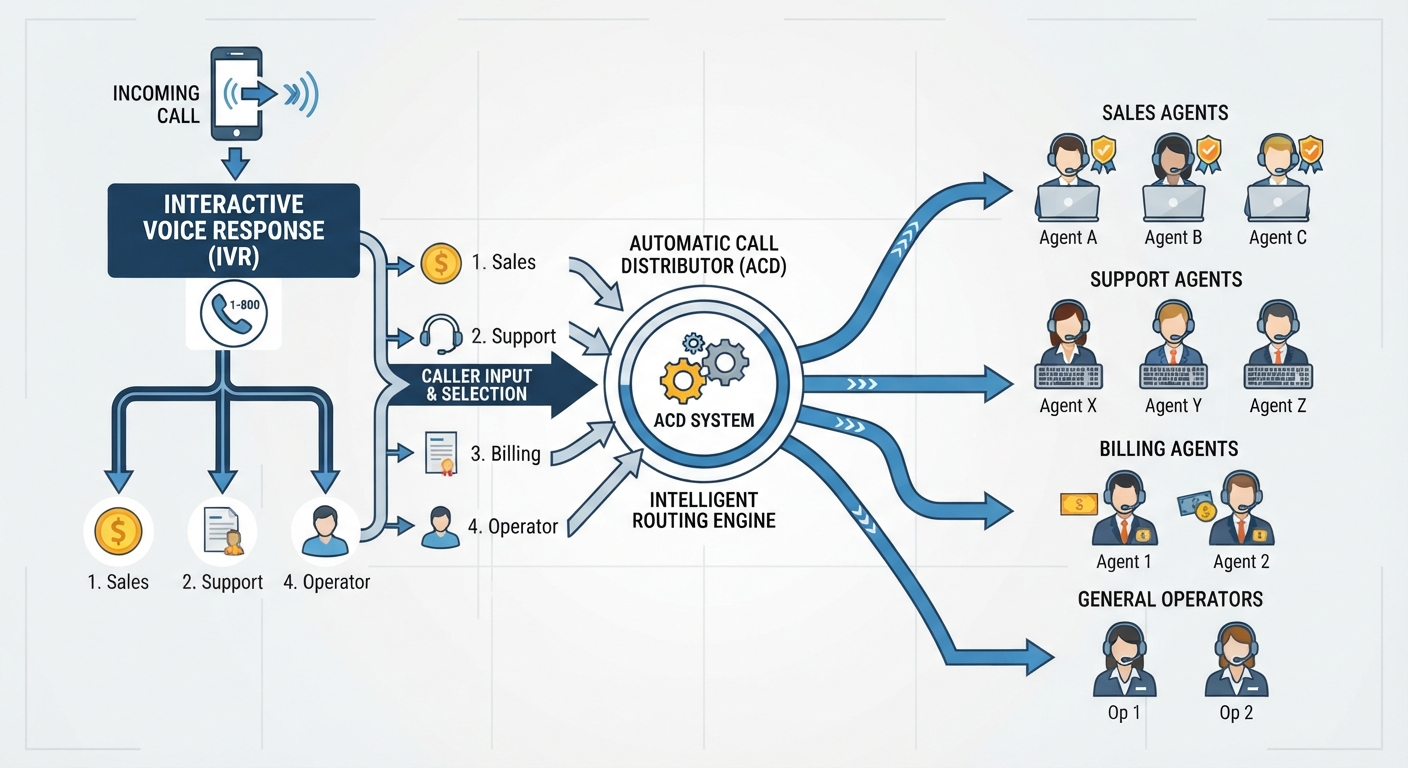
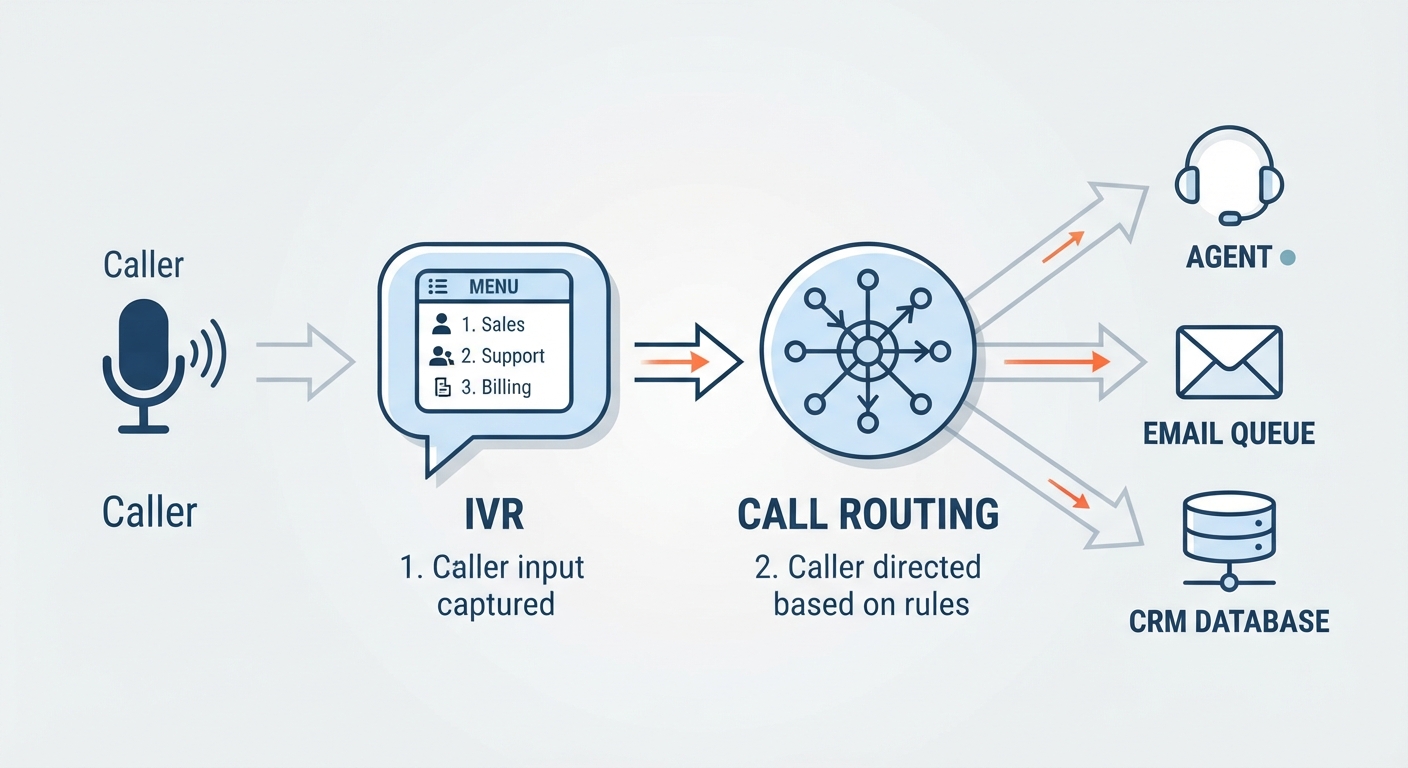
Forget the "Press 1 for Sales" nightmares of the early 2000s. Those IVR systems were built to keep people away from you. An AI receptionist is a conversational engine. It uses advanced NLP—Natural Language Processing—to actually listen, understand, and respond with the nuance of a human. According to industry experts, the real power here is the ability to extract intent and execute backend actions.
The "magic" is all about sub-800ms latency. The old AI felt robotic because of that awkward, painful silence between a question and a response. Today’s systems process in real-time. You can interrupt them. They can correct themselves. It’s fluid. When a caller asks, "Do you have any openings on Tuesday afternoon for a cleaning?" the AI doesn't just nod. It pings your CRM, checks the calendar, and offers a slot—all before the caller finishes their sentence.
AI vs. Human: The Reality Check
| Feature | Human Answering Service | AI Receptionist |
|---|---|---|
| Availability | Limited/Shift-based | 24/7/365 |
| Pricing | High monthly fees + per-call charges | Flat, predictable subscription |
| Speed | Minutes to hours (relay time) | Instant (real-time processing) |
| Integration | Manual data entry required | Native CRM/Calendar sync |
| Scalability | Expensive to add more staff | Infinite, simultaneous capacity |
| Emotional IQ | High (for complex empathy) | Moderate (growing rapidly) |
Sure, humans still have an edge when you’re dealing with a full-blown crisis or a highly emotional situation. But for 95% of business calls? AI is objectively faster, cheaper, and more reliable. For most SMEs, the pricing guide for 2026 makes it clear: you’re swapping a recurring, expensive labor cost for a scalable software asset.
The "Hybrid Model": The Best of Both Worlds
The smartest businesses aren't firing their front-desk staff. They’re reallocating them.
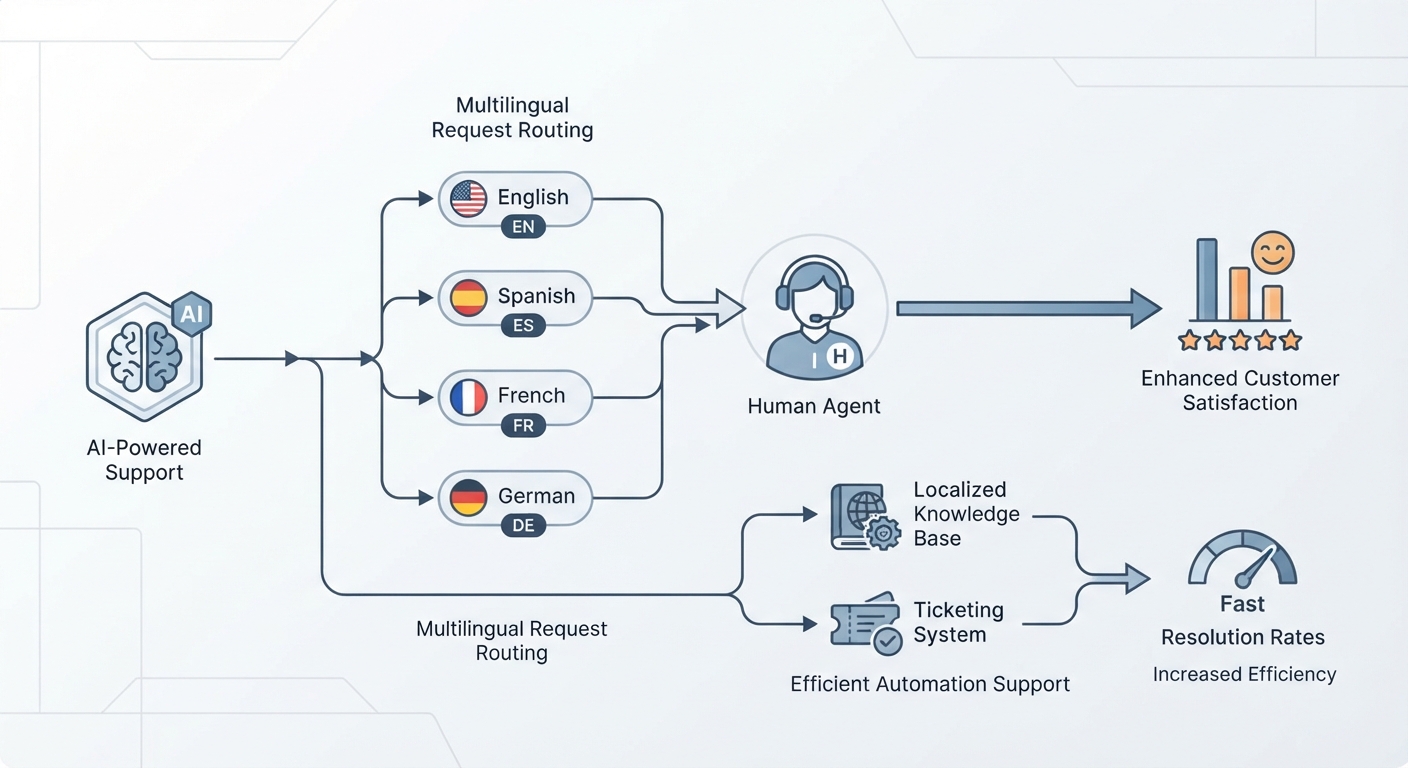
Think of it as the "Hybrid Model." Most incoming calls are mind-numbingly routine: "What are your hours?", "Can I reschedule?", or "Do you take Blue Cross?" AI handles this volume flawlessly, day or night. The remaining 5%—the high-value, sensitive, or complex calls—are intelligently routed to your human team. Your staff stops being a glorified call center and starts being the high-value asset you hired them to be.
The Real-World Benefits
The primary driver here is Operational ROI. Most businesses report a 60–80% cut in overhead when they ditch the human service. You’re trading "cost-per-minute" for "efficiency-per-task."
Then there's the Instant Gratification factor. Modern consumers have zero patience. They want their appointment booked now. By integrating directly with your CRM, the AI kills the "human-to-database" lag. And don't worry about the red tape—modern platforms are built with HIPAA and GDPR standards baked in from the ground up, so you can automate sensitive intake without losing sleep over compliance.
Choosing Your Path: AI vs. Human
If your business lives on high-volume, repetitive tasks—plumbing, dental cleanings, HVAC repairs—AI is the clear winner. The ROI is immediate, and the consistency is better than any rotating pool of human operators.
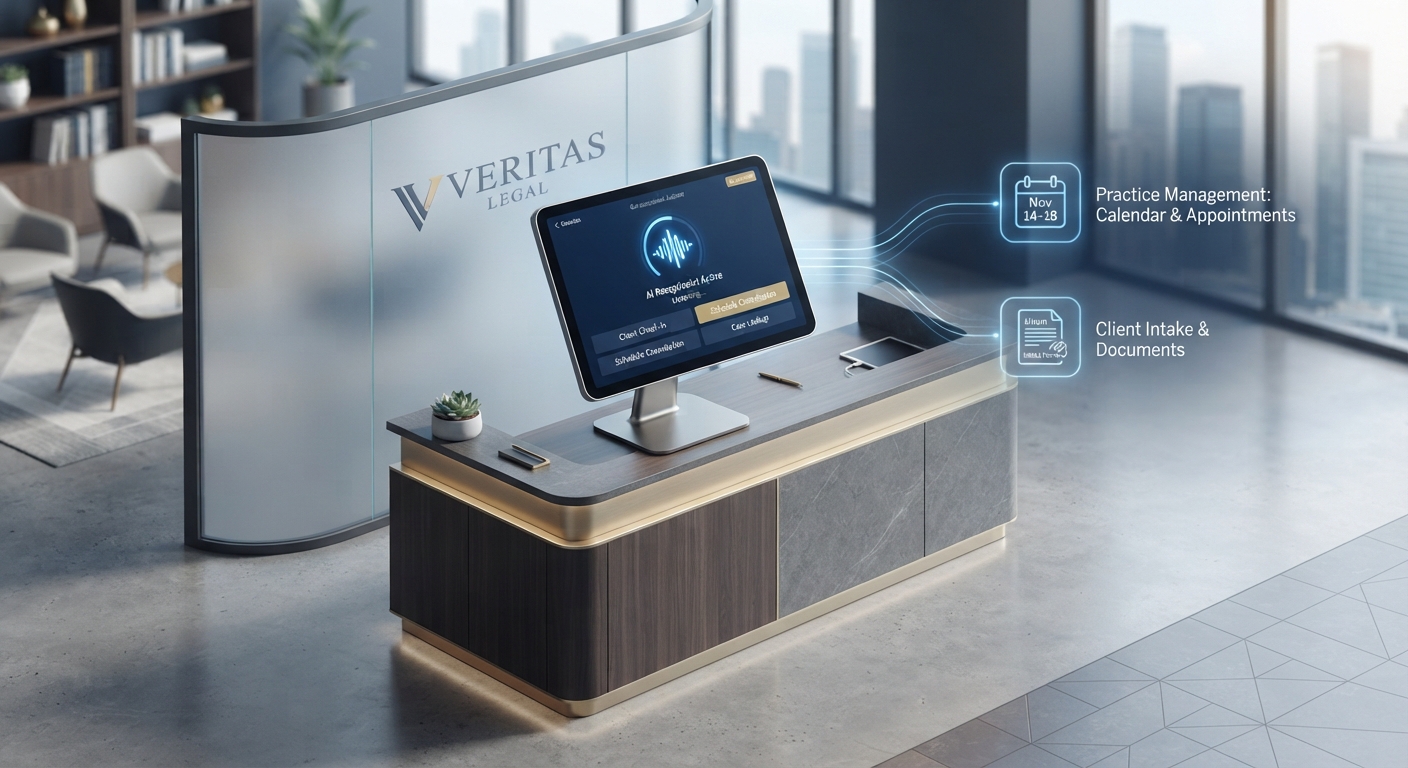
However, if your shop handles high-touch crisis management—like a high-end law firm or a boutique concierge service—the Hybrid Model is your path to glory. Use the 10 best AI receptionists of 2026 as your starting point to find platforms that prioritize that "human-in-the-loop" escalation.
The 3-Step Transition Plan
Don't panic. You don't have to burn the bridge to build a new one.
- The Pilot Phase: Don't go all-in on day one. Route your "after-hours" or "overflow" calls to the AI. Test the scripts, tweak the tone, and get comfortable without risking your main line.
- CRM Integration: This is the heart of the operation. Make sure the AI is synced with your calendar and lead database. Test the booking flow until it’s bulletproof.
- Monitoring and Optimization: Spend the first two weeks reviewing transcripts. Feed the AI the specific FAQs and "insider" knowledge that only your team knows. It’ll get smarter every single day.
The Future is Already Here
By 2027, the word "phone tree" will be a joke told in history books. We’re moving toward hyper-personalized, context-aware agents that actually remember who the caller is and what they need. As recent research on the transformation of CX makes clear, the businesses that win will be the ones that turn every single interaction into an opportunity for immediate value.
Stop taking messages. Start solving problems.
Frequently Asked Questions
Will my clients know they are talking to an AI?
With 2026 advancements in voice synthesis and sub-800ms latency, the distinction is increasingly blurred. Most callers focus on the efficiency of the interaction; if the AI answers their questions and solves their problem, the "human vs. machine" debate becomes irrelevant to the customer.
How difficult is it to set up an AI receptionist if I'm not tech-savvy?
Most modern AI receptionists are designed for the non-technical user. They typically function on a "low-code" basis, where you provide your business hours, FAQs, and integration credentials, and the platform handles the rest of the heavy lifting.
Can an AI handle complex questions or only simple scheduling?
AI agents are increasingly capable of handling complex, multi-step workflows. While they excel at scheduling, they can also perform intake, provide detailed policy information, and route specific inquiries based on the caller’s unique needs.
What happens if the AI doesn't understand the caller?
Top-tier platforms utilize intelligent fallback protocols. If the AI detects confusion or high sentiment (like frustration), it can automatically trigger an "escalation" to a human staff member or offer a callback from a manager, ensuring no lead is ever left in a loop.
Is my data secure when using an AI answering service?
Yes. Leading AI providers now incorporate enterprise-grade security, including full HIPAA and GDPR compliance, ensuring that all data captured during calls is encrypted and handled according to the strictest regulatory standards.