Cheap Virtual Receptionist Alternatives: Can AI Match the ROI of Human Staff?
TL;DR
- ✓ AI receptionists offer 24/7 coverage at a fraction of traditional human-staffed agency costs.
- ✓ Rapid response times via AI automation significantly improve lead capture and conversion rates.
- ✓ Scale your operations with flat-rate AI subscriptions instead of unpredictable per-minute billing fees.
- ✓ Use a hybrid model to automate routine tasks while escalating complex calls to humans.
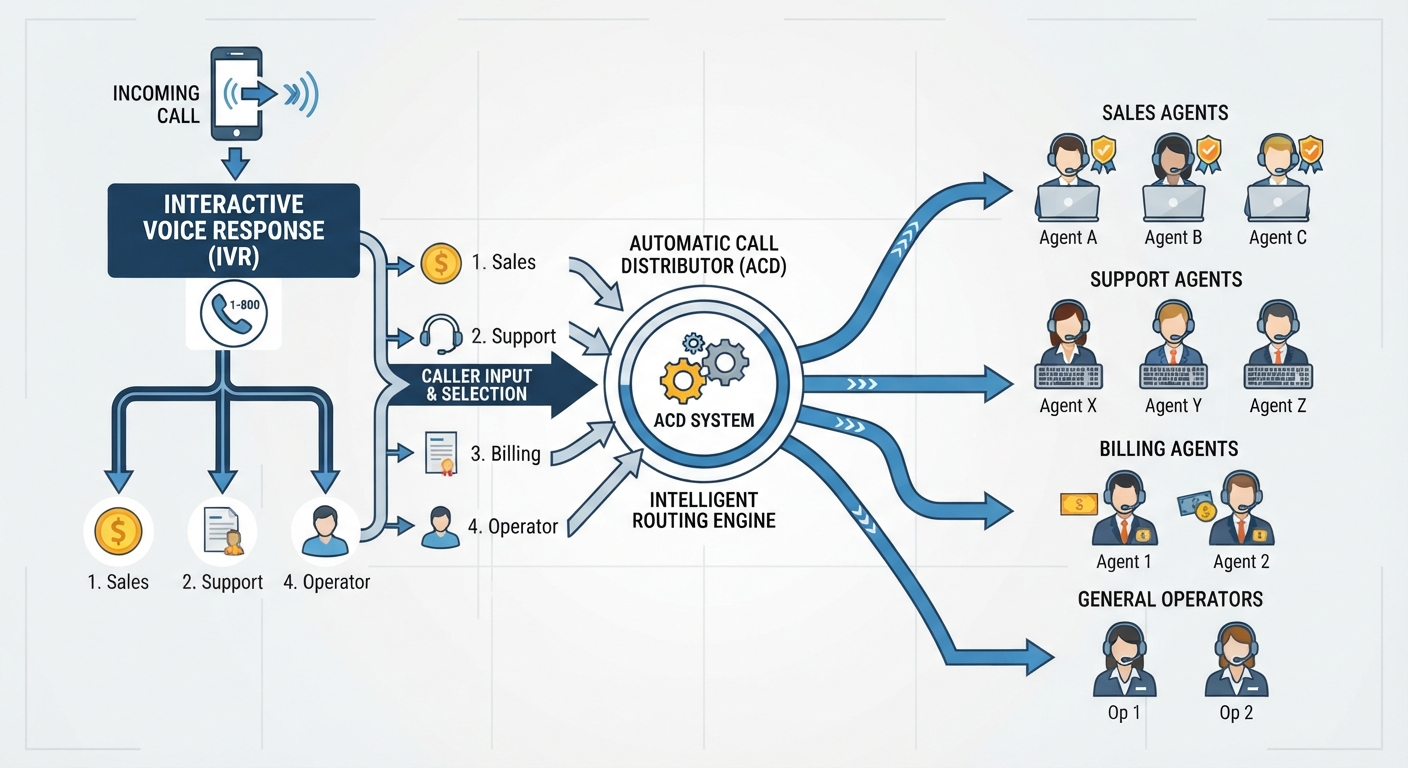
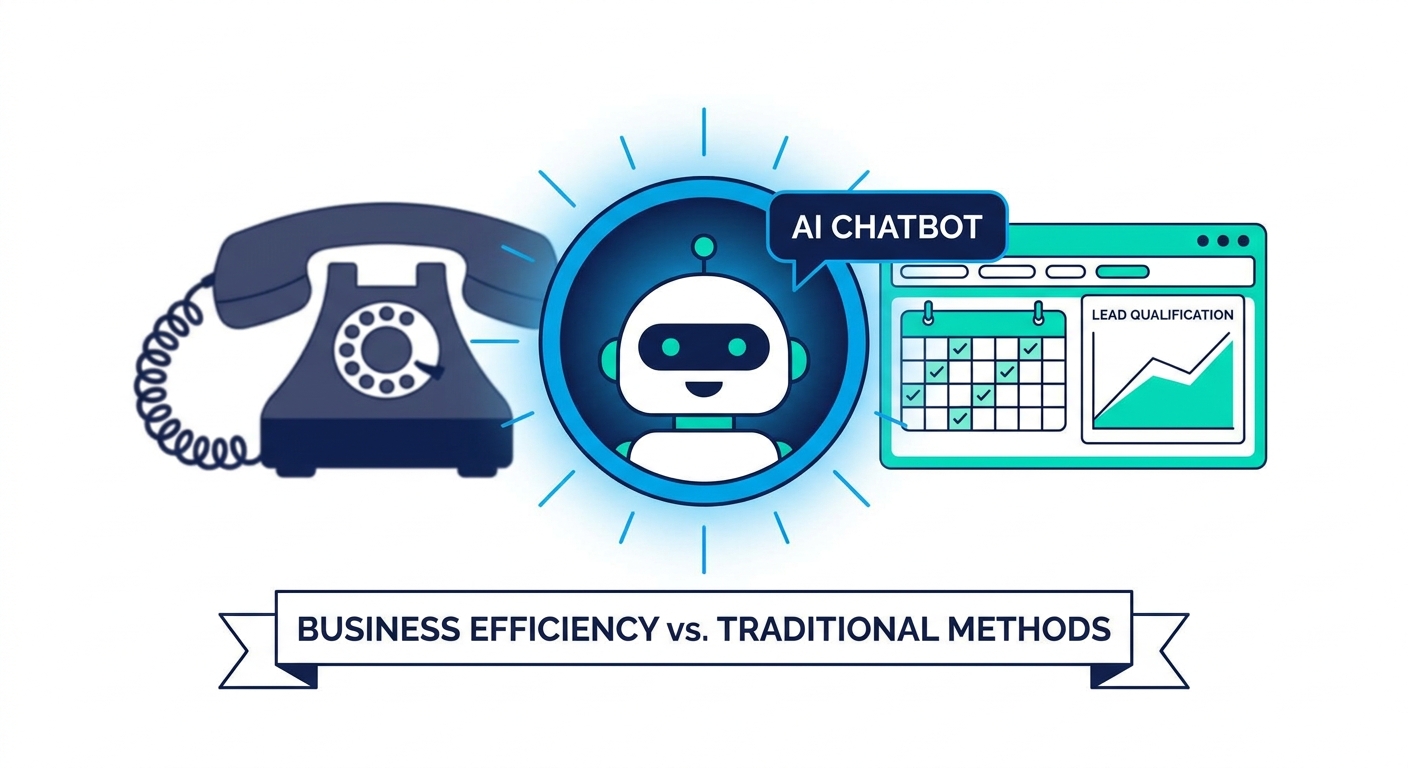
The era of paying a premium for human-staffed call centers to handle routine intake is effectively over. For the modern small business, the choice is no longer between "expensive human receptionist" and "cheap, robotic voicemail." Instead, the market has shifted toward high-fidelity AI systems that provide 24/7 coverage for a fraction of the cost.
If you are still paying per-minute billing for simple scheduling or lead qualification, you are bleeding capital. According to small business lead conversion statistics, the speed of response is the single most important factor in securing a new client. If you aren't picking up the phone within the first three rings, your competitors—who are likely using automated intake—already have the lead. It’s that simple.
The ROI Breakdown: AI vs. Human Virtual Receptionists
The financial argument for making the switch is stark. Traditional virtual receptionist services tether your overhead to your call volume. When you have a busy month, your bill skyrockets. When you have a slow month, you are still paying base fees for services you aren't using. Most human-staffed agencies operate on models ranging from $350 to over $1,200 per month, depending on the volume of minutes consumed.
Conversely, AI-first alternatives have commoditized the technology to the point where flat-rate subscriptions between $14 and $200 per month are the industry standard. To understand the impact on your bottom line, use this simple break-even formula:
Monthly Burn (Current Service) - Monthly Subscription (AI Service) = Immediate Net Cash Flow Increase.
If you want to see exactly how these costs scale against your specific volume, refer to this AI receptionist pricing guide to map out your projected annual savings. The math rarely favors the human-only model for routine tasks like appointment setting or basic FAQs.
Can AI Really Replace a Human? The "Hybrid" Reality
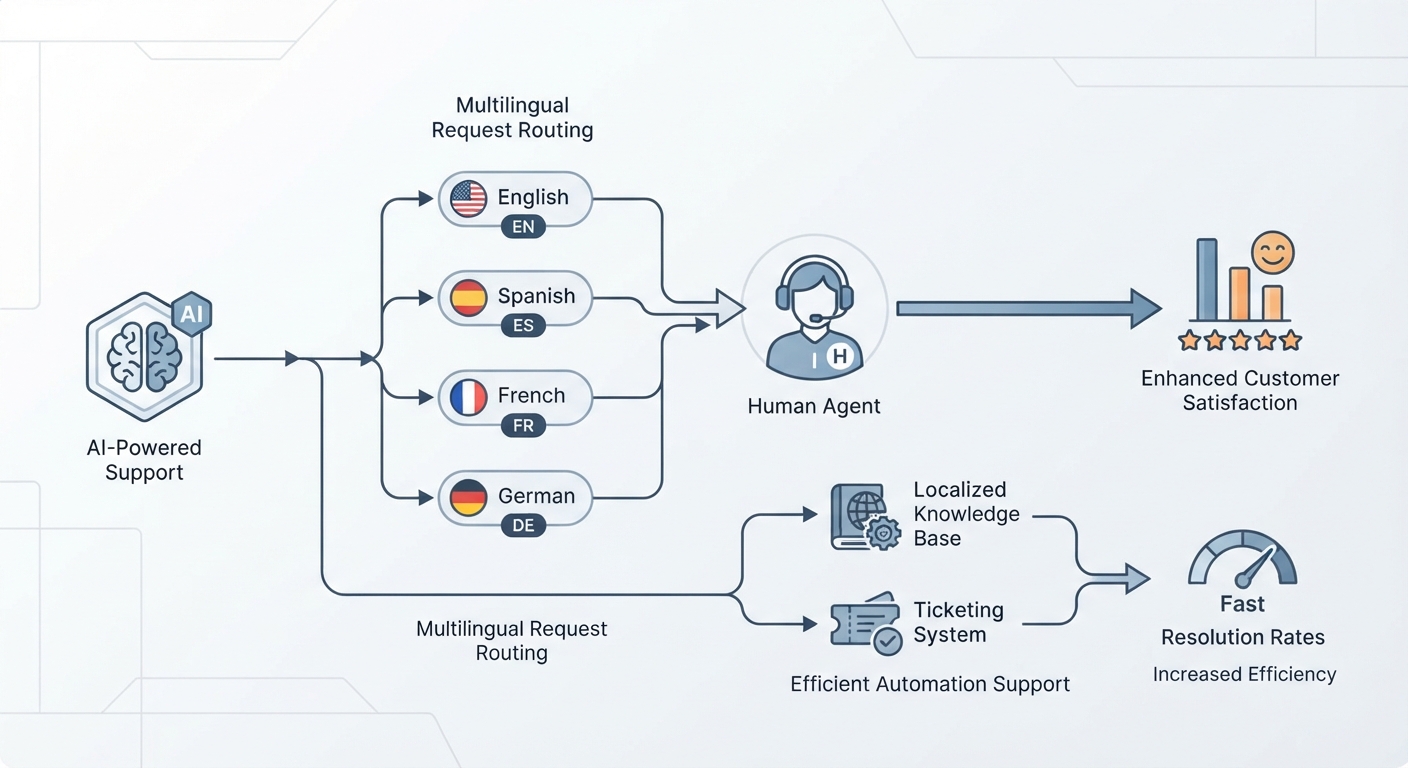
There is a pervasive myth that you must choose between a cold, robotic AI and a warm, empathetic human. In practice, the most successful businesses are adopting an "AI-First, Human-Escalated" model. This approach leverages the raw speed and infinite availability of AI for 90% of incoming traffic, while reserving human intervention for the high-ticket, emotionally charged conversations where empathy is the actual product.
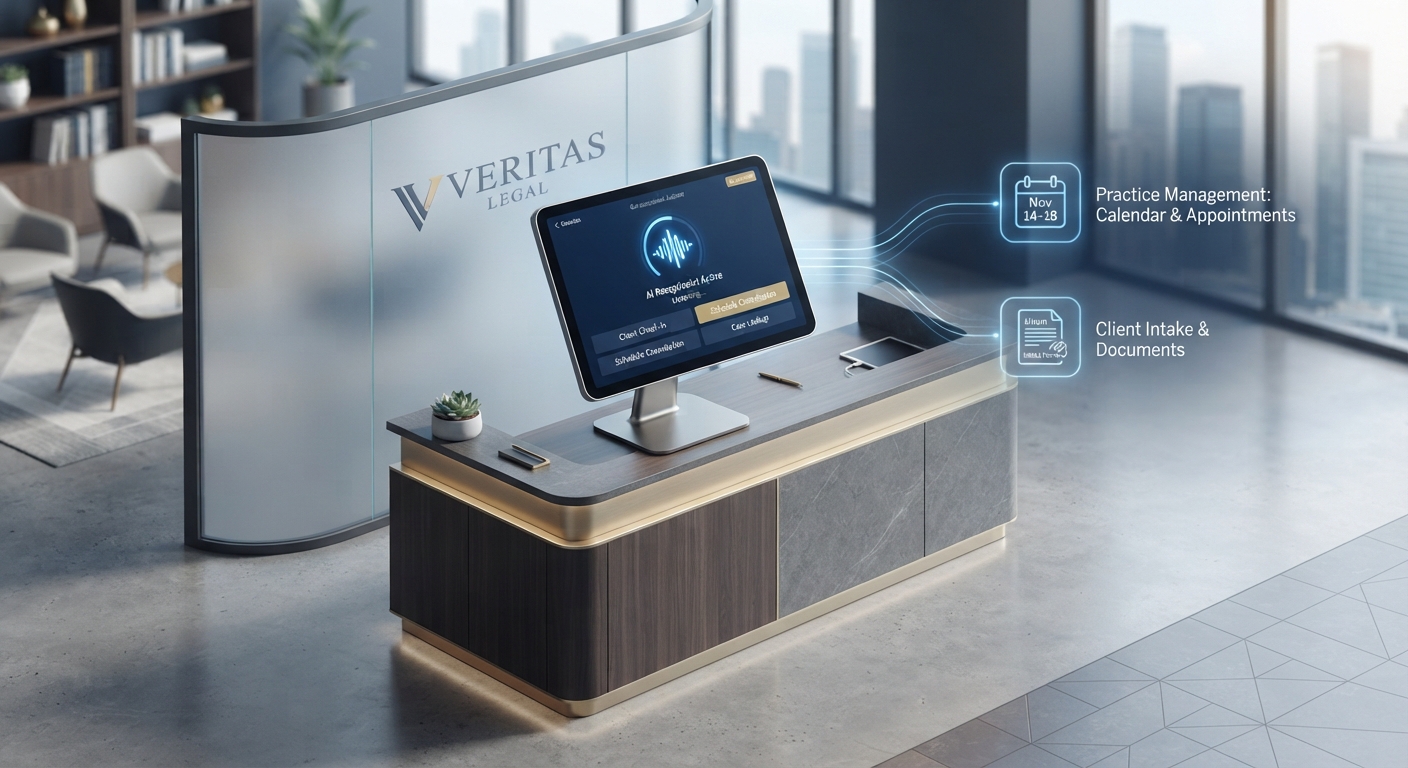
For luxury services—boutique law firms or high-end concierge medicine—the "Empathy Premium" is real. You don't want a machine handling a client calling in a state of distress. However, you also don't need a $40/hour employee spending their day answering "What are your office hours?" or "Do you take Blue Cross?" By routing the mundane through AI, you allow your human staff to focus on the high-value interactions that actually drive revenue.
How to Ensure Your AI Doesn’t Sound Like a Robot
The "Uncanny Valley" is a relic of 2023. By 2026, voice synthesis has reached a point of near-zero latency, meaning the pause between a user speaking and the AI responding is virtually imperceptible. To ensure your AI doesn't sound like a canned script, the secret lies in prompt engineering.
Avoid "robotic" prompts that force the AI to sound overly formal. Instead, give your AI a persona. Tell it: "You are a helpful, professional, and concise assistant for a dental office. You are warm, but you respect the caller's time." By adjusting the latency settings and tone parameters—which you can explore in these 2026 AI voice platform benchmarks—you can create an experience that feels like a natural conversation rather than an interrogation.
The Integration Mandate: Why CRM Sync is Non-Negotiable
A virtual receptionist, whether human or AI, is useless if it exists in a silo. If your receptionist takes a message and sends it via email, you have already failed. That data needs to live inside your ecosystem.
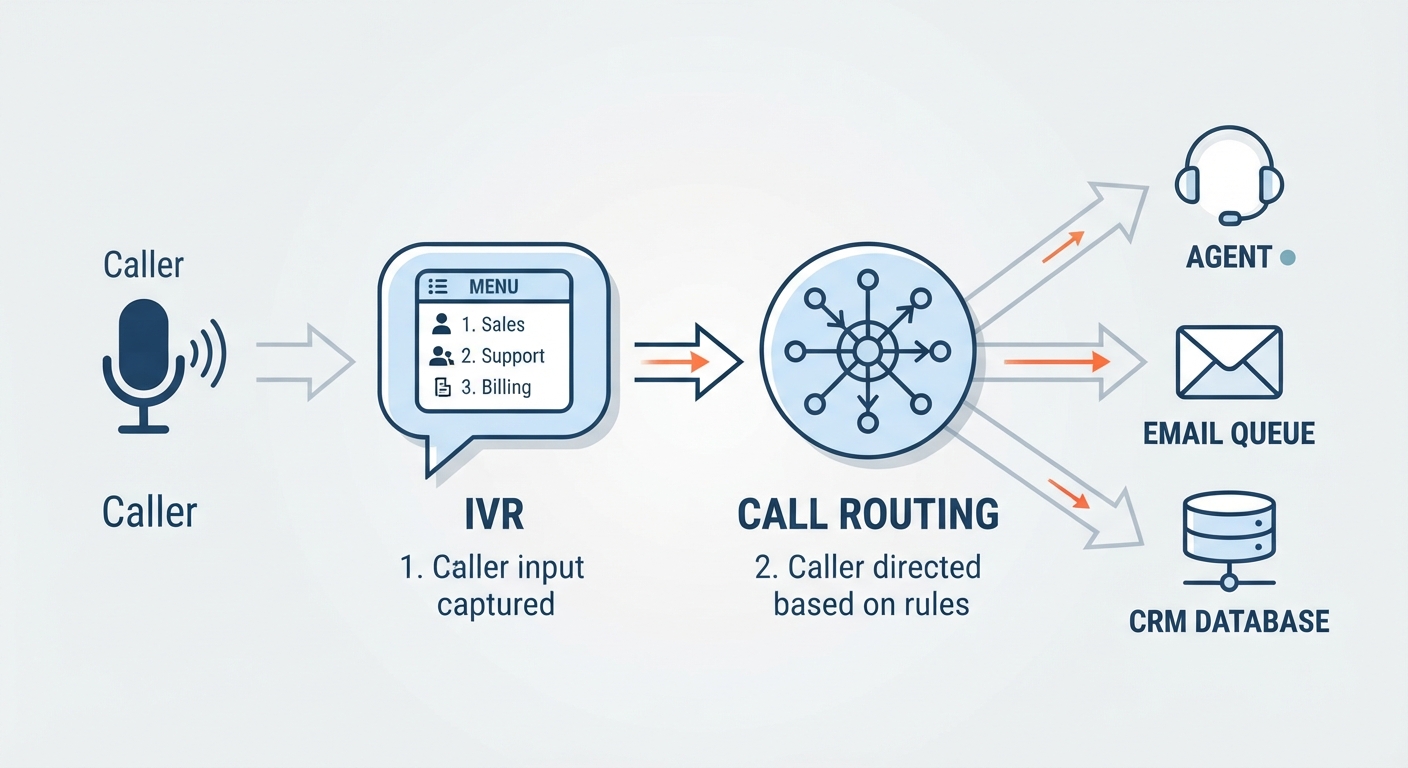
Modern AI receptionists act as active participants in your CRM. When a lead calls, the AI should be checking your availability in real-time via your calendar API (like Clio for law or MindBody for wellness), booking the slot, and creating a lead entry in HubSpot or Salesforce simultaneously. This isn't just about convenience; it's about conversion. Every manual step between a lead expressing interest and that interest being recorded in your system is a place where that lead can vanish.
Security and Compliance: Is AI HIPAA-Compliant?
A common objection to AI adoption is the fear of data leaks or compliance violations. It is time to retire the idea that human staff are inherently more secure than AI. Human error—misplacing a notepad, mishearing a name, or simply forgetting to log a call—is the leading cause of HIPAA breaches in small practices.
Top-tier AI providers now operate with enterprise-grade security, including end-to-end encryption and Business Associate Agreements (BAAs) that explicitly cover medical and legal standards. For a deep dive into how these systems maintain integrity, check out these resources on HIPAA compliance for AI services. When configured correctly, an AI is the ultimate consistent employee: it follows the protocol 100% of the time, never takes a shortcut, and leaves a perfect digital audit trail.
The 30-Day Transition Plan: How to Switch Without Risk
You don’t have to burn the bridge to build a new one. The most effective way to migrate is through a 30-day parallel testing period.
- Step 1: Parallel Testing. Keep your current human service active, but route a small percentage of your calls (or your after-hours calls) to the AI. Compare the data quality and client feedback.
- Step 2: Script Optimization. Use the logs from the first week to refine your AI's responses. If callers are asking questions the AI isn't prepared for, update the knowledge base. Consult the Voksha setup guide for best practices on refining your routing logic.
- Step 3: Gradual Shift. Once you are confident in the AI's ability to handle the volume and complexity, transition your primary line.
Industry-Specific Scripts: Copy-Paste Prompts
For Legal Practices (Intake Focus)
"You are a legal intake assistant for [Firm Name]. Your goal is to determine the area of law the caller needs help with and gather their callback number. If they are an existing client with an emergency, offer to connect them to the attorney on call. Be professional, empathetic, and concise."
For Dental/Medical (Scheduling Focus)
"You are a patient coordinator for [Clinic Name]. Your primary function is to schedule new patient consultations and reschedule existing appointments. You have access to the calendar API. Always confirm the date and time, and send a summary text message to the patient once the appointment is confirmed."
For Home Services (Dispatch/Availability Focus)
"You are a dispatcher for [Company Name]. You need to confirm the service address, the nature of the emergency, and the best time for a technician to arrive. If the caller needs an immediate emergency dispatch, flag the lead as 'Urgent' and send an automated alert to the field manager's mobile device."
Final Verdict: Which Path Should You Choose?
The decision comes down to the nature of your business. If your business relies on high-volume, transactional interactions, the AI-first model is the only logical choice for maintaining margins. If you are in a high-touch industry where every single interaction requires deep emotional intelligence, a hybrid model is your best path forward.
| Feature | Human Receptionist | AI Receptionist | Hybrid Model |
|---|---|---|---|
| Cost | High (Per-Minute) | Low (Flat-Rate) | Medium |
| Scalability | Low | Infinite | High |
| Complexity | High | Low | Medium |
| Best For | Luxury/High-Touch | Routine/High-Volume | Growth-Stage Firms |
Ultimately, your goal is to capture every lead without sacrificing the quality of your client experience. AI is no longer a "cheap" alternative; it is a superior operational tool that, when implemented correctly, outperforms human staff in the areas that matter most: speed, consistency, and cost-efficiency.
Frequently Asked Questions
Will my customers know they are talking to an AI?
Modern AI is designed for utility, not deception. While the voice quality is indistinguishable from a human, the goal is to provide a seamless experience. Most clients care far more about getting their issue resolved quickly than they do about whether the person on the other end is flesh and blood.
Can an AI receptionist handle complex scheduling or rescheduling?
Yes. By integrating directly with tools like Calendly, MindBody, or Clio, an AI can view your real-time availability, offer time slots that align with your business hours, and confirm appointments instantly without any human intervention.
What happens if the AI doesn't understand the caller?
Top-tier providers use "Fail-Safe" protocols. If the AI hits a roadblock or the sentiment analysis detects frustration, it is programmed to either route the call to a human "warm transfer" or politely offer to take a detailed message for a callback, ensuring no lead is ever truly lost.
Is an AI receptionist HIPAA compliant?
Yes, provided you choose a provider that offers end-to-end encryption and signs a Business Associate Agreement (BAA). These services are designed to protect sensitive health information and often provide a more secure, traceable environment than human-staffed call centers.
How do I measure the ROI of my new AI receptionist?
Use the metric: (Cost of missed leads per month) - (Cost of AI subscription) = Net Monthly ROI. If your human service was costing you $800/month and your AI service costs $100/month, you have immediately added $700/month to your bottom line, before even accounting for the revenue generated from the leads that would have previously gone to voicemail.