AI Receptionist vs. Hiring a Human: The 2026 Cost & ROI Breakdown

TL;DR
- ✓ Transition to a hybrid model that blends AI efficiency with human relationship building.
- ✓ Calculate total ownership costs to see why human receptionists exceed base salary expectations.
- ✓ Leverage AI platforms to handle high-volume calls at a fraction of manual overhead.
- ✓ Improve lead capture and customer availability by eliminating traditional voicemail bottlenecks.
Forget the old debate about whether you should replace your front desk with software. That ship has sailed. By 2026, the real question is how you build a hybrid setup that grabs every single lead without blowing your budget. The days of choosing between a human receptionist and an AI are over. The new gold standard? An "AI-First" workflow that handles the high-volume, mind-numbing repetition, leaving your people free to do what they actually do best: build relationships and close deals.
Why the 2026 Front-Desk Model is Flipping to Hybrid
Small and mid-sized businesses are at a breaking point. Labor costs are through the roof, and nobody—and I mean nobody—wants to wait for a callback anymore. If a customer calls your office at 6:00 PM on a Tuesday and hits your voicemail, they aren't waiting for you to get your coffee on Wednesday morning. They’re already dialing your competitor.
This shift to hybrid automation isn’t about firing your team. It’s about operational triage. By using LLM-integrated voice agents, firms are finally separating "availability" from "payroll." You don’t need to cut a full-time check just to keep the phone answered. Instead, you pay for an intelligent layer that filters, qualifies, and schedules, escalating only the high-stakes stuff to your human staff. It’s the difference between a business that’s held back by its own overhead and one that’s built to scale.
The Real Cost of a Human Receptionist in 2026
When you post a job for a receptionist, the salary is a lie. It’s just the tip of the iceberg. According to 2026 Business Salary Trends, administrative wages are only going one way: up. But the "Total Cost of Ownership" is the real kicker. You’ve got payroll taxes, health benefits, PTO, and the silent, expensive drain of turnover.
If you’re paying a receptionist $45,000, you’re actually shelling out closer to $60,000 once you account for the 30% overhead of benefits and taxes. Add in the "hidden toll"—sick days, vacations, and the weeks of lost productivity every time you have to hire and train someone new—and the math stops making sense for a growing SME. When your human receptionist is out, the phone stops ringing. When an AI is "out," it’s only because you turned it off.
AI Receptionist Platforms: Cost vs. Capability
The numbers aren't even close. A human costs you $45k+ a year. Professional-grade AI platforms? They usually run on a subscription model between $30 and $300 a month. This isn't just "replacing" a person; it’s a total optimization of your capital.
You can see the breakdown of how these costs stack up in the Voksha Pricing Guide. Your goal is to move your spending from fixed, stubborn labor costs to scalable, utility-based infrastructure. You’re buying back your time. By automating the intake, you aren't just saving a salary—you’re building a system that can handle one hundred calls at once. Try doing that with a human call center.
How AI Receptionists Stop the Lead Bleed
Missed calls are the silent killers of growth. Every time the phone goes to voicemail, a lead drifts into the void, likely landing right in the lap of a competitor who actually picked up. Research into the benefits of 24/7 customer support shows that speed-to-lead is the single biggest factor in winning a customer.
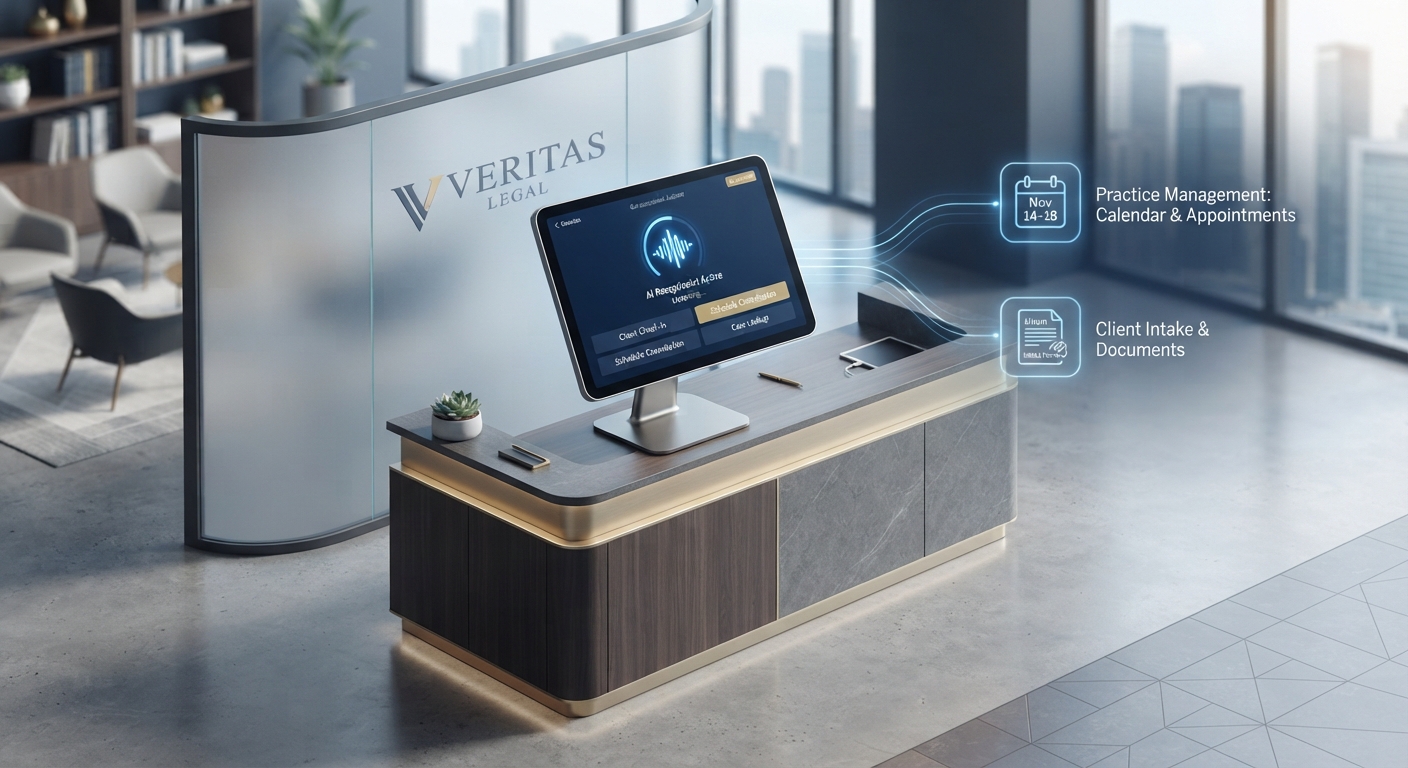
Modern AI does more than just answer. It talks to your CRM—HubSpot, Salesforce, you name it. If a caller wants an appointment, the AI checks the calendar, books the spot in real-time, and logs everything. No more "transcription gap" where info gets lost between a sticky note on a desk and your digital records. By stopping that leakage, the ROI of an AI system often pays for itself in about two weeks.
The Human-in-the-Loop: Making It Work
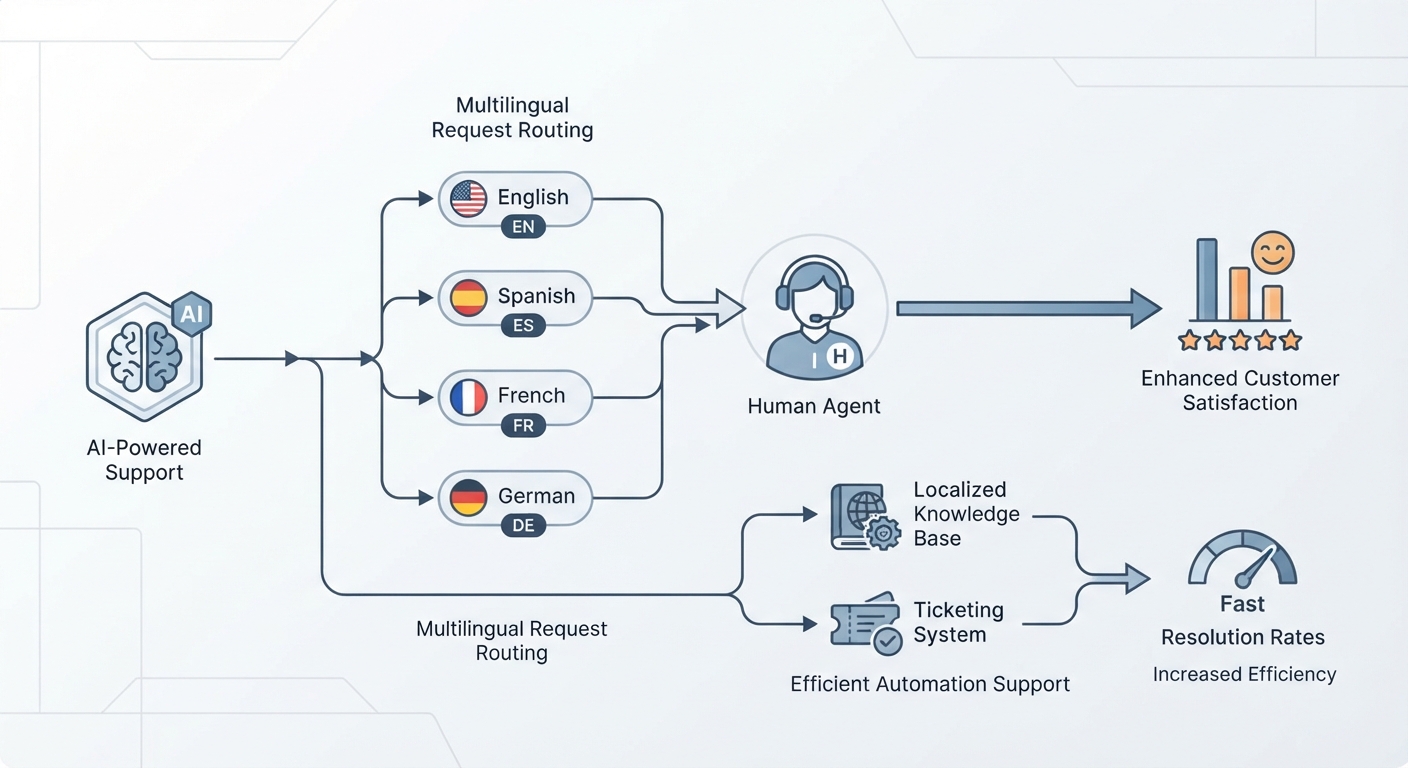
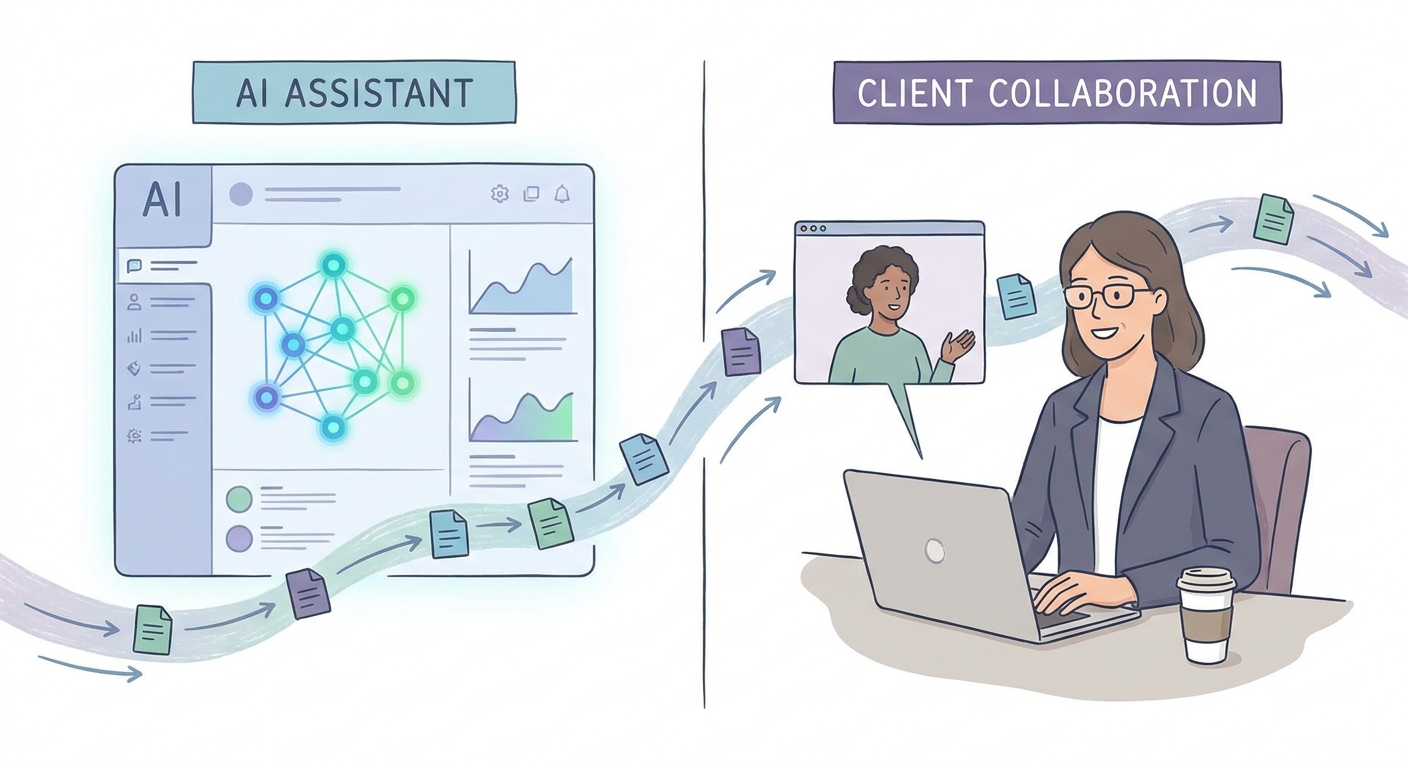
The winners in 2026 are using an "AI-First, Human-Escalated" model. The AI is your front-line sentry. It handles the boring "What are your hours?" and "Do you take my insurance?" questions with perfect accuracy every single time.
Here’s how it works: the AI knows its limits. If a caller is upset, or asks something that needs a human touch or deep institutional knowledge, it triggers a "warm transfer." Your staff picks up the phone already briefed. The AI hands over a transcript of the conversation so far. The customer doesn't have to repeat themselves, and your team spends their time solving actual problems instead of taking messages.
Is Your Business Ready? A Decision Matrix
Not every shop needs the same level of automation. If you’re a landscaping company or a dental office, the ROI for AI is immediate—you’re handling high-volume, low-complexity stuff all day. If you’re a high-end consultant, the AI acts as a gatekeeper to protect your sanity.
And don't worry about the security bogeyman. The industry has stepped up. Modern platforms now offer HIPAA-compliant AI solutions, meaning your data is encrypted and handled with total rigor. If you’re in a sensitive field, just make sure your provider offers a BAA (Business Associate Agreement).
Handling Nuance: The Death of the "Robotic" Myth
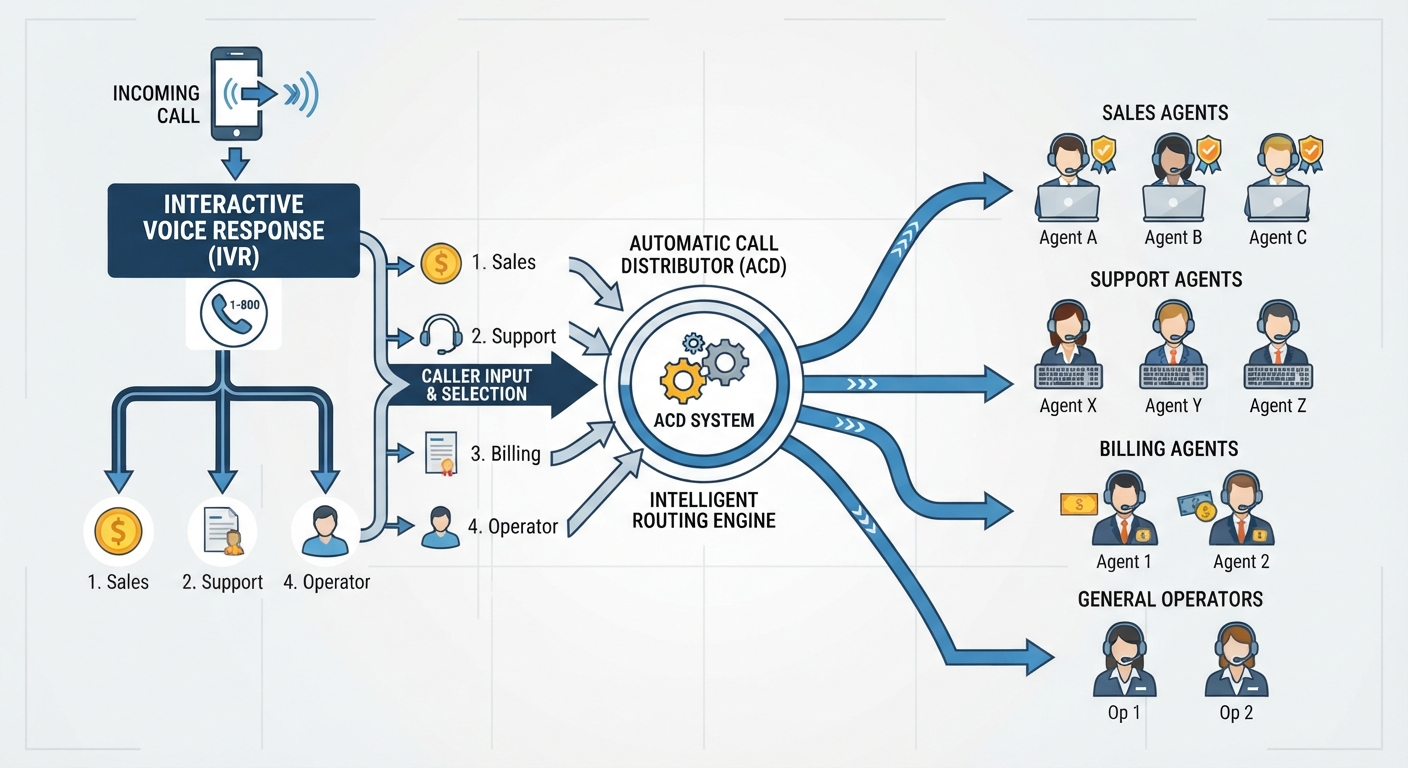
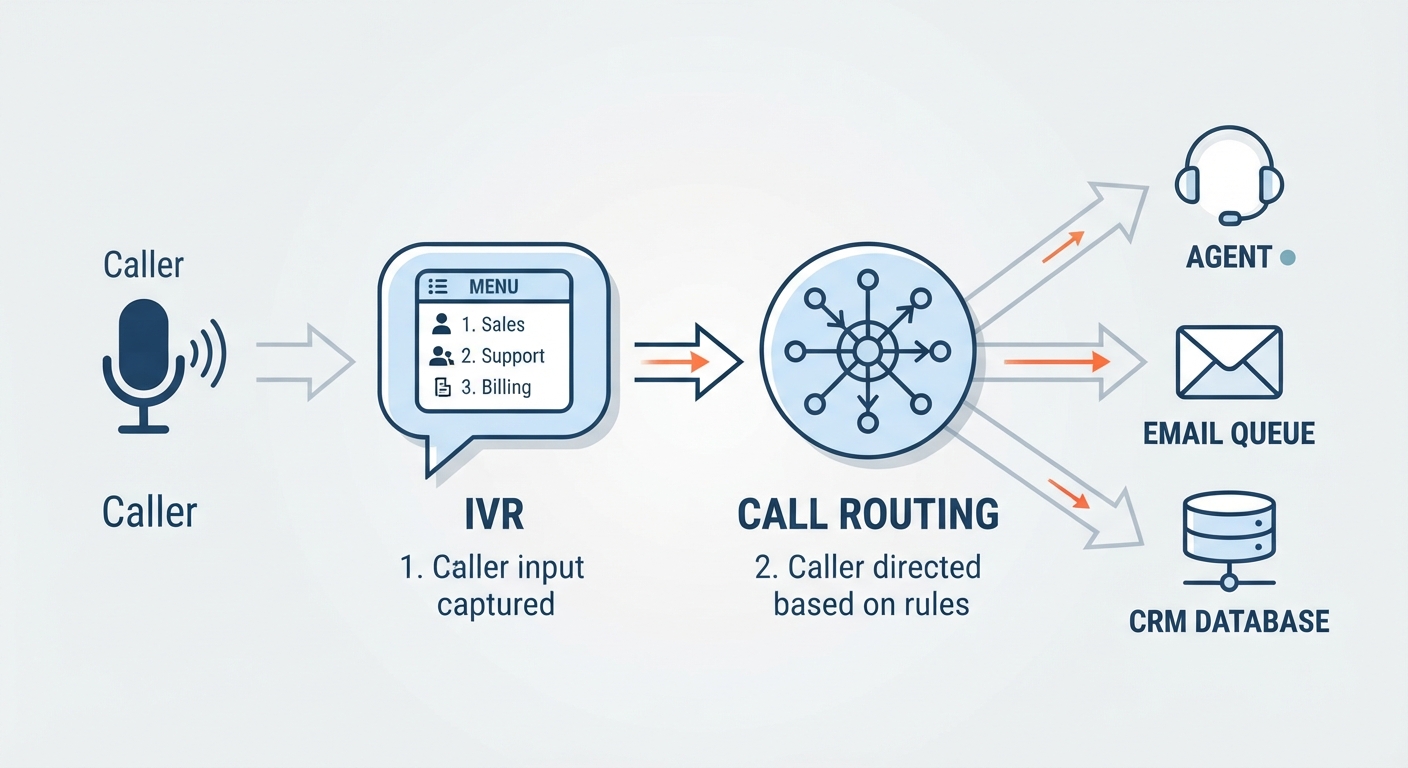
The idea that AI sounds like a clunky robot is a relic of the past. In 2026, these systems use sentiment analysis to change their tone and pacing. They catch frustration, adapt to accents, and handle complex, multi-part questions that would’ve crashed an old IVR system years ago.
You can even use tools like Voksha AI features to tweak the "personality" of your agent. Need a professional, clinical vibe for a law firm? Done. Want something warm and bubbly for a local shop? Easy. It doesn't just process data; it maintains the brand image you’ve spent years building.
Building Your 2026 Strategy
Start with a simple audit. Look at your phone logs for the last thirty days. How many calls were just people asking for the address? How many were simple scheduling requests? How many were missed entirely?
Start by automating the low-hanging fruit. Let the AI take the grunt work. Once it’s handling the intake, you’ll notice your staff suddenly has time for the work that actually makes money. This isn't about replacing your people. It’s about elevating them.
Frequently Asked Questions
Does an AI receptionist sound robotic or like a real person?
By 2026, the "uncanny valley" has been bridged. Advanced voice modulation and natural language processing allow AI agents to mimic human cadence, pauses, and even "umms" or "ahhs" where appropriate, making the interaction indistinguishable from a human in most casual contexts.
What happens if the AI doesn't understand a caller's question?
The system is built with fail-safes. If the AI hits a confidence threshold it cannot meet, it is programmed to perform a "warm transfer" to a designated human staff member. The caller is placed on hold for a moment while the system notifies your team, providing the context of the call so the human can pick up the conversation seamlessly.
How long does it take to set up an AI receptionist for my business?
Modern AI receptionists are designed for plug-and-play integration. Unlike hiring a human, which involves weeks of interviewing, background checks, and training, an AI agent can typically be configured, integrated with your CRM, and deployed within 24 to 48 hours.
Can an AI receptionist handle scheduling and payments securely?
Yes. Modern AI agents are built to interface directly with industry-standard scheduling software and encrypted payment gateways. They can verify appointment slots, send confirmation texts, and process secure payments or deposits in real-time, ensuring that the deal is closed before the caller even hangs up.