AI Receptionist Pricing: What It Really Costs vs. Hiring a Receptionist

TL;DR
- ✓ Compare annual costs between human staff and AI receptionist automation tools.
- ✓ Understand why flat-rate AI subscriptions outperform traditional per-minute billing models.
- ✓ Learn the hidden overhead costs associated with hiring and training human receptionists.
- ✓ Identify the best AI pricing tiers for basic routing versus complex CRM integration.
Automating your front desk in 2026 isn't just about keeping up with the latest tech—it’s a survival tactic. If your business is still relying exclusively on a human to answer every single "where’s my invoice?" call, you’re burning cash.
A full-time human receptionist usually hits your bottom line for $45,000 to $60,000 a year. That includes salary, payroll taxes, benefits, and the literal desk space they occupy. Meanwhile, an AI receptionist can handle that same workload for anywhere between $3,600 and $24,000 annually. As highlighted in the 2026 Small Business Tech Trends, the move toward intelligent automation is the single biggest factor for companies trying to stay "always-on" without blowing up their operational budget.
The True Cost of Human Capital
Hiring a person isn't as simple as an hourly rate. Most business owners look at the $18–$25 per hour figure and stop there. That’s a mistake. You have to factor in FICA taxes, unemployment insurance, and the health benefits that make a position attractive to top talent.
Then, there’s the "hidden" overhead. You need a dedicated workstation, phone hardware, and software licenses. But the real killer? Time. You’re spending hours training them, and if they quit? You’re back to square one—recruiting, interviewing, and onboarding. That turnover cycle can effectively double your labor costs for the quarter.
An AI receptionist, on the other hand, lives on a subscription. No benefits, no office space, and zero risk of "knowledge drain" when an employee decides to move on to a new job.
How AI Receptionist Pricing Models Work
The market has finally grown up. The old, frustrating "per-minute" billing models—the ones that left you with a massive, surprise invoice at the end of the month—are dying out. Now, it’s all about flat-rate, unlimited plans. This is a game-changer for budgeting.
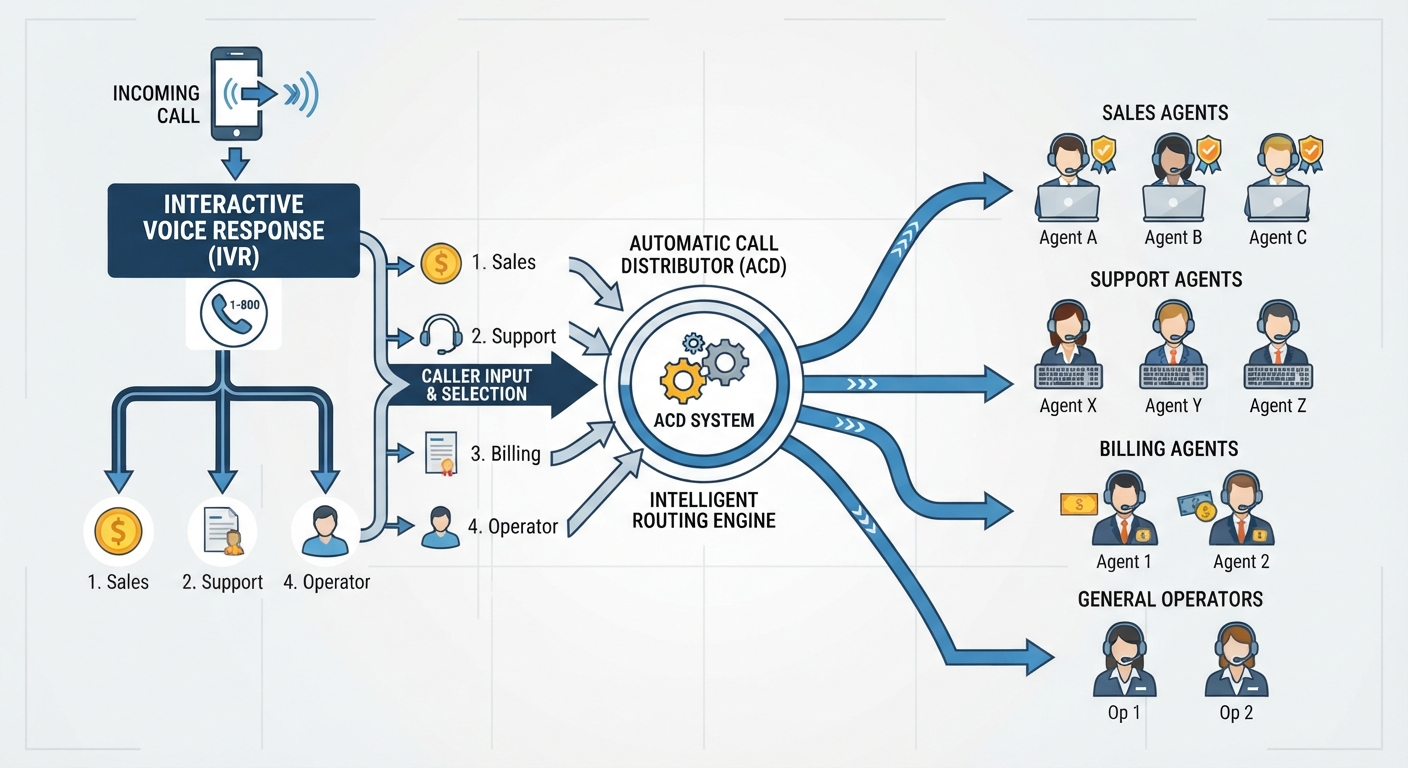
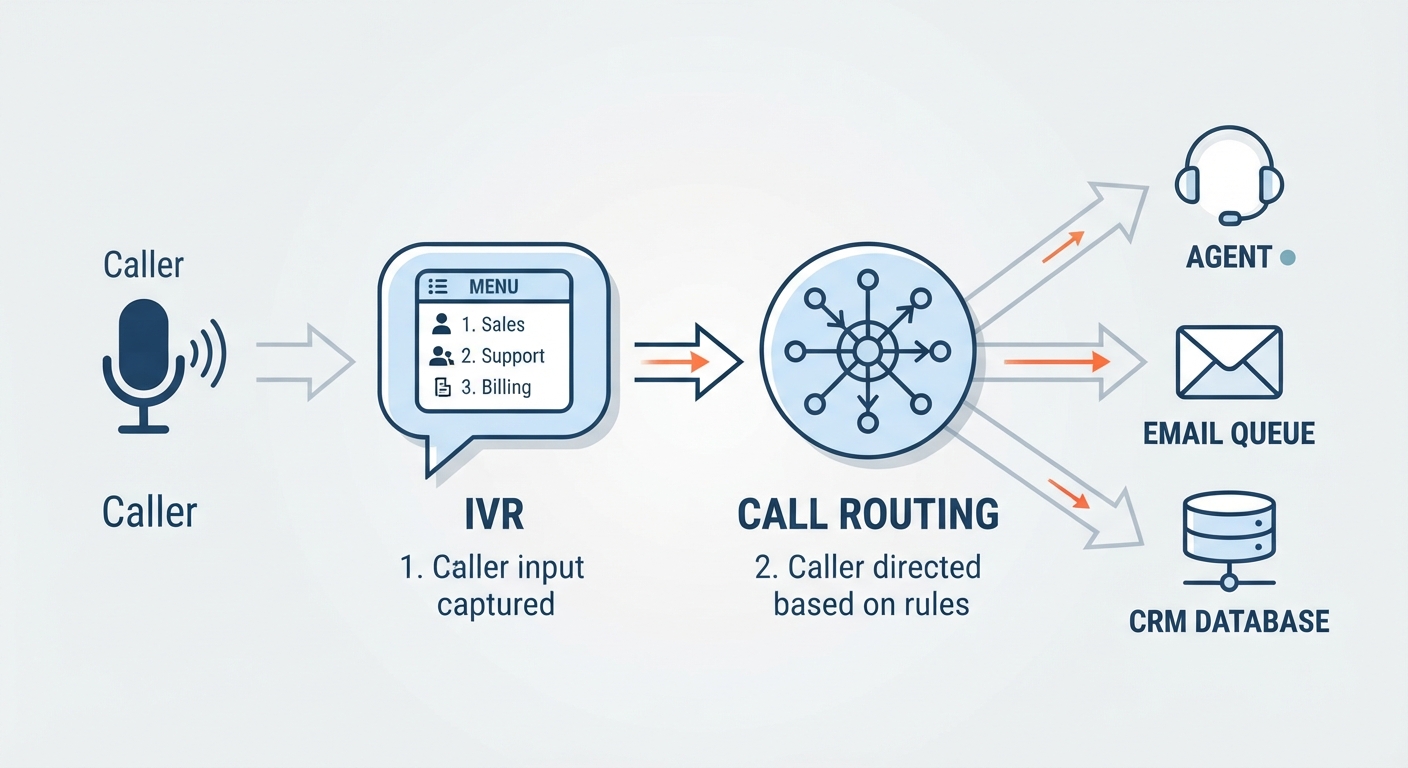
The market has basically split into two camps: Budget and Advanced. Budget tools handle the basics, like routing calls and scheduling appointments. Advanced tiers? Those are for the heavy lifting, integrating directly with your tech stack to handle complex, conversational workflows.
The AI Cost Breakdown: What Should You Expect to Pay?
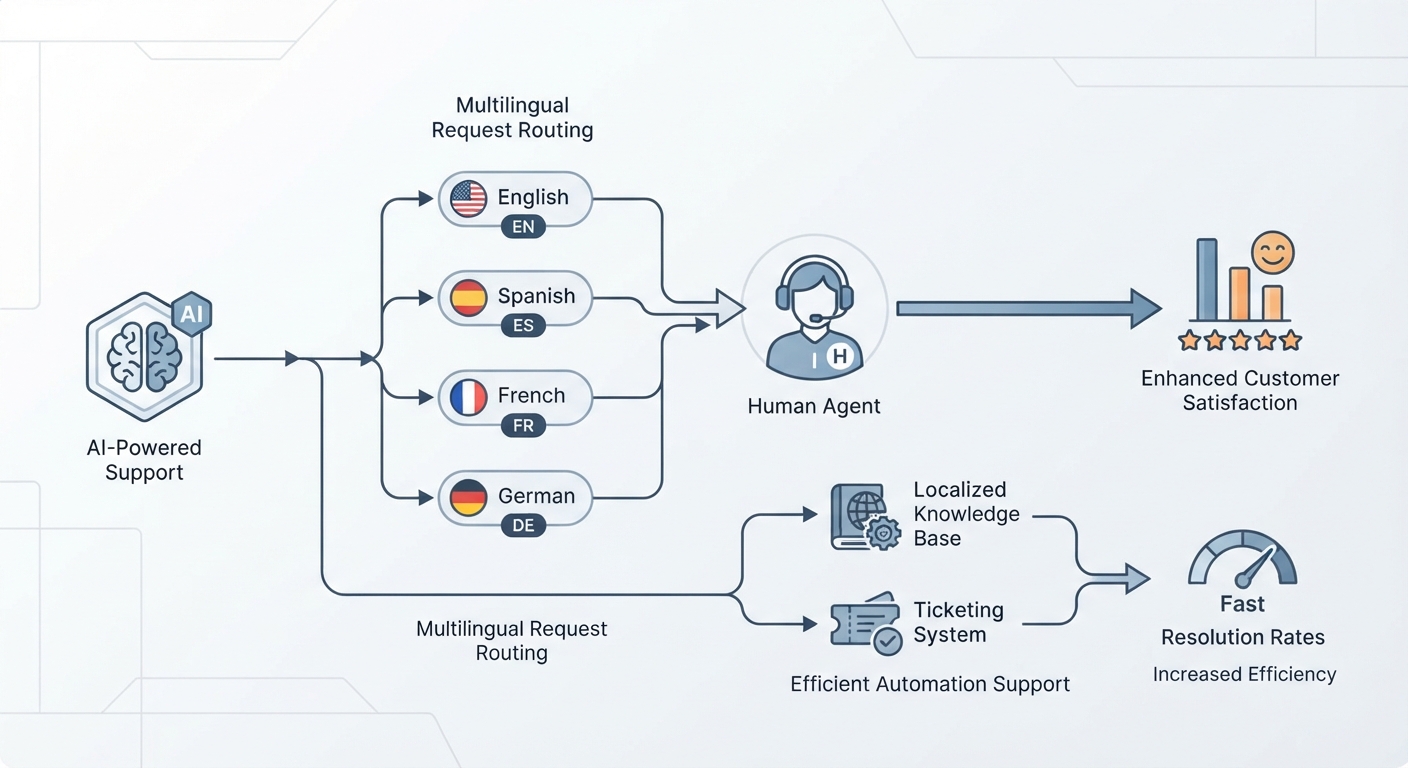
If you're just getting your feet wet, the Budget tier usually runs between $25 and $99 a month. It’s perfect for basic FAQ routing and scheduling. Need more power? If you’re looking for deep CRM integration, sentiment analysis, or multi-language support, you’re looking at the Advanced tier, which typically ranges from $200 to $800 per month. For a closer look at the heavy hitters in this space, check out the Best AI Receptionists for 2026.
The Hidden Costs of AI Implementation
Don't let the low base price fool you. Keep your eyes peeled for the "Integration Tax." Some providers will quote you a low monthly fee, only to hit you with extra charges for connecting to your CRM like Salesforce, HubSpot, or Calendly.
Also, watch out for the "Compliance Premium." If you're in a regulated industry, you can't just use any off-the-shelf tool. Ensuring your phone system meets HIPAA Compliance Guidelines usually requires a more secure, robust infrastructure, which naturally comes with a higher price tag. While setting up these systems is getting easier, be prepared for a potential one-time configuration fee if your workflow is particularly complex.
How to Calculate Your Potential ROI
Wondering if the math works for your firm? Use this 3-step shortcut:
- Add up your annual human cost (Salary + Taxes + Benefits + Overhead).
- Subtract what you’d pay annually for the AI subscription.
- Multiply that difference by your efficiency gain percentage.
According to standard ROI Calculation Methodology, that number is your bottom-line impact. If you want a more precise breakdown tailored to your specific call volume, our Voksha Pricing Guide walks you through every variable.
When Should You Use a Hybrid "Human-in-the-Loop" Model?
The smartest firms today aren't firing their staff; they’re upgrading them. We swear by the "95/5 Rule." The AI handles 95% of the mundane, repetitive junk—status checks, appointment reminders, basic info requests. The remaining 5%? Those are the high-value, emotionally charged, or complex calls that get passed to a human. This keeps your team focused on the work that actually needs a real person, not answering the same five questions all day long.
Industry-Specific Pricing: Why Medical and Legal Cost More
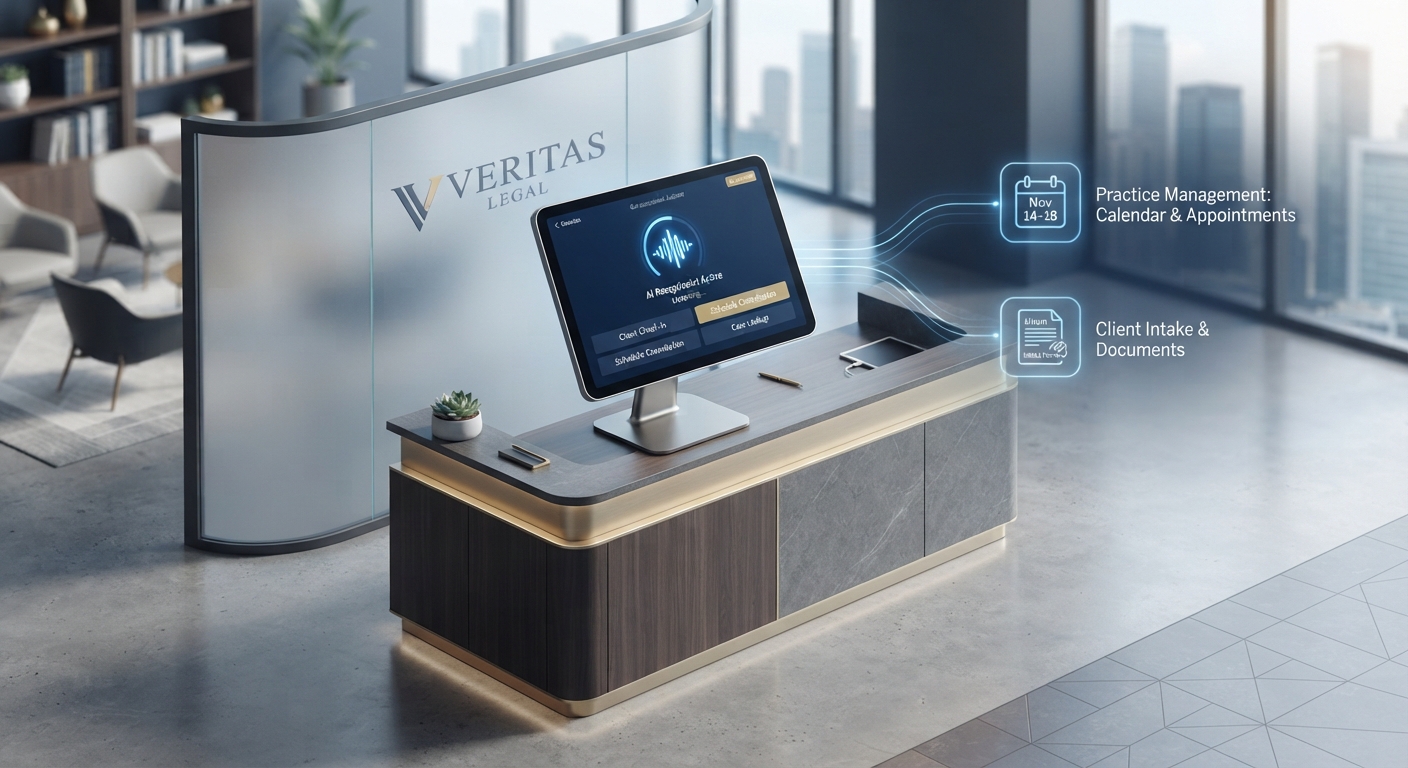
It’s a myth that all AI receptionists are created equal. If you run a medical clinic or a law firm, your provider needs to guarantee things like data residency, encrypted voice logs, and specialized models that actually understand the jargon. This "Compliance Premium" isn't a scam—it's insurance. You’re paying for the peace of mind that your patient or client data is locked down tight. That’s a level of security general-purpose budget tools simply can't offer.
Future-Proofing Your Front Desk
In 2026, if you aren't available 24/7, you're losing. Customers expect answers instantly, regardless of the time. A human-only front desk is a bottleneck waiting to happen. By starting with a flat-rate provider and scaling your integrations as you grow, you build an infrastructure that works while you sleep. The goal isn't just to save money; it’s to build a seamless experience where the caller feels heard, the business owner feels secure, and the operation stays lean enough to pivot when the market demands it.
Frequently Asked Questions
Do AI receptionists sound like "robots" or humans?
Modern AI receptionists utilize advanced generative voice synthesis that mimics human cadence, tone, and inflection. In most professional contexts, callers are unable to distinguish the AI from a human agent, especially during routine interactions.
What are the hidden costs beyond the monthly subscription?
The primary hidden costs include API integration fees for connecting to your specific software stack (like CRMs or scheduling tools) and the potential for a "compliance premium" if your business requires higher levels of data security, such as HIPAA or GDPR compliance.
Can an AI receptionist replace my human staff entirely?
While an AI can handle 90-95% of routine inquiries, it is best used to augment your team. The "Human-in-the-Loop" model is the gold standard, allowing your staff to focus on high-touch, complex problem-solving while the AI handles the repetitive administrative load.
Is an AI receptionist secure for medical or legal businesses?
Yes, provided you choose an enterprise-grade solution that offers documented compliance protocols. You must ensure the provider explicitly supports the regulatory standards relevant to your industry before integrating them into your workflow.