AI Receptionist for Salons and Spas: Never Lose a Booking Again
TL;DR
- This article covers how salon owners can stop losing revenue from missed calls by using smart ai phone systems. We look at the real costs of hiring a human versus using ai, provide a step-by-step setup guide for your small business, and share tips for reducing no-shows. You will learn how to automate your appointment book so you never miss a Saturday rush booking again.
The true cost of a missed call in the beauty industry
Ever had that moment where you're mid-balayage, your hands are covered in dye, and the phone starts screaming at you from the front desk? It's stressful, and honestly, it’s usually the sound of money walking out the door.
Let's be real—nobody likes leaving voicemails anymore. If a client calls to book a last-minute facial and hits your machine, they aren't waiting for a callback; they’re just hitting "back" on Google and calling the next salon on the list.
- The "Next Best" Trap: A 2024 study by BT found that 85% of people whose calls aren't answered will not call back. They just move on to the next shop.
- The $200 Leak: According to Professional Beauty, the average revenue lost per missed call in this industry is over $200 when you factor in the service and potential retail.
- Vanishing Leads: Most people calling for a Saturday spot are doing it now because they have a free minute. If you don't answer, that intent disappears.
"67% of salon calls go to voicemail during busy times." — Salon Today (2024 Research).
We’ve all seen it. Saturday at 10 AM is pure chaos. You've got three stylists working, two people waiting in the lounge, and the phone is ringing off the hook. Your front desk person is trying to check someone out, and that ringing phone just becomes background noise.

When you miss these calls, it's not just about one lost haircut. It's about your brand reputation. If someone can never get a hold of you, they start thinking you're too disorganized to handle their hair or skin.
But what if the phone just... answered itself? Next, we're gonna look at how an ai receptionist actually handles these "impossible" busy shifts without breaking a sweat.
AI receptionist cost vs hiring receptionist: A breakdown
Let’s be real for a second—hiring a full-time person just to sit by the phone is a massive expense that most independent salons can't actually justify. When you start adding up the hourly wage, those annoying payroll taxes, and the time you spend training them only for them to quit in six months, the "human touch" starts feeling real expensive.
If you hire a receptionist in 2025, you're looking at a serious dent in your overhead. According to a cost breakdown by AgentZap, a traditional front desk staffer can cost between $37,000 and $46,000 annually when you factor in benefits and turnover. Compare that to an ai system that usually starts around $29 to $79 a month. It’s not even a fair fight.
- The 24/7 Gap: Humans need sleep, lunch breaks, and weekends off. An ai receptionist answers the phone at 11 PM on a Sunday when a client suddenly remembers they need a blowout for Monday morning.
- Training Drain: Every time a staff member leaves, you lose weeks of productivity retraining someone new on your specific booking software like Fresha or Vagaro.
- Simultaneous Calls: A human can handle one person at a time. If three people call at once during the Saturday rush, two of them are going to voicemail (and probably calling your competitor).

You might’ve thought about those old-school virtual receptionist services, but they’re honestly kind of a headache now. They usually charge per minute, so if a chatty client calls to ask about every single shade of blonde you offer, your bill skyrockets. Plus, those call center agents don't actually know your salon. They just take a message and tell the client "someone will call you back," which we already know is a booking killer.
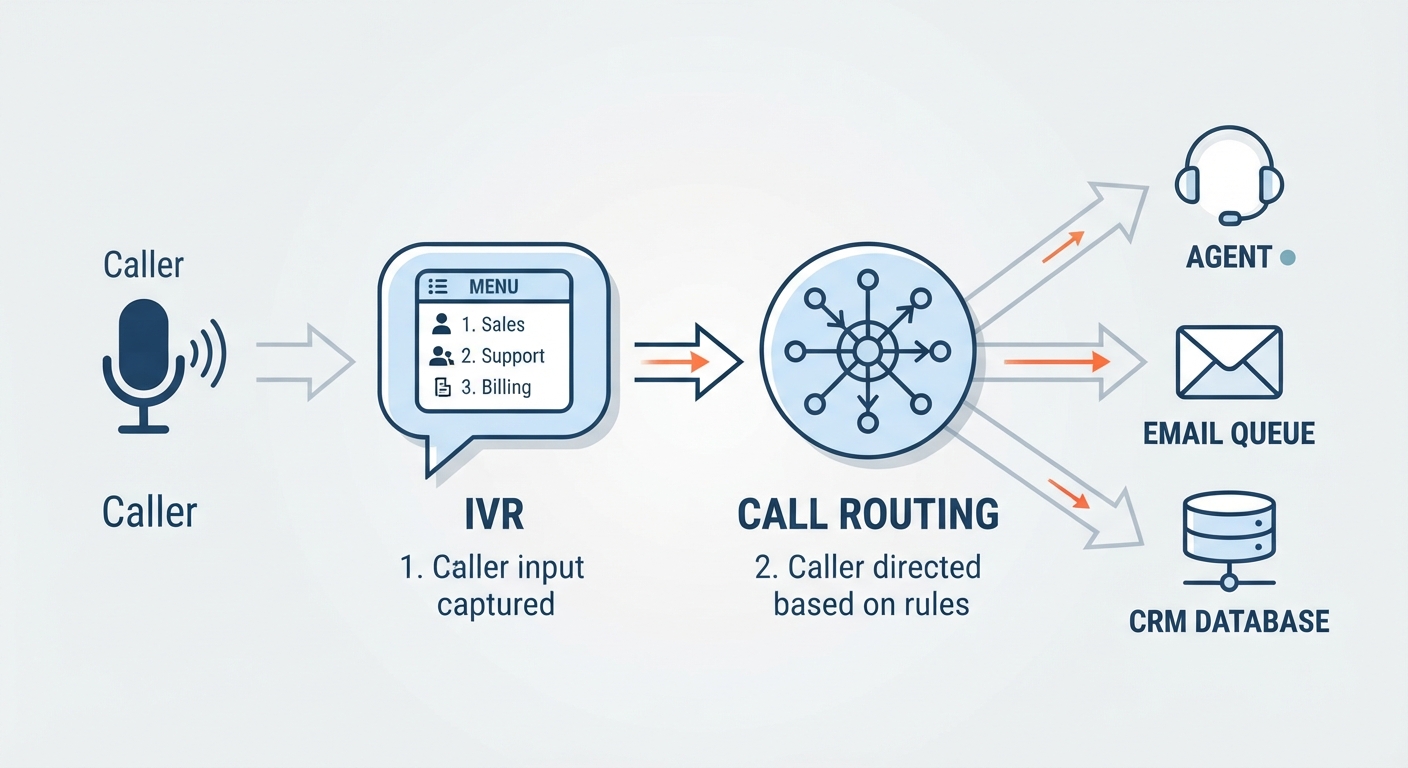
Modern ai, like the tools offered by Zenoti, actually integrates with your calendar. Zenoti is known for its high-level security and enterprise-grade features, making it a solid choice for bigger operations. It doesn't just take a message; it sees that Maria is free at 2 PM for a balayage and puts it on the books right then. No phone tag required.
How to set up ai receptionist small business: Step-by-step
Setting up an ai receptionist isn't nearly as scary as it sounds, I promise. You don't need to be a tech wizard; honestly, if you can navigate a basic booking app, you've already got the skills to get this live in about fifteen minutes.
The first big step is making sure the ai knows your schedule. Tools like Voksha ai are great because they act as a plugin that works alongside your existing systems like Fresha or Vagaro. You aren't replacing your calendar; you're just giving the ai a "read-only" pass to see when your chairs are empty.
Once the calendar is synced, you gotta teach it your menu. This part is actually kinda fun. You aren't just listing "Haircut - $60." You're telling the ai that a balayage takes three hours and needs a senior stylist, while a blowout only needs forty-five minutes and can be done by anyone. Systems like those from zenoti handle these complex rules natively so you don't end up with a double-booked nightmare on a Saturday.
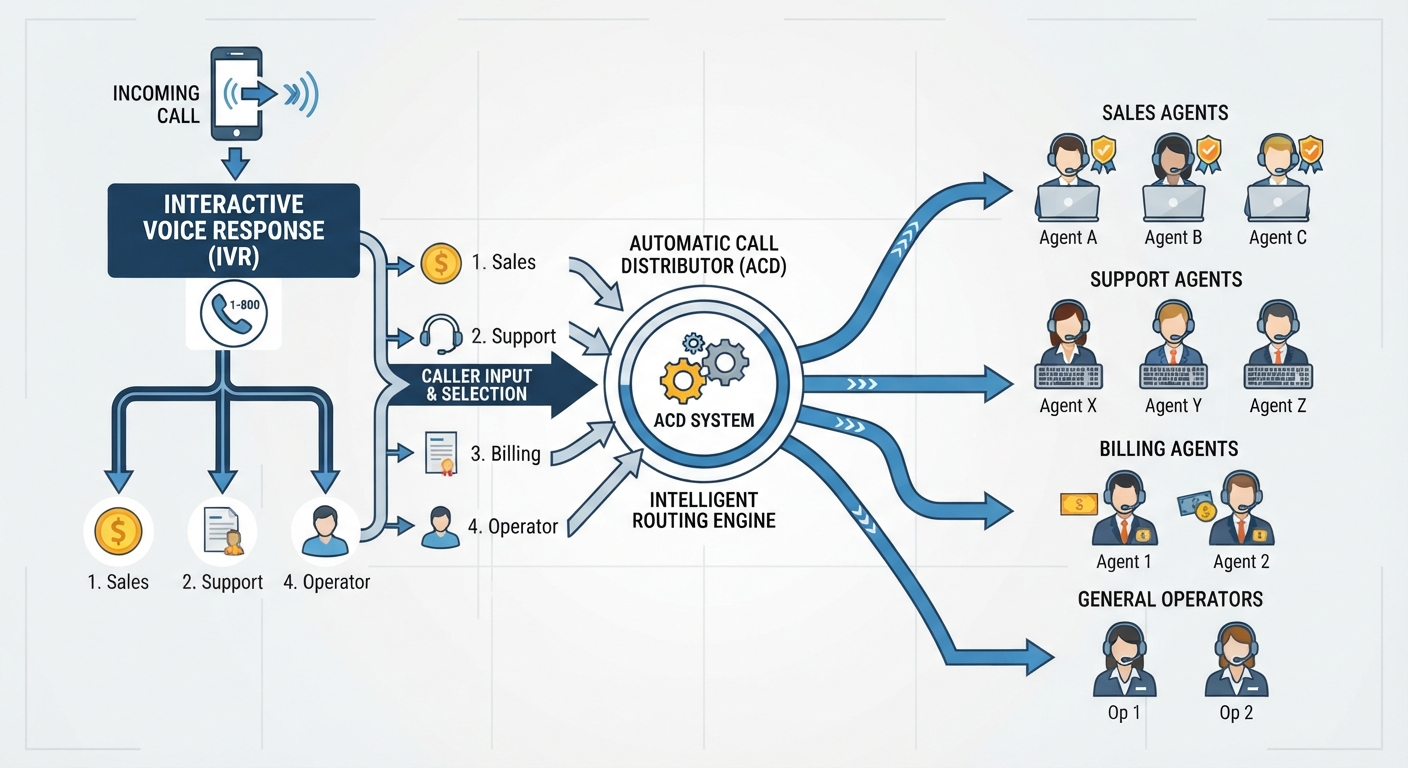
Not every call is a booking, right? Sometimes it's a regular calling to complain about a botched tint or a vendor trying to sell you more shampoo. You need to set up "Smart Escalation."
- The VIP Lane: You can tag certain numbers (like your high-spending regulars) to bypass the ai and ring your cell directly.
- The "Help!" Trigger: The ai uses intent recognition to listen for specific keywords. If it detects words like "unhappy," "refund," or "manager," it should immediately transfer the call to a human.
- Service Specifics: You can set up keyword triggers for things like "wedding" or "bridal." This tells the ai to route those specific inquiries to your event coordinator while letting the ai handle the routine trims.

It’s all about creating a safety net. You want the ai to do the grunt work, but you always want a "human escape hatch" for when things get complicated.
Humanizing the AI Voice
One of the biggest worries people have is that their salon will sound like a cold, metallic robot. Nobody wants that. To fix this, most modern ai platforms let you choose "Natural Language" models.
Instead of a monotone voice, you can pick a "persona" that matches your brand. If your salon is high-end and posh, you pick a voice that's calm and professional. If you're a trendy barber shop, you can go with something more casual. You can even add "filler words" like "um" or "let me see" to make the ai sound like it's actually thinking while it checks your calendar. This makes the client feel like they're talking to a real person, which keeps them on the line longer.
Appointment no-show reduction strategies that actually work
It's a total gut punch when you see a "no-show" on your calendar—it's basically a slot where you worked for free. But honestly, most people don't skip out because they're mean; they just forget, and your busy front desk probably forgot to nag them.
The easiest way to fix this is by taking the "human memory" part out of the equation entirely. ai receptionists don't get distracted by a walk-in or a leaking sink; they send that sms confirmation the second the call ends.
- Instant SMS Links: As soon as a booking happens, the ai can text over a confirmation. According to AgentZap, using these automated systems can slash no-shows by up to 70% because the client has a digital paper trail immediately.
- Phone Deposits: For those big sessions, you can have the ai collect a $50 deposit right on the call. If they have skin in the game, they're way more likely to show up.
- Smart Reminders: Don't just send one text; have the system ping them 24 hours before. It gives them a chance to reschedule through the ai instead of just ghosting you.
Sometimes life happens and a client cancels last minute. Instead of staring at an empty chair, a smart system can automatically ping your waitlist to fill that gap.

Capturing more leads and follow-up best practices
Ever wonder why some salons always seem packed while yours has gaps? It usually comes down to who answers the phone first. If you’re mid-shampoo and let a call go to voicemail, that lead is basically gone.
The real magic of an ai receptionist isn't just answering—it's the Immediate SMS Follow-up. If a caller hangs up before booking or if the line is busy, the system sends an auto-text instantly. "Hey, sorry we missed you! Want to book an appointment online?" This captures the lead while they are still holding their phone, preventing them from calling the salon down the street.
- Capture Every Detail: It grabs the preferred stylist and hair history before the human team even sees the notification.
- 24/7 Availability: You're capturing leads at 2 AM when people are scrolling Instagram and decide they need a change.

Security and HIPAA considerations for medspas
Look, I get it—the word "hipaa" usually makes medspa owners want to hide under a treatment table. It sounds like a mountain of paperwork, but when you're doing injectables or laser hair removal, privacy isn't just a "nice to have," it's the law.
Most people think ai is just a fancy chatbot, but for a medspa, it's a digital vault. You can't just use any random app you found on a whim; you need a system that actually understands how to keep a patient's secret, well, secret.
- Encryption is King: Your ai should scramble data so if a hacker tries to peek, they just see gibberish.
- Access Controls: Only the people who need to know about that Botox appointment should see the details.
- Baa Agreements: Top-tier platforms like Zenoti provide a Business Associate Agreement (BAA), which is basically the golden ticket for legal compliance. This ensures that the way they handle your data meets all federal standards.

Honestly, don't overthink the tech. Just make sure your ai provider has their security ducks in a row so you can focus on the fillers. It’s about building trust before they even walk through your door.