The Small Business Owner’s Guide to Routing Calls Intelligently with AI

TL;DR
- ✓ The 5-second rule is critical for capturing leads before they call competitors.
- ✓ Intelligent AI routing replaces outdated, rigid PBX systems with natural language processing.
- ✓ AI acts as a 24/7 digital gatekeeper to qualify leads and handle routine inquiries.
- ✓ Dynamic routing ensures high-value callers receive immediate priority over routine requests.
- ✓ Implementing AI call routing reduces operational costs and improves overall lead conversion rates.
If you’re still letting your phone ring into a black hole—or worse, dragging yourself away from deep, revenue-generating work to answer a spam call—you’re losing more than just time. You’re losing your edge.
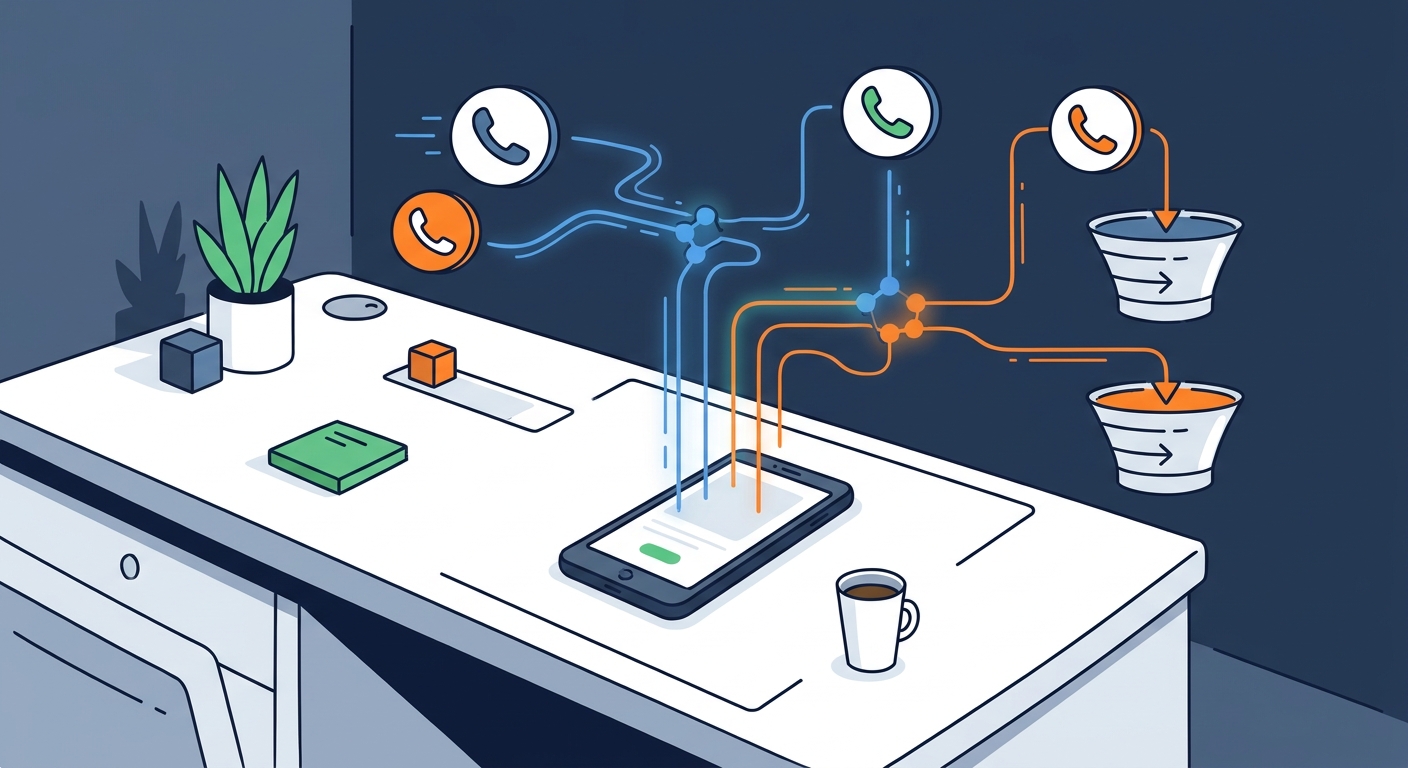
In 2026, the "5-Second Rule" is the new gold standard. If you don't acknowledge a caller within five seconds, they’re gone. They’ve already moved on to your competitor. Intelligent AI call routing is the bridge between the chaos of manual phone tag and the precision of automated growth. It captures, qualifies, and directs every single lead exactly where it needs to go, all without you ever lifting the receiver.
Why Traditional Routing Is Killing Your Growth
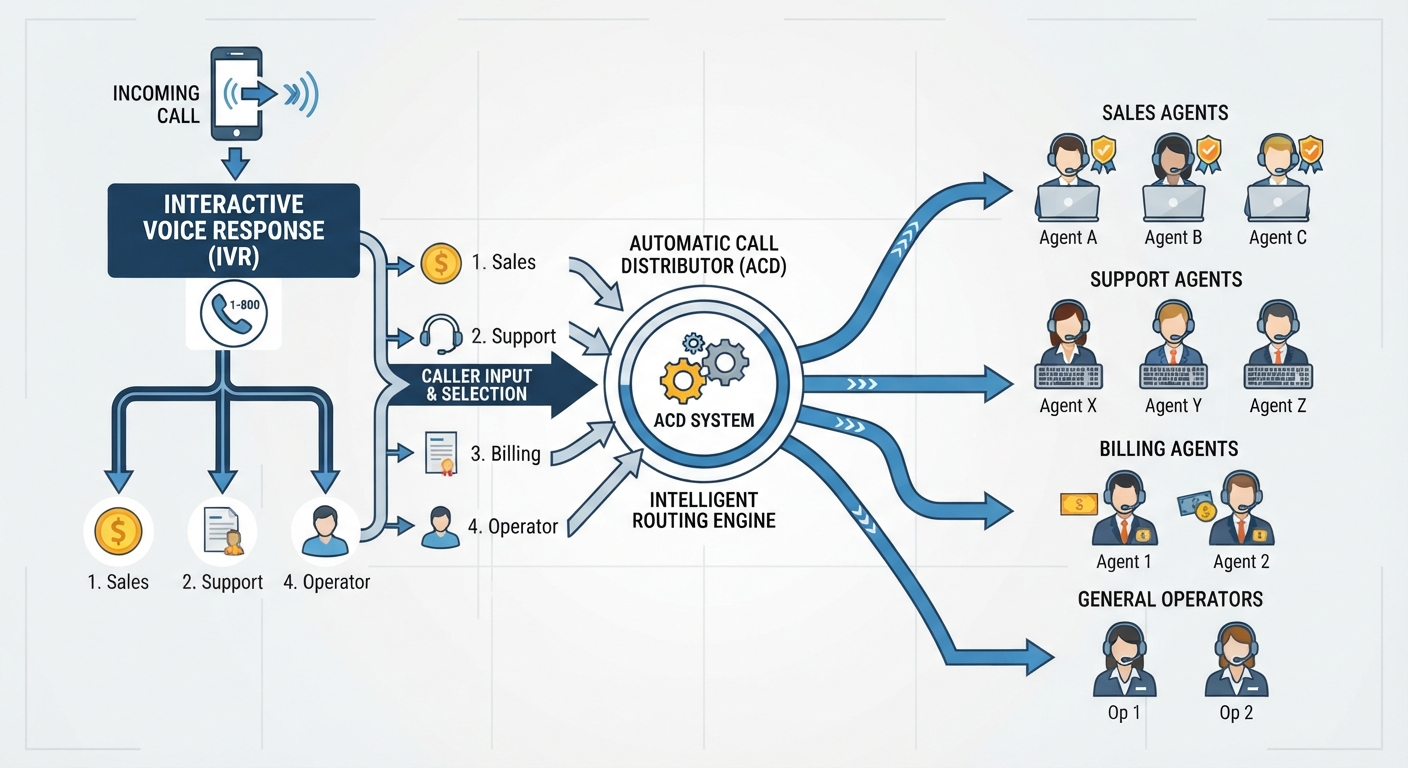
The old-school phone system was built for a world that simply doesn't exist anymore. Legacy Private Branch Exchange (PBX) systems rely on rigid, linear logic: "Press 1 for Sales, 2 for Support."
It’s a friction point. Modern callers are impatient. They want to be understood, not forced to navigate a labyrinth of menu options. When you make a customer play "choose your own adventure" just to reach a human, you’re telling them your business is stuck in the past.
According to 2026 Call Center Industry Trends, the shift toward automated responsiveness isn't just for the big players anymore—it’s a survival requirement for small businesses. Traditional systems fail because they treat every caller like a number. A high-value lead wanting a $10,000 contract shouldn't be stuck in the same queue as someone asking for your business hours. When you rely on human overflow to fix this, you’re paying for the privilege of inefficiency, staffing for peak volume instead of average demand.
How Does AI Call Routing Actually Work?
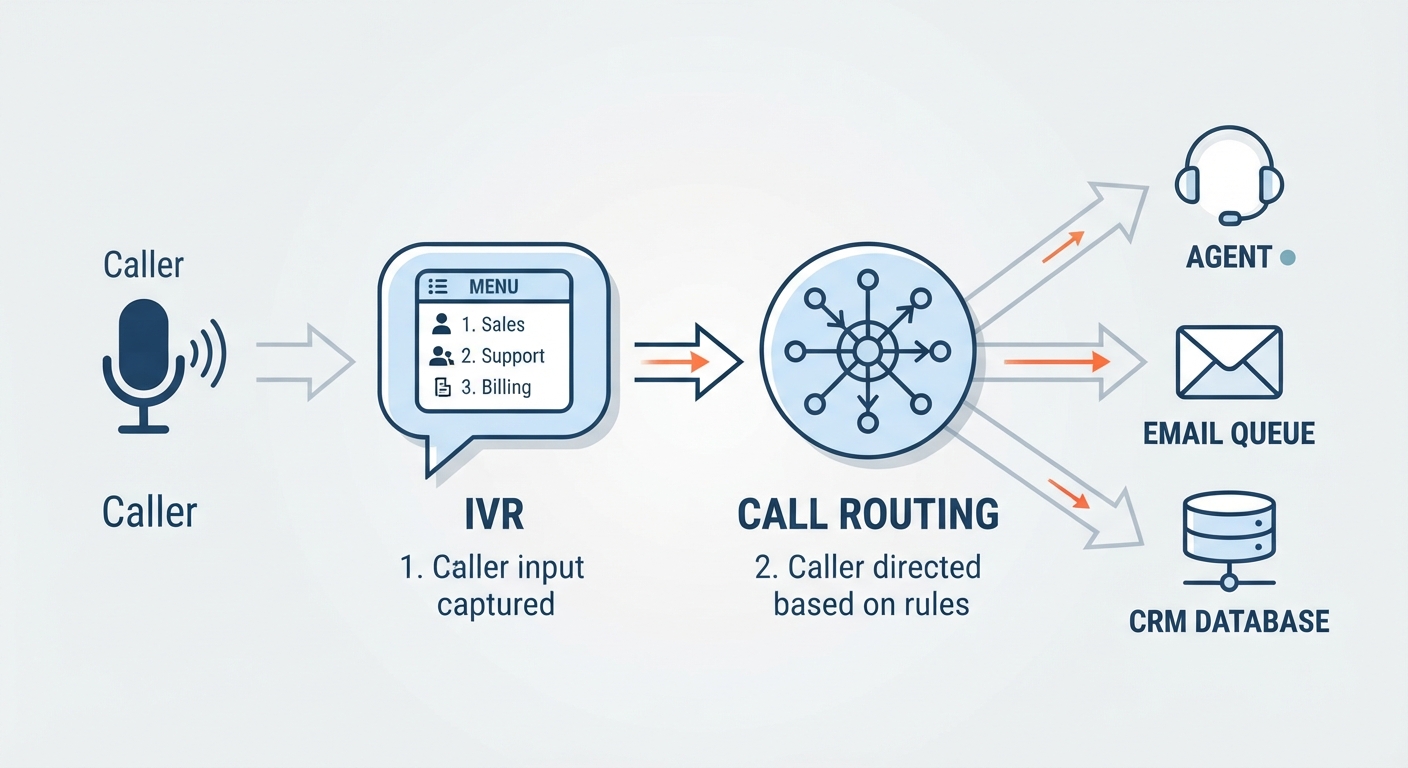
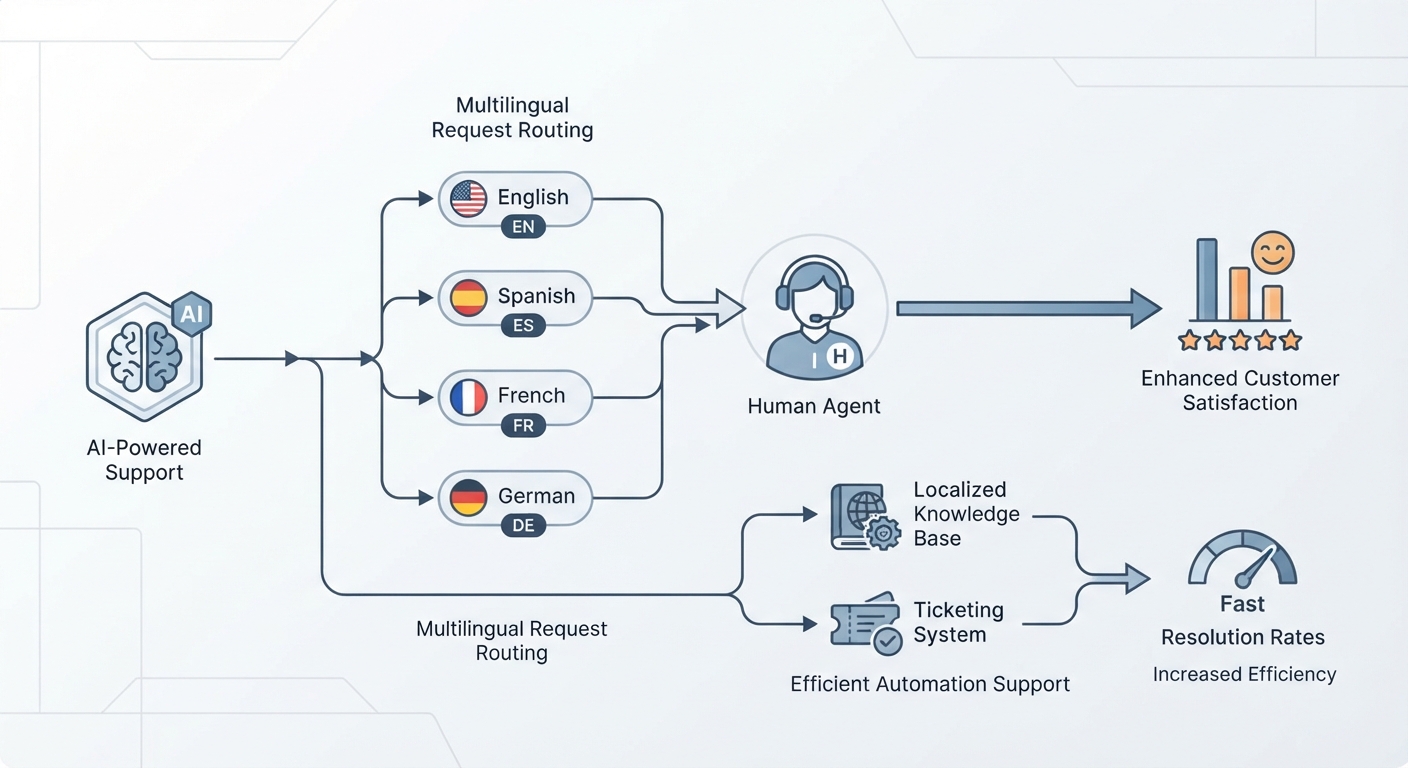
The magic isn't in a list of numbers to press. It’s in Natural Language Processing (NLP) and intent detection. Unlike static systems, AI-driven routing listens to the caller’s natural speech, parses the meaning, and makes a split-second decision on how to handle the inquiry.
Think of it as a digital gatekeeper that never sleeps. By analyzing tone and keywords, the system distinguishes between an angry customer needing an escalation, a new lead ready to book, or a routine question about your address.
This dynamic approach ensures your most valuable callers get the urgency they deserve, while routine questions are resolved instantly. You get to focus on what actually moves the needle.
AI vs. Human vs. Traditional Answering: Which Wins?
Choosing a routing partner is a balancing act between cost, availability, and that elusive "human touch." For most owners, it comes down to overhead versus quality. AI vs. Human Receptionist Cost Breakdown highlights a simple truth: while a human receptionist brings warmth, they come with a hefty price tag—taxes, benefits, and the reality of human fatigue.
| Feature | Traditional Answering | Human Receptionist | AI Routing |
|---|---|---|---|
| Availability | 9-5 / Limited | Varies | 24/7/365 |
| Cost | Low/Medium | High | Very Low |
| Scalability | Rigid | Slow | Instant |
| Human-Feel | Low | High | High (with 2026 NLP) |
AI routing gives you the scale of a massive call center for the cost of a Netflix subscription. You can handle a 100% surge in calls during a big marketing push without hiring a single new staff member.
The "Pain-to-Profit" Impact
Every missed call is a leak in your revenue bucket. If you average five missed calls a week and a lead is worth $500, you’re bleeding $130,000 a year. Intelligent routing plugs that leak. Even when you’re in a meeting, with a client, or fast asleep, your business stays open.
By integrating directly with your sales pipeline, you turn callers into qualified CRM entries instead of lost opportunities. If you’re curious about the math for your specific shop, the AI Receptionist Pricing Guide 2026 lays out the ROI of automating your front-of-house.
Industry Playbooks: Tailoring Your Strategy
One size does not fit all. A dental office needs something different than a law firm, and your system should reflect that.
For Dental & Medical: Speed and accuracy are everything. Your AI should sync with your practice management software to handle scheduling and cancellations instantly. Managing Customer Expectations with AI makes it clear: speed-to-answer is the primary driver of patient satisfaction. Stop making patients wait on hold to book a cleaning.
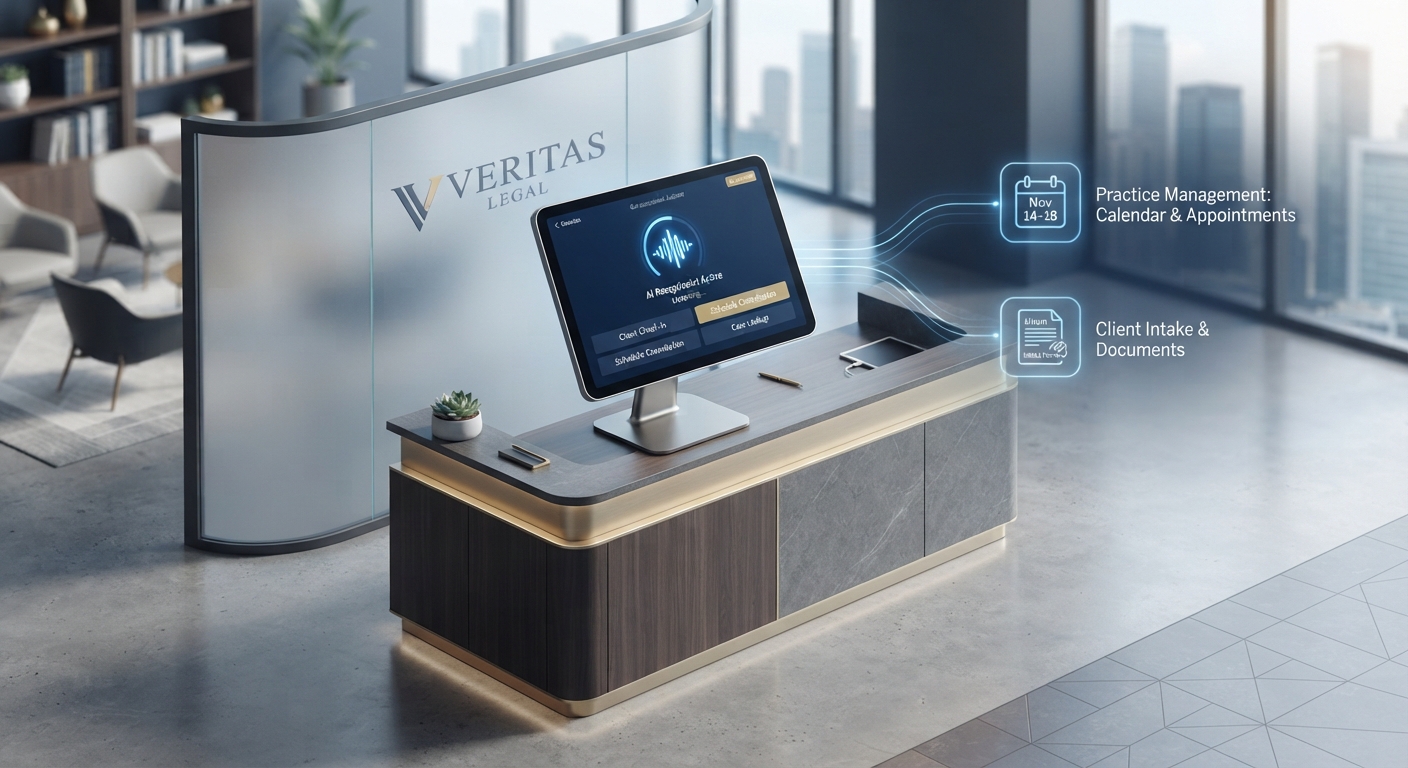
For Law & Professional Services: The focus shifts to intake and confidentiality. Your AI acts as a specialized intake pro—gathering case details, checking for conflicts, and ensuring high-value leads get a "warm handover" to a senior partner. It keeps your firm’s image professional while ensuring you never miss a case-winning call.
The 5-Step Setup
You don't need a computer science degree to set this up. Modern platforms are plug-and-play.
- Define your "Intent Buckets": Map out what your callers want. Are they booking? Asking for pricing? Checking status? These are your buckets.
- Connect your CRM: Your AI is only as smart as the data it has. Sync it with your calendar so it knows exactly when you're free.
- Script your "Warm Handovers": Decide who gets the call when things get heavy. Set the logic so VIP callers go straight to your cell.
- Configure after-hours logic: What happens at 6:00 PM? Does the AI take a message, provide emergency info, or schedule a callback for the morning?
- Test and iterate: Review your logs weekly. If the AI stumbles on a query, tweak the prompt. Tools like the Voksha Features Overview give you the granular controls to do this in real-time.
Myth-Busting: Can AI Really Sound Human?
The biggest hesitation? The "robotic" fear. You don't want your callers feeling dismissed by a machine.
But that fear is based on 2020 tech, not 2026. Modern NLP is sophisticated. It captures nuance, tone, and empathy. It pauses, it clarifies, and it mirrors your firm’s professional tone. When it’s configured right, most callers can't tell the difference between your AI and a human receptionist until the conversation hits a level of complexity that actually requires you.
Frequently Asked Questions
Can an AI receptionist handle HIPAA-compliant calls for my medical practice?
Yes. Modern AI platforms built for healthcare use end-to-end encryption and sign Business Associate Agreements (BAAs), ensuring your patient data is locked down just like in a traditional office.
What happens if the AI doesn't understand the caller?
Fallback procedures are baked into the design. If the AI hits a wall, it can transcribe the audio into an email for you, flag it for a callback, or perform a "warm transfer" to your staff.
Is it difficult to set up AI call routing without a technical background?
Not at all. Unlike legacy PBX systems that required a technician to update a single extension, modern AI tools use no-code, intuitive interfaces. You can usually be up and running in under an hour.
How much revenue am I actually losing by missing calls after hours?
The cost is often staggering. By missing calls outside of 9-to-5, you’re closing your doors to the people doing their research in the evening. Capturing those leads with an AI that can answer questions and book meetings can easily jump your conversion rate by 30% or more.