After-Hours Answering Service Alternatives: Why AI is the Superior 2026 Choice

TL;DR
- ✓ Traditional answering services act as reactive, slow message-takers that bleed potential leads.
- ✓ Modern AI receptionists provide instant, 24/7 task execution and seamless CRM integration.
- ✓ AI solutions offer predictable flat-fee pricing compared to expensive per-minute human services.
- ✓ Automating your phone workflow ensures consistent lead qualification and higher appointment rates.
The day of the "message-taking" answering service is dead. If you’re still footing the bill for a human to jot down a name and number, only to email it to you three hours later, you aren’t just burning cash. You are actively bleeding leads.
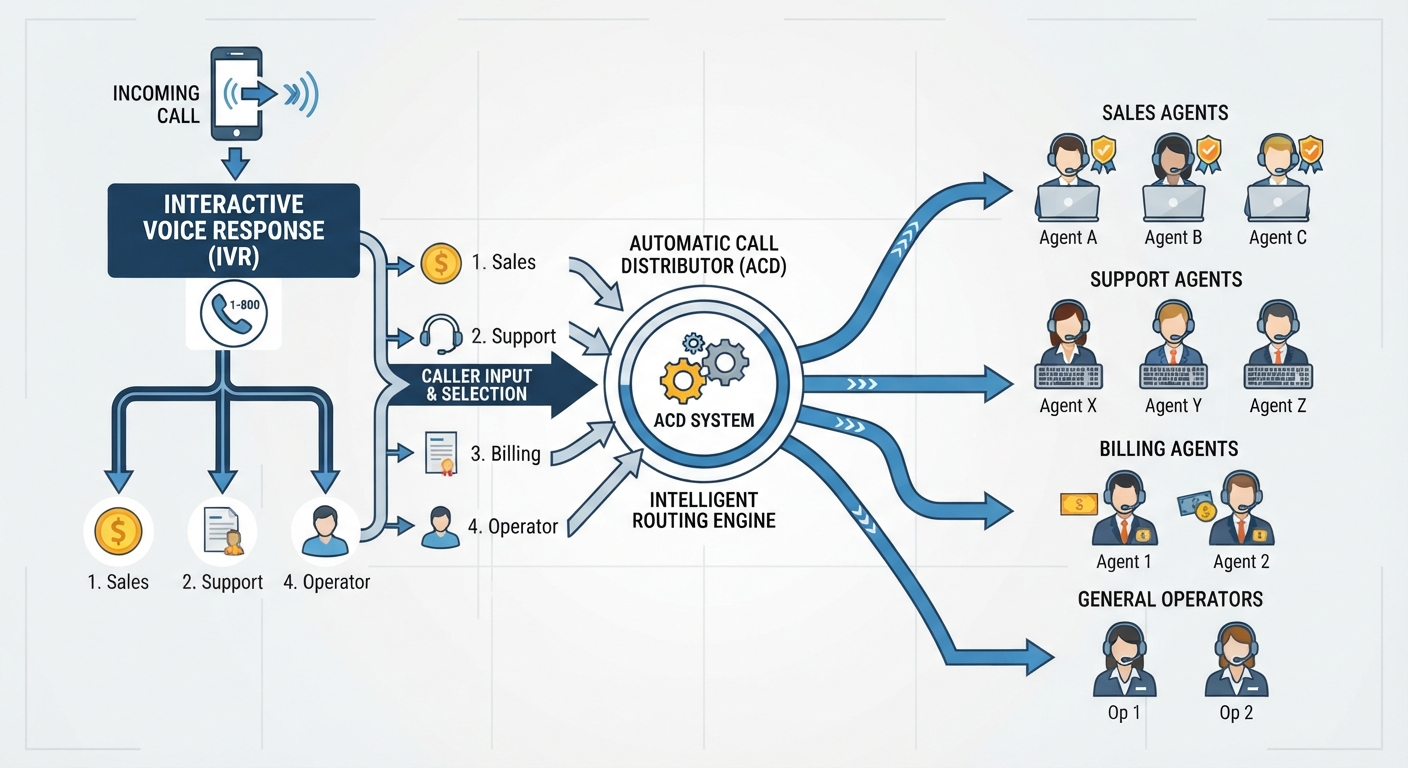
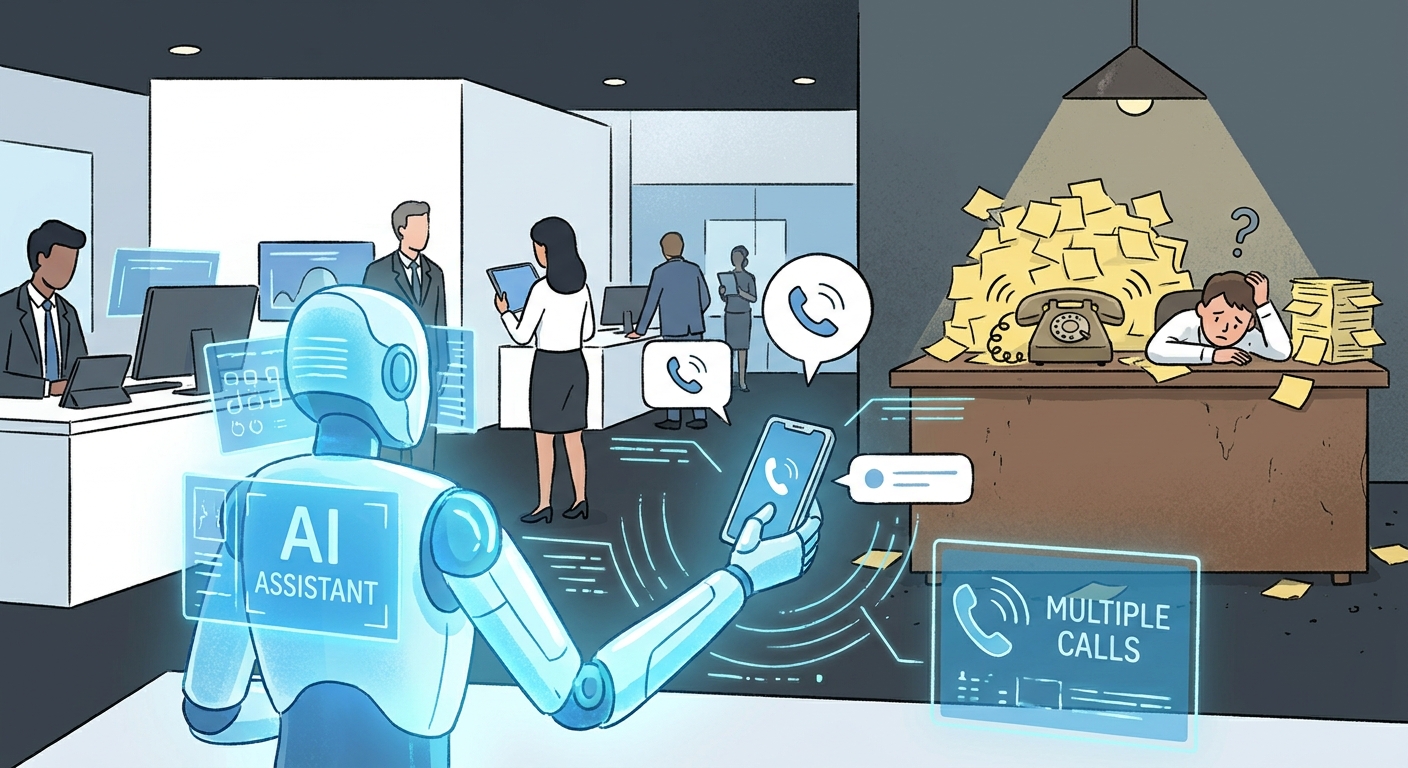
In 2026, business is won or lost in the first five seconds. If you aren't there to answer, your competitor is. The only way to hit that standard every single time? AI-driven task execution. Forget the reactive, clunky services of yesteryear. Today’s AI acts as a true extension of your office. It qualifies leads, pulls CRM data, and locks in appointments before the caller even thinks to hang up.
The "After-Hours" Trap: Why Old-School Services Are Killing Your Growth
The traditional model has a fatal flaw: the human bottleneck. A potential client calls at 5:30 PM. They want a solution—not a promise that someone will get back to them tomorrow. Every minute that ticks by between that initial "hello" and a helpful answer is a minute closer to them calling someone else.
According to 2026 AI Adoption Trends, instant interaction isn't a luxury anymore. It’s the baseline. People expect it. Traditional services fail because they’re essentially digital notepads. They record; they don't solve. When you add in the hidden costs—per-minute billing, the revolving door of staff, and the endless, tedious onboarding—you’re looking at a massive drag on your bottom line.
What Does a 2026 AI Receptionist Actually Do?
It’s not just about replacing a voice. It’s about swapping "information relay" for "task execution."
A legacy service says: "I’ll take a message and have someone call you back."
A 2026 AI receptionist says: "I see you’re looking to schedule a consultation. I have an opening this Tuesday at 10:00 AM, and I’ve just sent the intake forms to your phone. Should I lock that in for you?"
That is the difference between a glorified secretary and an active office manager. Your AI never sleeps. It never takes a lunch break. It never forgets to ask the qualifying questions that matter.
How Do AI and Human Services Compare in 2026?
Look at the mechanics. The gap between a human service and a modern AI setup is massive.
| Feature | Traditional Human Service | 2026 AI Receptionist |
|---|---|---|
| Cost | High (Per-minute/Hidden fees) | Low (Predictable flat-fee) |
| Speed | 30+ seconds to answer | < 5 seconds |
| Availability | Subject to staffing levels | 24/7/365 |
| CRM Sync | Manual entry (prone to error) | Real-time, bi-directional sync |
| Accuracy | Varies by operator | Consistent, data-verified |
The ROI of automation is all about workflow reliability. Humans get tired. They get busy. They make mistakes. An AI handles one call or one thousand calls with the exact same precision, ensuring every lead is tagged, captured, and pushed into your AI Receptionist Features without you lifting a finger.
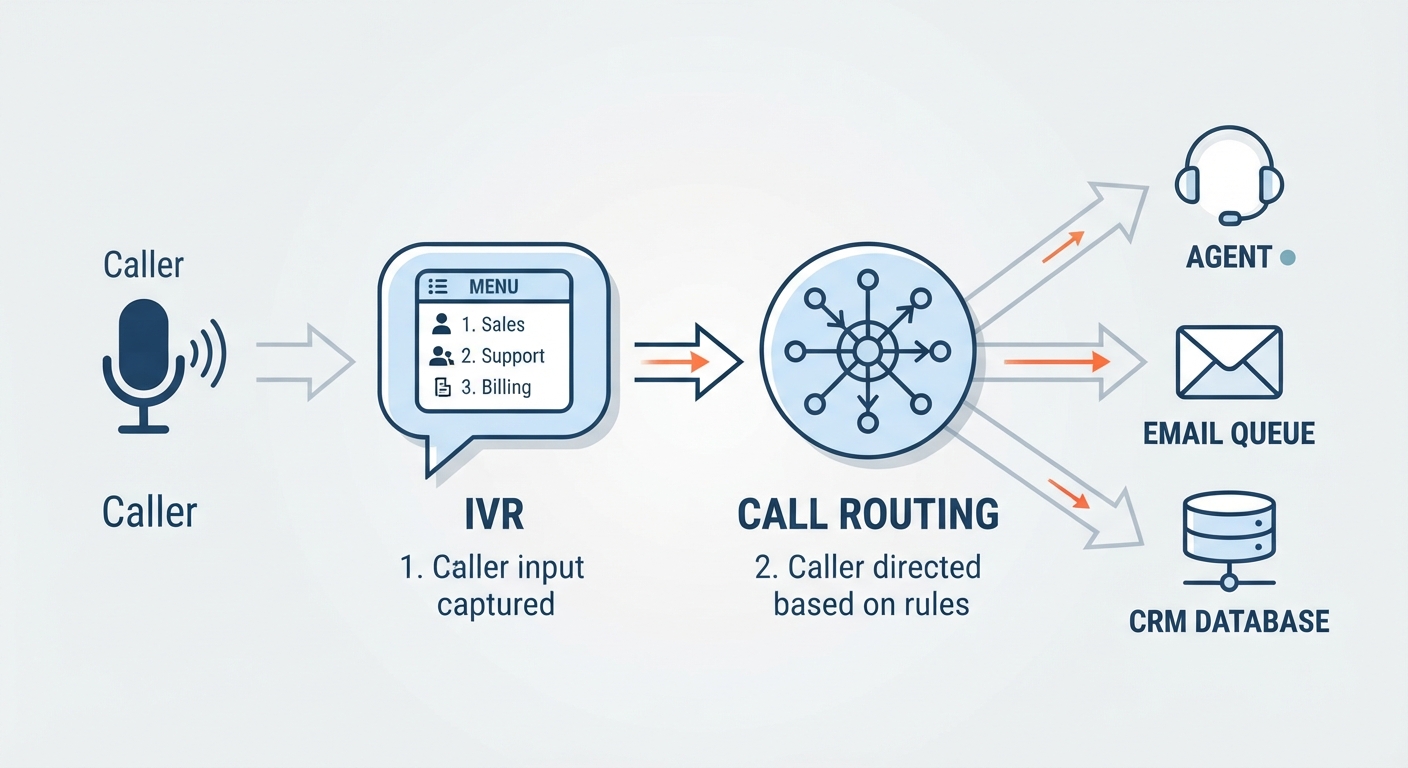
What Is the Workflow of a Modern AI-Integrated Office?
The goal is a seamless bridge between a phone call and your CRM. Cut out the middleman, cut out the human error, and watch your sales cycle shrink.
Why Is AI Now the "Gold Standard" for Regulated Industries?
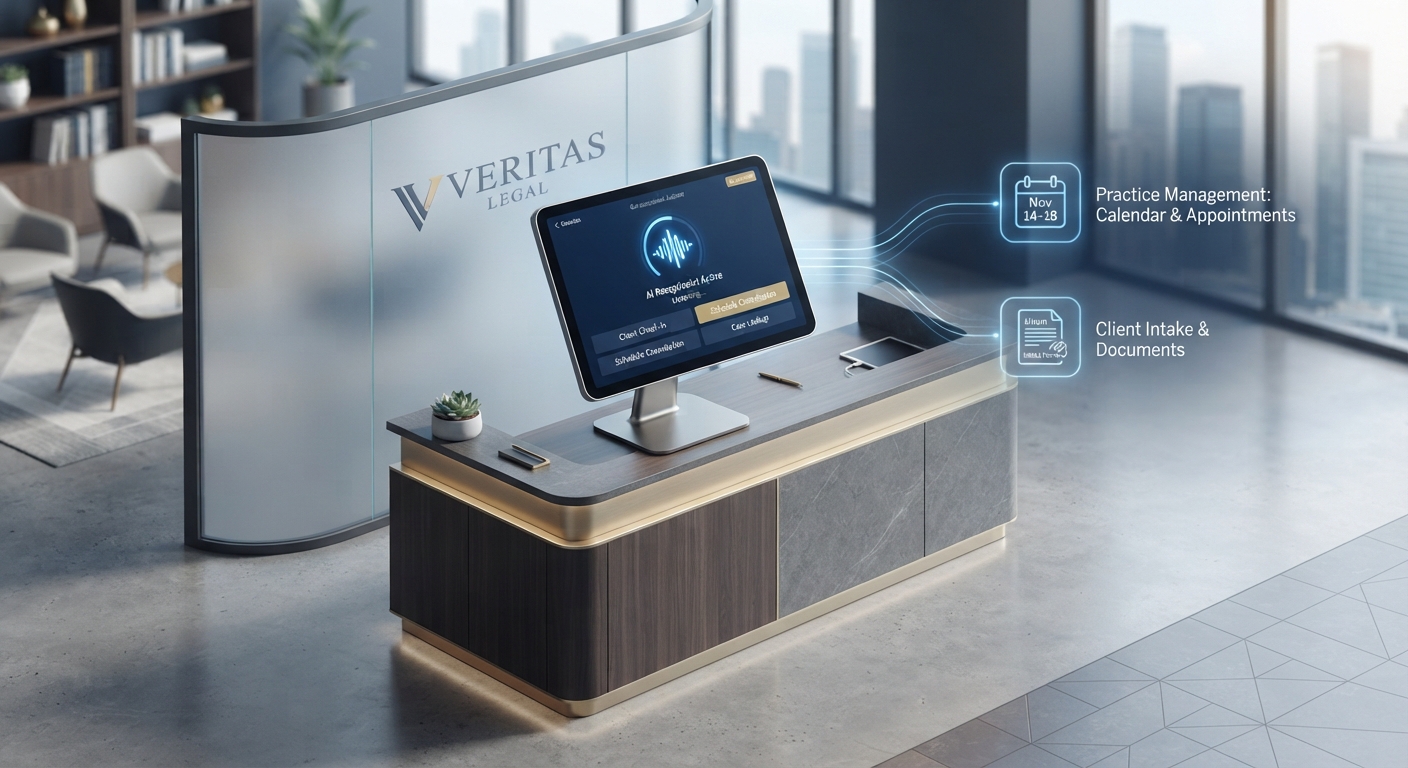
For years, the "compliance barrier" was the excuse law firms and medical practices used to stick with expensive, manual answering services. They argued that a human understood PII (Personally Identifiable Information) better than a machine.
That logic is ancient history.
Modern AI providers build with HIPAA compliance as a foundational pillar. These systems use enterprise-grade encryption and strict data-handling protocols that actually outperform human transcriptionists. Humans are statistically more likely to leak data through simple note-taking errors or insecure habits. By moving to a compliant AI model, you aren't just saving money—you’re tightening your security.
How to Calculate Your "Cost Per Missed Lead"
Want to know why your current after-hours strategy is failing? Calculate your "Cost Per Missed Lead" (CPML). It’s simple, brutal math: take your average client value and multiply it by the number of after-hours calls that go to voicemail.
Say you get 20 calls a week after hours and you close 20% of them. That’s four lost clients. If each client is worth $1,000, you’re leaving $16,000 on the table every single month. When you stack that against the Pricing & Plans of an AI system, the decision to automate stops being a "tech upgrade" and starts being a financial emergency.
The "Hybrid Model": When Should You Keep a Human in the Loop?
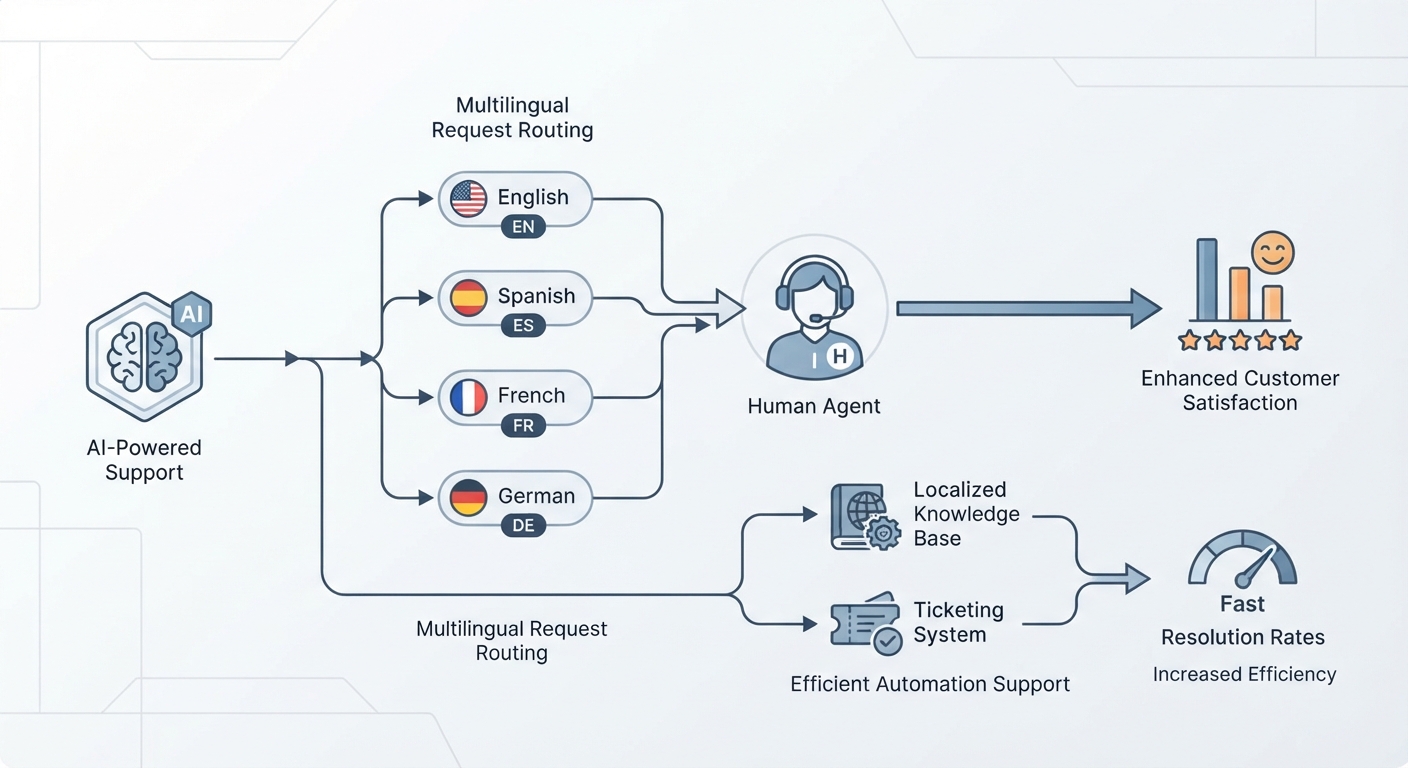
AI is a force multiplier, not a total replacement. Sometimes, you need a human. High-stakes emotional escalations or truly complex client crises require empathy and subjective judgment. The smartest firms in 2026 use a hybrid model: the AI handles the routine intake, scheduling, and qualification, freeing up your human staff to handle the high-value, complex interactions that actually need a heartbeat. This is the "Front Desk Multiplier" effect.
How to Choose the Right AI Solution?
Don’t fall for the marketing fluff. Look for three things: integration depth, natural language proficiency, and deployment speed.
Does the AI talk to your existing stack? If it doesn't plug into your CRM or tools like Calendly, it’s just a fancy voicemail machine. Listen to the voice models. If the AI sounds like a robotic GPS from 2005, your clients will hang up. You want tone, cadence, and the ability to handle interruptions. Finally, check the deployment time. If a vendor needs six weeks to "train" the AI, they’re just rebranding a human service.
Ready to Transform Your After-Hours Strategy?
In 2026, the competitive advantage belongs to those who capture demand at the speed of the internet. While your competitors are leaving leads hanging until Monday morning, you could be closing deals on a Tuesday night. If you’re ready to stop the bleeding and start automating your growth, contact our team to see how we can plug a next-gen AI receptionist into your workflow.
Frequently Asked Questions
Is an AI receptionist too robotic for my clients?
Not in 2026. Advancements in large language models have allowed for empathy-driven AI that recognizes the emotional context of a conversation. Modern systems use natural speech patterns, including appropriate pauses and fillers, making them indistinguishable from a professional human receptionist in 99% of business interactions.
How long does it take to set up an AI phone system?
Unlike human services that require weeks of training, scripts, and onboarding meetings, an AI phone system is typically deployment-ready in hours. Once you connect your calendar and CRM, the system is live, tested, and ready to handle calls.
What happens if the AI doesn't know the answer to a question?
Modern AI is built on a "knowledge base" training model. If a caller asks something outside the AI's training, the system is designed to gracefully acknowledge the limitation and trigger an immediate, seamless escalation to a designated team member via SMS or email, ensuring no question is ever ignored.
Is my data safe with an AI answering service?
Absolutely. Top-tier AI solutions utilize end-to-end encryption and adhere to strict data-handling standards. For regulated industries, this includes full HIPAA-compliant data processing, ensuring that sensitive information is never stored or accessed in a way that violates privacy regulations.
How does the AI know how to schedule appointments?
The AI integrates directly with your scheduling platform (such as Calendly). It reads your real-time availability, cross-references it with your business hours, and allows the caller to select a slot that works for both parties. The appointment is then automatically booked, and the AI confirms the details with the caller instantly.