5 Biggest Myths About AI Receptionists Debunked With Data
TL;DR
- This article breaks down common misconceptions about ai phone systems using real-world data on call conversion and cost. We cover why customers actually prefer instant answers over voicemail and how small businesses save thousands by switching from traditional answering services. You'll get a clear look at how automated receptionists handle complex scheduling and lead capture without the high salary costs.
Introduction: Why the Phone is Still Your Most Valuable (and Leaky) Asset
Ever feel like your phone is a leaky bucket? You spend thousands on ads, but if no one picks up the call, that cash just disappears.
Most callers won't even leave a message anymore if they hit your voicemail. They just hang up and call the next guy on Google. Honestly, small business owners are losing up to 30% of their revenue just because they can't get to the phone fast enough.
- Law Firms: A potential client in a crisis isn't waiting—they need an answer now or they move to the next firm.
- Dental Clinics: Patients trying to book an emergency appt. will jump to another office if they get a "please leave a message" tone.
- Home Services: An HVAC tech mid-repair can't answer, and by the time they call back, the homeowner already booked a competitor.
According to research from BrightLocal (2024), 60% of consumers prefer to call a local business, yet many businesses still fail to answer.

Traditional answering services are falling behind because they're slow and expensive. Let's look at why AI is changing the game.
Myth 1: Customers Hate Talking to AI and Will Just Hang Up
Honestly, the biggest fear I hear from business owners is that customers will just hang up the second they realize a robot is on the line. But here is the thing—people don't actually hate AI, they hate being ignored or stuck in a voicemail loop that goes nowhere.
Think about it. If you’re a lawyer and a lead calls with an emergency, they’d much rather get a "bot" that can actually book them a consult right then than wait three hours for a callback that might never come.
The "hang-up" myth is mostly just that—a myth. Most people are just looking for an answer. A 2022 study by Salesforce found that 72% of consumers say that "valuing their time" is the most important thing a company can do to provide good service.
- Healthcare: Patients calling a dental office to reschedule an appt. don't want to wait on hold; they want it done in 30 seconds.
- Home Services: If a pipe bursts, the homeowner is calling five plumbers. The first one to answer—even if it's an AI—usually gets the job.
- Retail: Checking if an item is in stock is a simple task that AI handles way faster than a busy clerk.

Actually, modern voice technology sounds so natural now that most folks don't even realize they aren't talking to a person at first. And even when they do, the convenience usually wins out.
Next, let's talk about the cold hard cash—specifically, how much you're actually paying for a human vs. an automated setup.
Myth 2: AI Receptionists are Way too Expensive for Small Shops
I talk to a lot of solo owners who think hiring help is a "someday" goal because, honestly, the math usually sucks. They think they’re stuck choosing between a $45k salary for a human or just letting the phone ring—but they are missing the middle ground.
When you hire a full-time receptionist, you aren't just paying for their time at the desk. You got payroll taxes, health insurance, and the "invisible" cost of them browsing Instagram when the phones are quiet. According to Glassdoor (2024), the average base pay for a receptionist in the US is around $40,000 to $48,000.
Even if you look at 24/7 call centers, they charge by the minute and the quality is often... well, it's not great. You end up paying hundreds a month for someone who doesn't even know your business. Compare that to an AI system that starts as low as $50 a month and doesn't take lunch breaks.
- Hidden Hiring Costs: Recruiting and training a new person usually costs about $4,000 before they even answer their first call.
- Turnover Pain: Front-desk roles have high burnout; if they quit, you're back to square one (and missing calls again).
- Scalability: An AI can handle 10 calls at once during a morning rush; a human can only handle one.
If you’re a plumber and one emergency call is worth $300, catching just one missed call a month pays for your entire AI setup for the whole year. It’s not an "expense" if it’s literally catching money that was falling through the cracks.

Actually, for most clinics or law firms, the ROI happens in the first week. You stop paying for "potential" and start paying for actual results.
Next, let's dive into how these systems handle complex workflows and actual tasks like booking.
Myth 3: AI Can't Handle Complex Tasks Like Booking or Intake
So you think a bot is just for saying "hello" and taking a message? That’s old school thinking—modern AI is actually way more like a digital Swiss Army knife for your workflow.
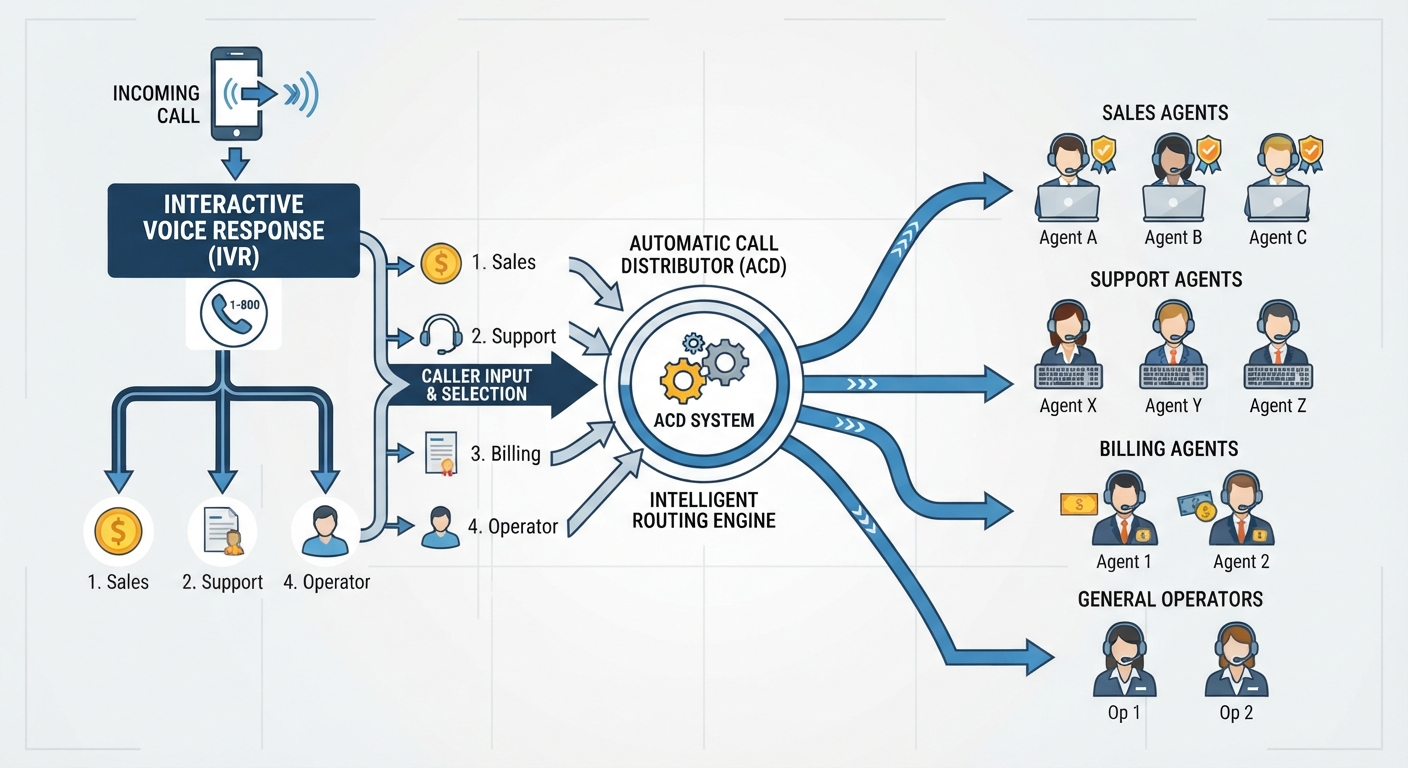
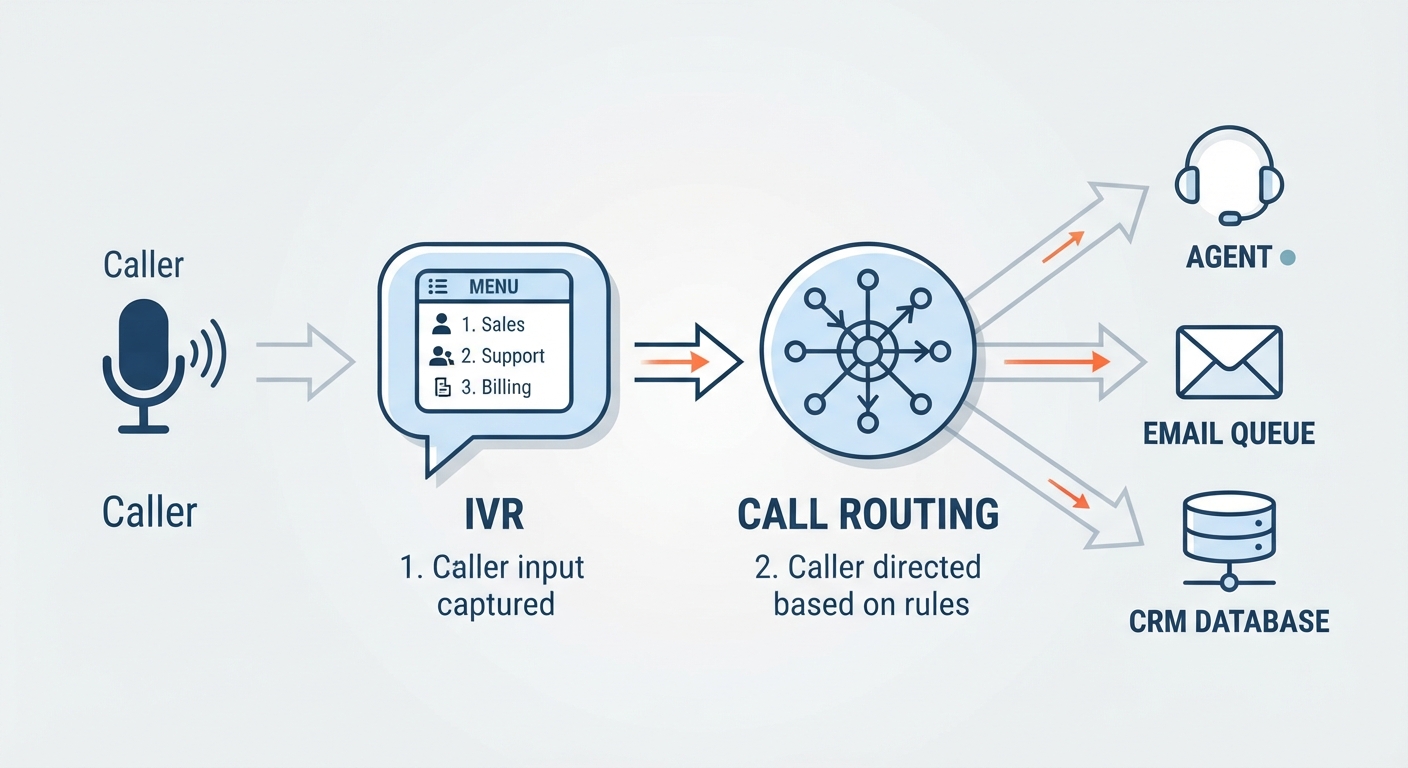
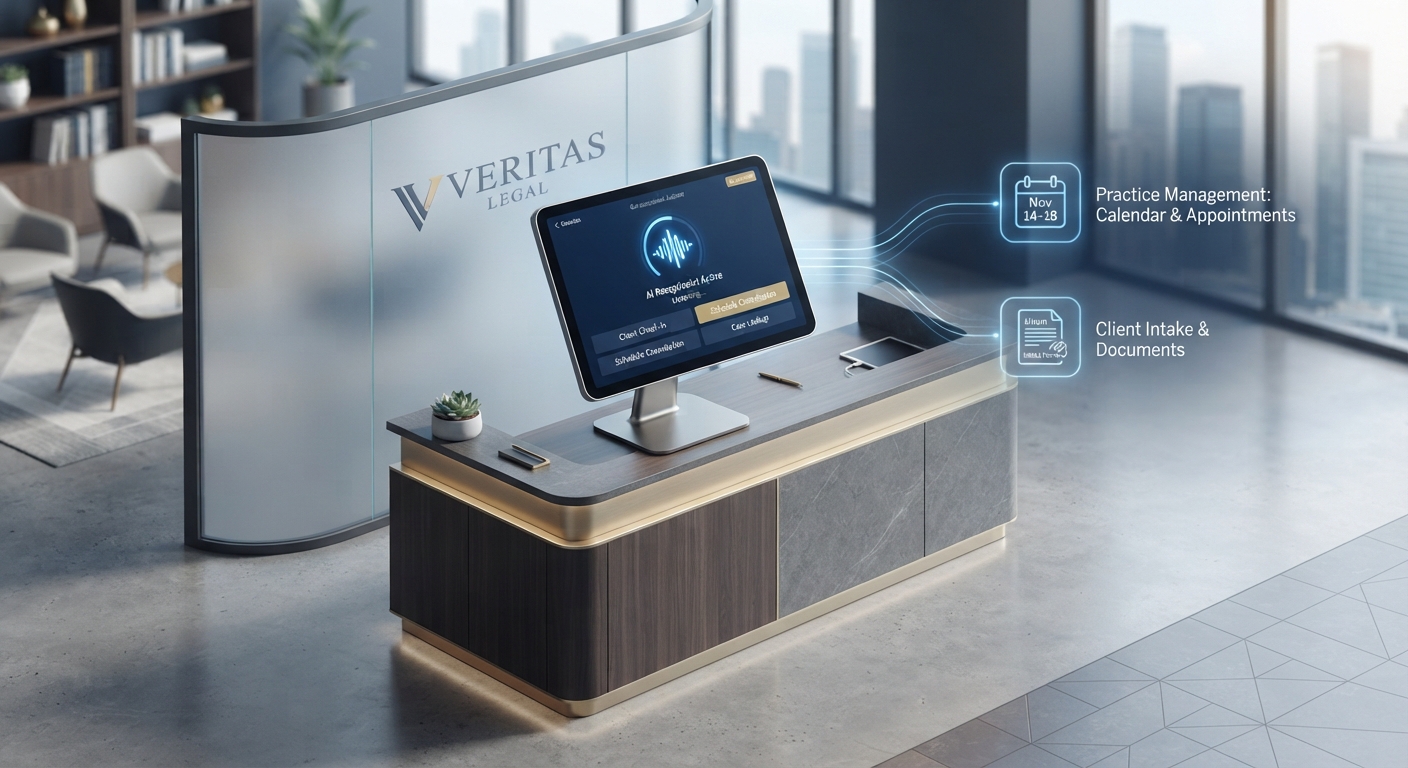
I've seen office managers go from skeptical to obsessed once they realize the AI isn't just talking; it's actually doing the "busy work" that kills their productivity. It can jump into your calendar, ask the right qualifying questions, and even push data straight into your CRM without you lifting a finger.
- Live Booking: It hooks into tools like Google Calendar or ServiceTitan to grab open slots. For a salon, this means a client books their hair color at 9 PM on a Sunday without anyone being awake.
- Law Firm Intake & Live Transfers: The AI can ask "is this a new case?" or "have you been injured?" to qualify leads. If it’s a high-value personal injury call, the AI performs a "Live Transfer"—meaning it literally rings your cell phone and hands the caller over to you in real-time. You don't lose that personal touch for VIP leads, but the AI filters out the junk first.
- Reducing No-Shows: Since the AI captures the mobile number, it can trigger automated text confirmations. According to a 2023 report by Klara, automated reminders can reduce no-shows by up to 30% in medical practices.

Honestly, it’s less about "replacing" a person and more about giving your team their time back. Next, let's look at how much work you have to do to actually get one of these things running.
Myth 4: It Takes Months to Set Up and Program
Setting up an AI receptionist isn't the month-long coding nightmare people think it is. Honestly, I’ve seen local shops go from "missed call misery" to fully automated in the time it takes to grab lunch.
Most modern platforms use simple templates. You just pick your industry—like dental, law, or HVAC—and the basic logic is already there. You aren't writing code; you’re just filling out a form about your business hours and services.
- Connect your calendar: Link tools like Google or Outlook so the AI knows when you're free.
- Upload your Knowledge Base: This is basically the "Brain" of the bot. You just drop in a PDF of your FAQ or type out your pricing, and the AI uses that information to answer caller questions accurately.
- Point your number: Dial a simple code on your office phone to forward calls to the AI.
According to Invoca (2023), 76% of consumers will stop doing business with a company after just one bad experience, like a long hold time. Speed is the only thing that matters.

It’s basically "plug and play" for your phone line. Next, we’ll look at whether these systems actually keep your data safe or if they’re a privacy headache.
Myth 5: AI Isn't Secure or HIPAA Compliant
Think your data is safer on a sticky note? Honestly, that's how most "security" works at a busy front desk, and it's a nightmare for privacy.
When people hear "AI," they think about hackers, but for a dental office or law firm, the real risk is usually human error. Modern AI systems are built with way tighter locks than a filing cabinet.
- HIPAA and SOC2: Most reputable voice AI platforms are built on top of encrypted clouds that meet federal standards for healthcare. They sign Business Associate Agreements (BAAs) just like your software providers do.
- Digital Paper Trails: Unlike a temp receptionist who might leave a message on a desk, AI logs every interaction. You know exactly who called, what was said, and where that data went.
- Fraud Protection: These bots don't fall for "social engineering" tricks. They won't give out sensitive info to a caller just because they sound "nice" or "in a hurry."

Honestly, if you're still using a paper ledger or an unencrypted answering service, you're more at risk than using a compliant AI. It's about closing the loop on your data.
Final Verdict: Is AI Right for Your Front Desk?
As we've seen throughout these myths, the "risks" of AI usually turn out to be way smaller than the risk of just letting your phone ring off the hook. When you look at the ROI, it's a no-brainer. You're saving $40k+ on a salary, catching 30% more leads, and giving your current staff room to breathe.
The reality is that customers just want to be heard. Whether it's a human or a smart bot, if they get their appointment booked or their question answered, they're happy.
Ready to stop losing leads? If you're tired of seeing missed calls in your log, it's time to see how this works for your specific business. [Click here to book a quick demo] or check out our [Step-by-Step Setup Guide] to get your AI receptionist live by tomorrow.