Inside a 24/7 AI Phone System: Always-On Answering With Sub-200ms Response

TL;DR
- ✓ Learn why 74% of small business calls currently go to voicemail.
- ✓ Discover how sub-200ms latency creates natural, human-like AI conversations.
- ✓ Understand the competitive advantage of using edge computing for instant call responses.
- ✓ Upgrade your business efficiency with hybrid AI and human routing models.
You’re under a crawlspace, wrench in hand, sweat stinging your eyes. Your phone vibrates. It’s a potential $2,000 emergency plumbing job. But you’re stuck, literally. By the time you climb out, wipe your grease-stained hands, and call back three minutes later, that lead is gone. They didn't leave a message. They just dialed the next name on Google.
In 2026, that "awkward pause" between a customer’s need and your response is the single greatest thief of revenue in the service industry.
Being "always-on" used to be a luxury reserved for Fortune 500 firms with massive call centers. Not anymore. Today, it’s the bare minimum for survival. The new gold standard? A sub-200ms response time. That’s the magic threshold where technology stops feeling like a clunky bot and starts feeling like a real conversation.
Why 74% of Your Calls Go to Voicemail
If you feel like you’re constantly playing catch-up with your own phone line, you aren't imagining it. The current landscape for service-based businesses is brutal. According to recent AI receptionist statistics, a staggering 74% of incoming calls to small businesses go straight to voicemail.
Think about the psychological impact of that "voicemail wall." When a customer is in a crisis—a burst pipe, a legal emergency, or a sudden toothache—they aren't looking for a call back in four hours. They’re looking for immediate reassurance. When they hit your voicemail, you aren't just missing a call; you’re signaling that your business is closed, unavailable, or disorganized. That three-second silence before the beep is long enough for a customer to lose faith. In today’s on-demand economy, if you aren't there to answer, your competitor who uses an AI-driven intake system definitely is.
What is a "Sub-200ms" AI Phone System?
To understand why 200ms matters, we have to look past the marketing buzzword "bot." Most legacy automated systems rely on clunky, cloud-heavy processing that introduces a multi-second delay—that painful, robotic "Hello? Are you there?" latency.
A sub-200ms system changes the physics of the call. By utilizing edge-computing, the AI processes speech-to-text, intent recognition, and LLM inference as close to the user as possible. This speed is critical because, in human linguistics, a response delay of more than 200-300 milliseconds is perceived as an interruption or a technical failure. When the response is sub-200ms, the interaction feels fluid. It’s the difference between a robotic interrogation and a natural, professional conversation.
How Does the Hybrid Routing Model Work?
The smartest businesses aren't firing their human staff; they’re upgrading them. The hybrid routing model operates on a simple premise: let the AI handle the high-volume, low-complexity tasks, and let your humans handle the high-empathy, complex negotiations.
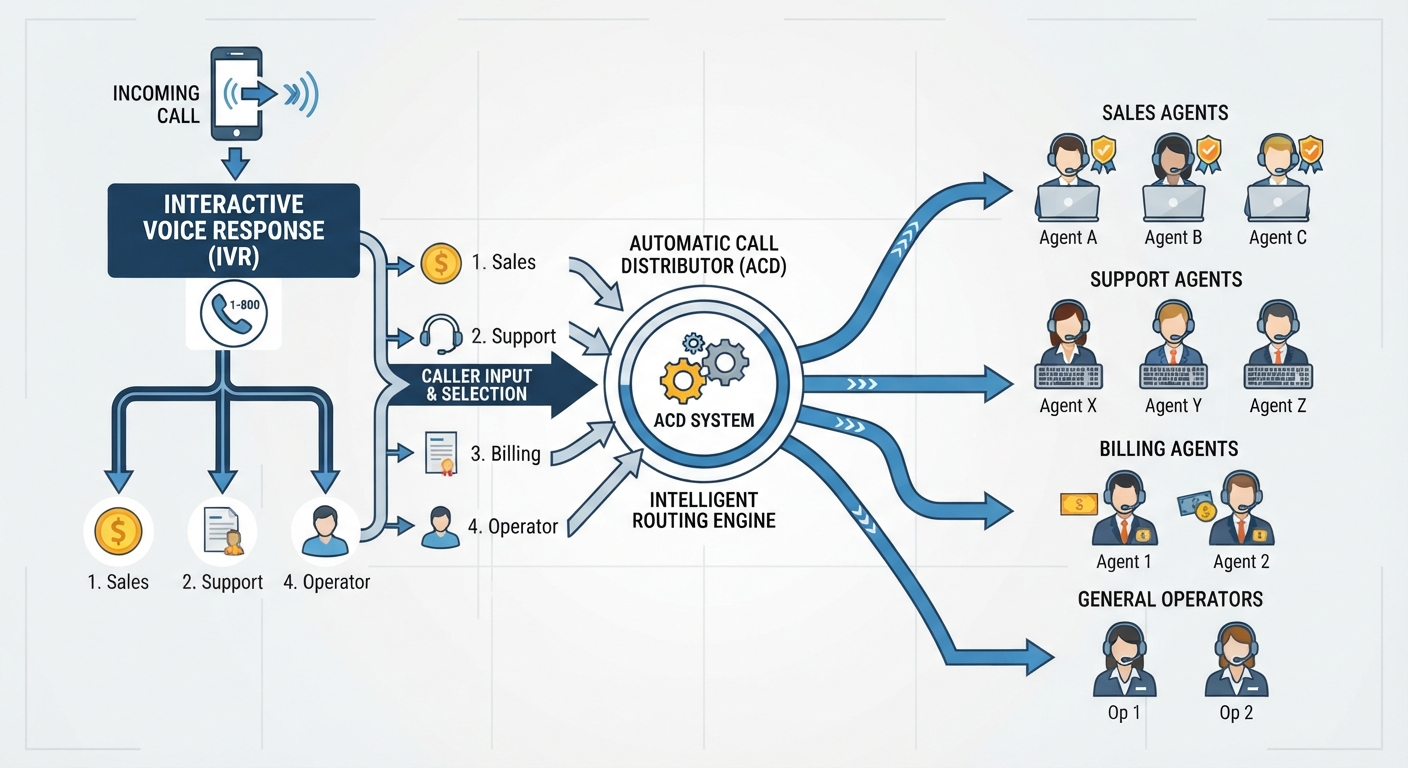
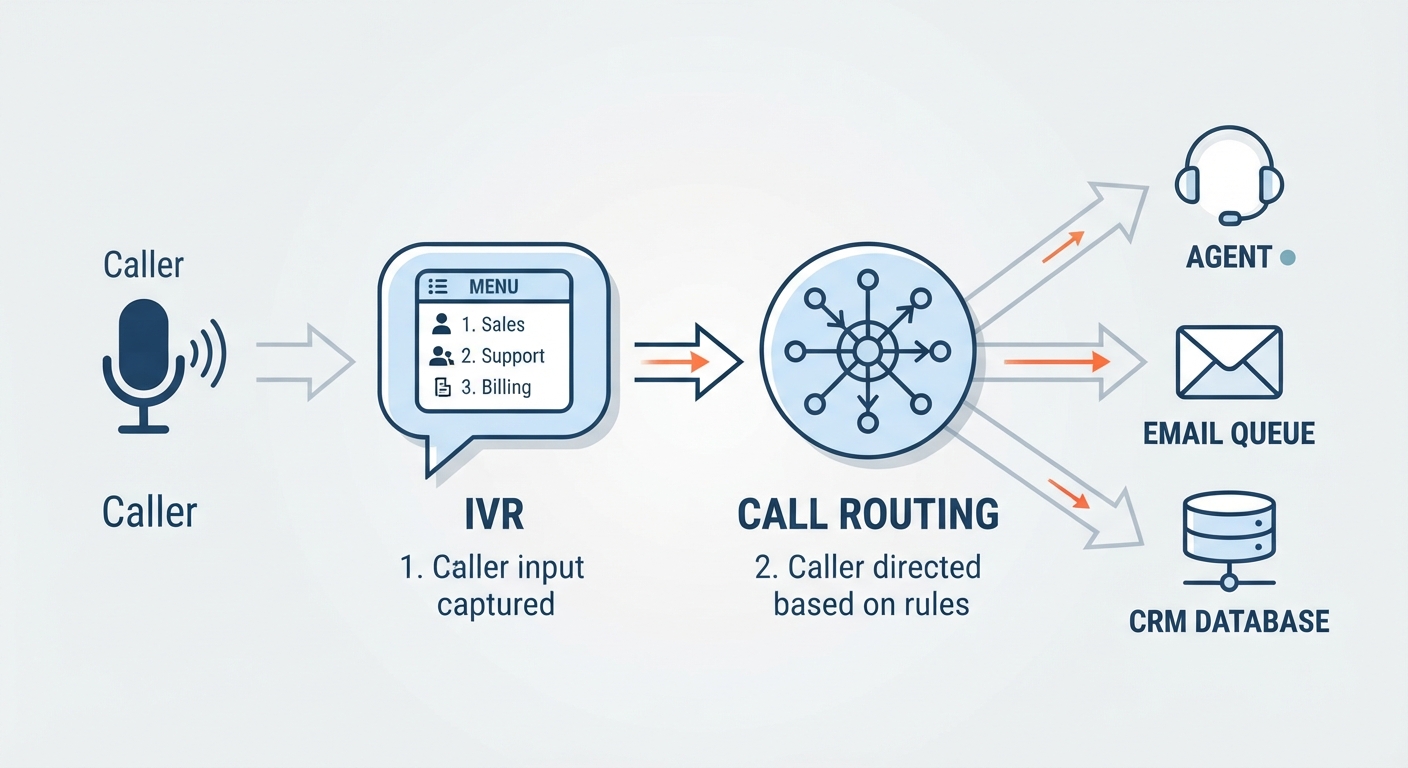
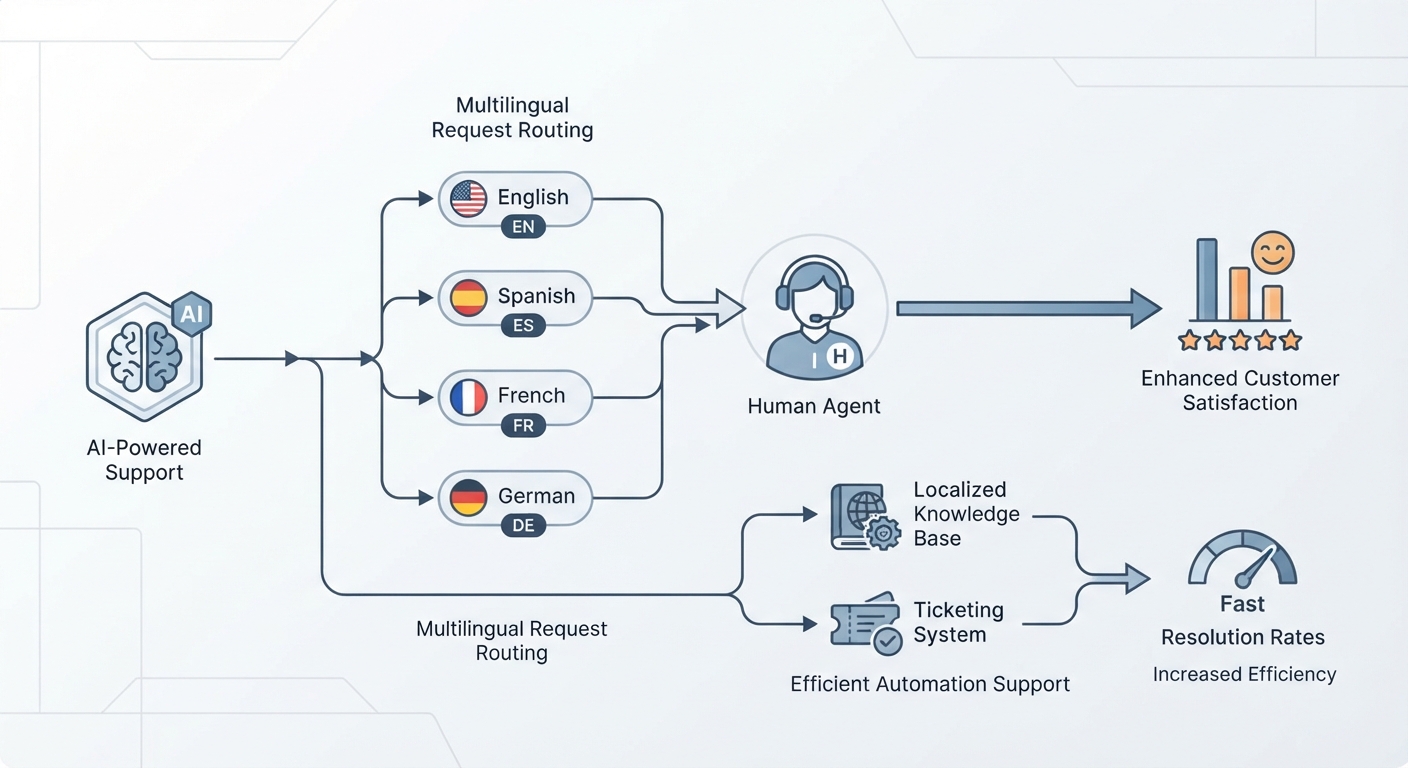
When a call comes in, the AI acts as the first line of defense. It screens the intent. Is the caller asking for your business hours or pricing? The AI handles it instantly, even updating your CRM or booking the appointment on your calendar. Is the caller distressed, angry, or asking for a complex, non-standard service? The system detects the emotional tone or the complexity of the query and initiates "Smart Forwarding," routing the call to a human representative who has already been briefed on the context of the conversation.
Why Does Speed Matter More Than Ever?
We are living through a fundamental shift in user expectations. As highlighted in research regarding the future of AI agents, consumers no longer value "human-only" service if it comes with the price of a ten-minute hold time. Speed has become a proxy for competence.
When a customer gets an immediate, accurate answer from an AI system, they feel valued. They feel like their time is respected. This is why immediate resolution builds trust faster than a human on hold ever could. You aren't losing the "human touch" by implementing AI; you’re removing the friction that prevents you from providing that touch when it actually matters.
Is AI Right for Your Business Type?
The application of AI phone systems varies by industry, but the core benefit remains the same: capturing every lead.
- Plumbers & HVAC: Your business thrives on emergencies. An AI can handle intake, verify insurance or warranty details, and dispatch a technician directly into your calendar without you ever needing to step away from the job site.
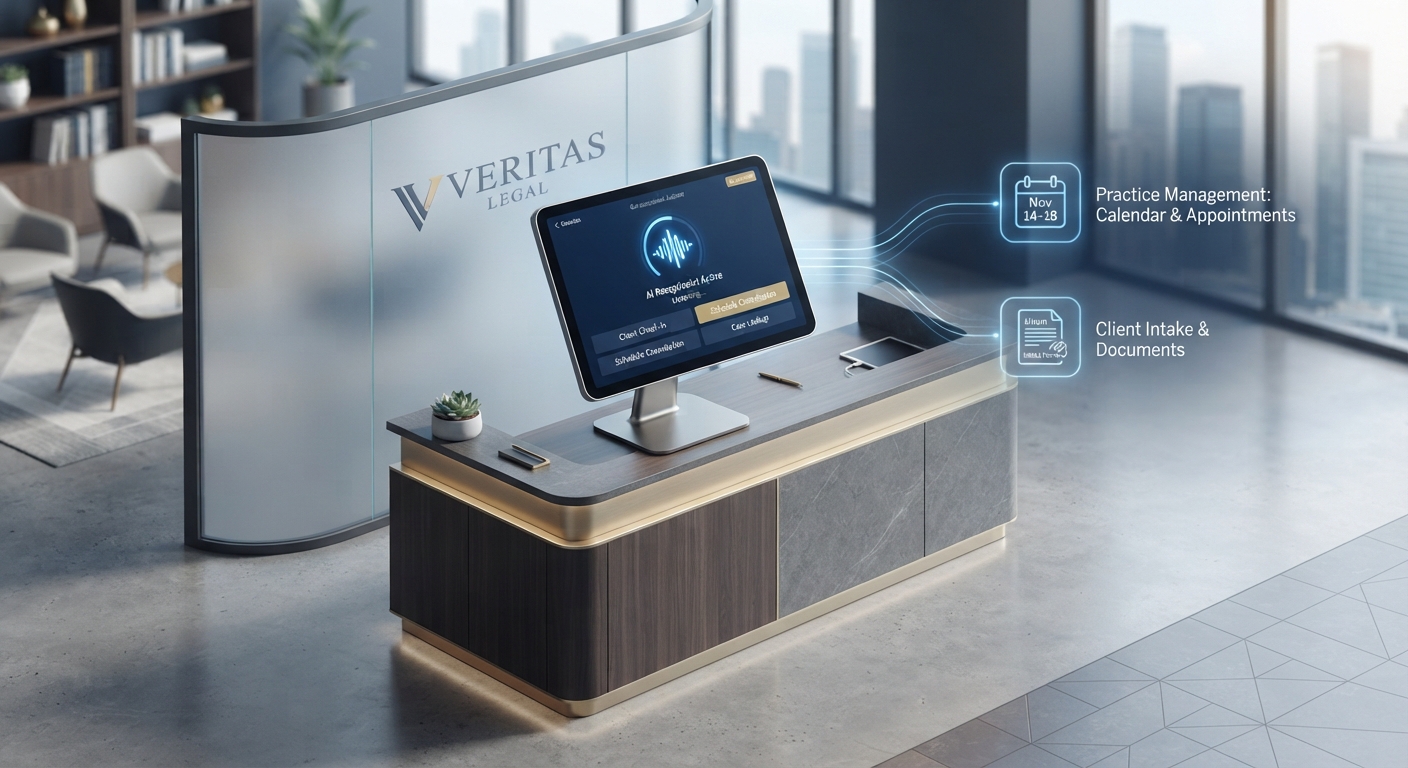
- Legal: First impressions are everything. AI can handle initial screening—collecting case details and setting up consultations—ensuring that your expensive billable hours are spent on clients, not on administrative gatekeeping.
- Dentists: The biggest bottleneck in dental practices is the scheduling shuffle. An AI can check availability in real-time, handle rescheduling, and send appointment reminders, effectively acting as a 24/7 office manager.
If you are worried about the "skepticism" factor, the key is branding. Don't hide the fact that it's an AI, but lean into its professionalism. A well-trained AI that sounds crisp, articulate, and helpful is infinitely more professional than a harried, distracted human who might forget to take down a phone number.
Implementation: How Do You Get Started?
The barrier to entry has collapsed. We are in the "no-code" era, where setting up a sophisticated, 24/7 phone system takes hours, not months of engineering. You don't need to be a developer to sync your CRM with a voice agent; most modern platforms are plug-and-play.
If you are curious about the mechanics of this, you can see how Voksha AI handles inbound calls to understand how these systems integrate with your existing business phone number. Training the AI is often as simple as uploading your FAQ document or linking your existing website content, allowing the model to learn your business’s specific tone and procedures within minutes.
What is the Real ROI of an AI Receptionist?
To understand the value, look at the math. According to data from the Bureau of Labor Statistics, the overhead cost of a full-time receptionist—including salary, benefits, and management time—is a significant line item. Compare that to the cost of an AI subscription, which runs a fraction of the cost while providing 24/7, 365-day coverage.
But the real ROI is in the "missed lead" revenue. If you miss just two jobs a week because you were on a job site or out of the office, and those jobs average $500 in profit, you are losing $52,000 in annual revenue. When you look at our pricing and features, it becomes clear that an AI receptionist isn't an expense—it is a revenue-generating asset that pays for itself in the first week of operation.
Frequently Asked Questions
Will customers know they are talking to an AI?
Yes, and in most cases, they don't mind. Transparency—such as a brief, polite greeting—is standard practice. Most callers prioritize the speed of resolution over the identity of the person they are speaking to. They would rather have a 200ms AI response that solves their problem than a 15-minute wait to speak to a human who is busy.
Can I still answer my own phone if I want to?
Absolutely. Modern systems offer "priority override" and smart routing. You can set the system to only take calls when you are busy, after hours, or when you are on another line. You remain the captain of your phone line; the AI is simply your most reliable assistant.
How hard is it to set up an AI phone system?
It is designed for non-technical business owners. You can port your existing business number or forward it to an AI-powered line in minutes. The "no-code" nature of these platforms means you can customize responses and calendar integrations without writing a single line of code.
What happens if the AI doesn't know the answer?
The system is built with a failure-safe: human escalation. If the AI encounters a question outside its training or a situation requiring a human touch, it automatically triggers a "Smart Forwarding" event, passing the call to you or a designated team member, ensuring no lead is ever left hanging.
Does an AI phone system actually improve conversion rates?
Yes. The correlation between immediate engagement and appointment booking success is undeniable. By engaging the lead at the exact moment of interest (the sub-200ms window), you capitalize on the customer's intent while it is at its highest, significantly reducing the likelihood of them continuing their search elsewhere.