Top 10 AI Receptionist Features Every Small Business Should Demand in 2026
TL;DR
- This article covers the essential ai receptionist capabilities for 2026, comparing costs against human hires and providing a step-by-step setup guide. You will learn about smart features like emergency routing and crm sync that help law firms and home services capture more leads while reducing no-shows through automated scheduling. We break down the roi of switching from traditional answering services to modern ai solutions.
The Real Cost of Silence: Why 2026 is the Year of the AI Receptionist
Ever felt that gut-punch when you check your voicemail and realize a $5,000 lead called three hours ago? In 2026, if you aren't answering on the first two rings, you're basically handing your wallet to the guy across the street. While 2024 was the year of "testing" these tools, 2026 is when they became the industry standard for anyone who actually wants to stay in business.
Honestly, the numbers are pretty brutal for anyone running a service business. We all like to think people will leave a message and wait, but they just dont. While some old studies claimed huge numbers, a more grounded look at the data leading up to 2026 shows that about 25-30% of calls to small businesses go unanswered during busy hours. That is still nearly a third of your marketing budget potentially going down the drain because you were busy on a job or grabbed lunch.
- The high cost of silence: For contractors, missing just a few high-value leads a month can result in tens of thousands in lost revenue. Industry research from 2024 by groups like Entrepreneur showed that 40% of small businesses lose significant money every month just from missed calls—a trend that only got worse as customer patience hit zero by 2026.
- The "Now" Economy: Customers have zero patience now. If a plumber doesnt pick up, the homeowner just clicks the next blue link on Google.
- Urgency matters: About 15.9% of calls use "emergency" language—these are high-margin jobs you lose instantly if you're silent.

Hiring a person is great for the "human touch," but the math is getting harder to justify for small shops. The median wage for a receptionist is around $37k according to the bls, but once you add health insurance and taxes, you're looking at $45k+.
Compare that to an ai like Trillet which starts at $49/mo, or Voksha at $14/mo flat-rate. A human can only talk to one person at a time, but ai handles 20 calls at once without breaking a sweat or needing a coffee break. Plus, ai doesnt go home at 5 PM when the emergency calls actually start rolling in.
Next, we'll dive into the specific features you need to make sure your ai doesn't sound like a 1990s robot.
Top 10 AI Receptionist Features You Must Demand
Look, nobody wants to talk to a robot that sounds like it’s trapped in a tin can from 1998. If your ai receptionist has that weird, stuttery lag, your customers are hanging up before they even finish saying "hello."
In 2026, the standard isn't just "answering the phone"—it’s about doing it with enough polish that the person on the other end actually feels heard. Here is what you gotta look for to make sure your system actually helps your bottom line instead of just annoying people.
1. Zero Latency (Speed): Speed is everything. If there is a three-second pause after a customer speaks, they know they’re talking to a machine and the trust just evaporates. You need the ai to respond in under two seconds.
2. Human-like Cadence: You want a voice that breathes and uses natural pauses. If the ai can handle someone interrupting it without getting "confused," you’ve found a winner.
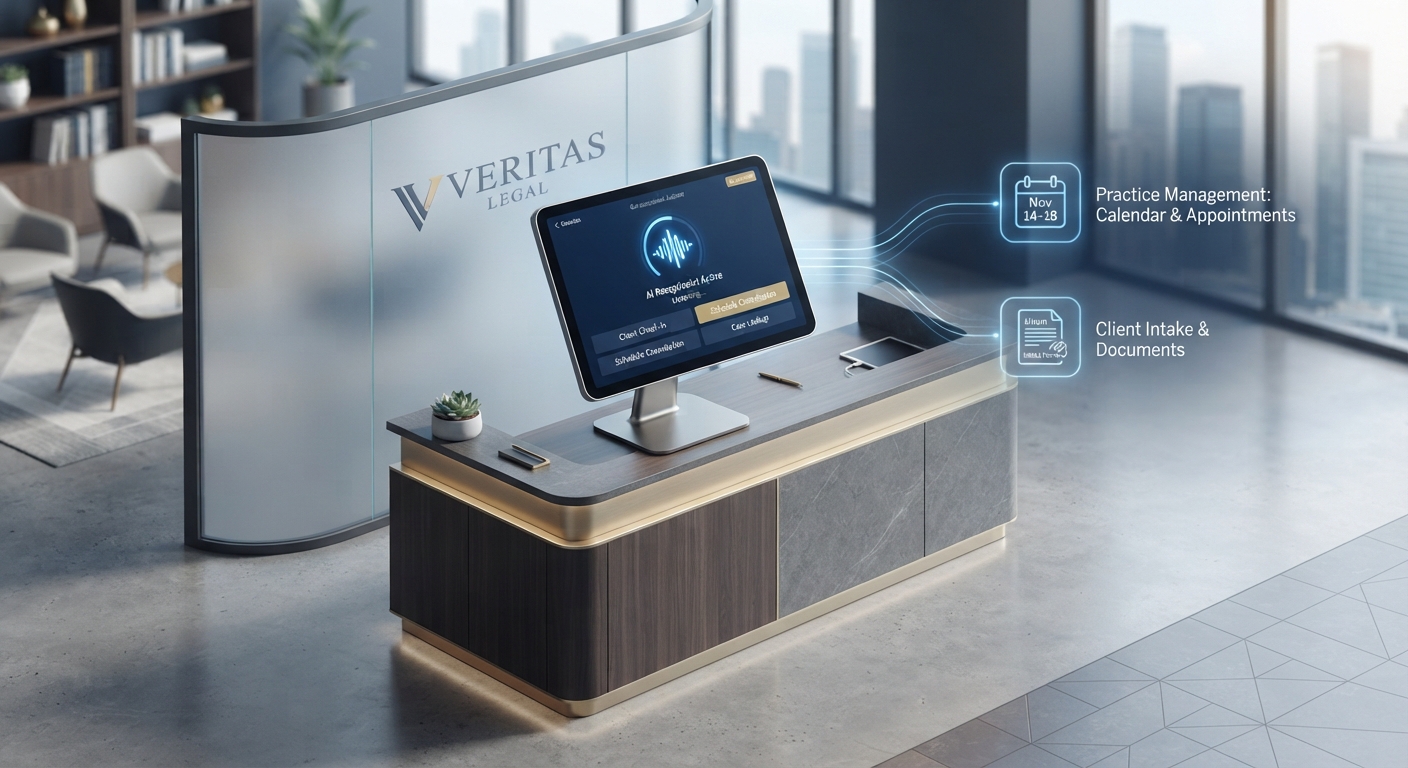
3. Calendar Integration: Your ai should be a closer. It needs to plug directly into your tool—whether that’s google calendar, outlook, or industry stuff like ServiceTitan—to book appointments in real-time.
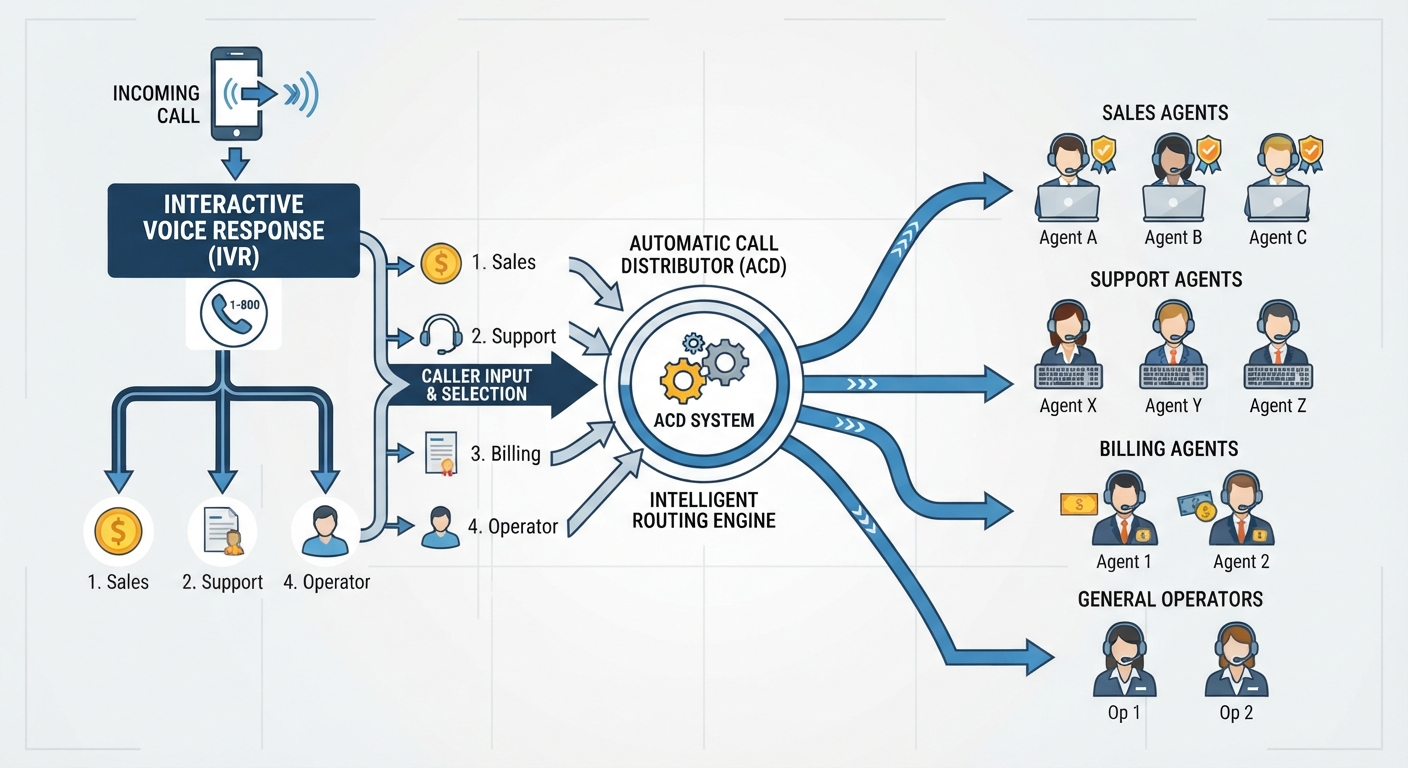
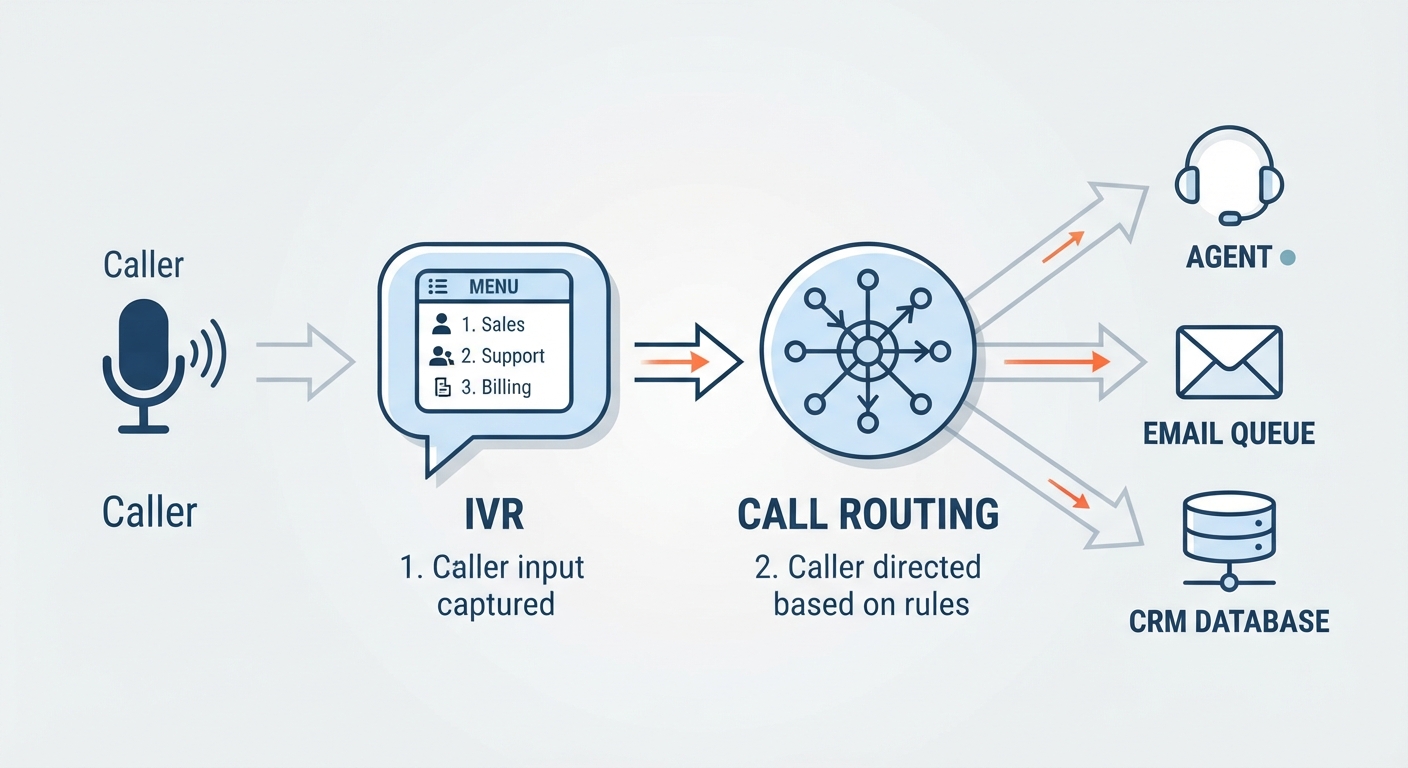
4. Emergency Routing: A "leaking faucet" is one thing, but a "burst pipe" is different. Your ai needs to spot keywords like "emergency" and route those high-value calls directly to your cell phone.
5. Industry-Specific Knowledge: If you run a law firm, the ai should understand what a "conflict check" is. If you’re an hvac guy, it needs to know what "tonnage" or "refrigerant" means so it doesn't sound clueless when a tech-savvy customer calls. Having this lingo built-in makes the ai feel like a member of your actual team.
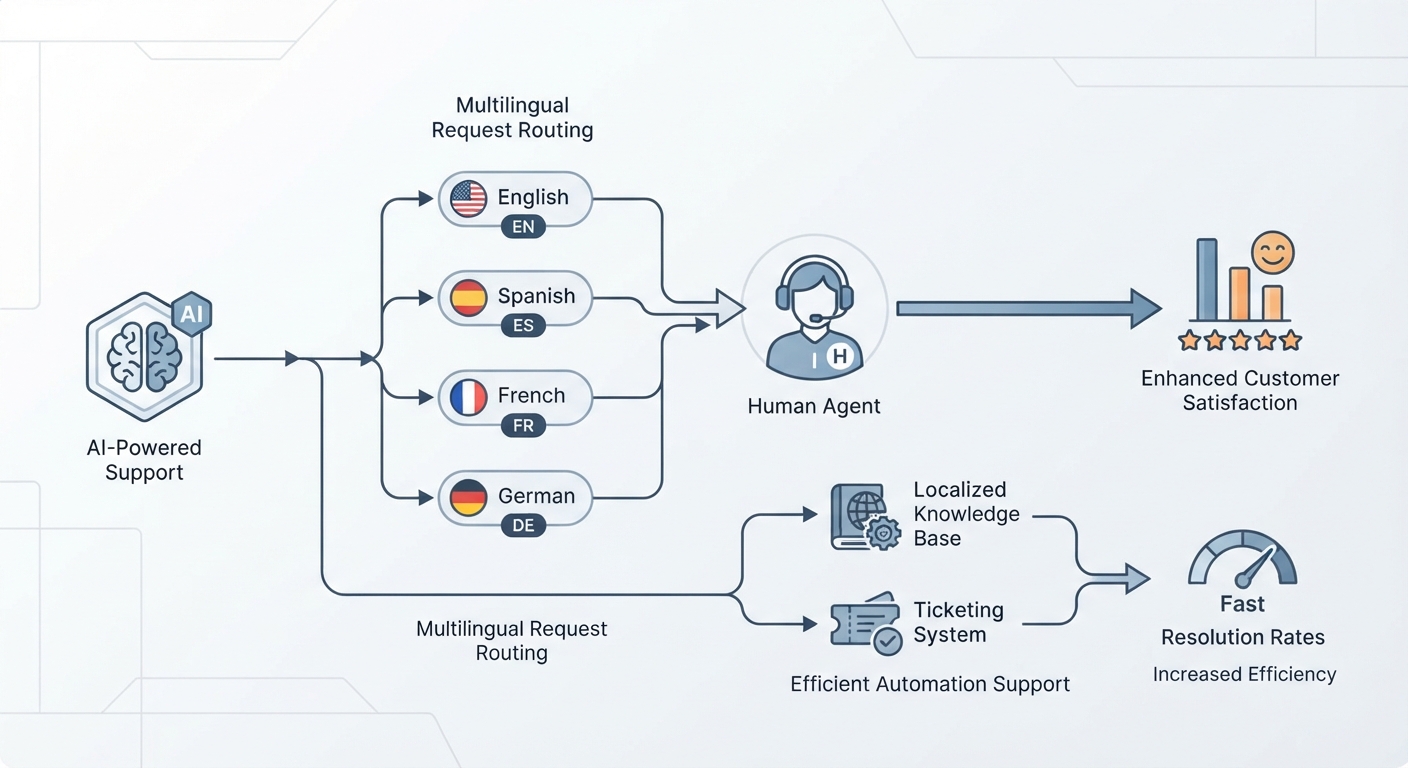
6. Multi-Language Support: In 2026, you can't afford to ignore non-English speakers. A top-tier ai detects the language being spoken and switches instantly, opening up your business to a whole new demographic.
7. SMS Follow-up: As soon as the call ends, the ai should text the customer a confirmation or a link. It keeps the lead "warm" and gives them something to look at so they stop calling your competitors.
8. CRM Synchronization: Every call should automatically create or update a lead in your crm (like Hubspot or Salesforce). No more manual data entry or losing names on sticky notes.
9. Outbound Dialing: Sometimes you need the ai to call them back to confirm an appointment or follow up on a quote. This keeps your schedule full without you touching the phone.
10. Analytics and Reporting: You need a dashboard that shows you exactly how many calls were handled, what the "intent" was, and how much revenue the ai is actually generating.
Imagine it's 8 PM on a Friday. A homeowner’s ac dies. They call three places.
- Shop A: Goes to voicemail. (They lose the job).
- Shop B: Answering service takes a message. (Customer keeps calling others).
- Your Shop: AI answers in two rings, identifies it’s an emergency, and pings your phone while the customer is still on the line.
You just won a $4,000 repair while your competitors are still checking their messages on Monday morning.

Next, we're going to get into the nitty-gritty of the setup process—don't worry, it's way easier than you think.
How to set up AI receptionist small business: A Step-by-Step Guide
So you’ve decided to stop letting leads rot in voicemail and actually give this ai thing a shot. Honestly, the setup is way less of a headache than trying to train a human hire who might quit in three weeks anyway.
The first step is basically "teaching" the brain of your receptionist. Most modern platforms make this dead simple by just asking for your website link. The ai crawls your pages, reads your services, and figures out your faq on its own.
- Paste your URL: The system grabs your pricing, service areas, and hours.
- Custom Greetings: You should set different vibes for business hours vs. 3 AM.
- FAQ Nuances: Add stuff like "Where do I park?" or "Do you take insurance?" A 2026 guide by Business 2.0 News highlights that the best-performing ai systems are the ones fed with very specific, local business details.
Now you gotta hook it up to your actual phone line. You don't need a degree in computer science for this, it's usually just a "conditional call forwarding" setting on your landline or voip provider.
- Forward your number: You keep your existing business number. You just tell your carrier to send the call to the ai if you don't pick up after two rings.
- Connect the crm: Link it to Hubspot, Clio, or ServiceTitan so every caller's info is logged automatically.
- The "Stress Test": Before you go live, call it yourself 10 times. Pretend to be a grumpy customer or ask a weird question.

It’s pretty wild how fast this goes from "idea" to "answering calls." Once you’re integrated, the system just runs in the background while you actually do your job.
Next, we need to talk about the boring but important stuff like keeping your data safe.
Compliance and Security: HIPAA and Beyond
Talking about security is usually a snooze-fest until someone hacks your database and you’re staring at a massive fine. If you're in healthcare or law, "oops" isn't an option when it comes to client privacy.
Honestly, the biggest worry with these new ai tools is whether they actually keep data safe or just leak it like a sieve. You need to make sure your provider isn't just "secure-ish" but actually follows the rules that keep you out of court.
- hipaa is non-negotiable: For dental or medical clinics, your ai needs to sign a Business Associate Agreement (baa).
- Encryption at rest: Basically, if someone steals the "hard drive" where your call logs live, they shouldn't be able to read a single word.
- soc2 compliance: This is like a gold star for data handling. It proves a third party checked their homework on security.
According to a 2026 report by Voksha, choosing a provider that offers industry-specific compliance—like hipaa for doctors or attorney-client privilege workflows for lawyers—is the only way to scale without constant legal anxiety.

I've seen law firms get nervous about ai "listening" in, but modern systems use api calls that don't store your sensitive strategy sessions for training. Just make sure you check the settings so your data stays your data.
Next, we're going to look at how to actually measure if this thing is paying for itself or just a shiny toy.
The ROI Calculation: Beyond the Basic Wage
The math on this is actually pretty wild when you sit down and look at the numbers. Most people just compare the ai cost to a human salary, but that's only half the story. To see if this really works, you gotta look at the advanced metrics.
- Customer Lifetime Value (CLV): If the ai catches one caller who becomes a lifelong client, that's worth way more than the $50/mo you're paying. In the service world, a single lead can be worth $10k over five years.
- Staff Productivity: When your office manager isn't answering "What are your hours?" 50 times a day, they can actually focus on billing, collections, and managing the crew. That "found time" usually results in a 15-20% bump in overall office efficiency.
- The "Speed to Lead" Multiplier: By 2026, data shows that responding within 1 minute vs. 30 minutes materially increases conversion, though published figures for the size of that effect vary and should be treated with care. The ai ensures your speed to lead is always under 10 seconds.
A 2024 report by Entrepreneur found that over 40% of small businesses lose at least $500 every single month just from missed calls. By 2026, with rising advertising costs, that loss is likely closer to $1,000 for most contractors.

At the end of the day, 2026 is about being the first to answer. If you aren't there, the ai is. It's a no-brainer.