Predictive behavioral routing for high-intent law firm leads
TL;DR
- This article explores how law firms can use advanced ai to identify high-intent callers and route them to the right resources immediately. We cover the shift from basic voicemail to predictive systems, cost comparisons between hiring and automation, and a step-by-step guide to setting up intelligent call handling that captures every potential case without the overhead of a 24/7 staff.
Why law firms keep missing the big cases
Ever wonder why that $50k personal injury lead you paid for yesterday never called back? Honestly, it’s probably because you didn't pick up the phone on the first ring and they just moved down the google results. It sounds harsh, but in the legal world, if you aren't first, you're basically invisible.
Law firms are notorious for missing calls, especially solo practitioners who are juggling court dates and depositions. A recent article by Kieran Hess on LinkedIn points out that high-intent leads—people actively looking for a lawyer right now—behave totally different than someone just browsing. If they have an emergency, they won't leave a voicemail; they just click the next link.
- The 30% Leak: Small law firms often miss about 30% of their incoming calls because the "front desk" is actually just a lawyer's cell phone or a part-time assistant.
- Voicemail is a Lead Killer: Most people calling about a car accident or a divorce are in a high-stress state and want an immediate response. You shouldn't let a call go to a "machine"—meaning those old-school, clunky voicemail boxes or "press 1 for sales" menus that feel like a dead end.
- First Caller Wins: There is a huge psychological "lock-in" that happens when a lead actually talks to someone; once they feel heard, they stop shopping around.
Look, hiring a full-time person today isn't cheap once you add up the salary, health insurance, and those 401k matches. Plus, humans need to sleep, which means you're still missing those 11 PM "I just got arrested" calls. This is why a lot of my colleagues are moving toward ai-driven systems.
"Only 3–5% of your potential customers are looking to buy at any given time," according to Demandbase, so when one of them actually picks up the phone, you can't afford to let it go to a legacy recording.

Using a smart ai receptionist isn't just about saving money (though it's way cheaper than a $45k salary); it's about making sure your firm is "open" even when you're at dinner. It's becoming the default for anyone who actually wants to scale without losing their mind. Unlike a "dumb" machine, these systems actually talk back and solve problems.
Next, we're going to dig into how these systems actually "think" using something called behavioral signals to figure out who's a real lead and who's just a tire kicker.
What is predictive behavioral routing anyway
So, what exactly is this "predictive behavioral routing" thing? It sounds like some sci-fi buzzword, but honestly, it's just a fancy way of saying your phone system is smart enough to listen for clues and act on them before you even realize there's a lead on the line.
Basically, it's about spotting "digital breadcrumbs" as Demandbase puts it—things like how many times someone visited your site or what they searched for before calling. These are what we call research intent signals—the trail of data a person leaves behind that proves they are serious about hiring someone. When they finally pick up the phone, the ai isn't just answering; it's analyzing those signals.
Traditional systems treat every call the same. But an ai receptionist can use sentiment analysis and voice cues to figure out if someone is just asking for your office hours or if they’re in the middle of a legal crisis.
- Keyword Detection: If a caller says "car accident" or "emergency," the ai flags it as high-priority immediately.
- Voice Cues: It listens for stress, urgency, or frustration. Someone crying after a wreck gets handled differently than a salesperson pitching you paper clips.
- Goal Intention: As mentioned in an article by Behavioral Signals, the system looks for "goal intention"—the basic statement of why they are calling—to predict if they’ll actually hire you.
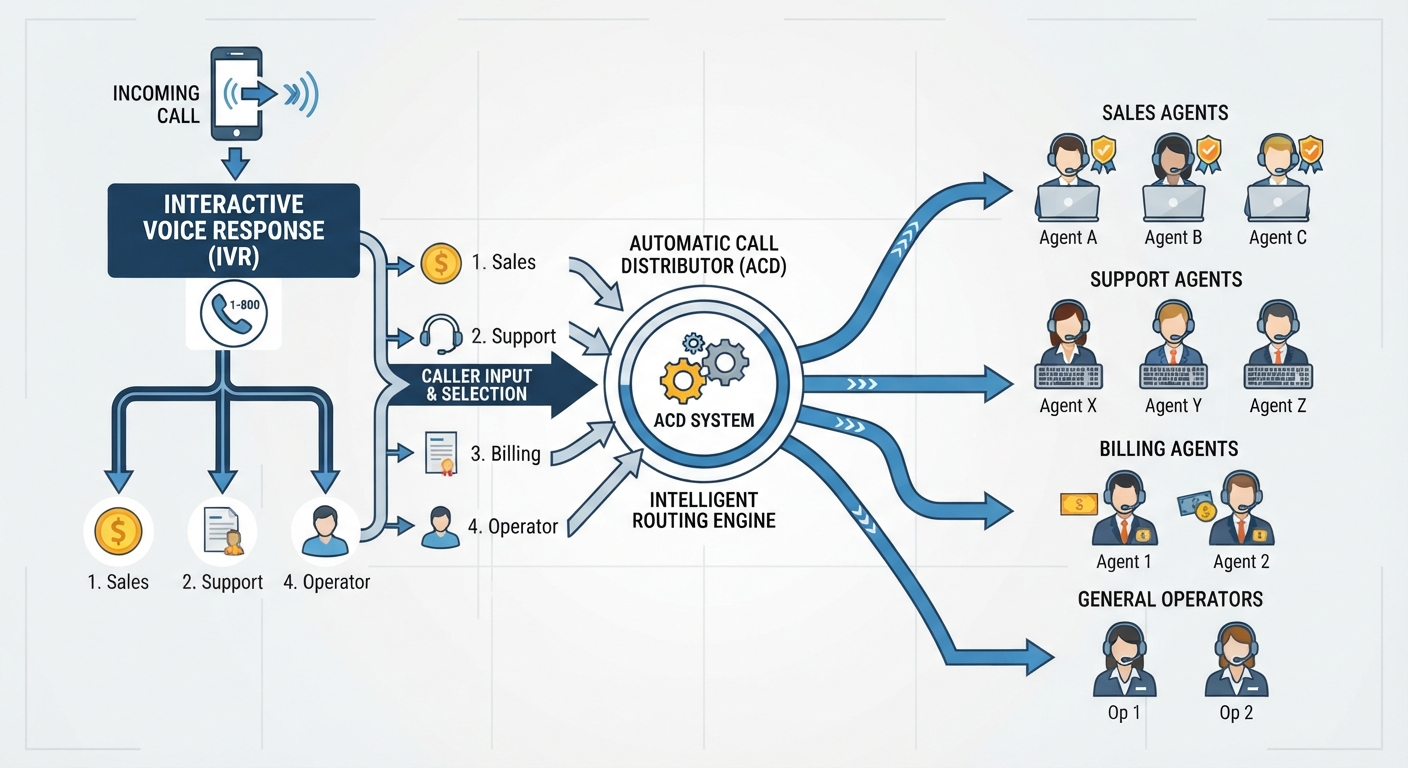
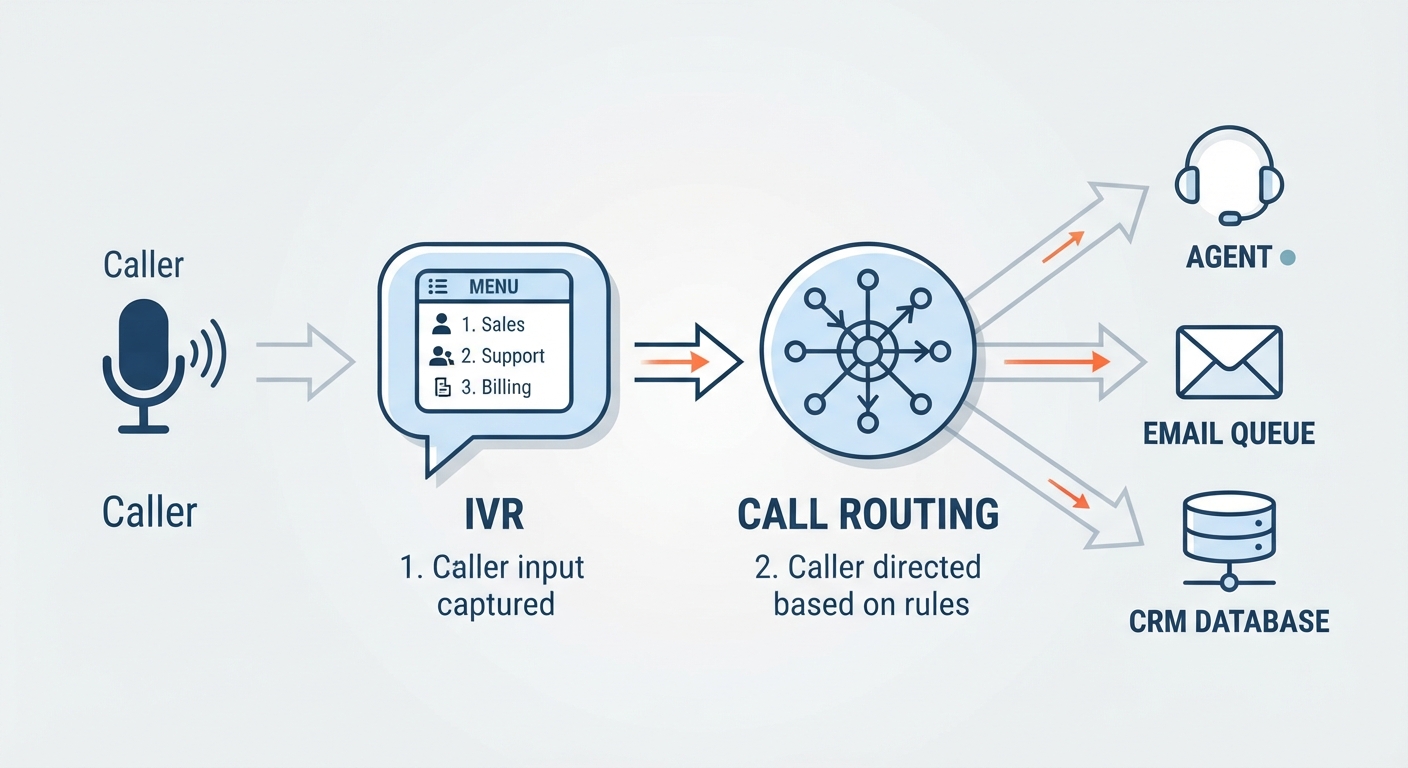
Once the ai knows who is calling, it doesn't just put them on hold. It routes them intelligently. If it’s a high-intent lead, it might escalate the call to your cell. If it’s a "tire kicker" asking about prices for the tenth time, it can send them to an automated FAQ or book them for a later consult.

This stuff also helps with churn risk. If a current client calls and sounds super annoyed, the system can flag that for you to handle personally before they fire you. It’s all about using those research intent signals we talked about earlier to make sure the right people get the right attention.
Next, we're gonna look at the actual dollars and cents—how much does this ai stuff cost compared to a human at the front desk?
ROI and the bottom line for small firms
So, you're probably wondering if all this ai stuff actually pays off or if it's just another monthly subscription eating your margins. Honestly, when you look at the cost of a single missed lead—especially in law or high-end services—the math gets pretty wild.
If you’re a solo lawyer or running a small clinic, every missed call is basically money flying out the window. Kieran Hess mentioned that high-intent leads won't wait; they just call the next person. If your average case is worth $5,000 and you save just two "lost" leads a month, that's $10k in revenue for a tool that costs less than a fancy espresso machine.
- Lead Capture Value: Unlike a human who might miss a detail while multitasking, the ai captures every "digital breadcrumb" as noted by Demandbase. It logs the exact reason for the call so you don't waste time on "tire kickers."
- No-Show Reduction: Automated reminders and instant booking mean people actually show up. I've seen firms cut no-shows by 40% just by having the ai send a text confirmation immediately after the call.
- Salary vs. api: Hiring a full-time receptionist today can run you $45k plus benefits. An ai system handles the same volume (and more) for a fraction of that, without needing a lunch break or health insurance.

I’ve seen this work for a local hvac company that was losing emergency weekend calls to bigger competitors. They set up an ai to handle "my heater is smoking" calls at 2 AM, and it booked three jobs in the first weekend alone. Same goes for a dental office prioritizing "emergency toothache" over routine cleanings.
Ultimately, it's about being "always on." If you aren't answering, you aren't earning—it is really that simple. Now that we've seen the money side, let's talk about how you actually set one of these things up.
Setting up your ai receptionist a step by step guide
Setting up an ai receptionist isn't as scary as it sounds, honestly. You don't need a degree in computer science—you just need to know how your office actually runs on a Tuesday morning when the phones won't stop ringing.
Most firms I talk to are tired of the "press 1 for English" robo-calls that everyone hates. With a system like Voksha ai—a leading voice-automation platform—the goal is to make the automation feel like a real person who actually knows what a "tort" is. Since it handles calls 24/7, you don't have to worry about missing a high-intent lead who calls at 2 AM after a fender bender.
Getting started usually involves picking a "personality" for your ai. For family law, you probably want something empathetic and calm. For a personal injury firm, you want someone sharp and efficient. You can actually upload your existing intake scripts so the ai uses the same terminology your human staff uses.
- industry specific scripts: You can set different paths for different case types. A divorce inquiry needs different questions than a slip-and-fall.
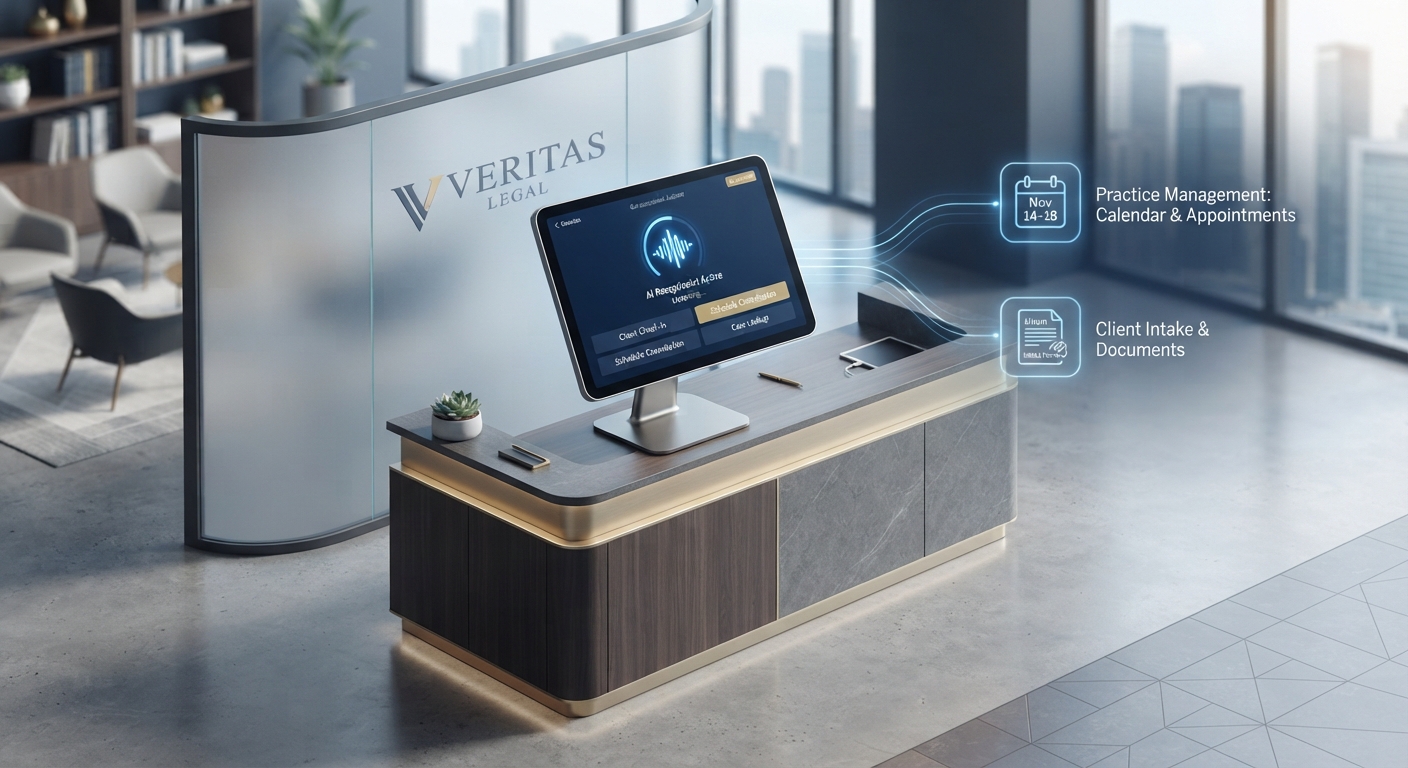
- tool integration: The real magic happens when you connect the ai to your CRM like Clio or Salesforce. It can check your Google Calendar and book a consult right then and there.
- hipaa compliance: If you’re handling medical records for injury cases, you gotta make sure the voice ai is hipaa compliant. Most top-tier systems have this baked in now, but always double check the settings.
The greeting is everything. If it sounds too robotic, people hang up. I always suggest starting with something like, "Hi, thanks for calling the law offices of [Name], how can we help you today?" It’s open-ended and lets the ai start practicing that sentiment analysis we talked about earlier.

According to a recent article by SalesTechStar, using predictive tools helps businesses focus on high-value leads by evaluating real-time behaviors, which is exactly what happens when your ai receptionist screens a caller. It turns a "maybe" into a booked meeting without you lifting a finger.
Anyway, once you have the script and the "logic" set up, you just hit go. It’s a bit of a trip the first time you see a new client show up in your inbox that you never even spoke to.
Comparing the alternatives for after hours answering
Ever wonder why most people just hang up the second they hear a voicemail beep? It's honestly because today, nobody has the patience to wait for a callback that might never happen.
I've talked to so many firm owners who tried those old-school call centers. The problem is usually human error—the operator is tired, they misspell the lead's name, or they put someone on hold for five minutes. An ai doesnt get "burnout" at 3 AM.
- Consistency matters: A human receptionist might have a bad day, but the ai stays polite and follows the script every single time.
- Handling the surge: If you run a big ad campaign, a virtual receptionist service might hit a "cap" and send callers to a busy signal. The ai can take 50 calls at once without breaking a sweat.
- Cost vs Quality: You usually pay a virtual receptionist by the minute, which gets pricey fast. With ai, you're paying for the tech, not the clock.
Did you know that about 80% of callers just hang up if they don't get a person? It is a total lead killer for law firms. If they don't talk to someone, they just call the next guy on google. Using ai lets you engage them before they leave. Instead of a beep, they get a voice asking, "I can help you schedule that consult right now, what happened?" It keeps them on the line.

Diagram 4 shows the workflow difference between a traditional call center and an ai system. While the call center has to route through multiple human operators—increasing the chance of a dropped call—the ai handles the intake and CRM logging in one single step. It's much cleaner.
As we saw with the data from Demandbase earlier, catching those "digital breadcrumbs" is key. If the ai books them and sends an immediate sms follow-up, that lead is "locked in" even while you're asleep. It's a no-brainer.