Hybrid human-in-the-loop workflows for complex escalation management
TL;DR
- This article covers how small businesses can blend ai receptionist technology with human oversight to manage complex client calls. You'll learn about setting up smart escalation rules for law firms and clinics, comparing costs of hiring vs automation, and strategies to ensure no lead is lost to voicemail. We provide a step-by-step guide to building a hybrid system that keeps your business professional and responsive 24/7.
The reality of missed calls and the ai solution
Ever wonder why your phone stops ringing right when you're busiest, only for you to find three voicemails from people who sound like they’ve already called your competitor? It’s because they probably have.
The truth is pretty brutal for small biz owners. If you don't pick up, most people just hang up without leaving a message and click the next link on google. Research shows about 67% of callers will just drop the call if they hit a machine. It's not personal, they just need their sink fixed or their hair cut now.
While many companies are adopting generative ai, a lot of them fail because they don't have human oversight. According to recent industry surveys, about 70% of businesses are exploring these tools, but the ones who win are using a "hybrid" approach.
This is huge for high-ticket leads. If you're a lawyer or a hvac contractor, a missed call isn't just a "whoops," it's potentially thousands of dollars walking out the door.
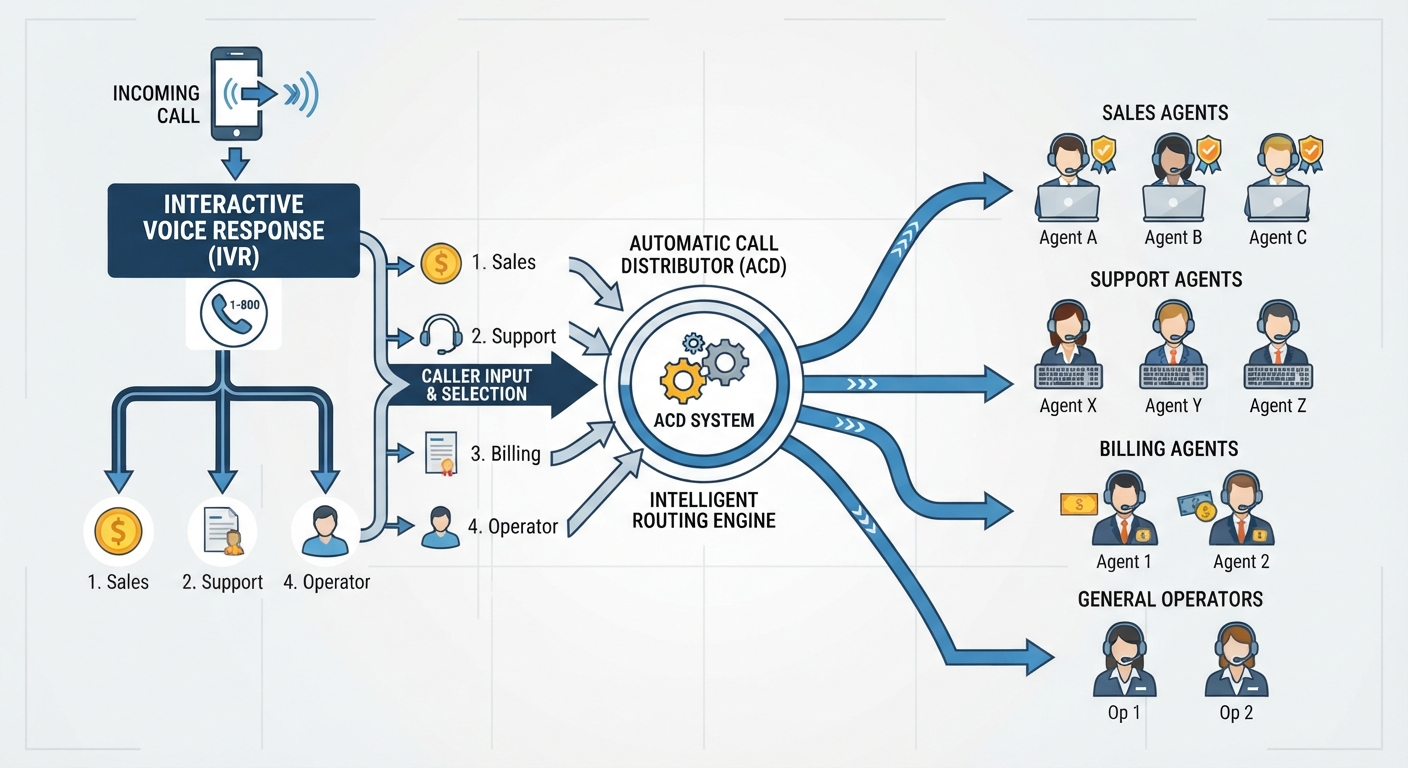
So, what is this "hybrid" thing anyway? Basically, it means you let an ai handle the 24/7 grunt work—like greeting callers, answering "are you open Sunday?", or booking a basic oil change—but you keep a human ready for the hard stuff. Think of it like a safety net. The ai does the "heavy lifting" but pauses when things get weird or emotional.

If a caller is crying because their basement is flooding, you don't want a bot asking for their zip code three times. You want a human to step in. This approach builds a "structured collaboration" where the tech assists but the person owns the relationship. it's about finding that sweet spot where you never miss a lead but never lose that "local" feel.
Next, we're gonna look at the actual dollars and cents of hiring a person versus using these new tools.
Cost breakdown: hiring a receptionist vs ai receptionist vs hybrid
So, you're looking at the bottom line and wondering if you should just hire a real person or let a bot take the wheel. it's a tough call because a bad choice either drains your bank account or ticks off your customers.
Hiring a full-time receptionist isn't just about the hourly wage anymore. By 2026, projections show that labor costs will continue to climb, and you're looking at a base salary plus health insurance, workers comp, and those "hidden" costs like the desk they sit at.
Most folks forget about turnover too. If your receptionist leaves, you're spending thousands just to find and train someone new while your phones go unanswered. Plus, they only work 40 hours a week. What happens on Tuesday at 9 PM when a lead calls?
Data from Zippia (2024) suggests the average receptionist salary is climbing, and when you add benefits and taxes, the "real" cost is often 1.25x to 1.4x the base pay.
Traditional answering services are a common alternative, but they get pricey fast. Many charge per minute or per call, and if you have a busy month, that bill is gonna hurt. Plus, they often don't know your business well enough to do more than take a message.
This is where things get interesting. An ai receptionist doesn't need a lunch break or a 401k. You usually pay a flat monthly sub, which is way easier to budget for than a fluctuating payroll. The real roi comes from 24/7 coverage. If you're a dental office and someone calls at midnight with a toothache, the ai can book them for 8 AM right then. That's a "saved" appointment that paid for the whole month of tech in one go.

But look, there is a catch. If you go 100% bot, you might lose that "human touch" for complex stuff. That's why the hybrid model is winning. You use the ai to filter the "grunt work"—like directions or basic booking—and let your actual staff handle the high-value, emotional calls.
Next, we're gonna dive into how to actually set this up without breaking your brain or your phone system.
Setting up your hybrid workflow step by step
Setting up a hybrid phone system isn't about being a tech genius, it's mostly about knowing your own business "vibe" and where things usually go off the rails. You don't want a robot trying to handle a frantic homeowner with a burst pipe, but you also don't need to pay a human to tell people your holiday hours for the tenth time today.
First off, don't just grab the first shiny bot you see on a facebook ad. A dental office has totally different needs than an hvac company or a law firm. One solid option for small shops is Voksha AI. They basically give you 24/7 automated answering and appointment booking starting at about $14/mo. It's great because it integrates with the stuff you probably already use, like Clio for lawyers, ServiceTitan for home services, or just a plain old Google Calendar.
The best part is you can usually get a basic script running in under 5 minutes. You just tell it "here is my name, here is what we do, and here is when you should stop talking and find me."
This is where the "hybrid" part actually happens. You have to decide what counts as a "complex" call. I usually tell people to look for the "emotional trigger." If a caller sounds angry, confused, or is asking about a high-ticket service—like a $20k roof replacement—that's when the ai should tap out.

You can set these rules based on the time of day, too. Maybe during 9-5, the ai only handles "FAQ" stuff and sends everything else to your desk. But after hours, it handles the whole booking process so you can actually eat dinner in peace.
The biggest mistake is the "cliff-edge" handoff. That's when the ai just goes silent and the caller hears 30 seconds of ringing. It feels broken. Instead, have the ai say something like, "That sounds like something my manager should handle. I'm going to try and connect you now, one second." It keeps the caller on the line.
Next, we're going to talk about the specific strategies for different industries and how to handle those high-stakes escalations.
Industry specific strategies for complex escalations
Ever feel like your phone is a ticking time bomb? One minute it’s quiet, and the next, three people are calling at once—one wants to book a haircut, one has a toothache, and another is a frantic new client for your law firm.
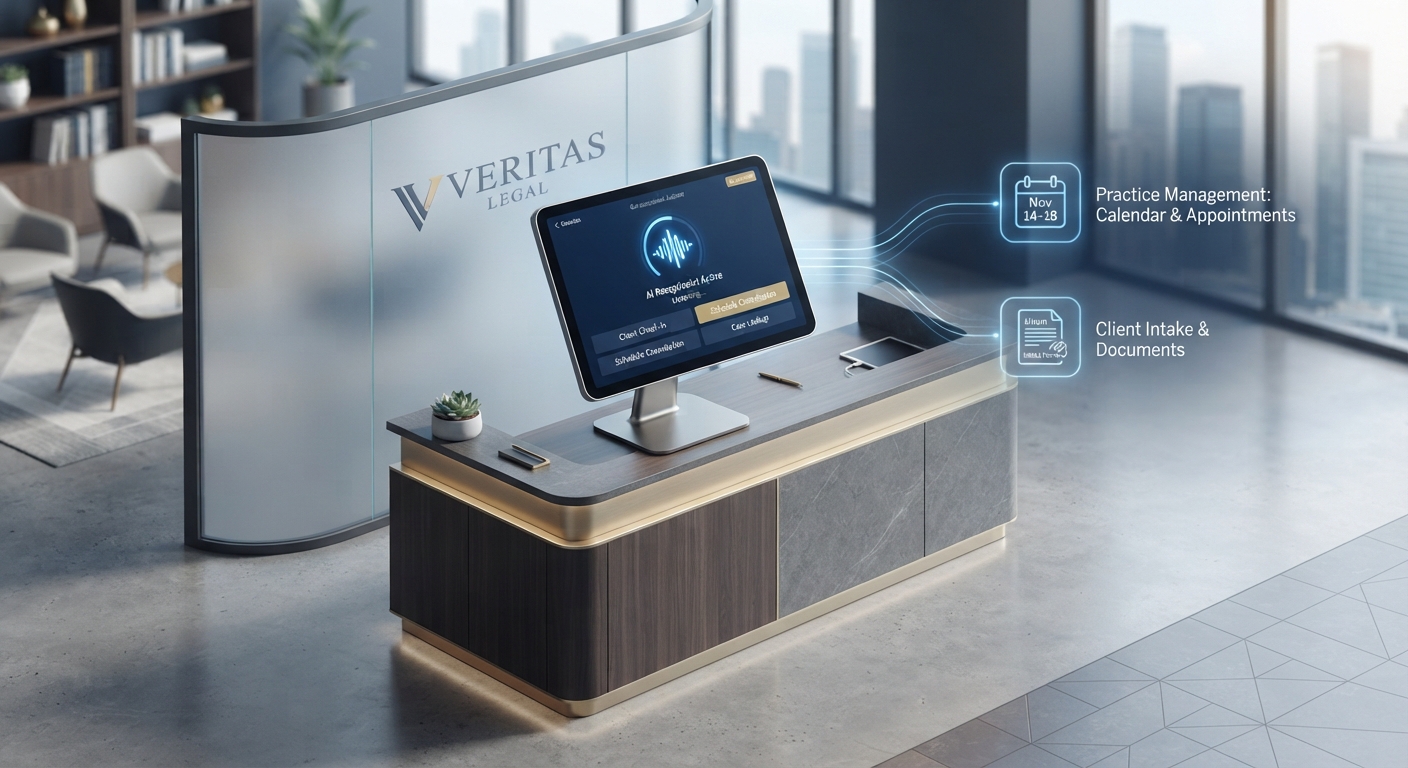
For lawyers, the stakes are way higher than just a missed haircut. The best ai phone answering for law firms needs to be secure and potentially hipaa compliant if handling medical records, while always respecting attorney-client privilege. You want a system that can tell the difference between a current client asking for a status update and a brand new lead that represents a $50k case.
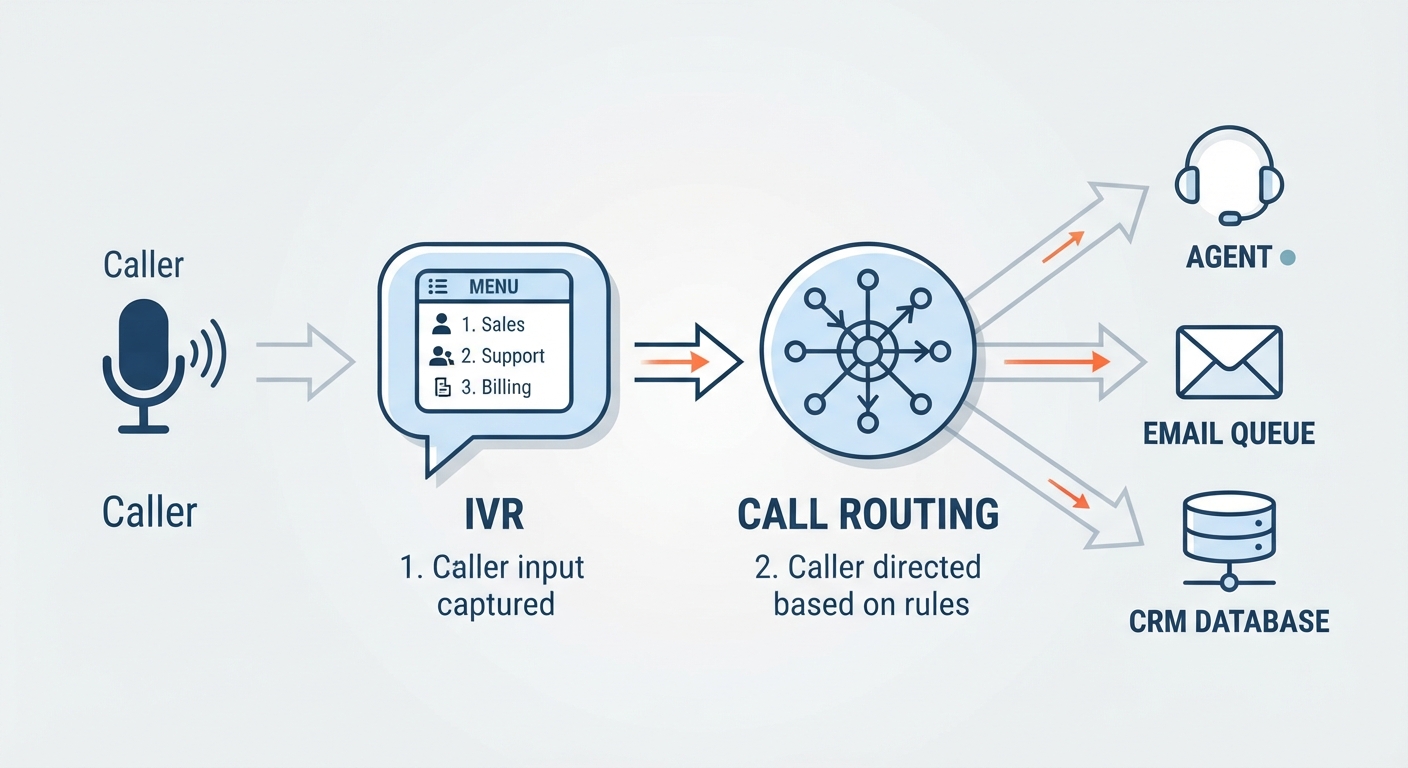
I've seen firms set up "intelligent routing" where the ai handles the boring intake questions—name, type of case, date of incident—but the second it hears keywords like "arrested" or "emergency," it bypasses the bot and rings the attorney's cell.

In the world of dental offices and hair salons, your biggest enemy isn't the competition—it's the "no-show." A hybrid system can check your practice management software in real-time and offer open slots without a human ever picking up the phone.
But what about complex rescheduling? If a patient calls saying they have a fever and need to move their root canal, that’s an "emotional trigger." You don't want a bot just saying "appointment cancelled." You need it to flag a human to follow up and make sure they're okay—and to fill that high-value slot fast.
Ethical Best Practices for all Industries:
- Be Transparent: Don't try to trick people into thinking the bot is a human named "Brenda" or "Sarah" with fake typing sounds. It feels icky when they find out. Just let the ai be a helpful assistant.
- The "Escape Hatch": Always give people a "press 0" or a "can I talk to a person?" option.
- Human Oversight: Use the "human-as-tool" pattern. Instead of you managing the ai, the ai "calls" you when it needs help.
Next up, we’re going to look at how to actually train these bots and set up lead follow-up so you don't lose people in the cracks.
Training your AI and mastering lead follow-up
Training your ai isn't about coding; it's about "prompt engineering" or just giving it a good script. You need to feed it your FAQ and tell it exactly when to hand off the call. Most modern platforms let you upload a PDF of your services or link your website so the bot actually knows what it's talking about.
The biggest mistake I see is thinking that "capturing a lead" just means taking a message. Honestly, a message is where leads go to die. If you want to actually grow, you need to strike while the iron is hot.
- Instant text-back: If you can't pick up, your system should text them immediately. "Hey, sorry we missed you! Want to book a quick time to chat?"
- Qualify early: Use the ai to ask two or three deal-breaker questions. If you're a roofer, have the bot ask the roof age. By the time you get the notification, you already know if it's a $20k job.
- Auto-syncing: Don't let your staff scribble notes on post-its. Tools like Clio or ServiceTitan can take this data directly via integrations like Zapier.
To make the "hybrid" part work, you need a "tripwire." This is a feature in tools like GoHighLevel or Voksha where the system monitors the live transcript. If the ai detects a "sentiment shift"—like the caller getting angry or using words like "emergency"—it can send an immediate Slack or SMS alert to the business owner to jump in.

Next, we're going to wrap all this up and look at how to measure your actual ROI so you know if this tech is actually paying for itself.
The future of small business communication and ROI
Ever feel like your business is stuck in 1998 because your phone just keeps going to a dusty old voicemail? By 2026, customers just aren't going to wait around for a "we'll call you back" message. The shift we're seeing is about "total responsiveness."
But how do you know if it's working? You can't just "feel" like it's better; you need to see the numbers. To calculate your actual ROI, use this simple formula:
| Metric | Calculation | Example |
|---|---|---|
| Lead Value | Average profit per customer | $1,000 |
| Capture Rate | Extra leads saved by AI per month | 5 |
| Gross Gain | Lead Value x Capture Rate | $5,000 |
| AI Cost | Monthly subscription fee | $150 |
| Monthly ROI | Gross Gain - AI Cost | $4,850 |
The goal is to stop being a slave to your ringtone. By letting an api handle the "grunt work" and only stepping in for the big stuff, you get your time back and actually grow your bottom line.
- Set your "Red Lines": Refer back to the industry section—decide when the bot taps out (emergencies, high-value cases, etc).
- Sync the stack: Make sure your ai talks to your calendar. Manual data entry is for the birds.
- Test the "Safety Net": If a call escalates and you don't pick up, make sure the ai is trained to promise a specific callback time.

It's not about being "high-tech," it's just about being smart with your time and making sure no one who wants to give you money ever hears a busy signal again.