AI Phone Answering Service: How to Stop Losing Customers to Voicemail
TL;DR
- ✓ Voicemail causes an 80 percent hang-up rate for potential business customers.
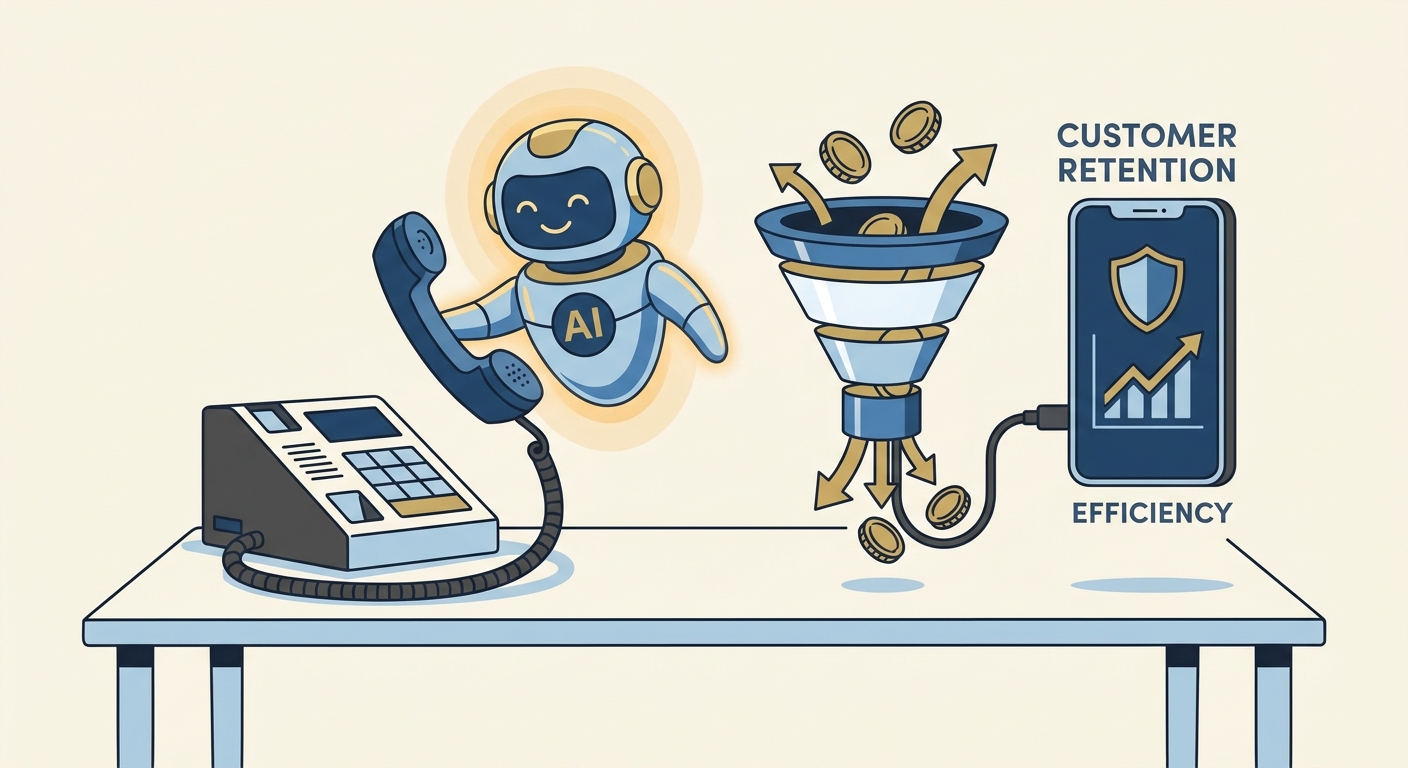
- ✓ AI answering services act as 24/7 virtual receptionists for your business.
- ✓ Advanced AI understands caller intent to book appointments and answer questions instantly.
- ✓ Automating your phone line prevents revenue leakage and improves your brand reputation.
Every time your office phone rings and rolls over to voicemail, you aren’t just missing a message. You’re handing a paying client to your nearest competitor. It’s that simple.
In today’s high-speed economy, the "voicemail gap" is the single most common leak in the revenue funnel for small and mid-sized businesses. When a potential customer calls and hears a mechanical greeting, they don't wait for the beep. They hang up. Research shows a staggering 80% hang-up rate when callers realize they’ve reached a dead end, turning your phone line into a graveyard for lost opportunities.
The Hidden Cost of the "Voicemail Gap"
The operational bleed caused by missed calls is often invisible until you look at the bottom line. Small businesses currently miss between 25% and 60% of their inbound calls. If you are a service provider—an HVAC technician, a lawyer, or a consultant—that missed call is rarely just a "check-in." It is a request for service, a booking inquiry, or a high-intent sales lead that has nowhere to go.
Customers today demand instant gratification. They expect a business to be available at 9:00 PM on a Tuesday just as much as they do at 10:00 AM on a Monday. When you force them into a voicemail loop, you are signaling that your business is either too busy to handle their needs or too disorganized to answer the door. This isn't just about losing one lead; it’s about the compounding interest of a reputation built on "we'll get back to you... eventually."
What Exactly is an AI Answering Service?
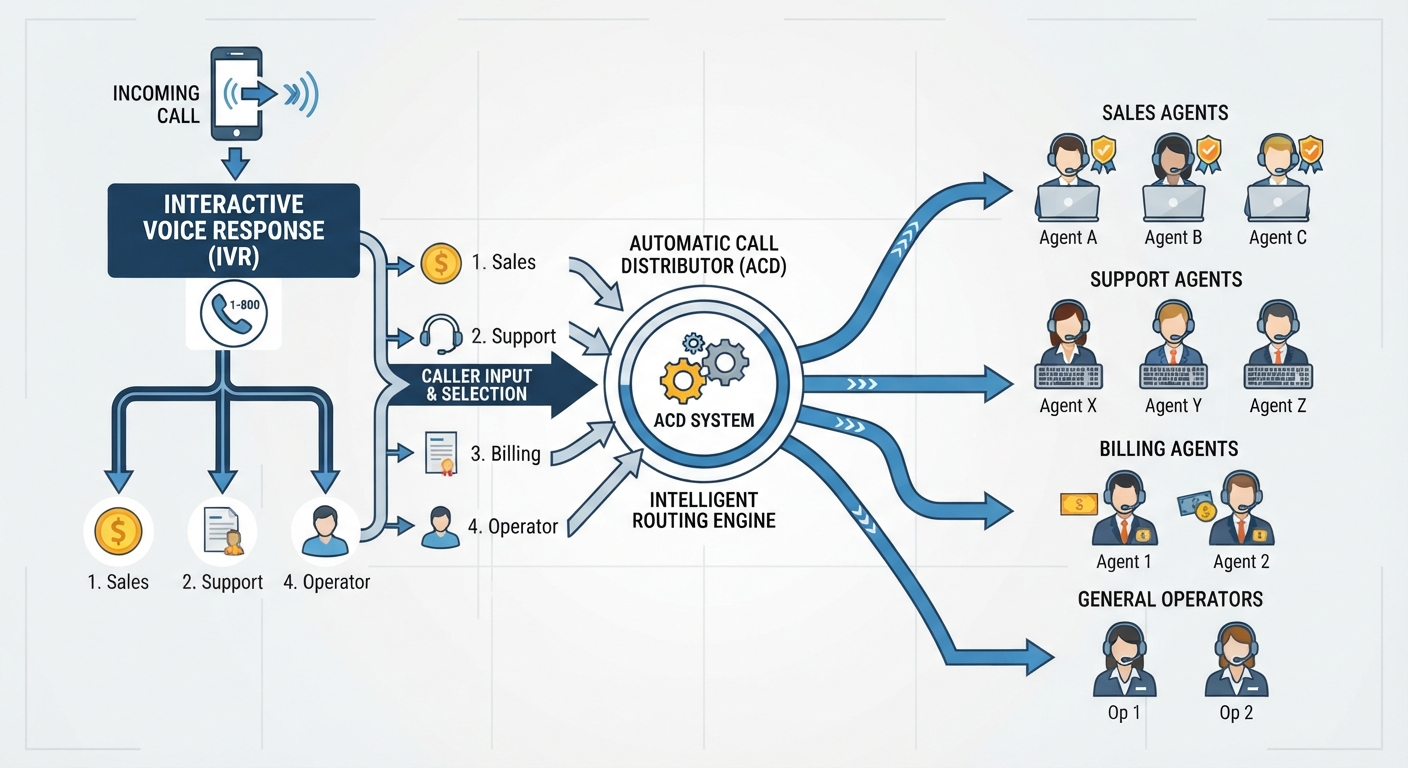
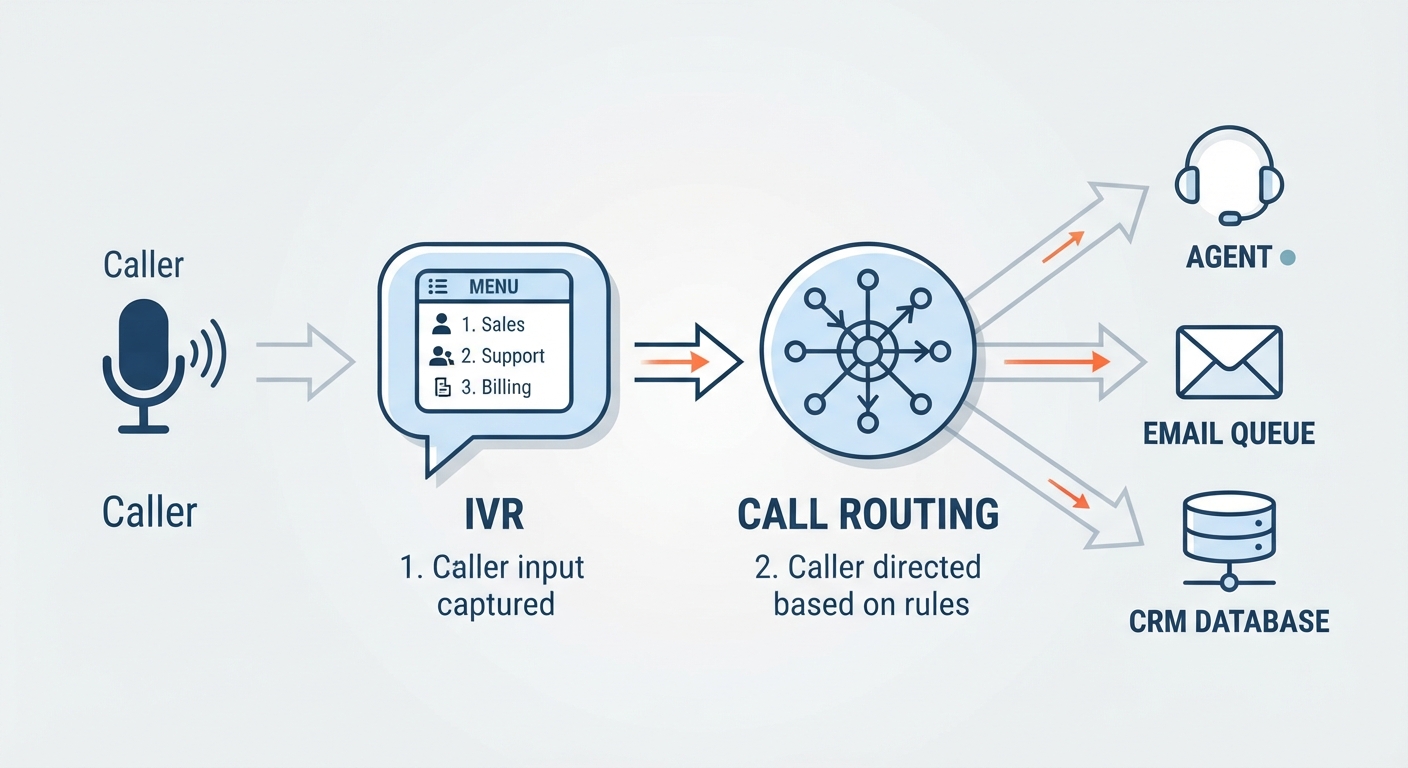
Think of an AI answering service as a 24/7 virtual receptionist. It never takes a coffee break, never gets annoyed by repetitive questions, and never forgets to log a detail. Unlike the clunky, archaic IVR systems of the past—where you are forced to "press 1 for sales, press 2 for billing"—modern conversational AI acts as a sophisticated digital front desk.
These systems utilize advanced natural language processing to engage callers in authentic, fluid dialogue. They don't just record messages; they understand intent. Whether a caller is asking for your business hours, trying to reschedule an appointment, or inquiring about pricing, the AI processes the request in real-time, providing immediate answers or routing the call to the appropriate internal destination. It is the difference between a static answering machine and a dynamic, intelligent extension of your team.
How Does the AI Call Workflow Actually Work?
The beauty of modern AI is the seamless transition from "Hello" to "Resolution." It eliminates the middleman of transcription and manual follow-up.
Consider the "Before vs. After":
Before: A client calls to book a consultation. You are in a meeting, the phone rings, it goes to voicemail. The client hangs up, calls the next company on Google, and books with them. You listen to the voicemail three hours later, call them back, and get their voicemail. The cycle of phone tag begins.
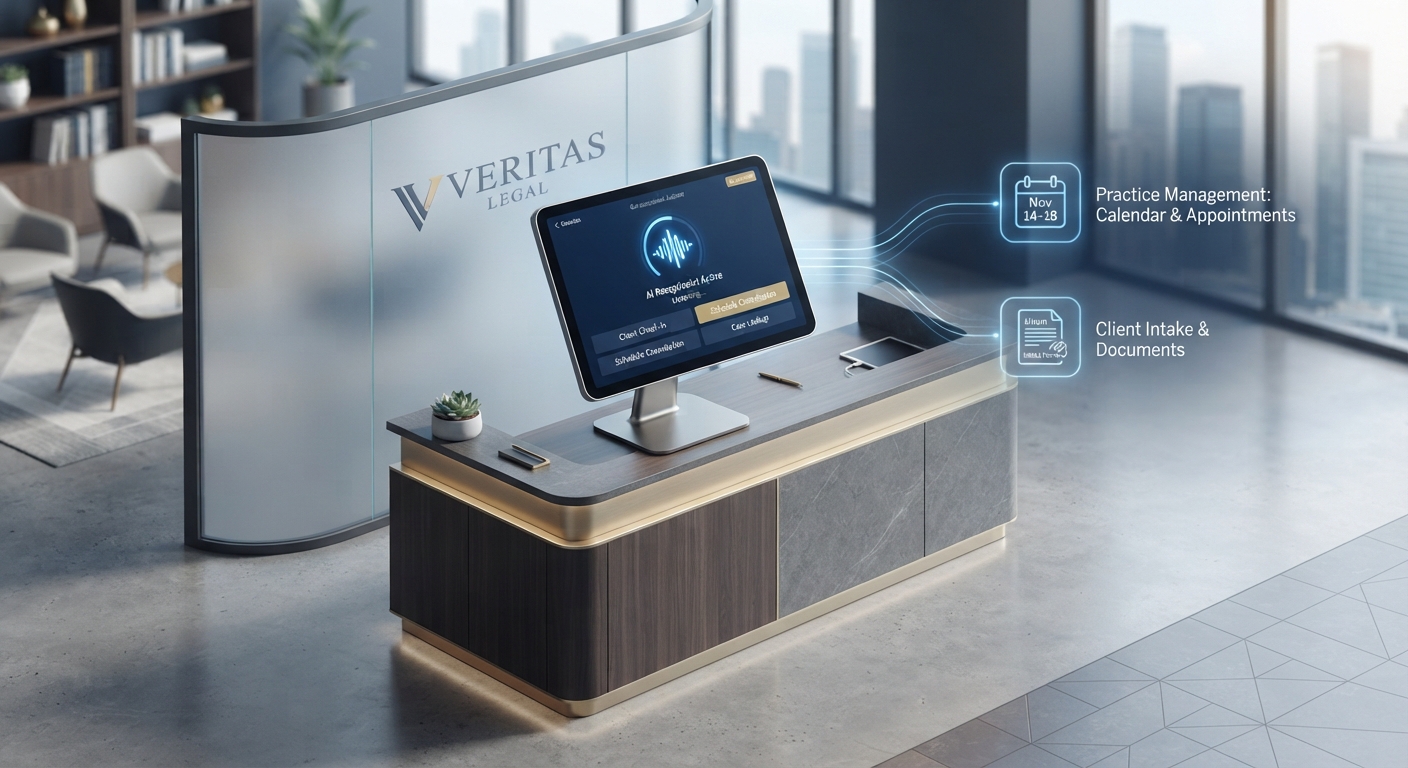
After: A client calls. The AI picks up instantly, identifies the caller as a lead, checks your connected calendar, confirms a time slot that works for both parties, sends a confirmation email, and updates your CRM. By the time you look at your phone, the deal is booked.
Can AI Really Handle 95% of Your Customer Inquiries?
The evolution of speech recognition has reached a tipping point. We are no longer dealing with the robotic, stuttering voices of the early 2010s; we are now seeing systems that boast over 95% accuracy in commercial environments. This precision allows the AI to handle the rote, repetitive tasks—the "when are you open?" and "where are you located?" queries—with perfect consistency.
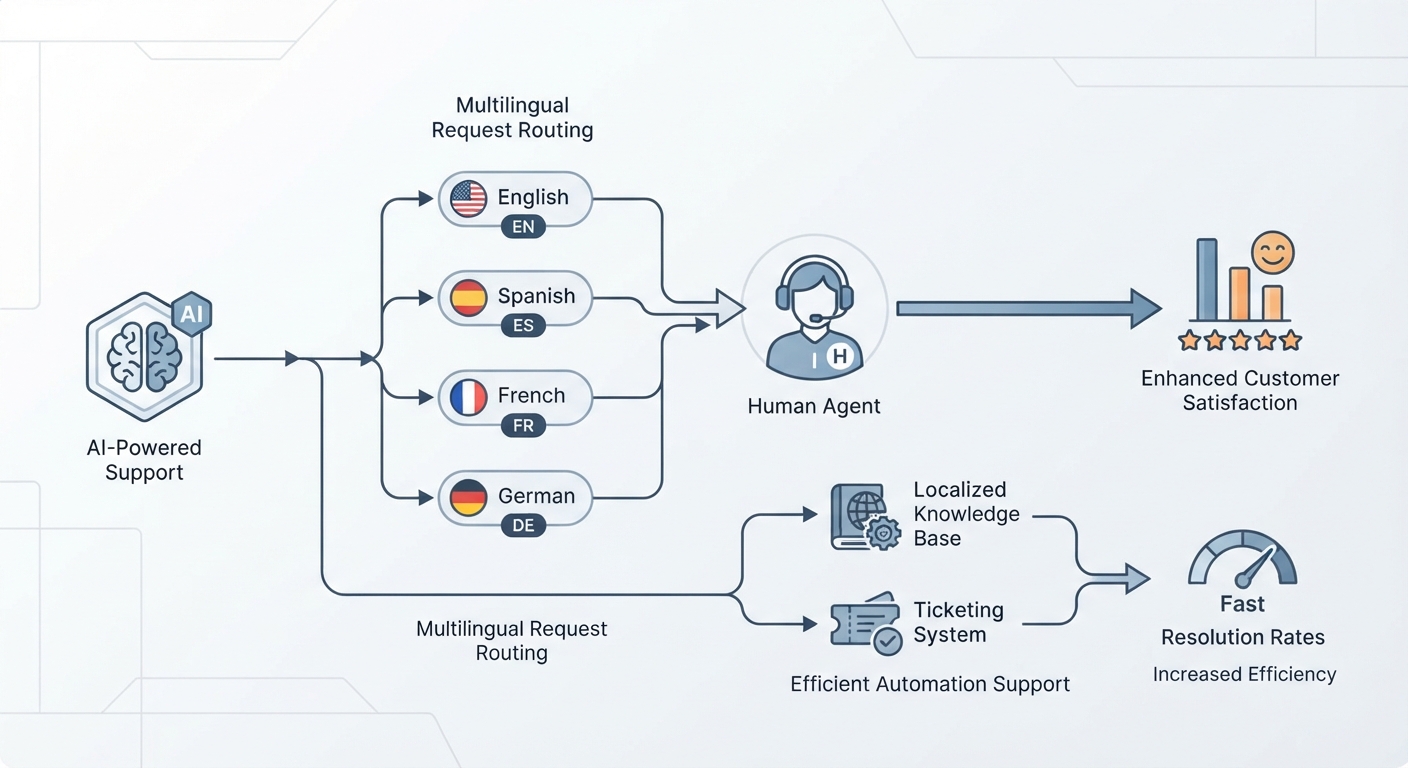
According to industry analysis by McKinsey & Co, companies that successfully integrate AI into their service workflows see a 40% to 50% reduction in routine service interactions. This doesn't mean the AI is doing everything; it means the AI is handling the "noise" so your human staff can focus on the "signal." This is the "Human-in-the-Loop" advantage. The AI manages the intake, but for the complex, high-stakes negotiations or sensitive customer issues, the system can intelligently route the call to a live human, ensuring that your team is only interrupted when their expertise is actually required.
Why Should You Integrate AI with Your Tech Stack?
A phone call that exists in isolation is a wasted data point. If your answering service doesn't "talk" to your CRM (like Salesforce or HubSpot) or your scheduling tool (like Google Calendar), you are creating data silos.
By utilizing integrated AI solutions, you ensure that every interaction is captured, tagged, and utilized. If a customer calls and provides their email address, the AI should be able to cross-reference that against your existing database to see if they are a returning client. If they aren't, it creates a new profile. This level of automation prevents leads from being "lost" in a digital inbox and ensures that your sales team has the full context of a customer’s history before they even pick up the receiver.
Does AI Replace Your Staff or Empower Them?
There is a pervasive fear that automation is synonymous with replacement. In reality, an AI answering service is an empowerment tool. Most small business owners spend a staggering amount of time playing the role of a receptionist. You are answering the same five questions a dozen times a day, which pulls your focus away from the work that actually generates revenue.
By delegating these repetitive tasks, you are not shrinking your team; you are upgrading their output. Your employees can move from being "phone tethered" to being "value-driven." When the AI handles the appointment scheduling and the basic FAQs, your staff has the bandwidth to focus on high-value tasks: closing complex deals, solving unique client problems, and improving your core product or service.
How Do You Choose the Right AI Service for Your Business?
Not all AI solutions are created equal. When evaluating providers like Smith.ai or Goodcall, look for three non-negotiables:
- Integration Capabilities: Can it sync with the tools you already use? If it doesn't plug into your existing CRM or calendar, it will eventually become a bottleneck.
- Voice Naturalness: Test the system. Does it sound like a machine reading a script, or does it handle pauses, interruptions, and natural speech patterns?
- Fallback Mechanisms: When the AI hits a wall, what happens? A robust system should have a clear, pre-configured path for when it encounters a question it cannot answer—usually by routing to a live person or by taking a high-fidelity, transcribed message.
If you are ready to stop letting the voicemail box dictate your growth, contact us for a custom AI demo. We can help you map out exactly how an automated workflow can reclaim your lost leads and streamline your daily operations.
Frequently Asked Questions
Will customers know they are talking to a robot?
Modern AI uses sophisticated natural language processing to sound remarkably human. While it is standard practice and ethically sound to be transparent—often by having the AI introduce itself as a virtual assistant—many customers prefer the instant, accurate response of an AI over the frustration of being put on hold or sent to voicemail.
Can AI handle complex scheduling across different time zones?
Yes. Because the AI is integrated directly into your calendar software, it handles time-zone logic automatically. It recognizes the caller's context and calculates the appropriate availability based on your settings, ensuring there are no booking errors regardless of where the client is calling from.
What happens in the rare event the AI doesn't understand a question?
Professional AI services are built with "fallback" intelligence. If the system encounters a query outside of its programmed scope, it is designed to gracefully transition the call to a live staff member or offer to take a detailed message for a callback, ensuring the customer never feels like they are hitting a dead end.
Is it expensive to set up an AI answering service?
When you compare the cost of a full-time, human receptionist—including salary, benefits, and training—against the usage-based, scalable pricing of an AI solution, the ROI is significant. AI answering services allow you to pay for the volume of calls you actually receive, making it a highly cost-effective way to ensure 24/7 coverage without the overhead of additional headcount.